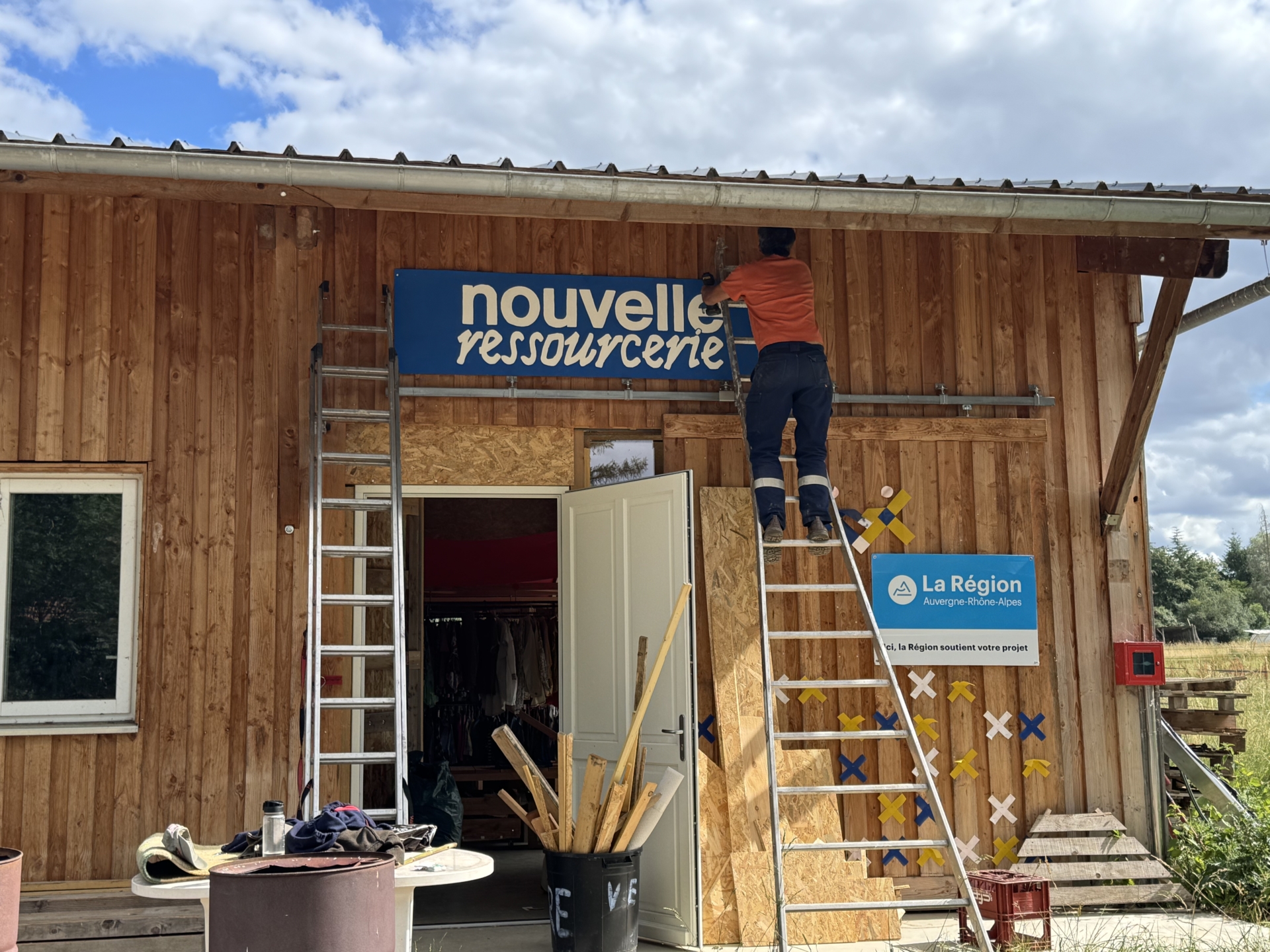
Project

Constructlab was invited to participate in the design of the future textile recycling center in La Mhotte, in partnership with the “Resources and Territories” master’s program at the ESDMAA art school.
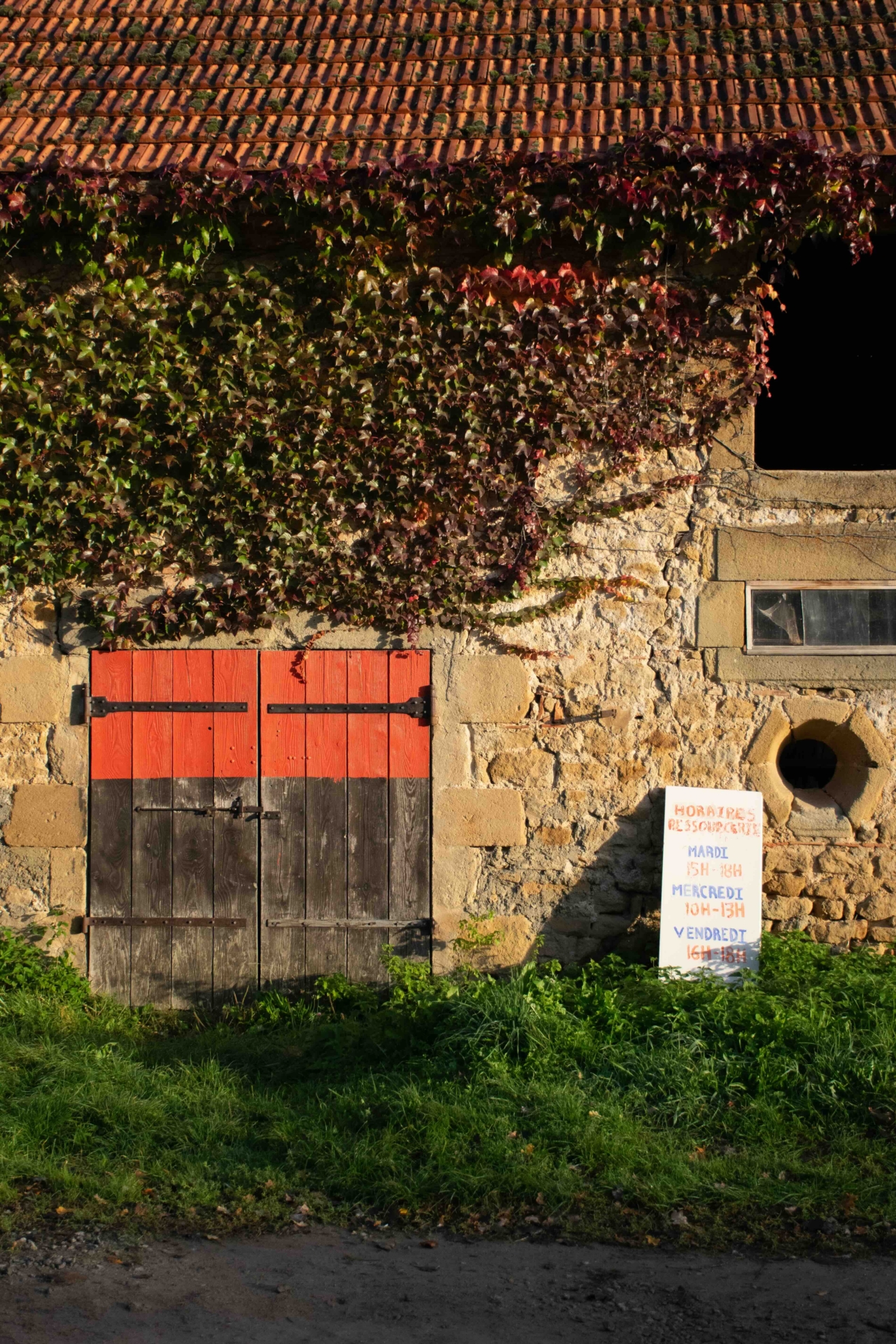
This center is at the heart of their cultural association and plays an essential role in raising awareness about waste reduction, recycling, and the repurposing of objects and textiles. Donations from local residents are sorted, selected, repaired, or transformed based on their condition and material potential. Its mission is closely linked to the local life of the rural area where we are located.
Currently, it is housed in a barn that is unheated, damp, and poorly lit. To better develop the project, the recycling center will move to a new space on the farm that requires space renovation. Given our limited financial resources, the association has chosen to organize a participatory workshop involving volunteers and local residents. This approach not only addresses economic constraints but also enhances local engagement and collective ownership of the space.It is within this framework that we have created this 10-day residency from April 9 to April 18, 2026.
The Champ des Possibles association is a cultural association in a rural setting that focuses on several areas ranging from cultural programming (live performances, concerts) to artist residencies, training through hosting student seminars that confront them with rurality and artisanal skills, and ecological practices with a community workshop for ecological printing using risography, along with a textile recycling center. The association is located on the Mhotte farm in the Bourbonnais bocage at Saint-Menoux.
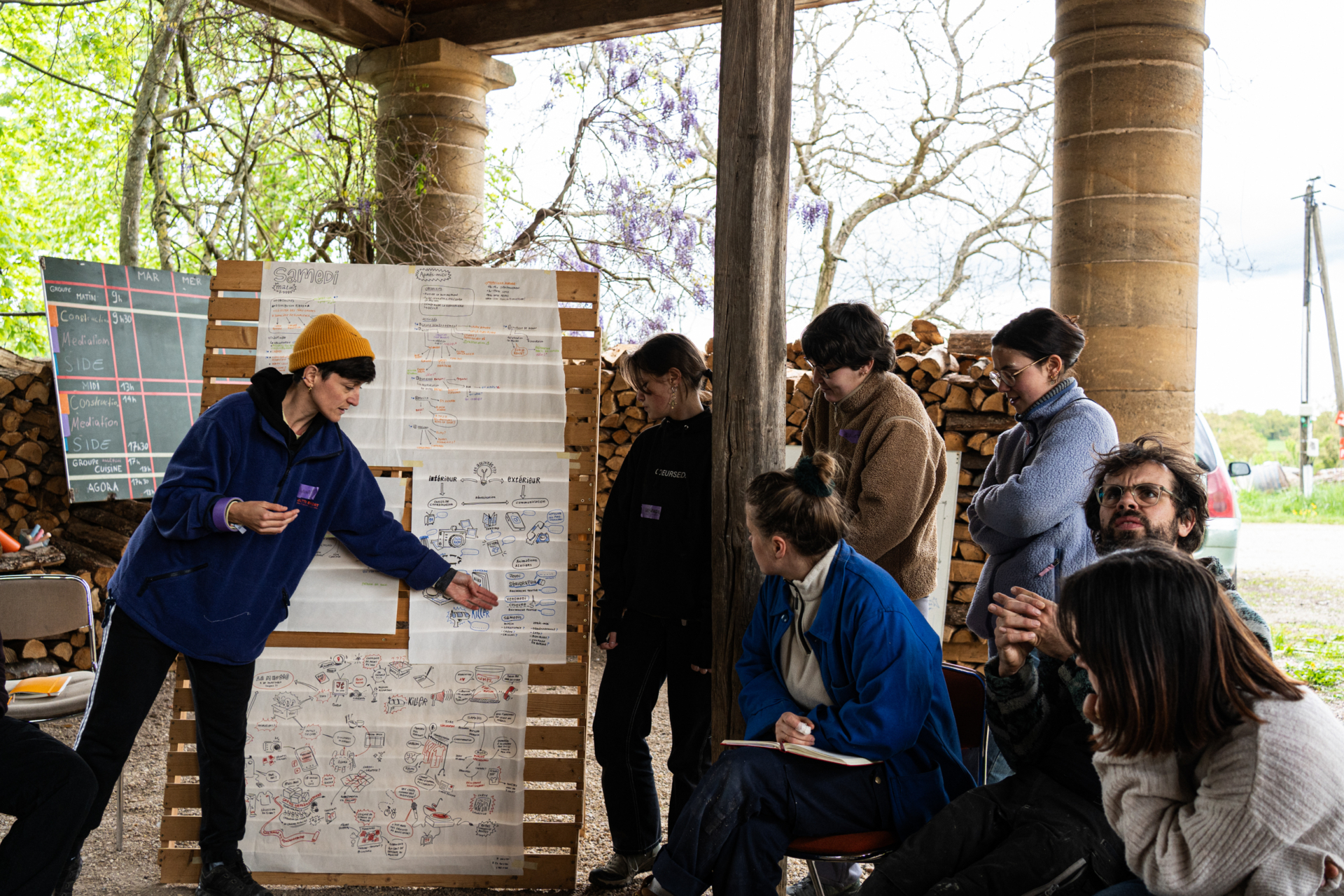
An initial three-day intensive session to explore the site helped identify various areas of study: economic, social, geographic, and sensory perspectives.
The three sessions took place in the fall and provided an opportunity to work across disciplines and explore a wide range of design possibilities, while considering how to integrate the recycling center into the broader regional context. Constructlab supported two of these intensive sessions by initiating prototyping and outreach efforts. This work led to the publication of a fanzine to report on each milestone; see “Let’s All Head to La Mhotte.”

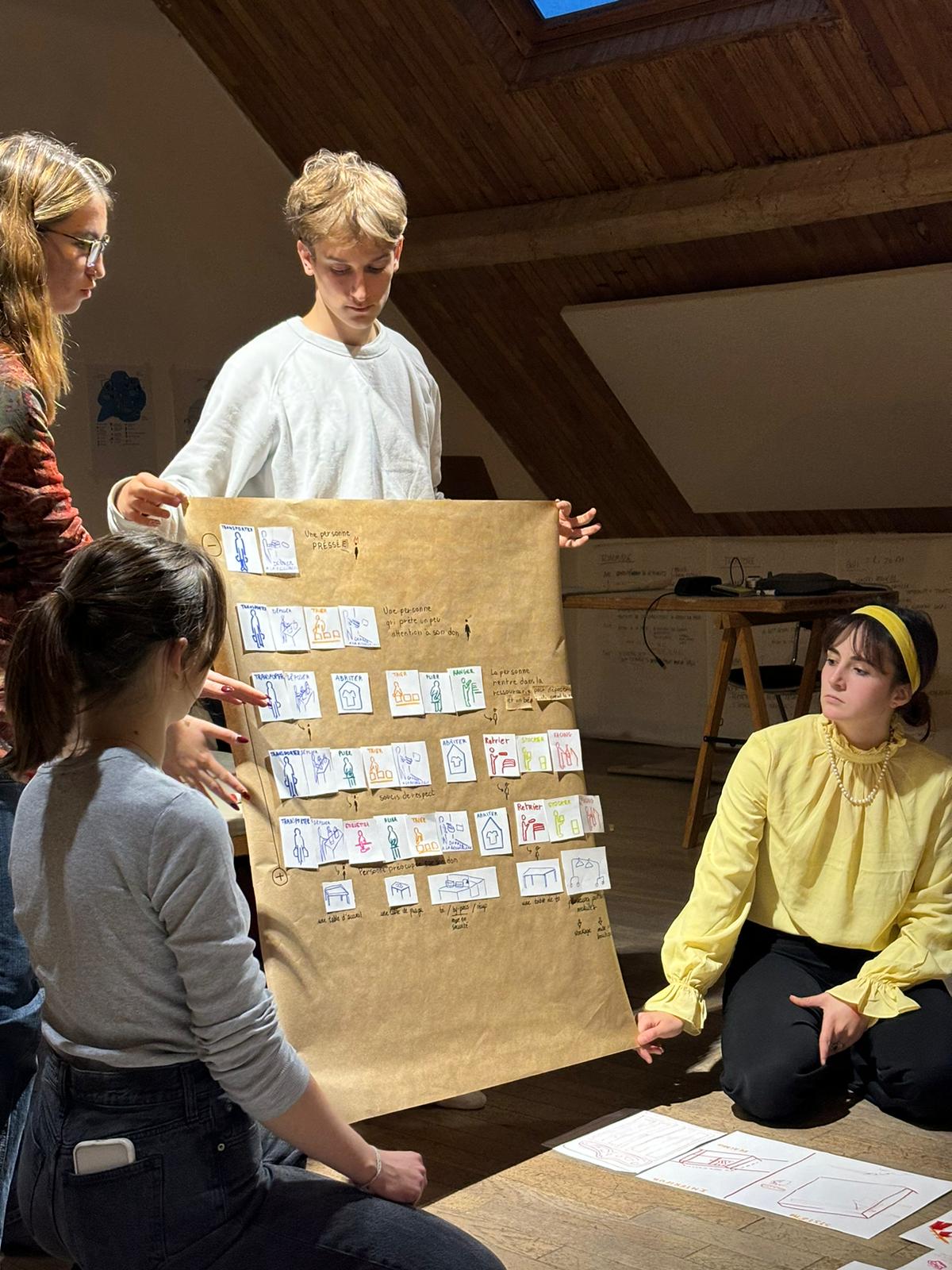
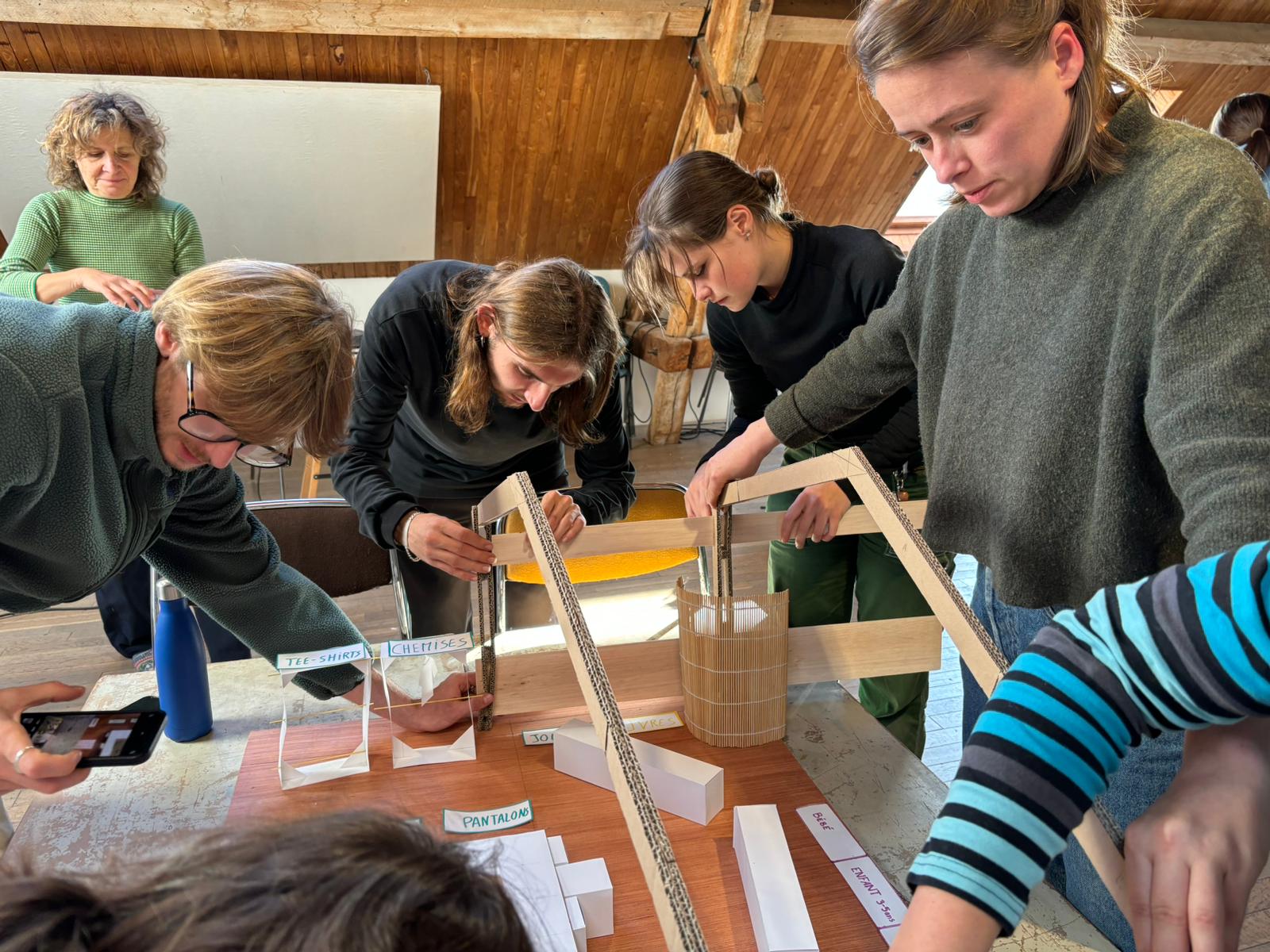
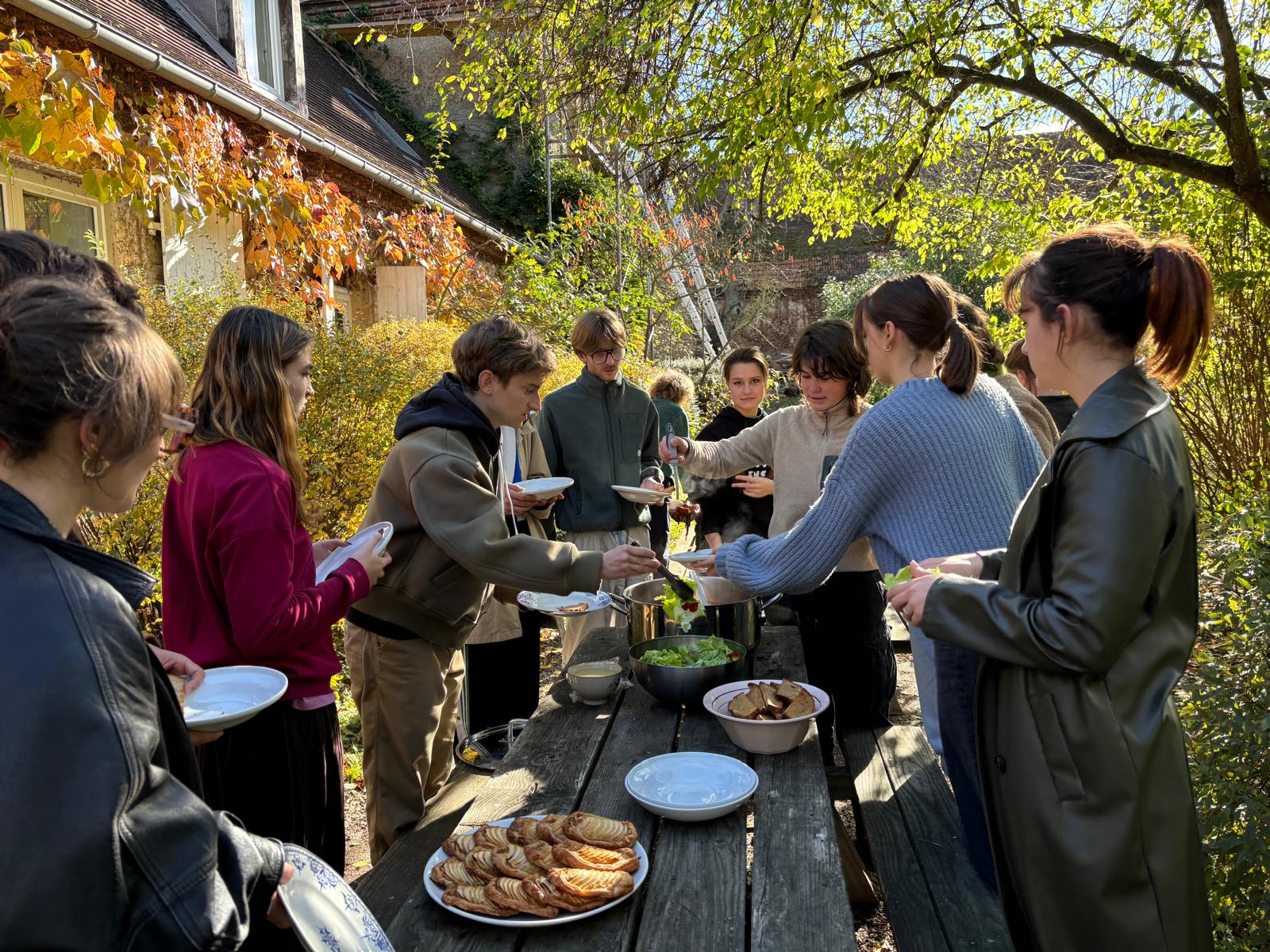
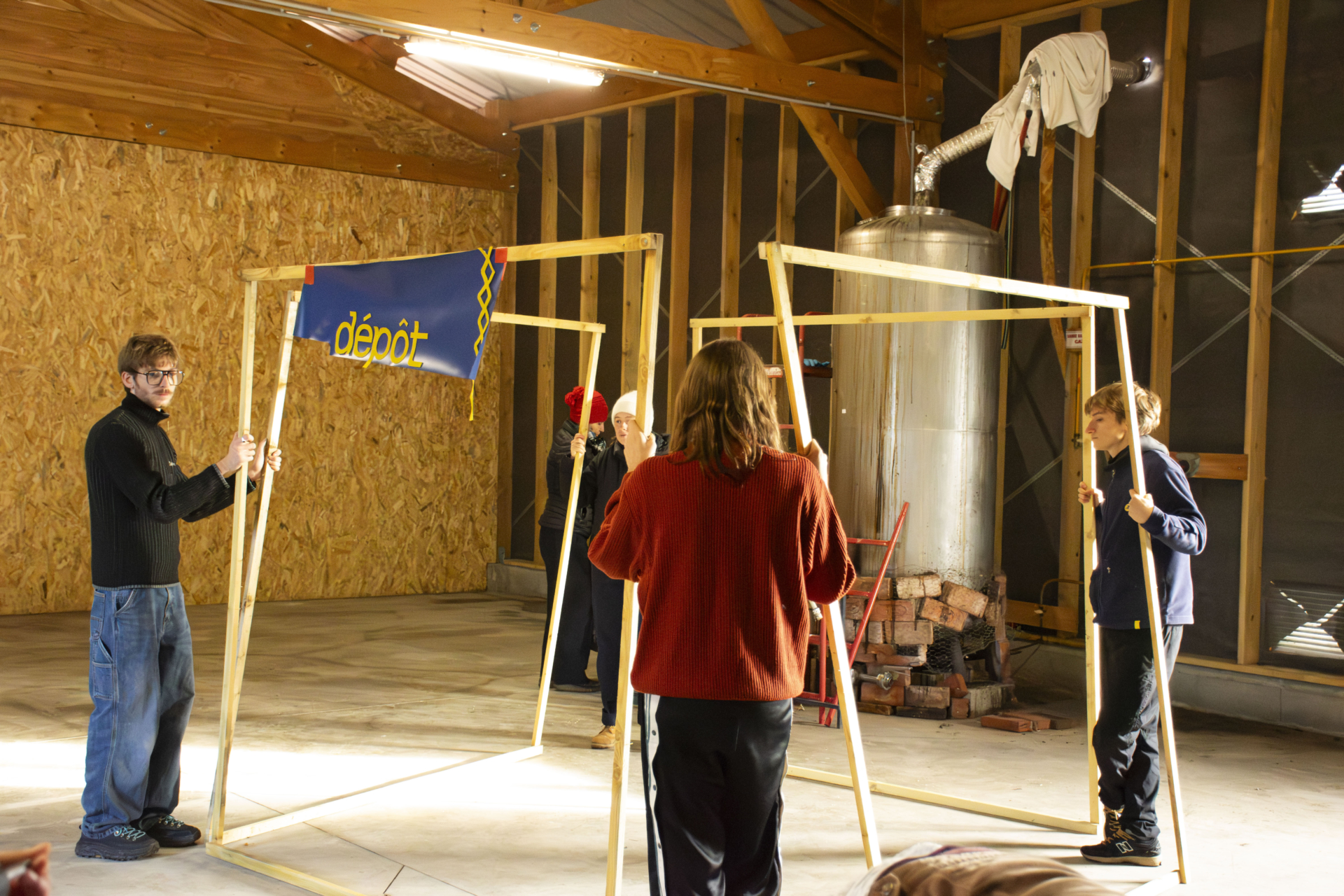
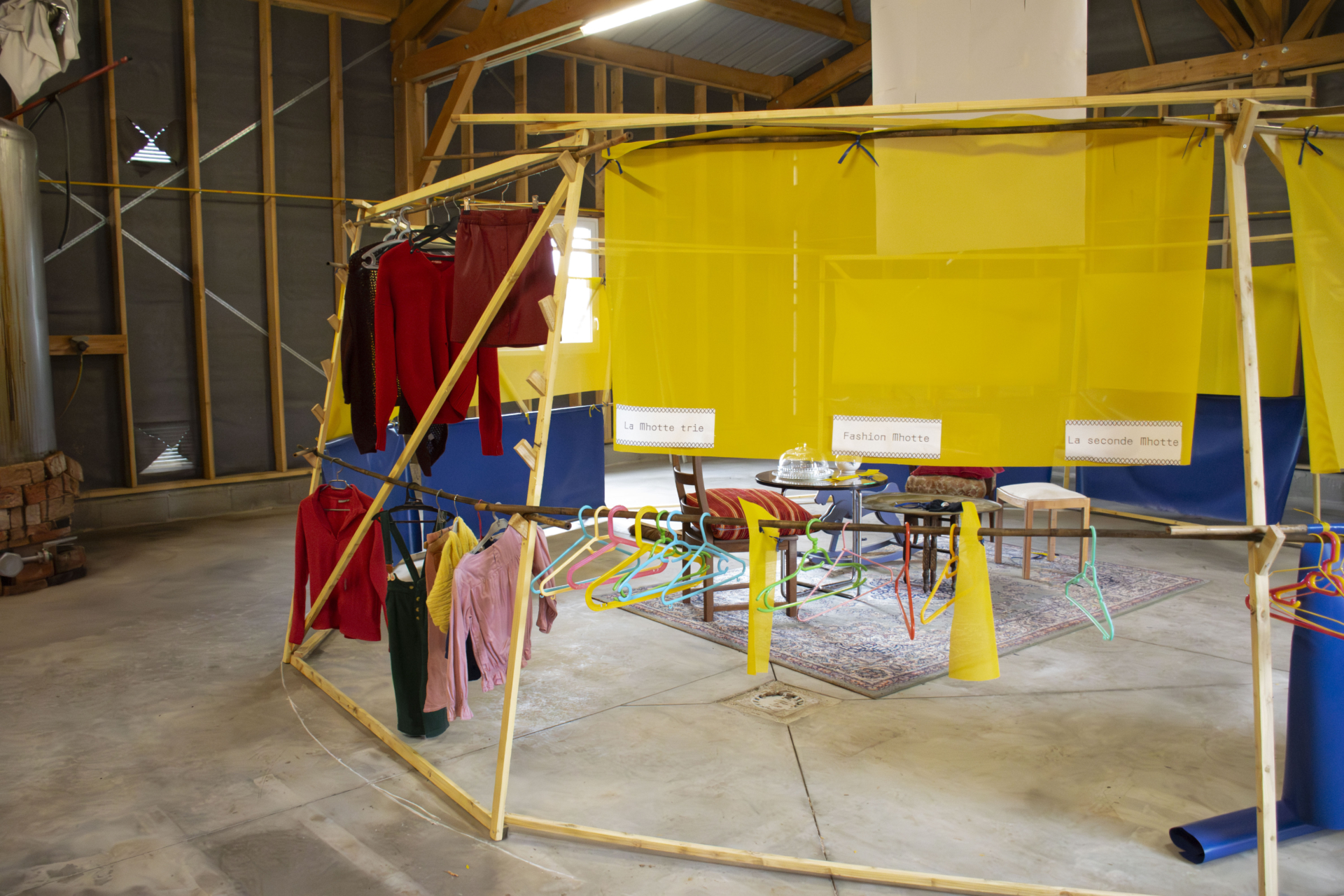
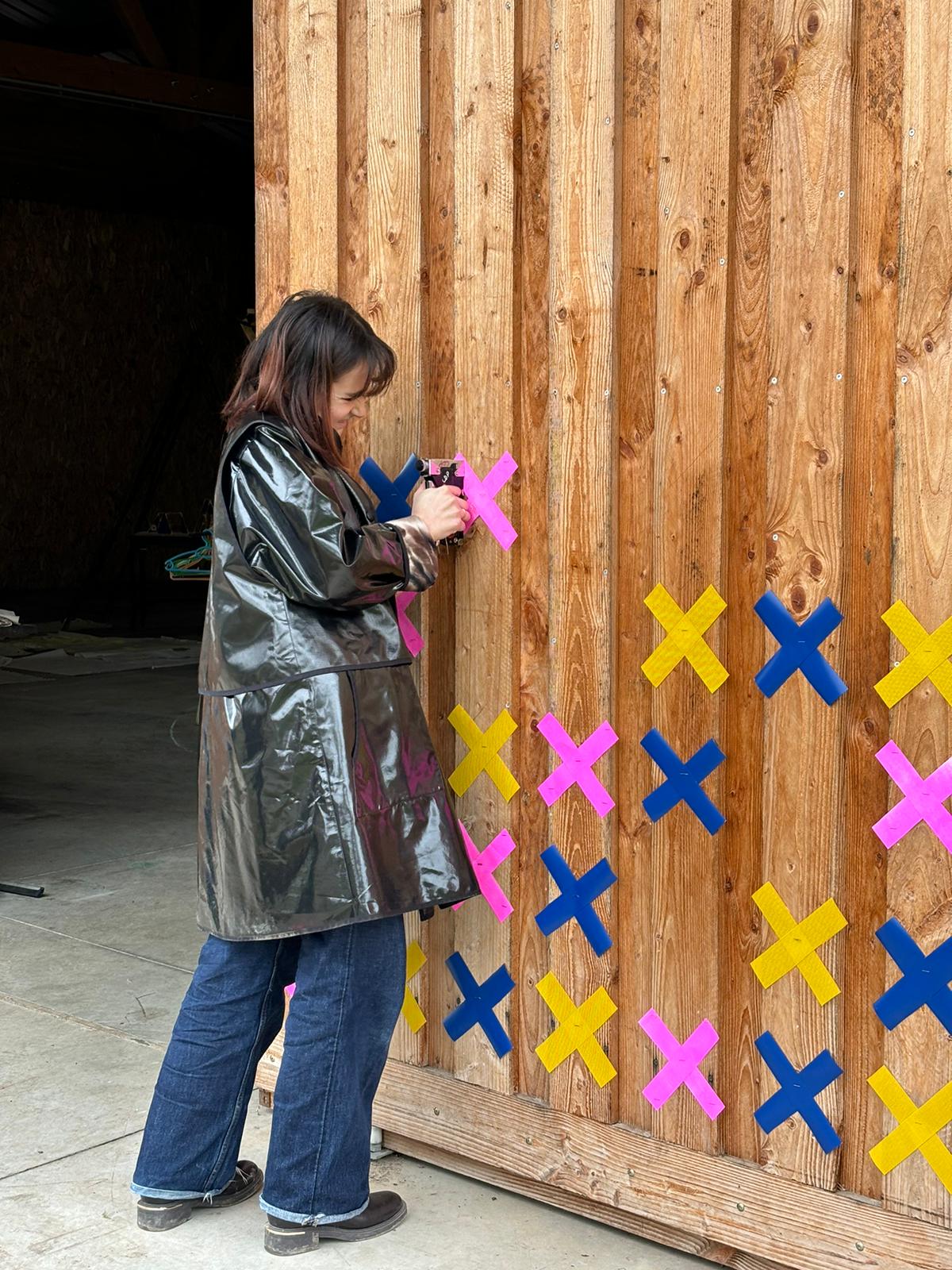
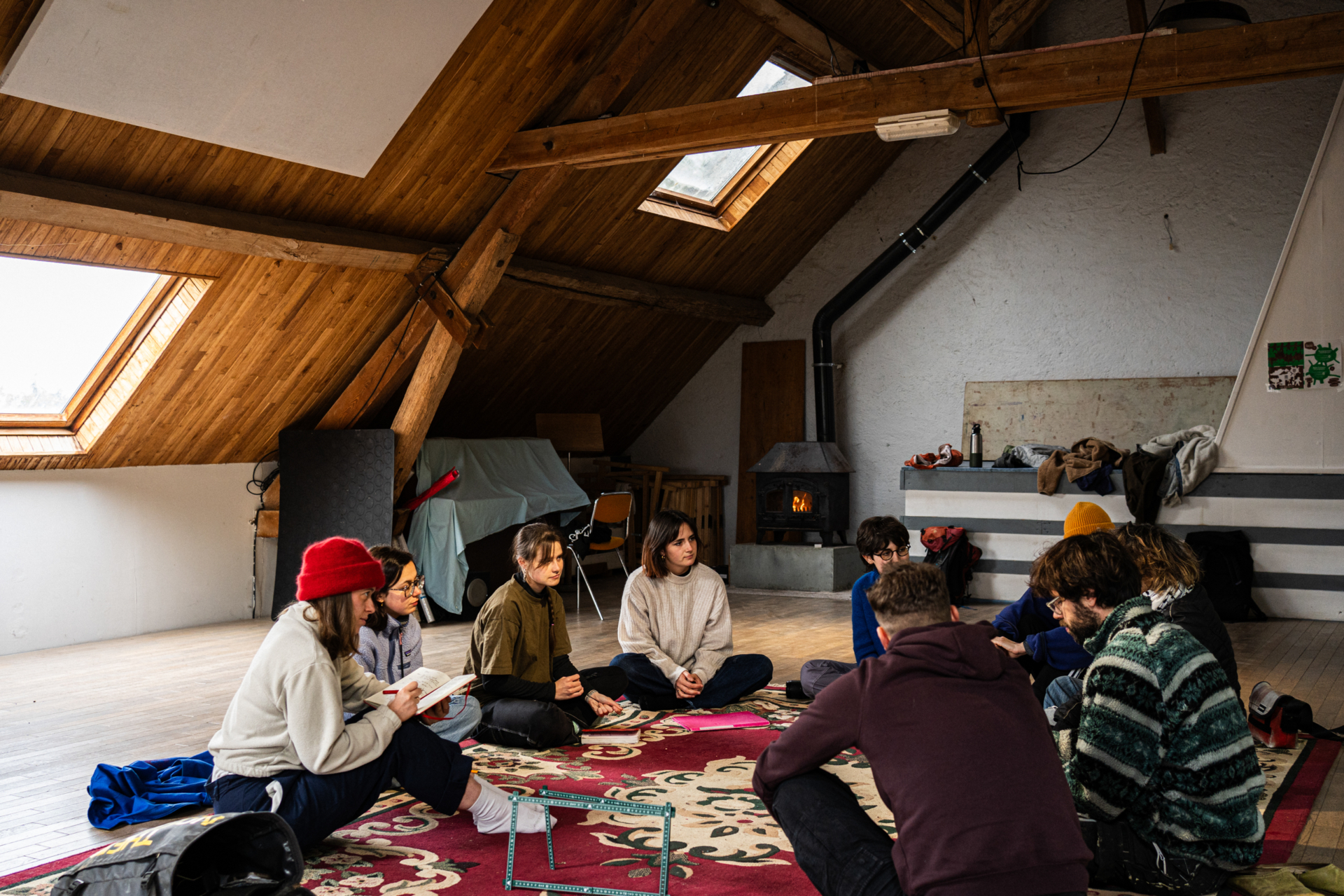
As usual, we try to develop ways of sharing and transmitting knowledge while remaining in a constant process of learning. Whether through timber construction, painting, or living together, we are always looking to learn.
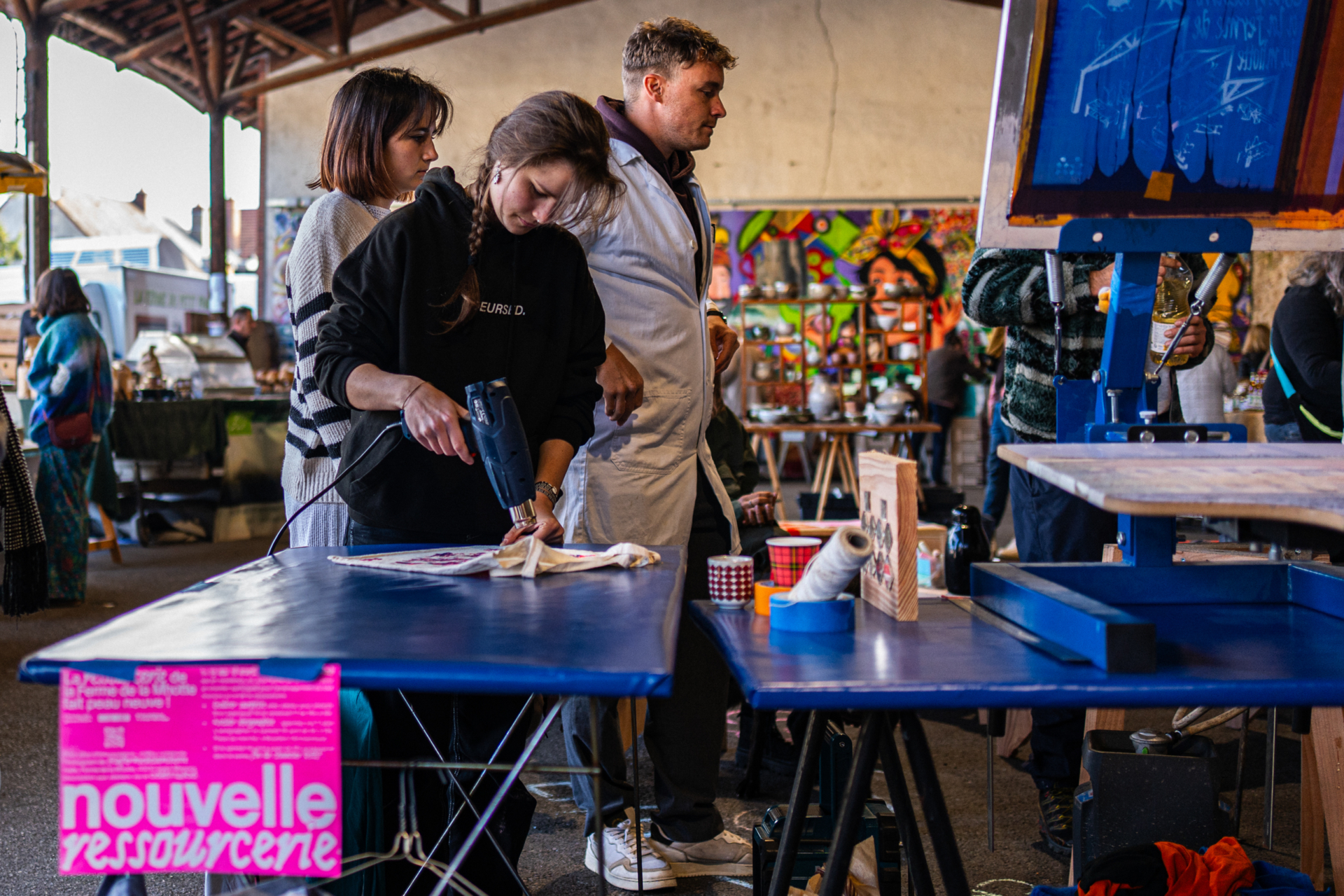
Through the knowledge and experiences of each participant in this workshop, we had the opportunity to discover and experiment with glass cutting, screen printing, and risograph printing. Or even tips in case of a wasp attack: Dani uses an onion and rubs it on the sting, Arthur says it should be heated, and Léonore applies clay and spreads it over the area.
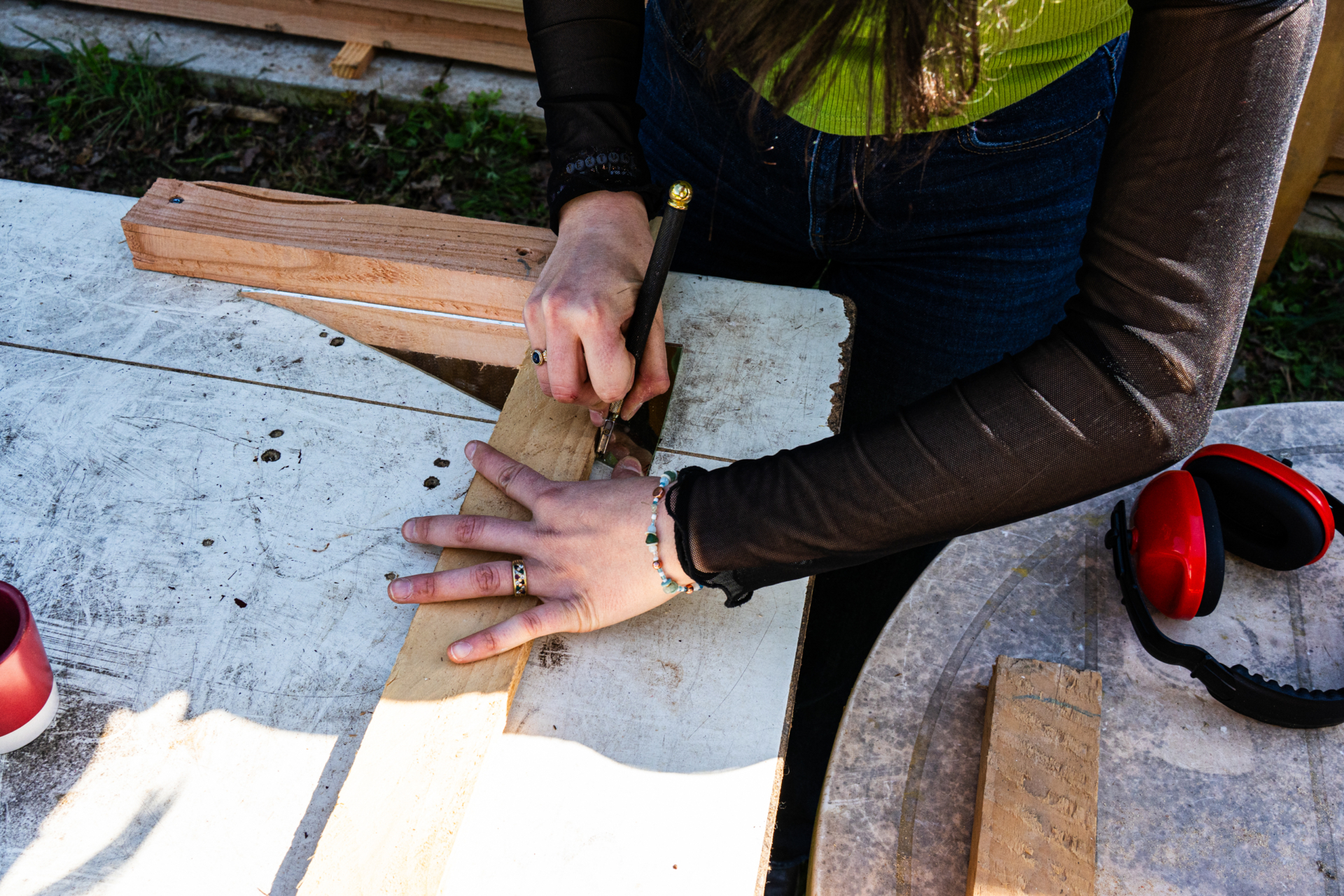
Glass cutting allowed us to shine in a thousand different ways! By cutting reclaimed mirrors, we created second-hand disco balls as well as numerous prizes for the bingo game.
Risograph printing, combined with the incredible talent of the graphic designers involved, enabled us to produce high-quality fanzines.
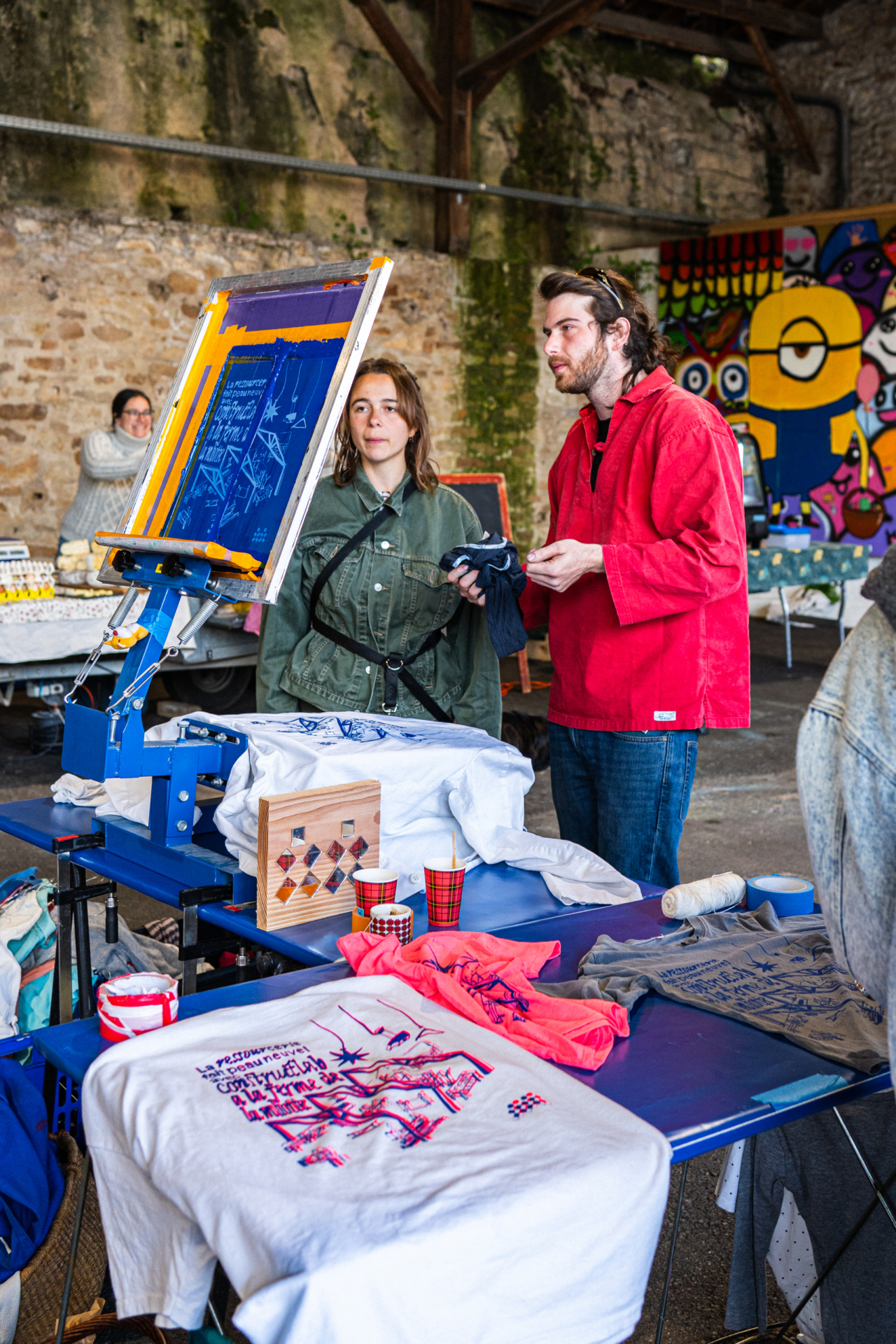
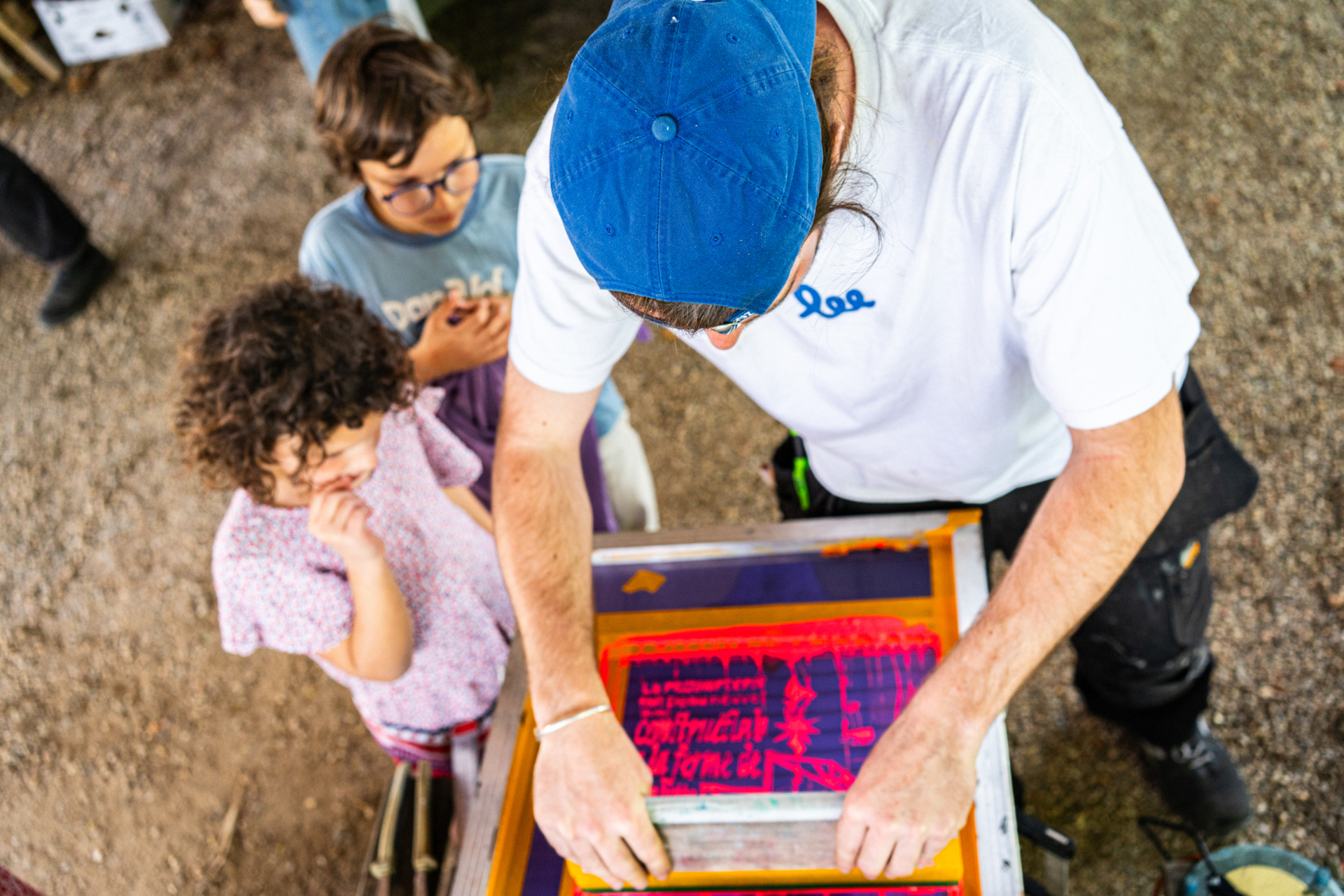
Screen printing, a recurring practice in ConstructLab workshops and building projects, is a way of leaving a tangible trace of these shared moments. Everyone can take something home with them and keep a physical memory of this collective experience.


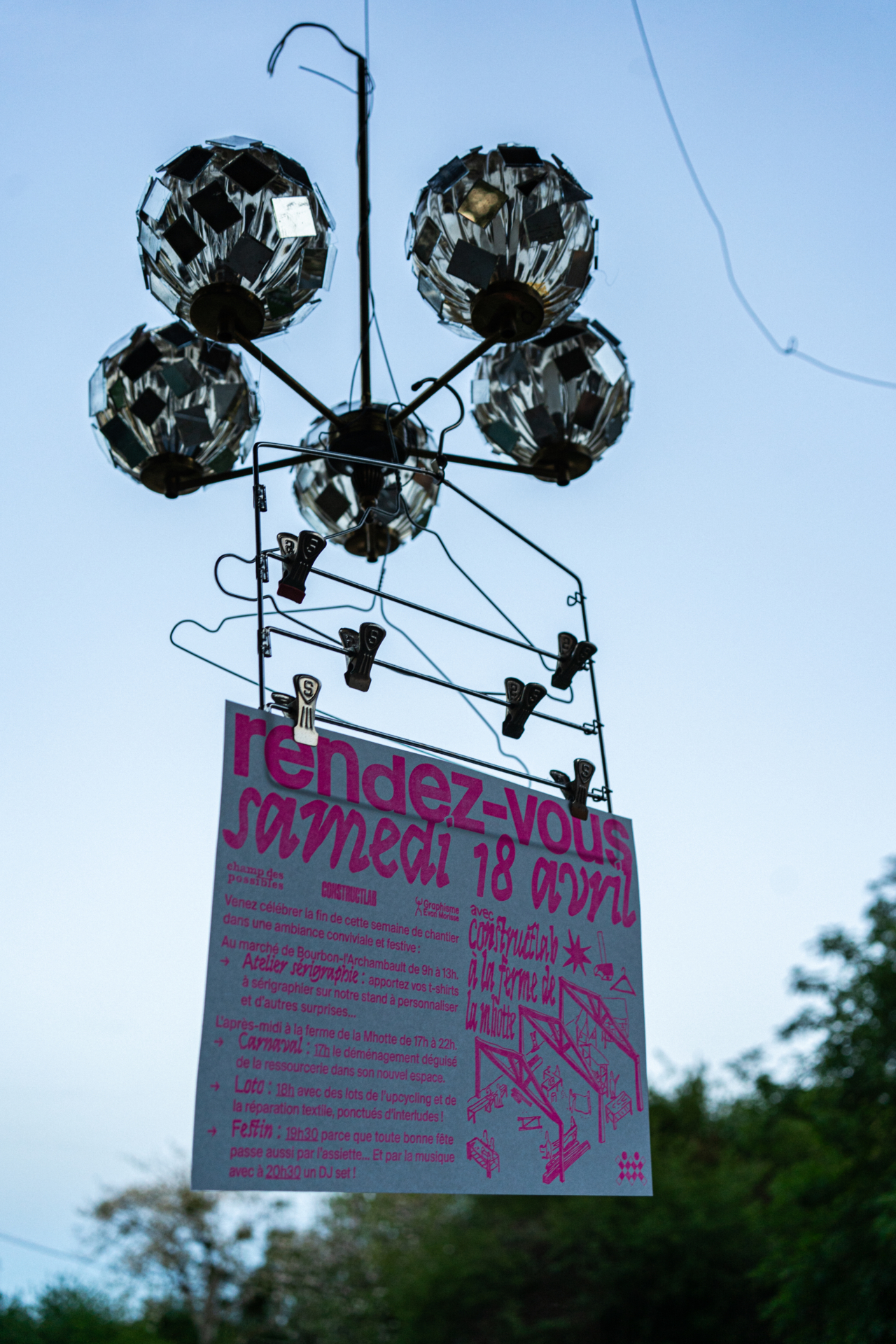
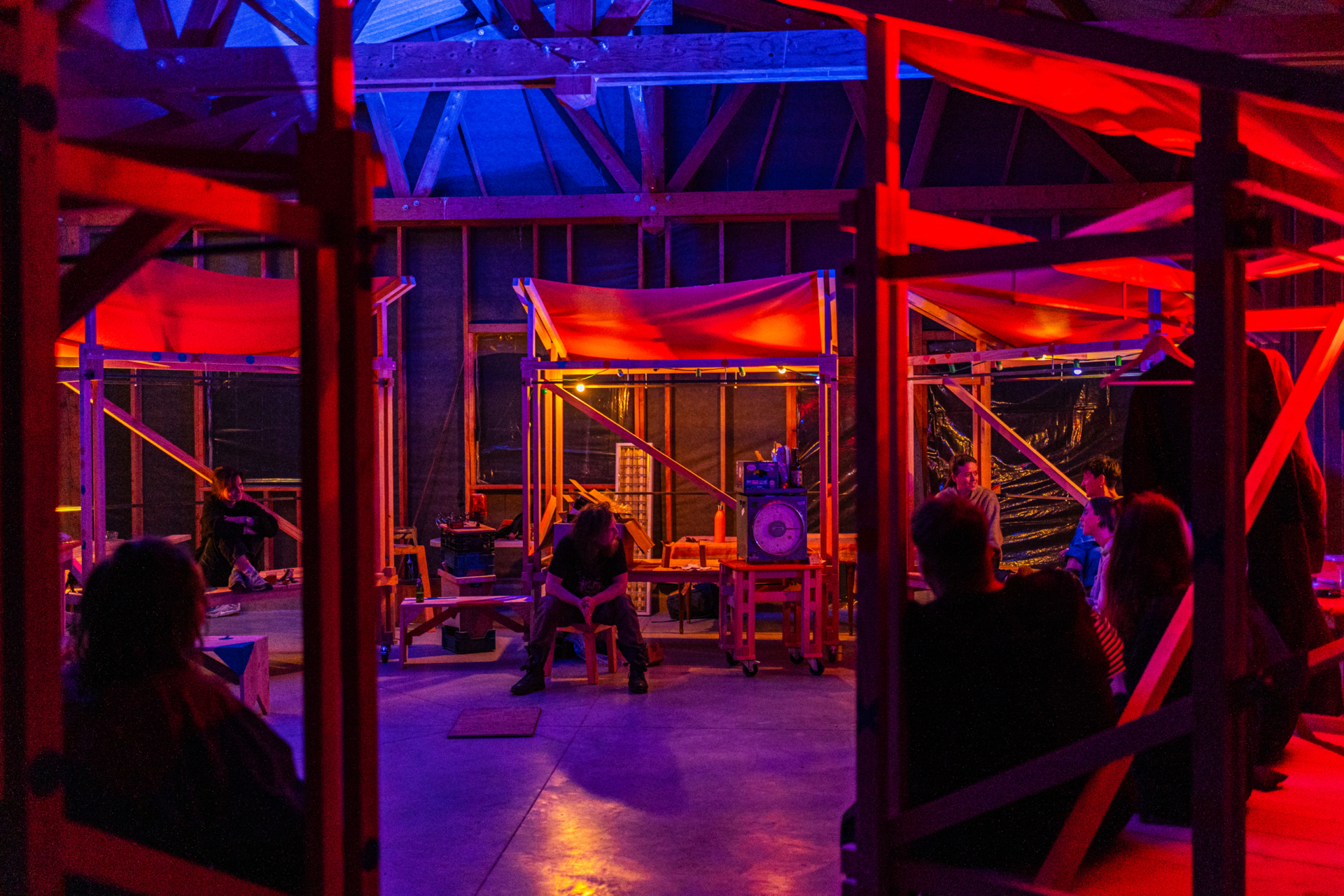
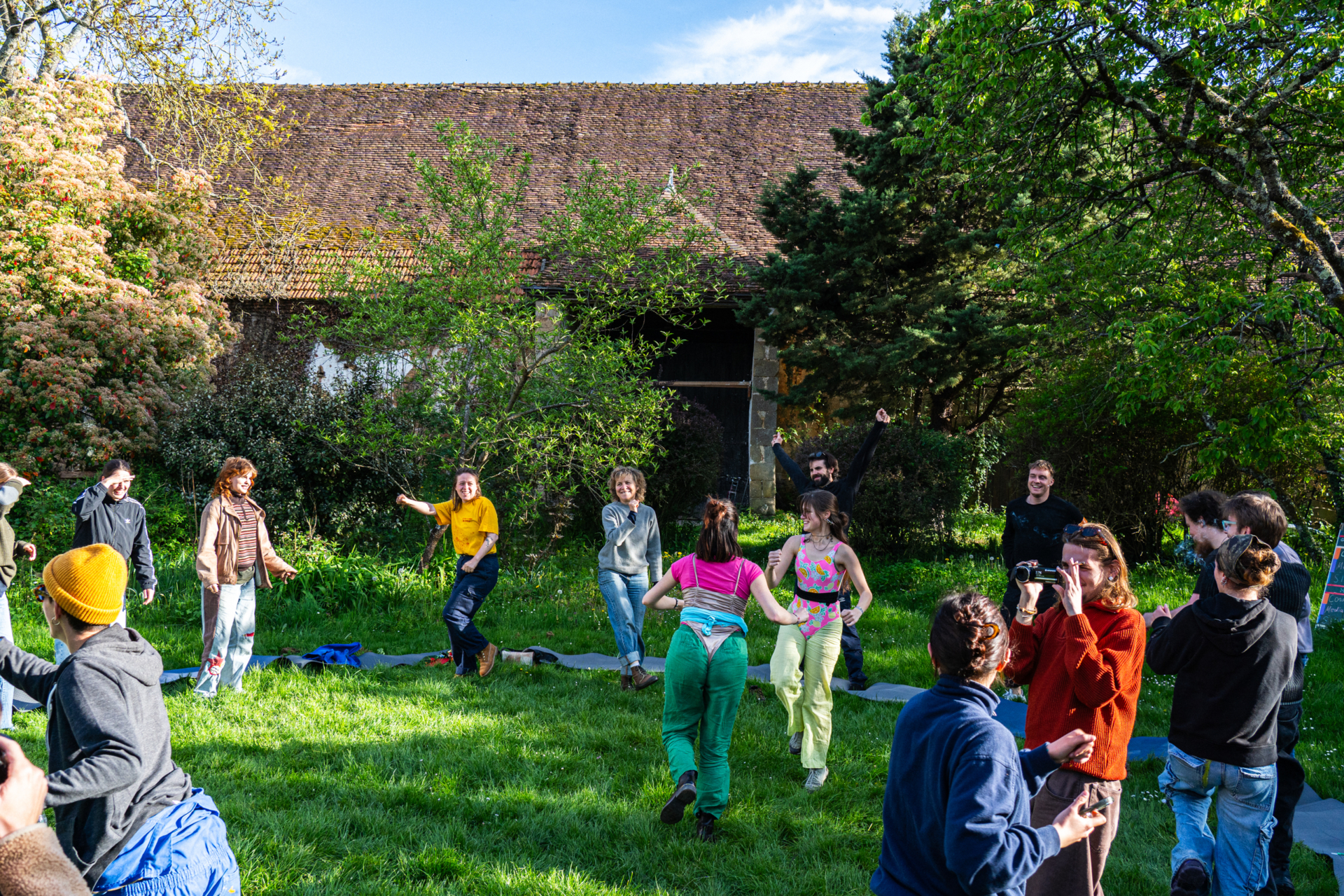

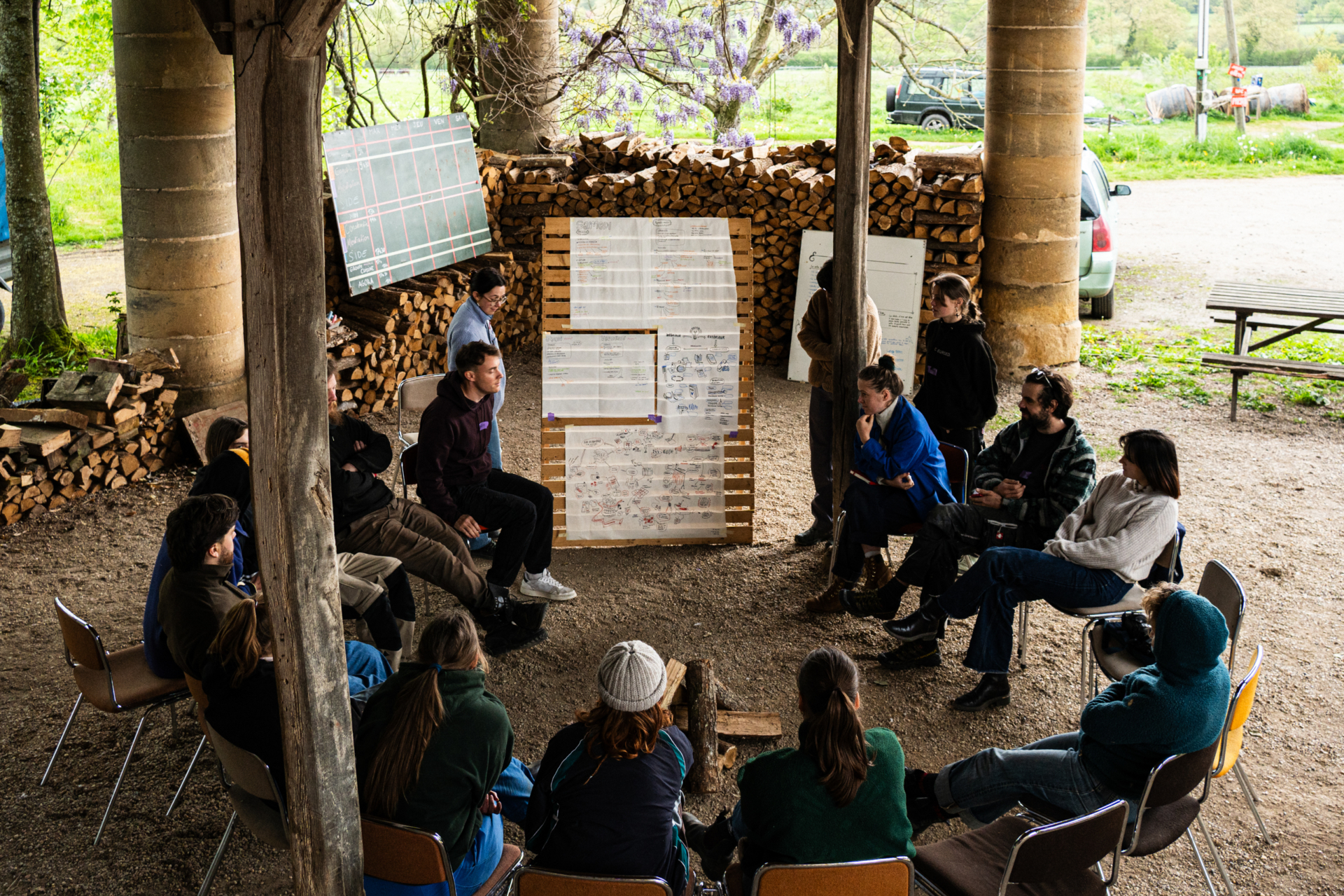

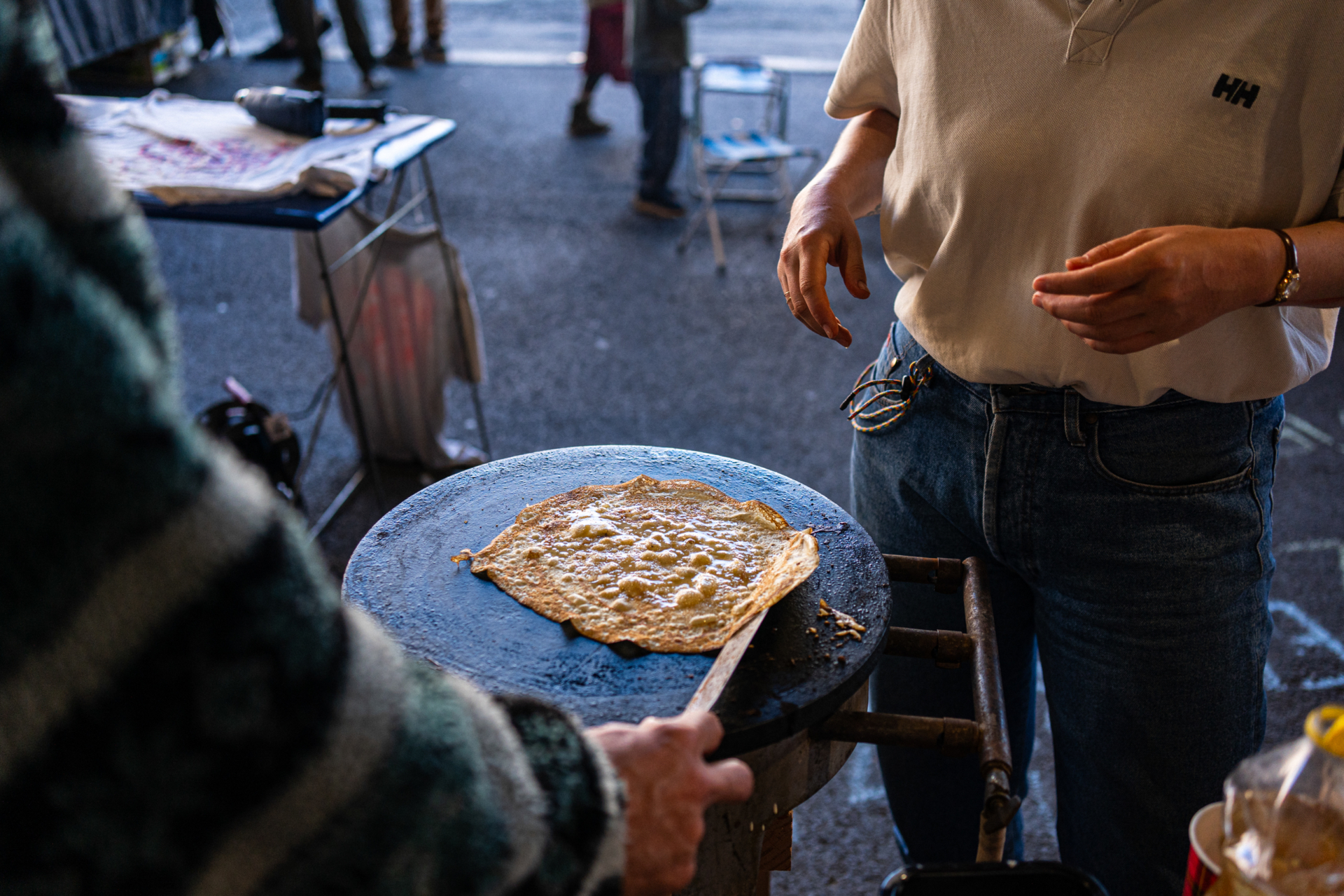
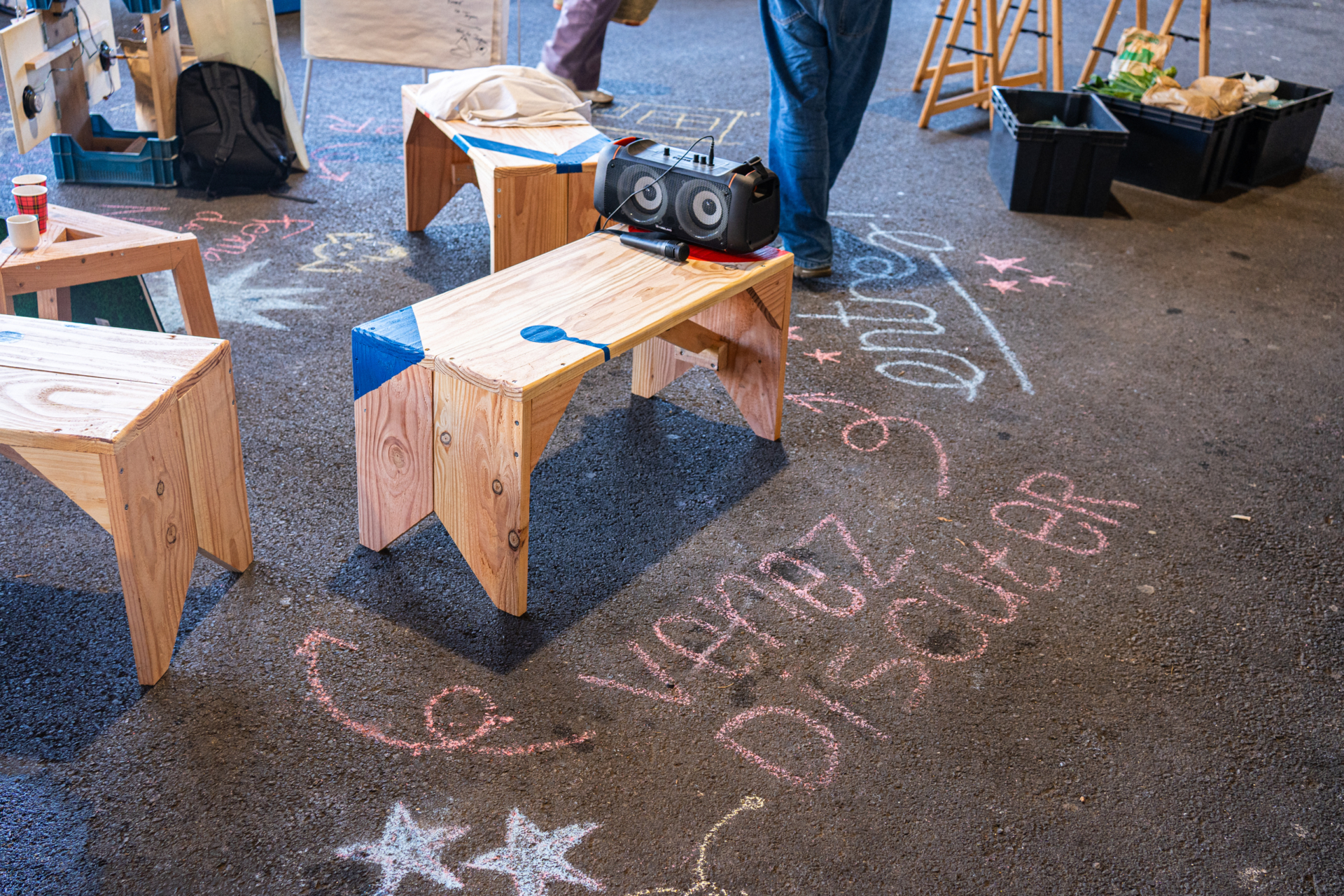
Pancake for a story, loto, karaoké


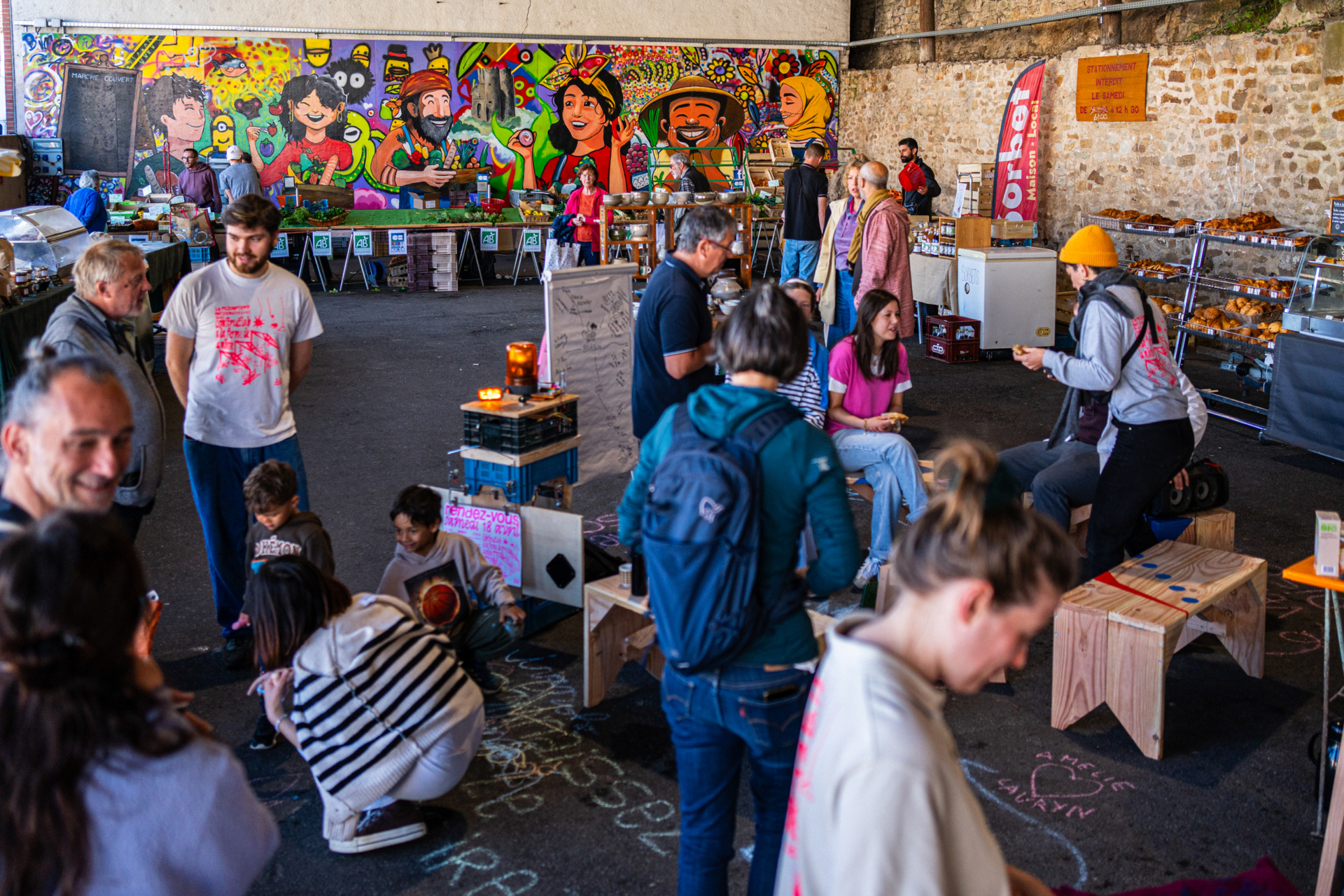
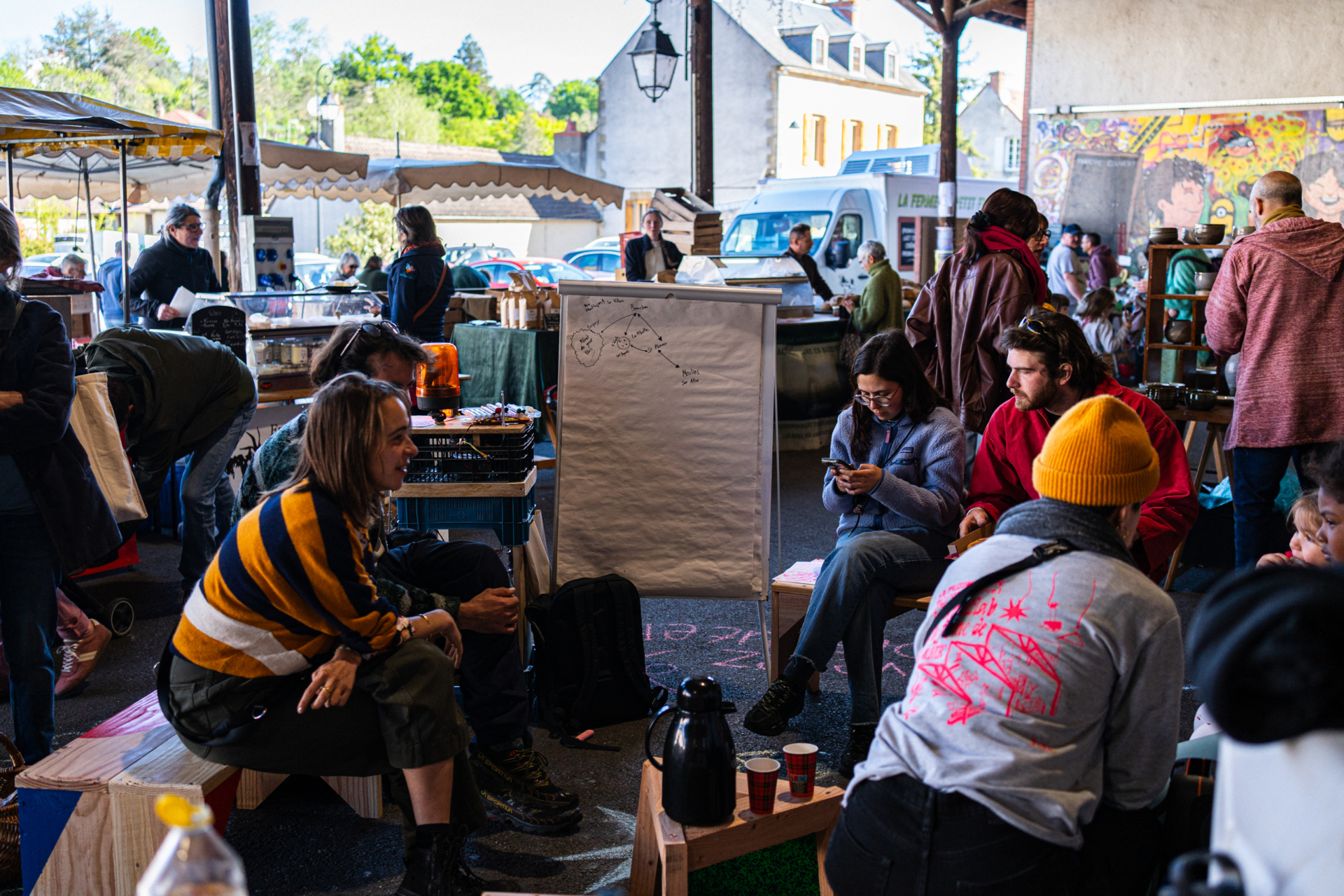
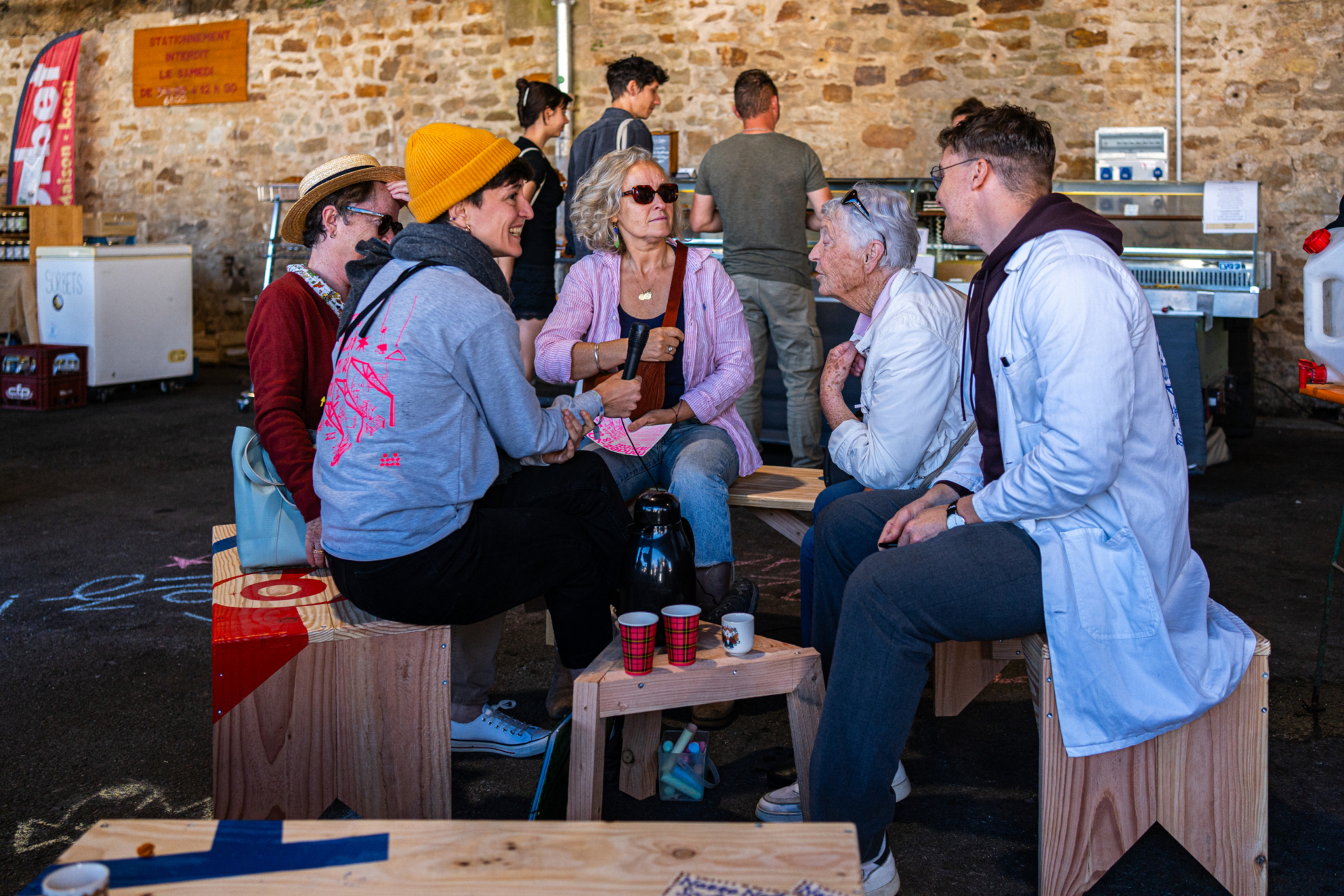
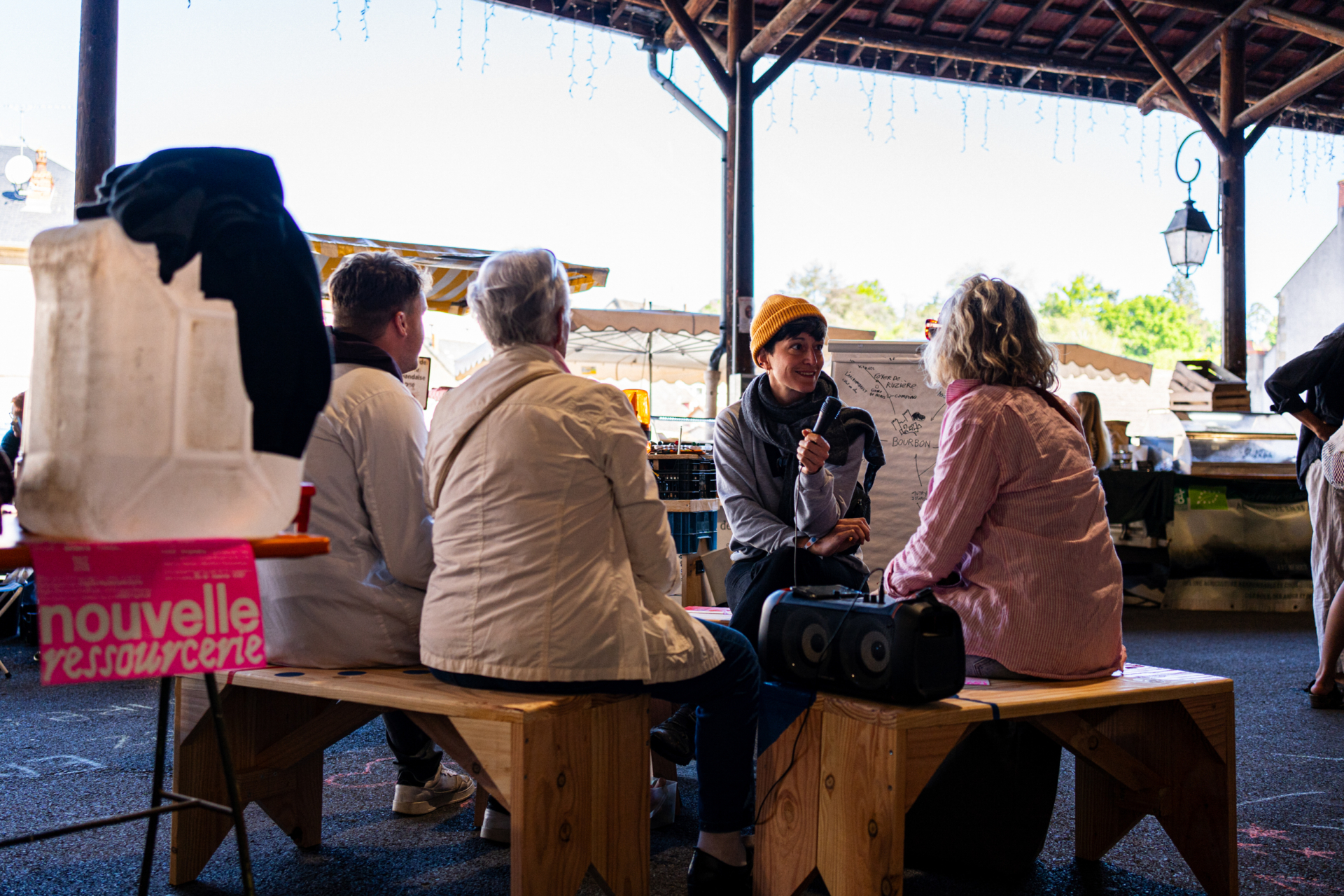
Partnership Association Champ des Possibles / la Ferme de la Mhotte / ESDMAA / Constructlab. Funded by the European Union and the Goethe-Institut, and AMI Textiles 2025 d’ESS France.
Thanks to all participants :
Design workshops : Yann Flament, Célia Lépine, Ines Legros, Juliette Madeira, Gaël Bellouard, Isaure Jouffray, Cornier Charlotte, Cassandre Ribeau, Louis Lorme, Bertille Rambaud, Anne Sauban, Bruno Gambetta.
Construction workshop : Yann Flament, Célia Lépine, Juliette Madeira, Cassandre Ribeau, Louis Lorme, Anne Sauban, Bruno Gambetta, Sasha Pollet, Evan Morisse, Helena Karstel, Henriette Herr, Charlie.
This work was produced with the financial assistance of the European Union. The views expressed herein can in no way be taken to reflect the official opinion of the European Union.