Project
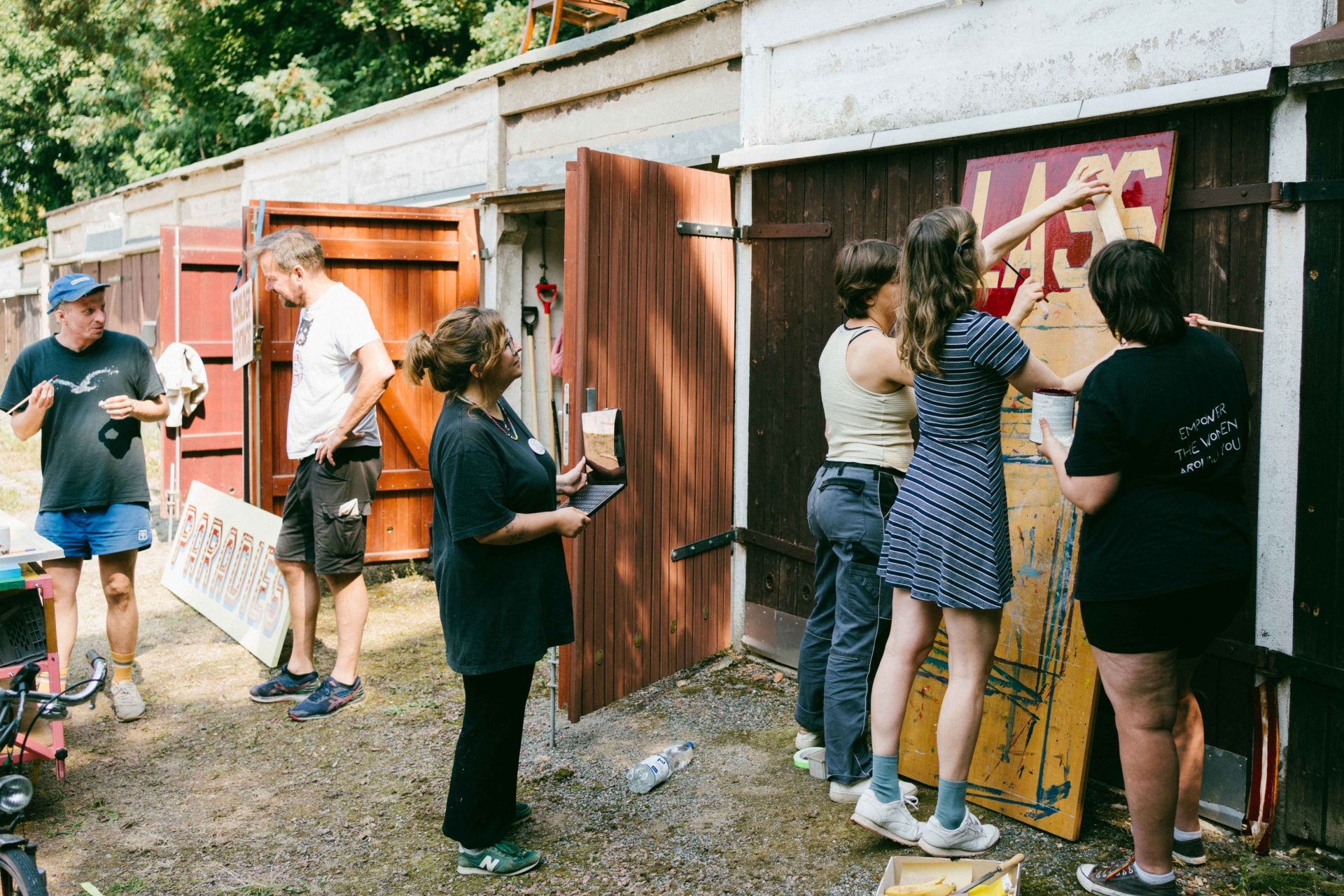
Summer school in the context of the European Capital of Culture 2025 in Chemnitz as part of the flagship project #3000Garages. Over a week, participants explored the particular typology of the garage and developed experimental new imaginaries.
The School of Garage explored the potential of Garages in the format of an Atelier Collaborative. In nine Garage Ateliers artists, designers, architects, scientists, activists, and local communities were invited to come together. Each Garage explored a different theme – they became laboratories for ideas and action where local knowledge meets creative research. The temporary ateliers, each hosted by an invited team of tutors (see below) were open during a one week workshop. The results were shared in a public exhibition and presentation at the end of the week.
There are around 30,000 garages scattered across Chemnitz. These simple, modular concrete structures are often arranged in rows or clusters of varied sizes. They were collectively built during the GDR era through grassroots initiatives and the financial efforts of the people. Over time, they have evolved to serve purposes beyond storing cars. Today, they are an essential part of the cultural identity of eastern Germany, serving as containers of memories, spaces for communities, and informal places of learning and creativity. In a time of resource scarcity and growing interest in the circular economy, these modest structures offer a powerful starting point for rethinking how we live, make, and share our space.
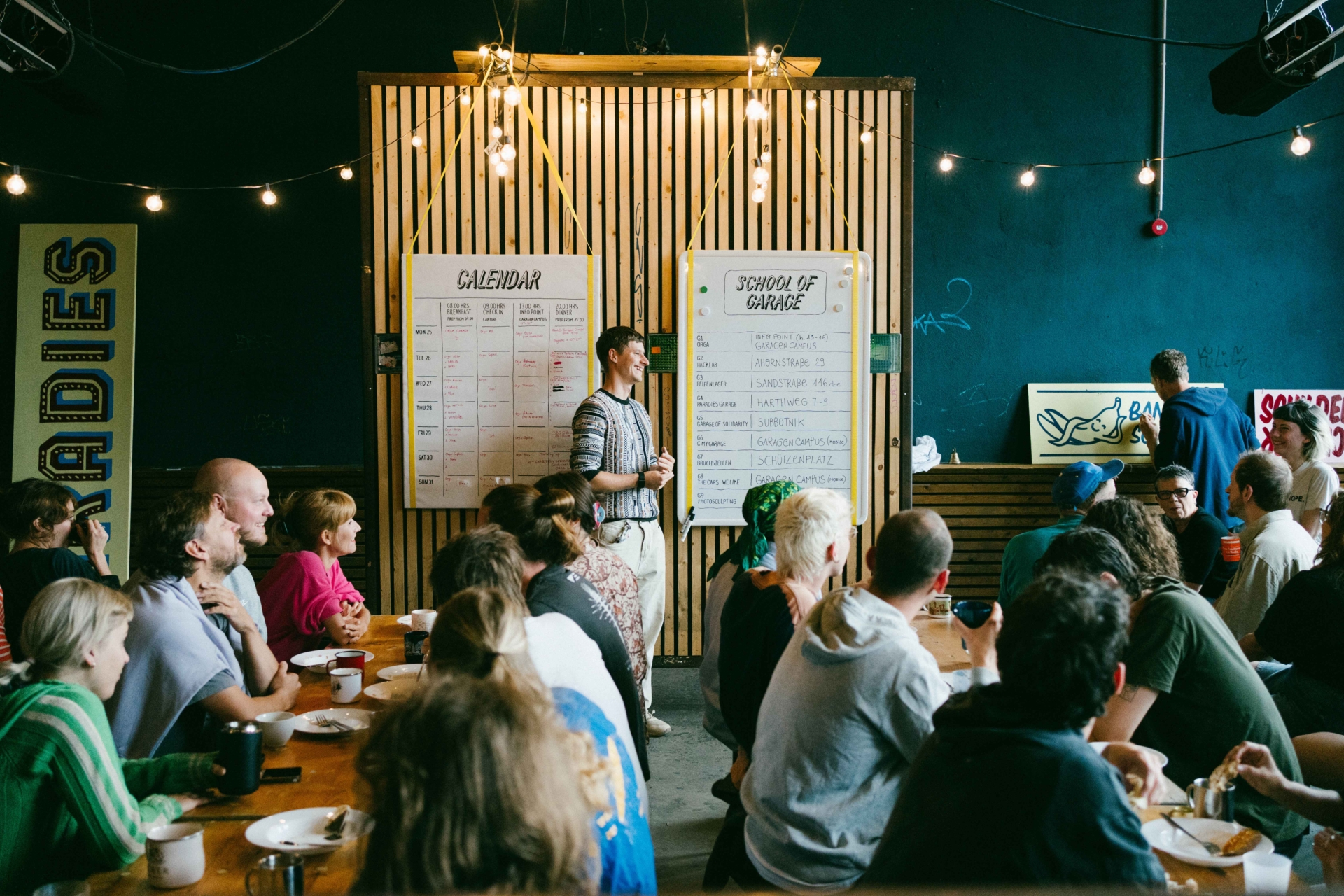
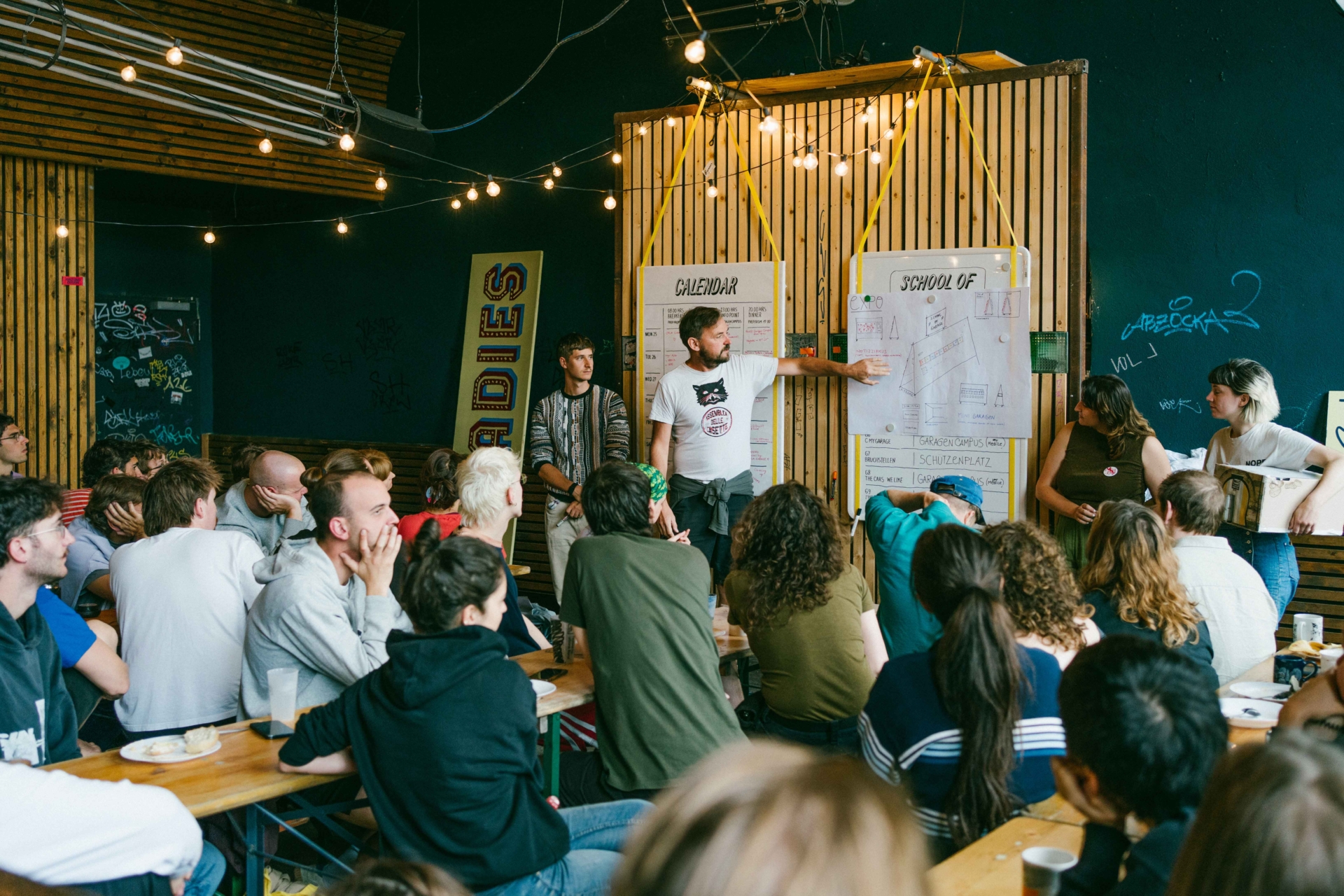
“Ateliers Collaboratives” align with traditions of active learning, offering hands-on, community-rooted educational experiences. The Atelier Collaborative offers skills and vital democratic competences: negotiation, cooperation, and civic engagement. Could a Collaborative School model, which is grounded in local action, ecological awareness, and community participation, redefine education? Can such spaces foster learning environments where making, learning, and living converge? Constructlab’s approach offers a glimpse of what such a school could look like: open, collective, adaptive, and deeply rooted in shared practice.
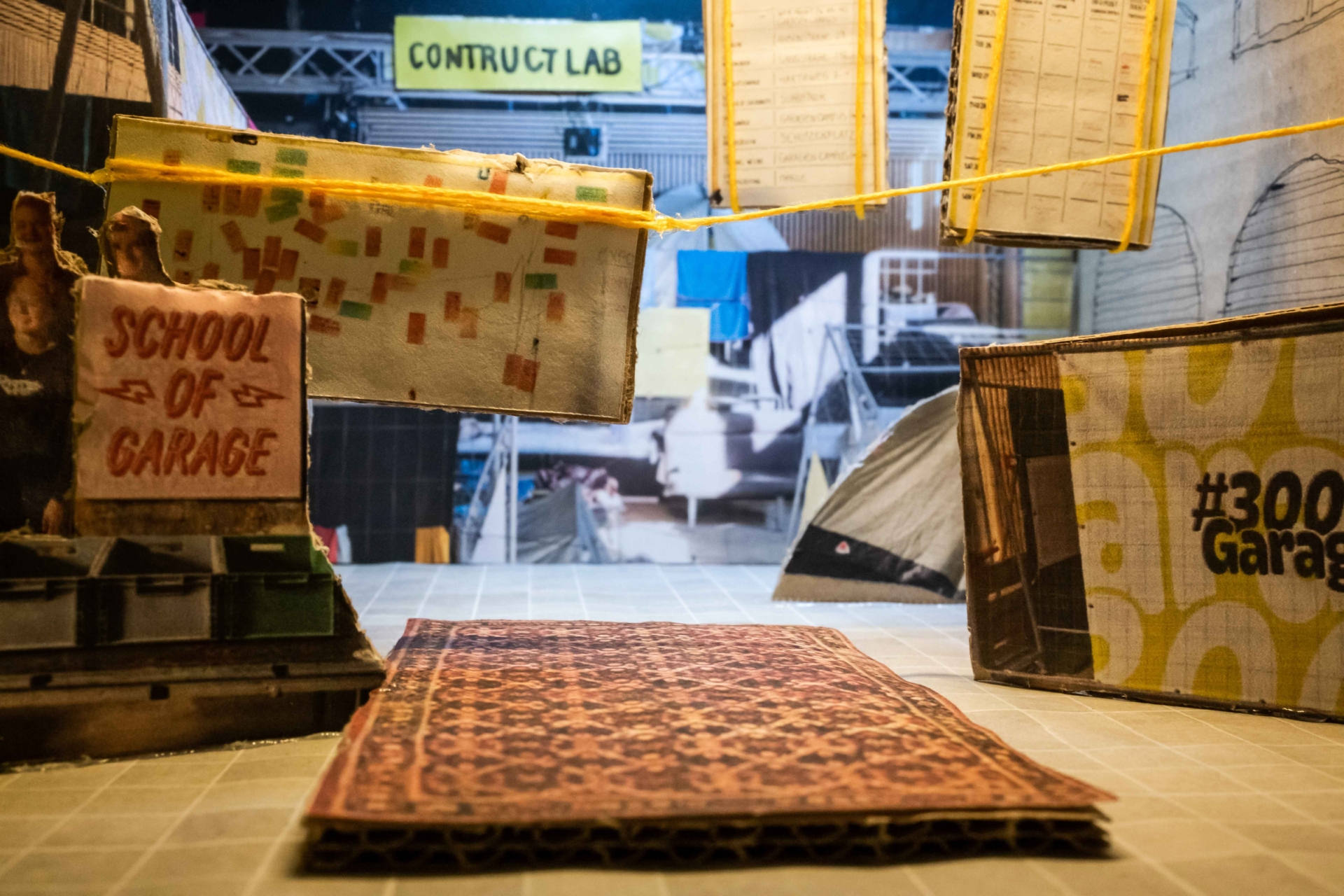
with Constructlab (Alex Römer, Sophie Netzer) & Team #3000 Garagen
We took care of the organisation and coordination of the summer school, facilitated round tables, gatherings, and communication internally and towards the public. Our aim was to foster a collaborative atmosphere, create shared moments, support the infrastructure of the summer school, and prepare the final exhibition together with the other garages.
with Dominika Sobolewska, Karin Pisarikova & Team of Chaostreff Chemnitz
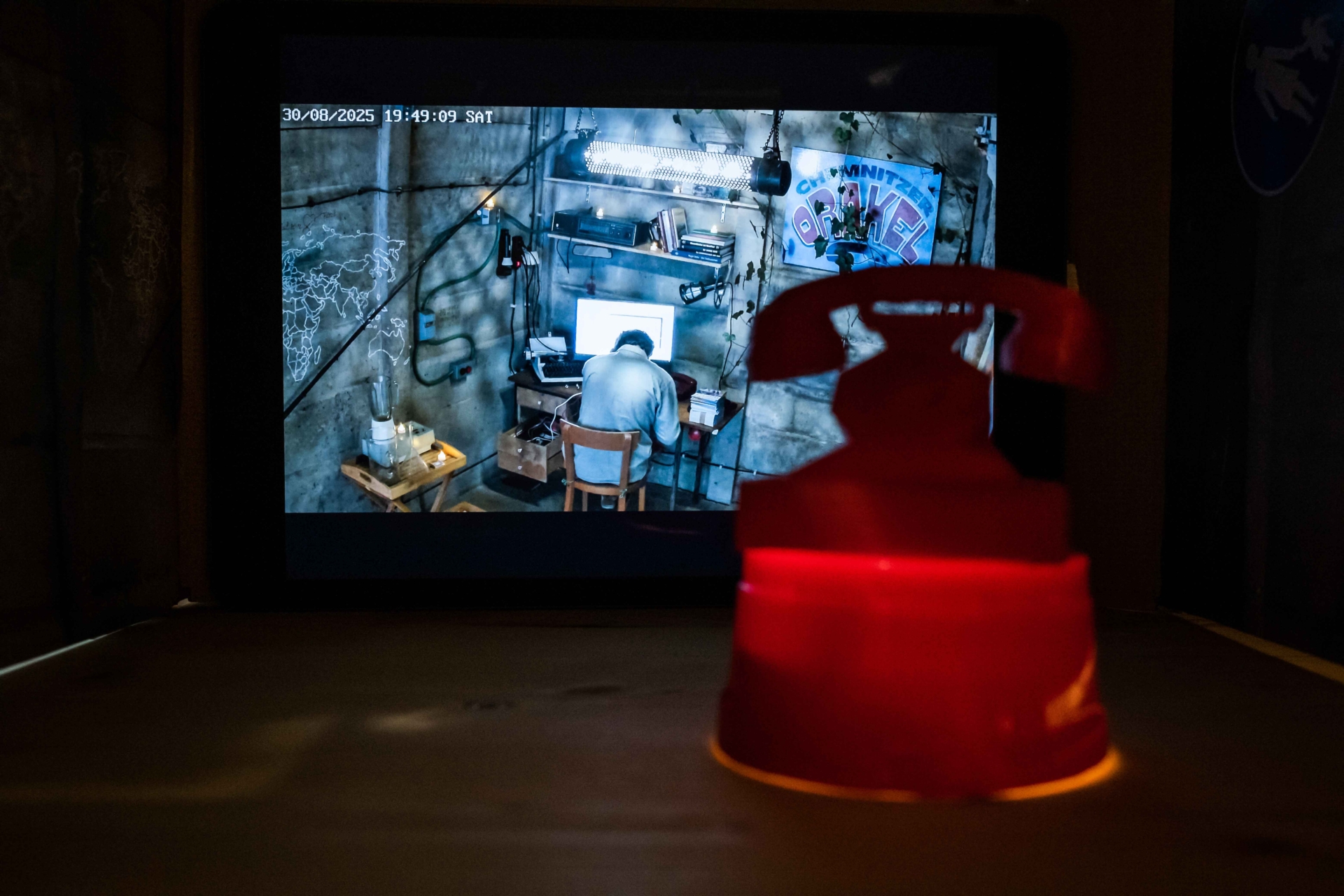
We created an open technology atelier for coding, building, and experimenting together. In collaboration with Chaostreff Chemnitz, we transformed garages into spaces for collective interventions. The makerspace became a site of social play, collective action, and upcycling, where old sentimental objects came alive as mediators between the past and an imagined future, between the memory of garages and the hope of a new generation, gaining new roles as well as an aura of mystery and ceremoniality.
with Guerilla Architects (Anja Fritz, Silvia Gioberti) & Bagalut Customs Chemnitz
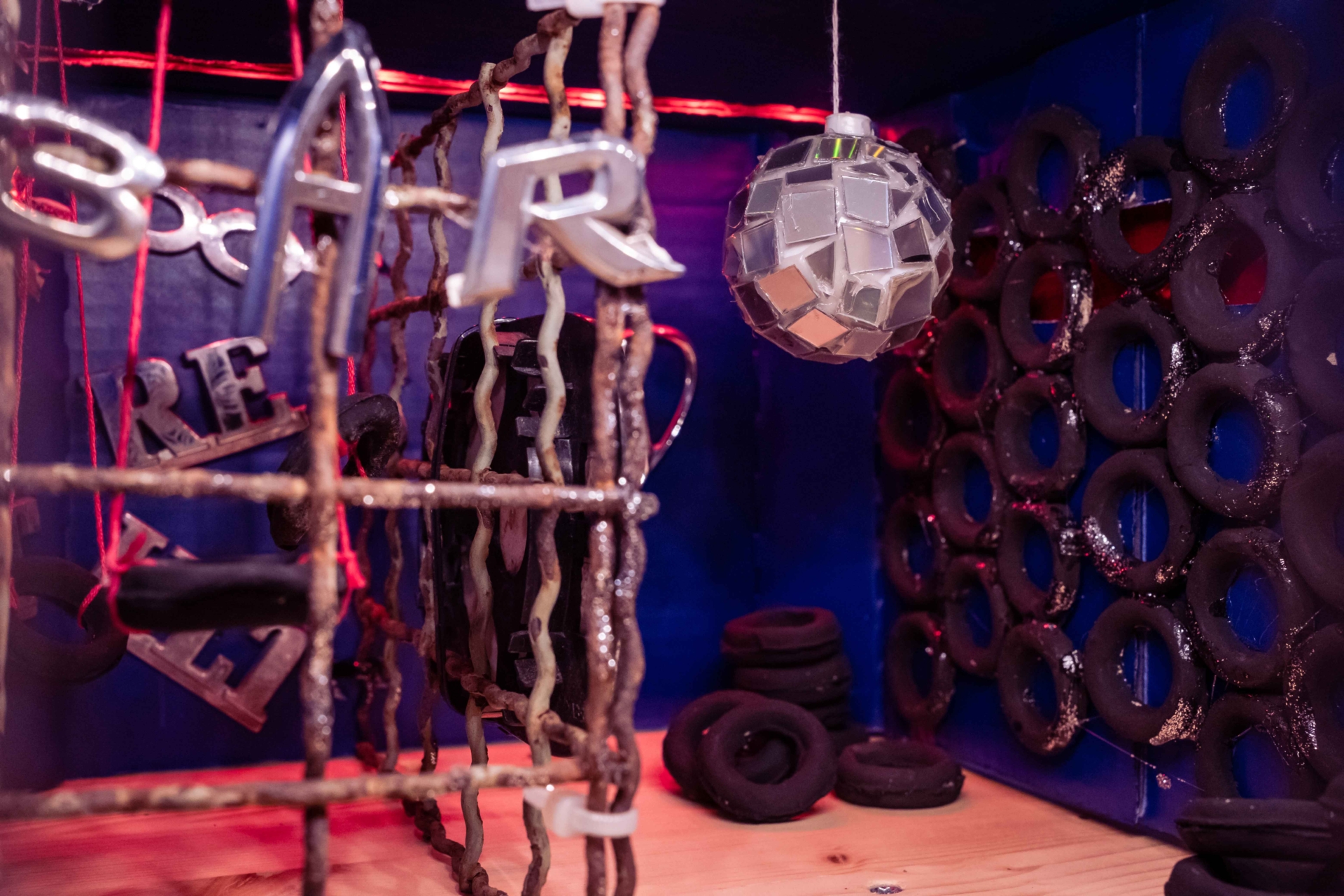
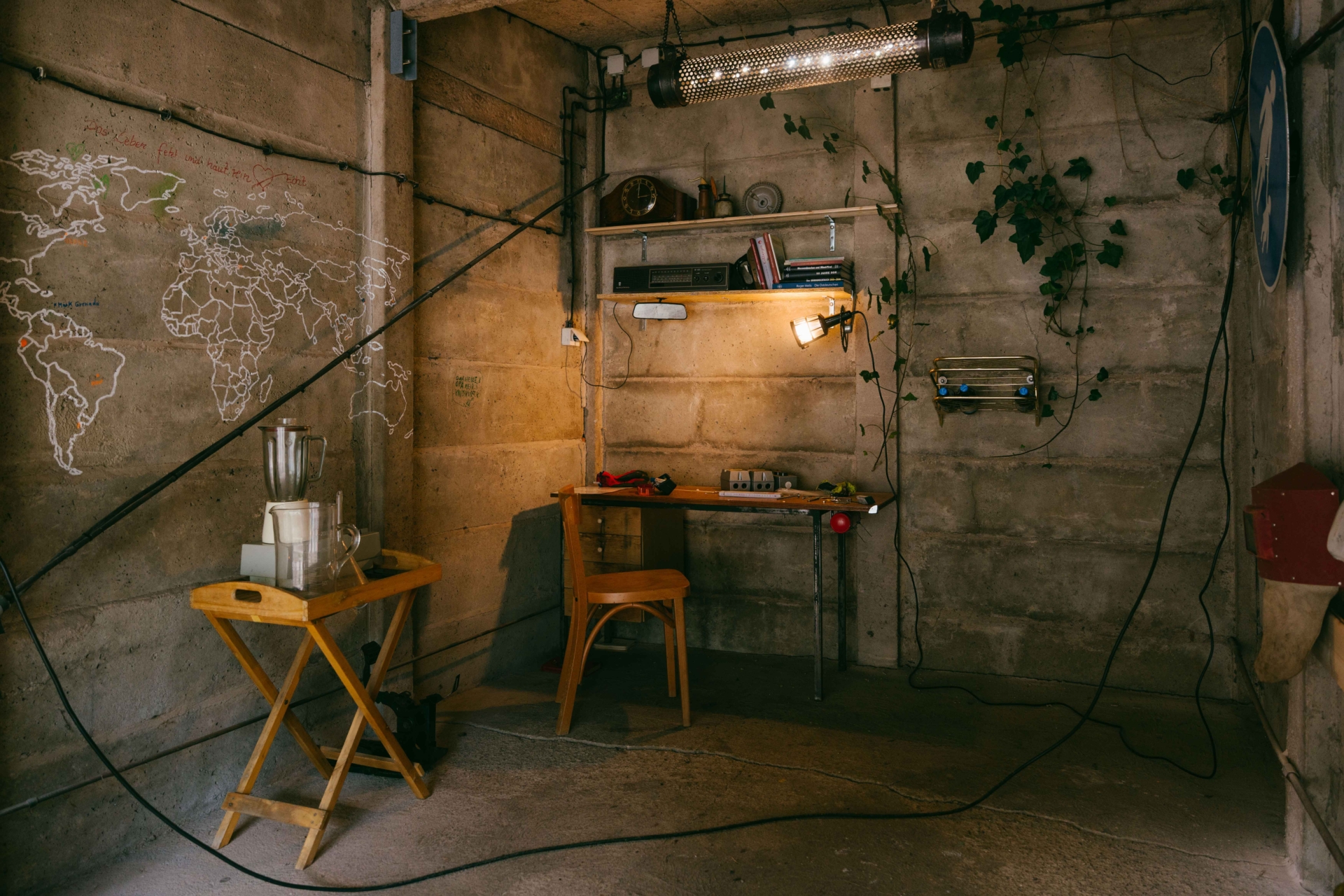
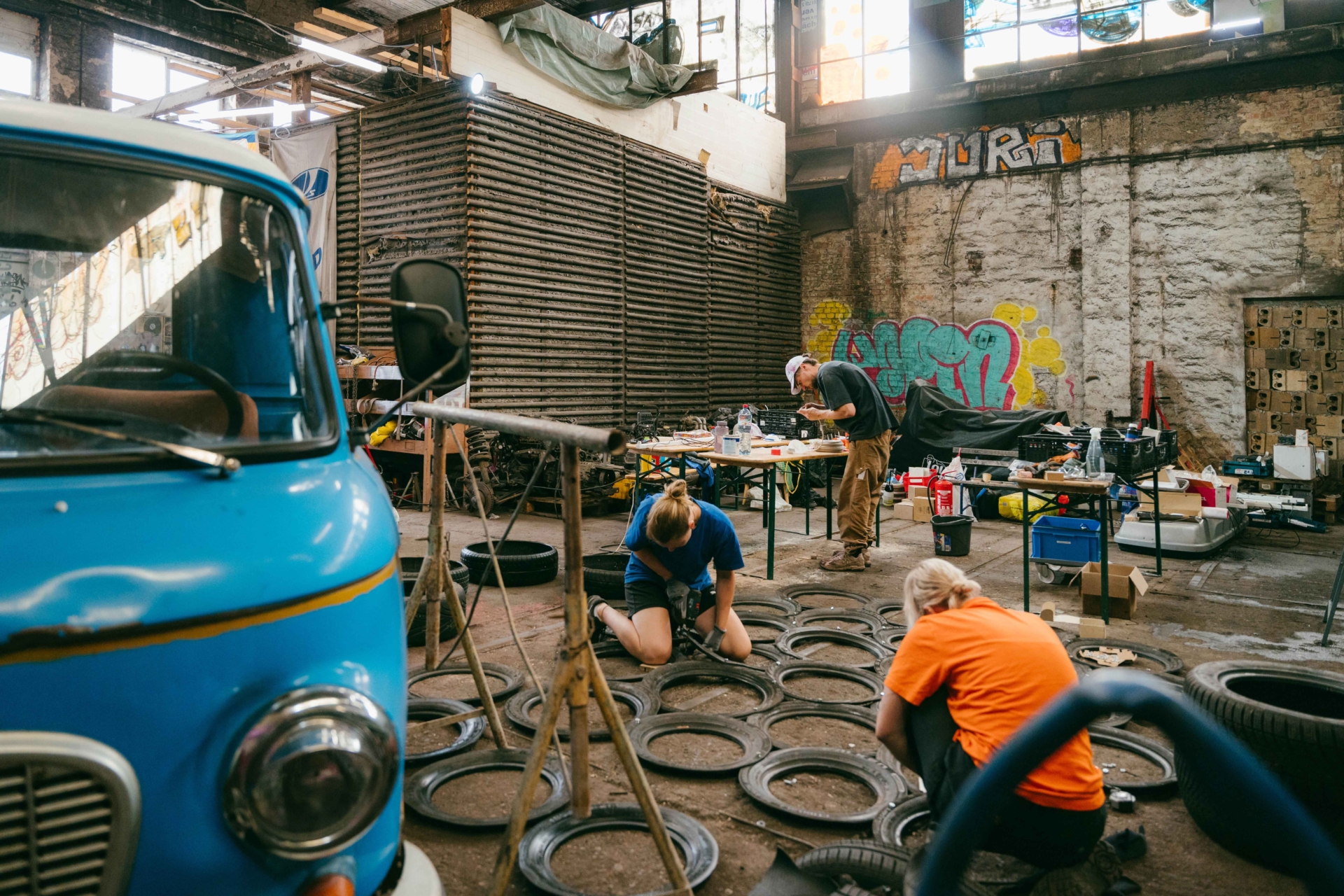
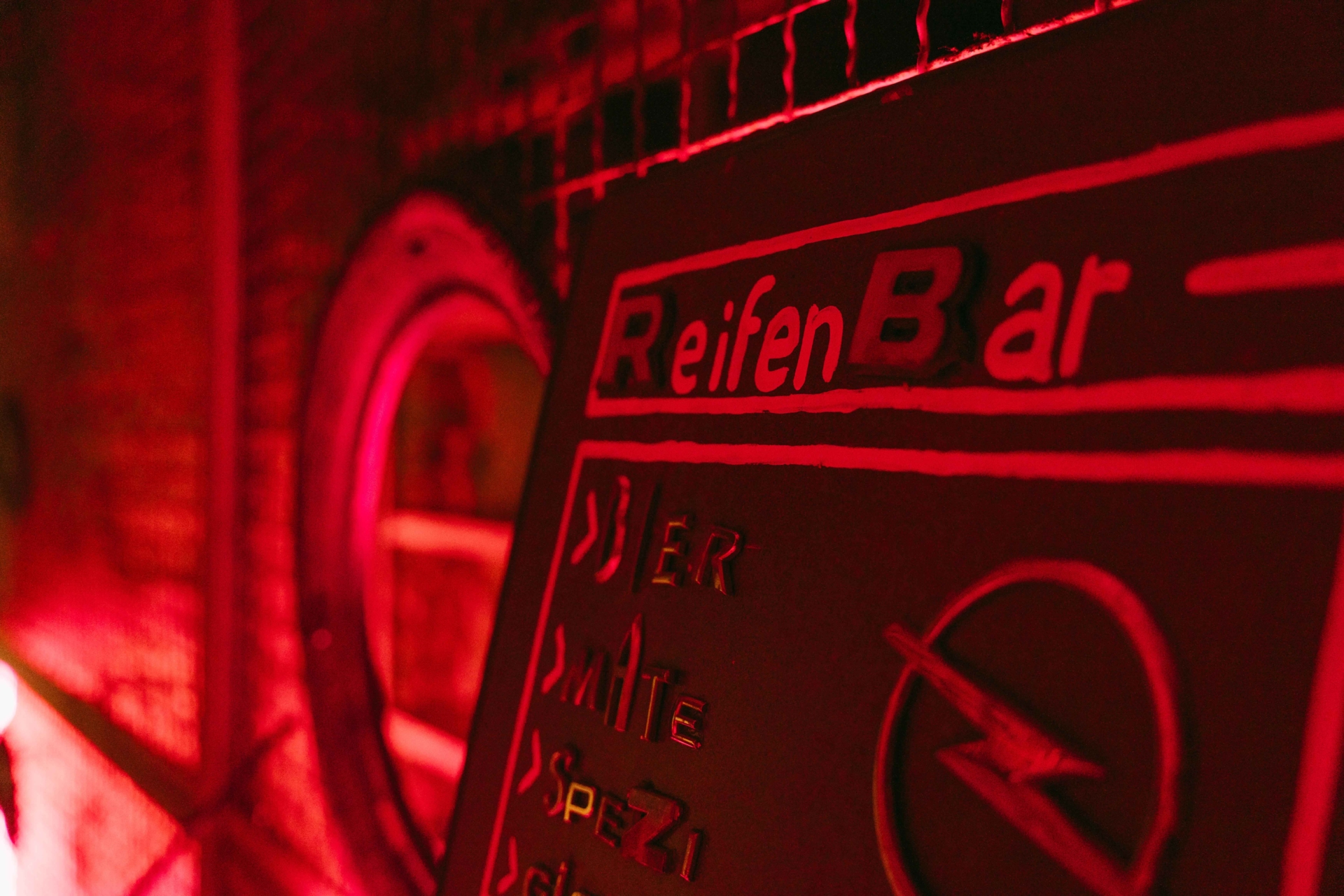
In collaboration with Bagalut Customs, a local car tuning community, we transformed an unused basement beneath their garage into a permanent self-organized space for young people in Chemnitz. Working with repurposed materials — tires, car parts, scrap metal, mirrors… sourced from local junkyards — students and the Bagalut community collectively designed, built, and activated a Drum & Bass club, complete with dancefloor, DJ booth, bar, and outdoor BBQ area. Construction, technical infrastructure, and community-building unfolded as one shared process.
with Luise Rellensmann & Jens Casper (authors of Das Garagenmanifest)
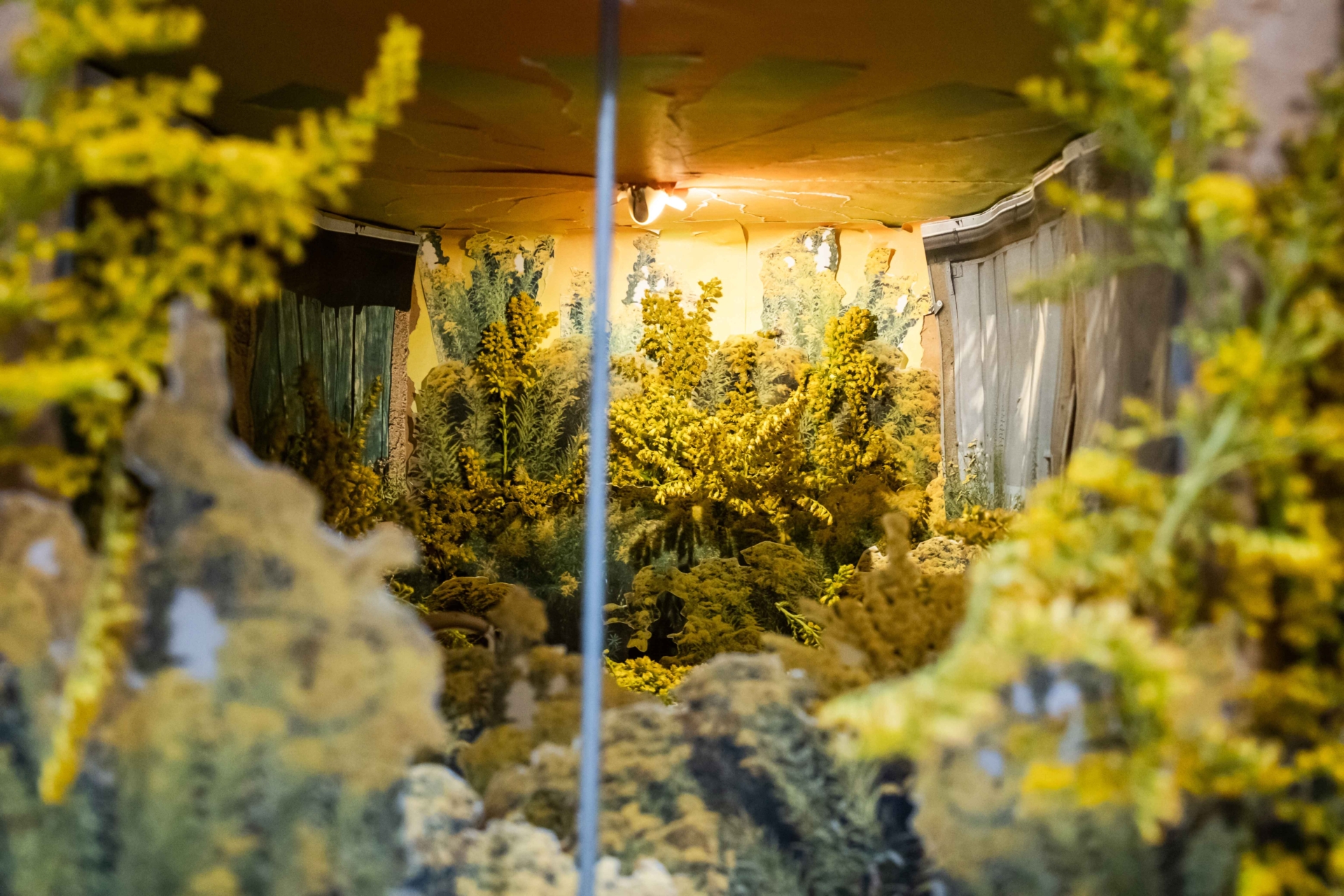
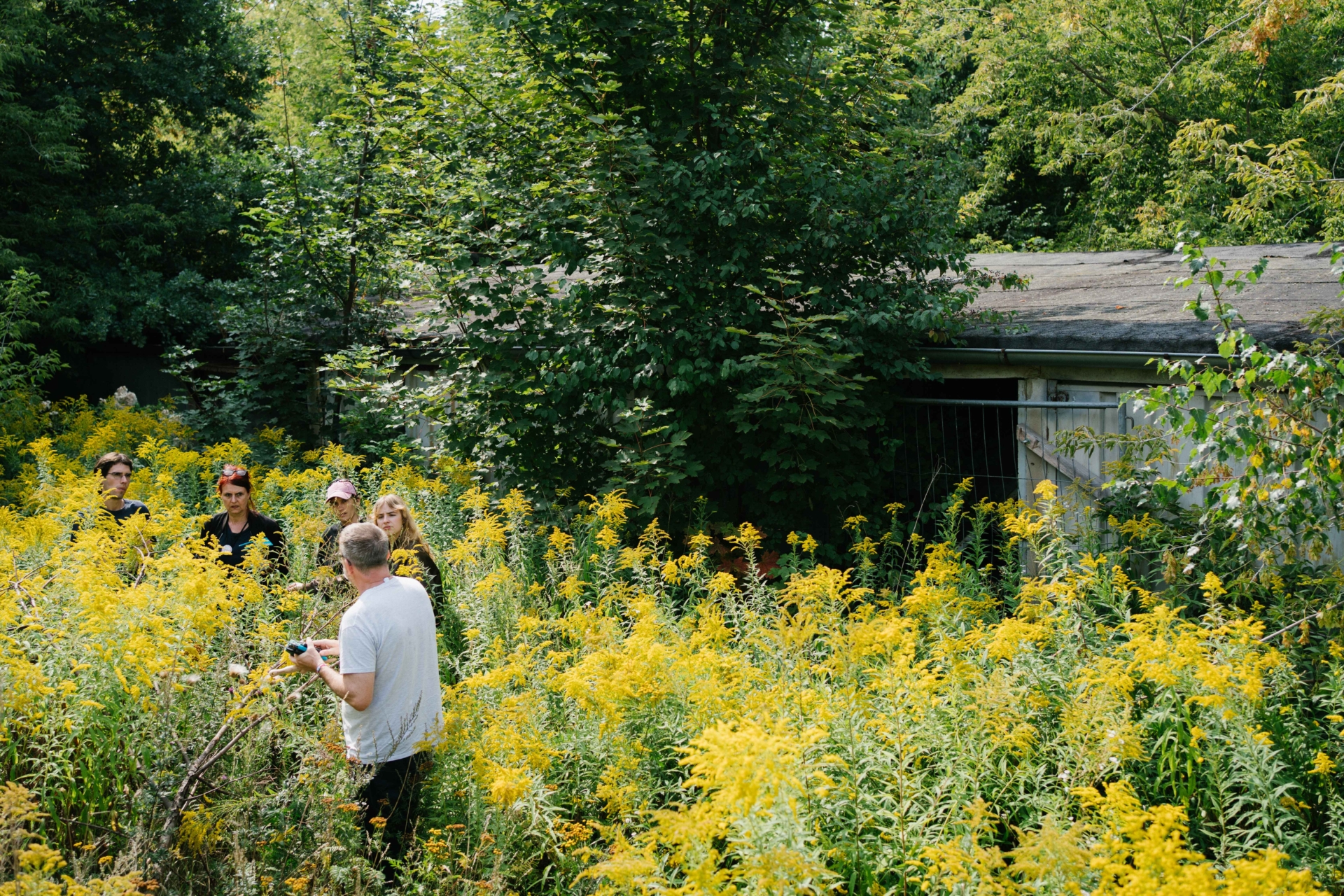
We combined a discussion about conservative and progressive architectural concepts with an appreciation of wild growth in neglected garage facilities. During the summer school we cultivated a small paradise, created a (living) herbarium, a mapping of biodiversity, a co-habitative manifesto of life and vitality in the cracks and gaps of the Chemnitz garages.
with Kiosk of Solidarity (Moritz Ahlert, Jan Stricker) Bordsteinlobby e.V. & Subbotnik
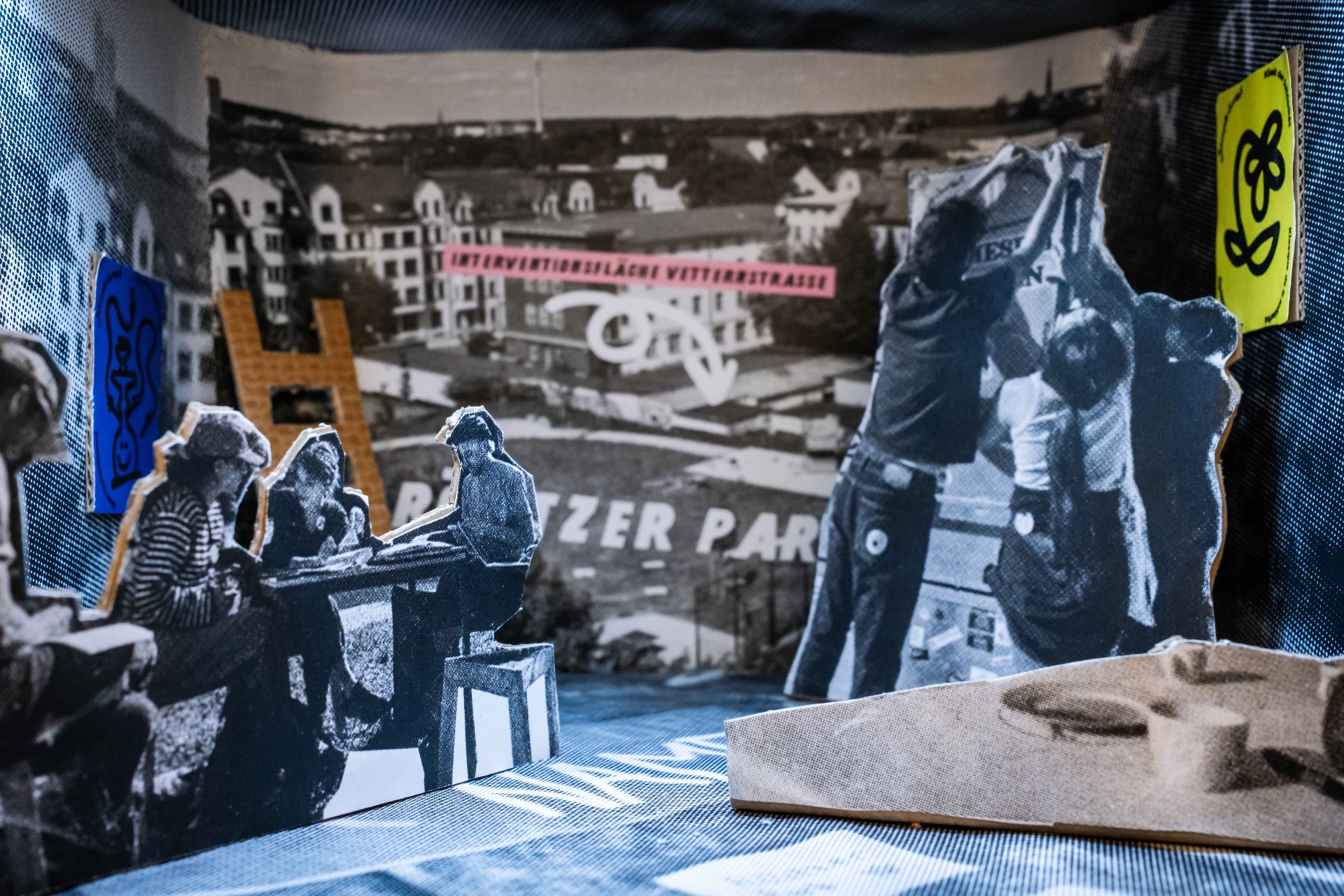
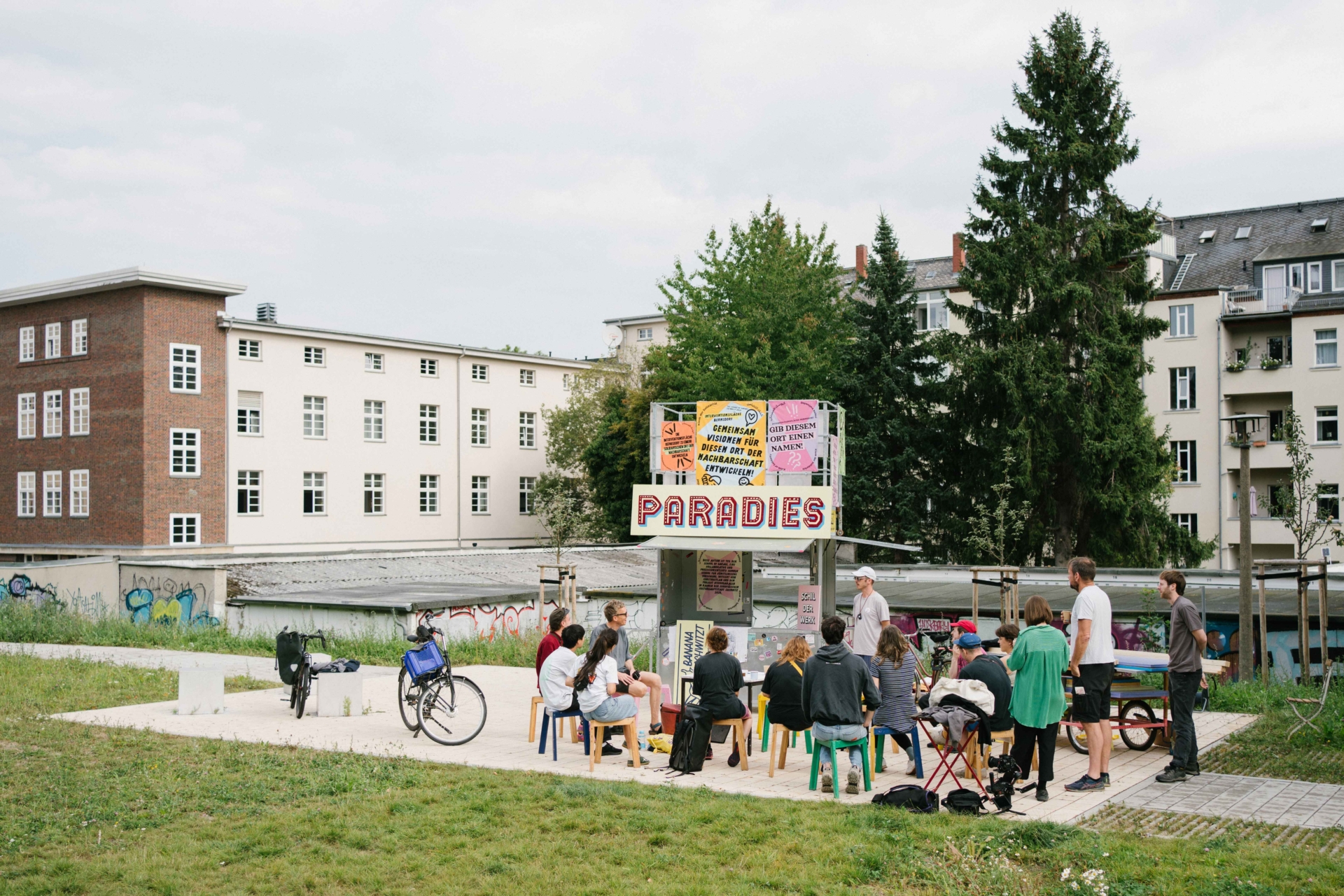
A meadow, concrete blocks, a lease agreement between the city of Chemnitz and the Subbotnik socio-cultural center. A civil society-municipal collaboration on hold. The goal: a name, a new start for activating the space, creating starting points for a new usage concept, preventing right-wing appropriation of the space. We invited people to discover the space together with coffee and cake, long drinks, and questions and opened up the space for a neighborhood discourse. The kiosk served as a mobile participatory garage for joint thinking, crafting, and designing. The activities culminated in a performative presentation of the naming, construction activities, and a small-scale visual appropriation of space around the Kiosk of Solidarity.
with Collective Works (Peter Zuiderwijk)
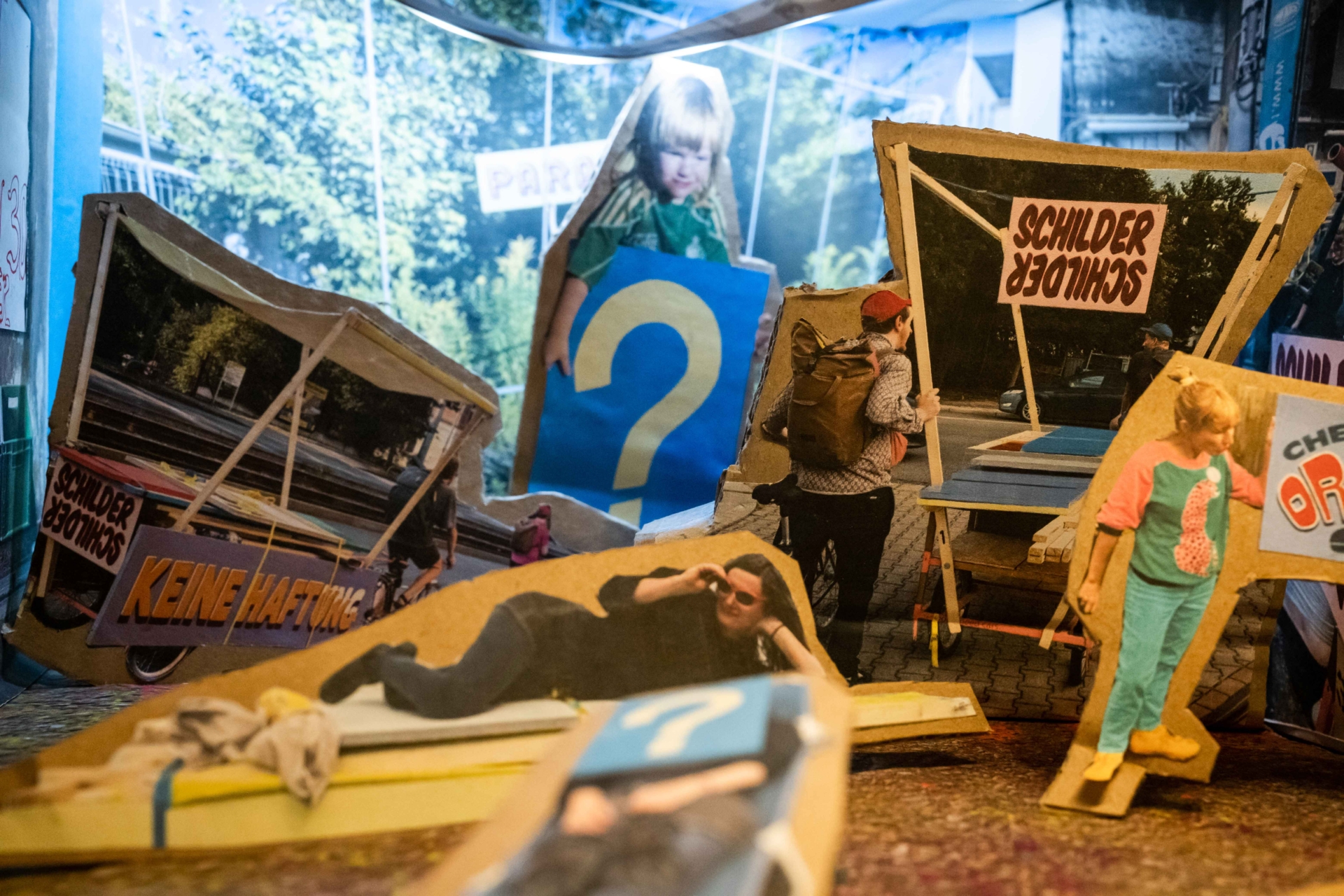
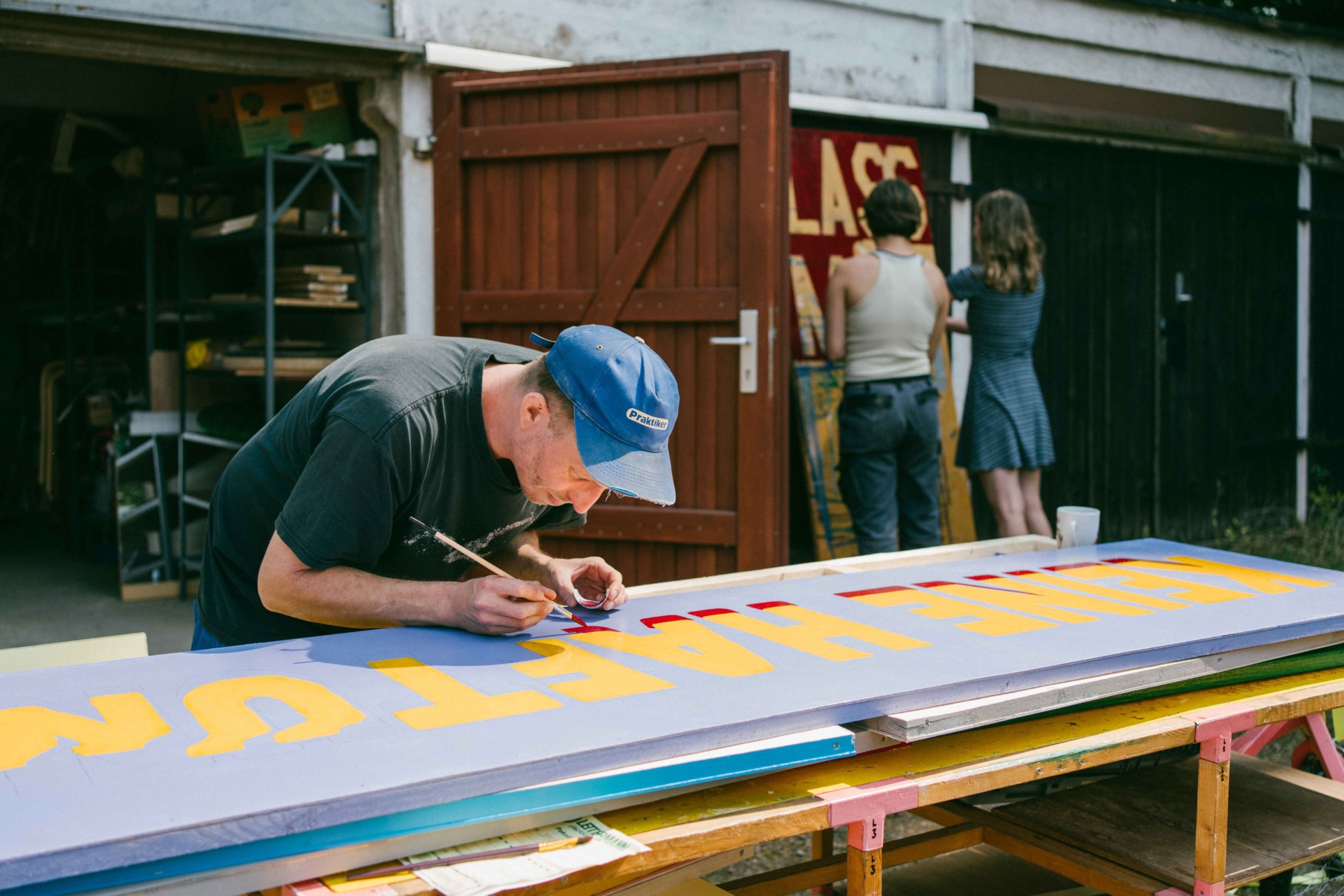
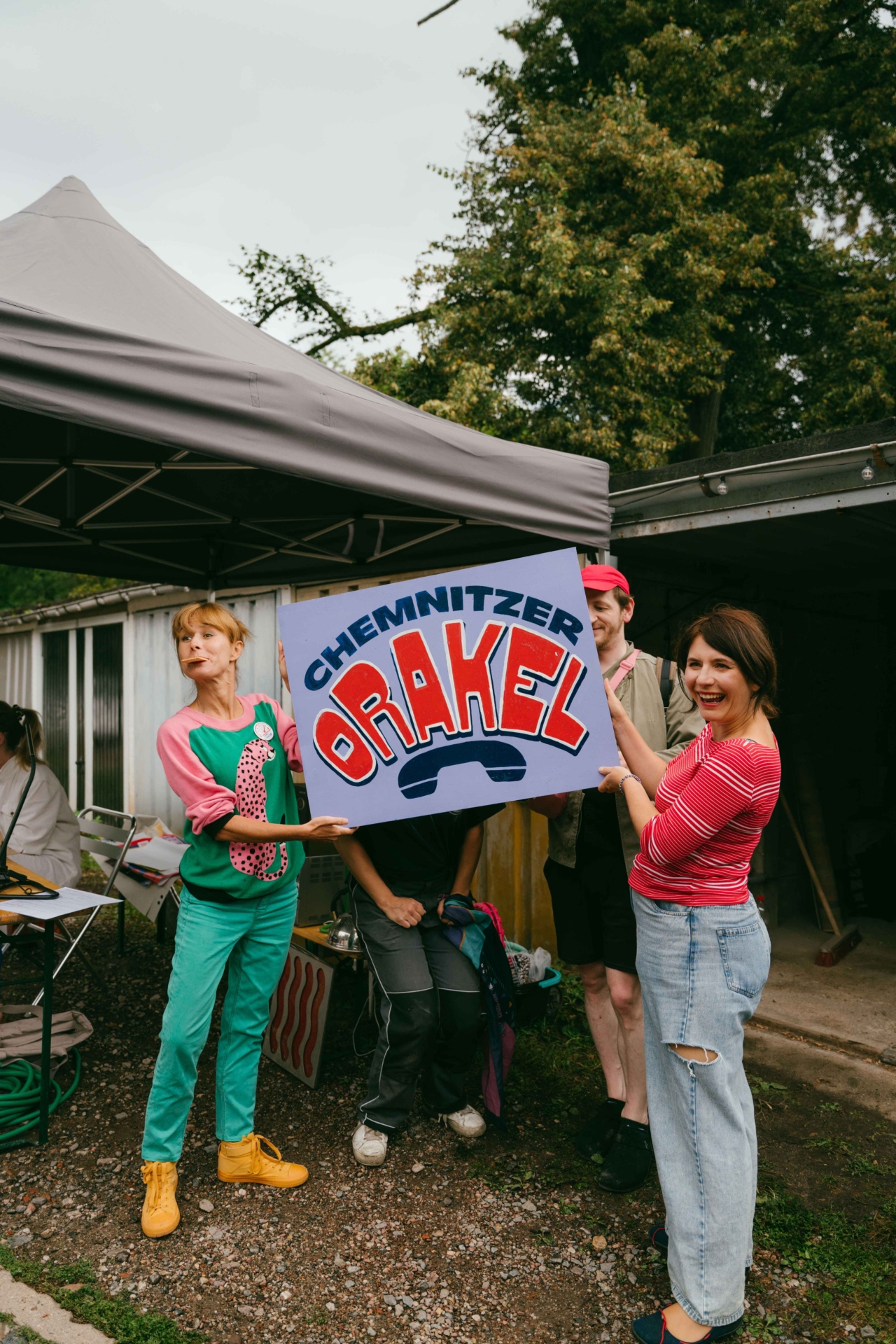
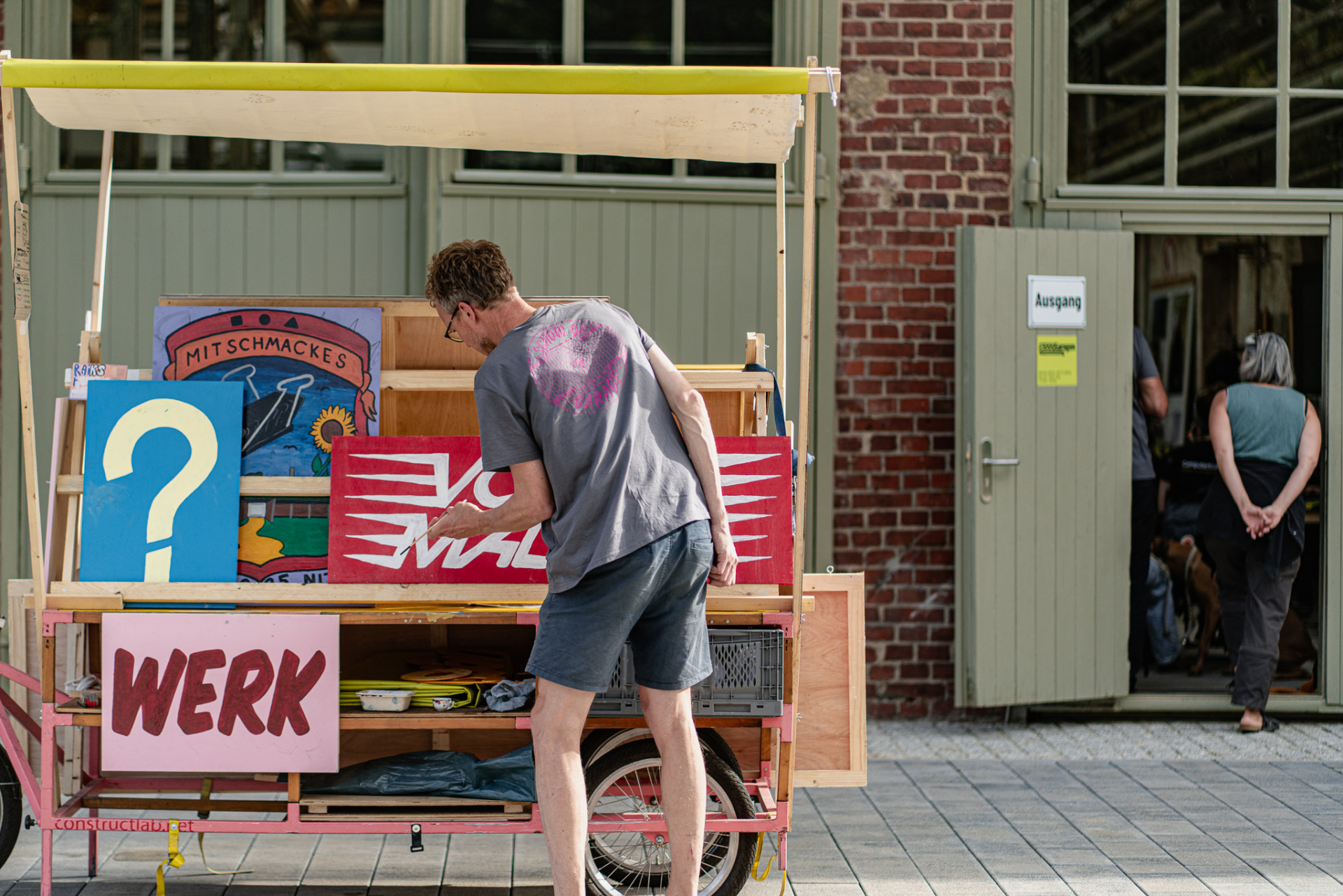
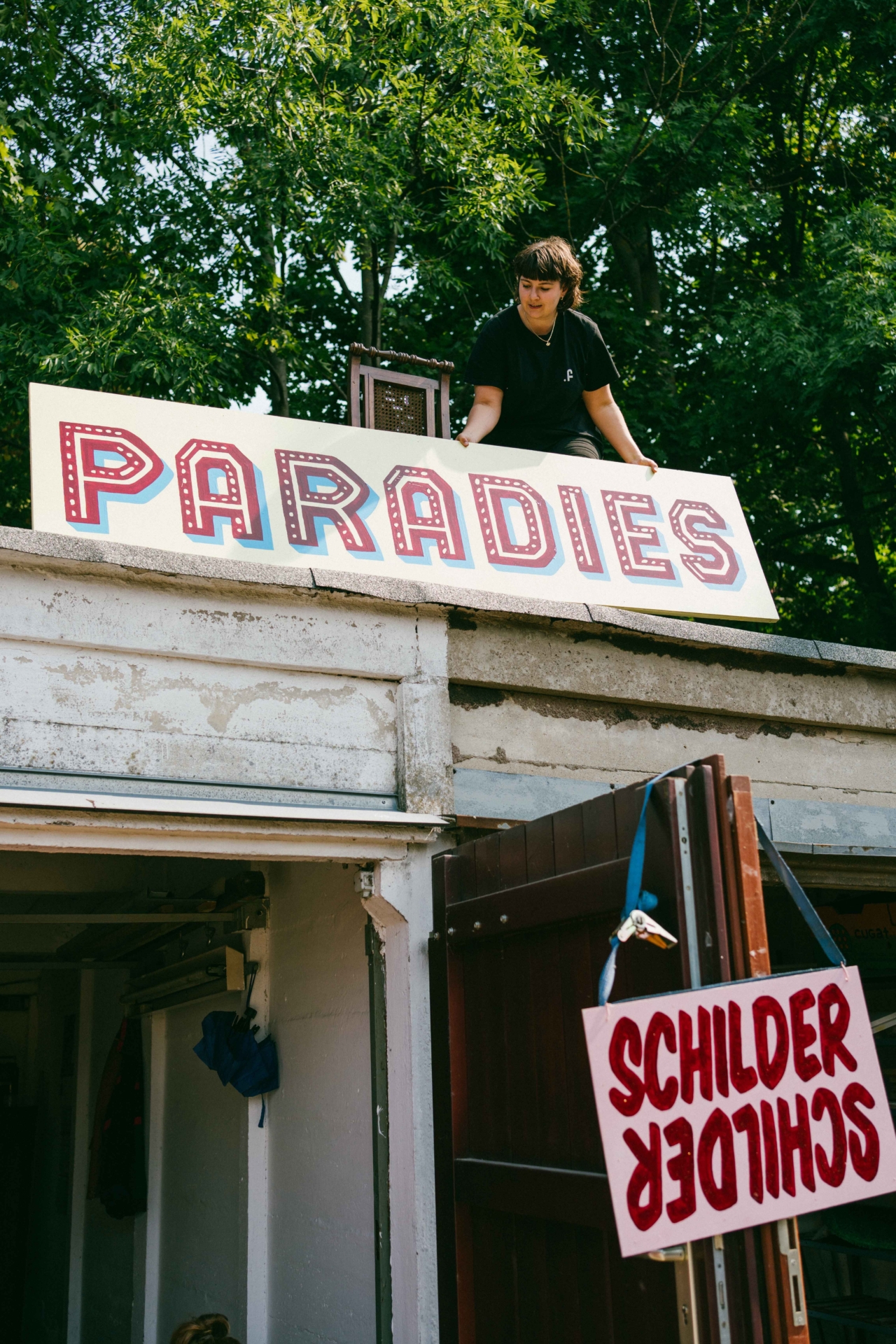
We created a mobile sign painting shop to celebrate garage spaces by designing custom signs. These signs reflected the use and identity of the spaces. We engaged with locals, allowing them to participate in the creative process, and invited visitors to contribute, fostering a shared visual language and community connection.
with Urbane Liga Alumni (Artur Meier, Simon Ulrich, Christian Hörner) and Takahiro Ohmura as a visiting tutor
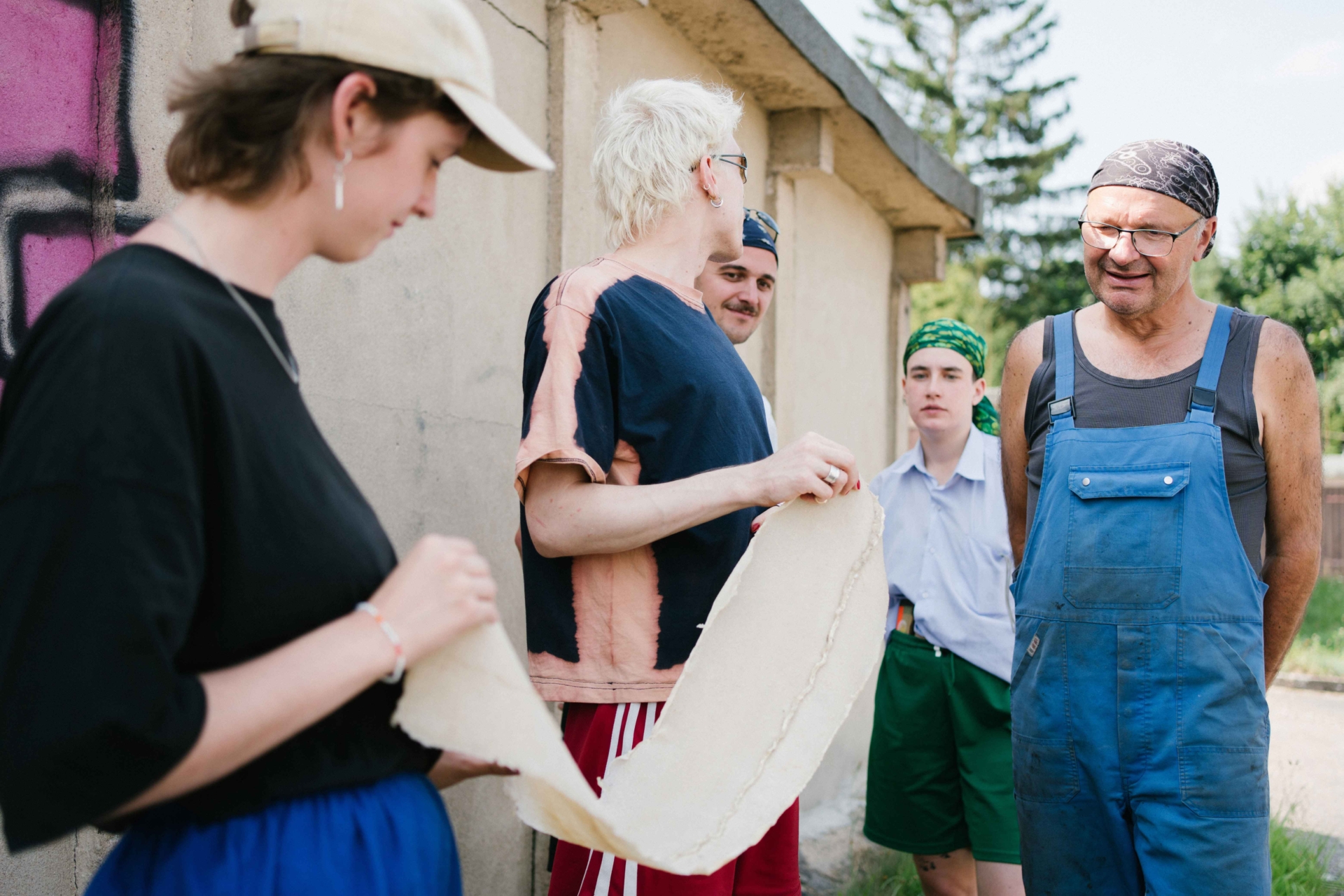
We explored urban repair as a caring practice through small, playful interventions in spaces of personal and collective agency. Garages, as both physical and symbolic sites for addressing urban fractures, inspire creative solutions. Through observation, reflection, and action, we reimagined these spaces and creatively asked questions about urban decay.
with Futurama Lab (Kilian Jörg & Hanna Priemetzhofer)
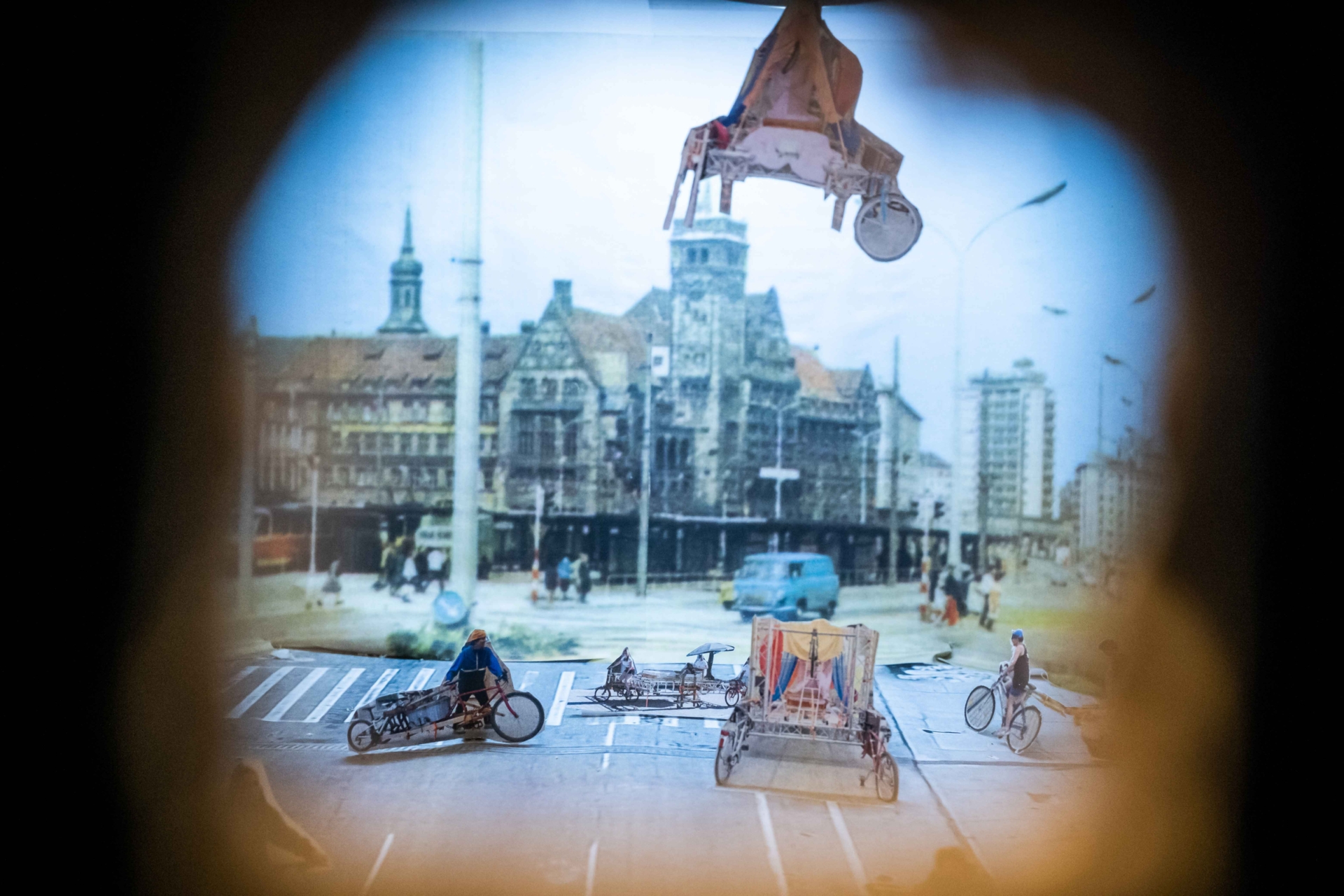
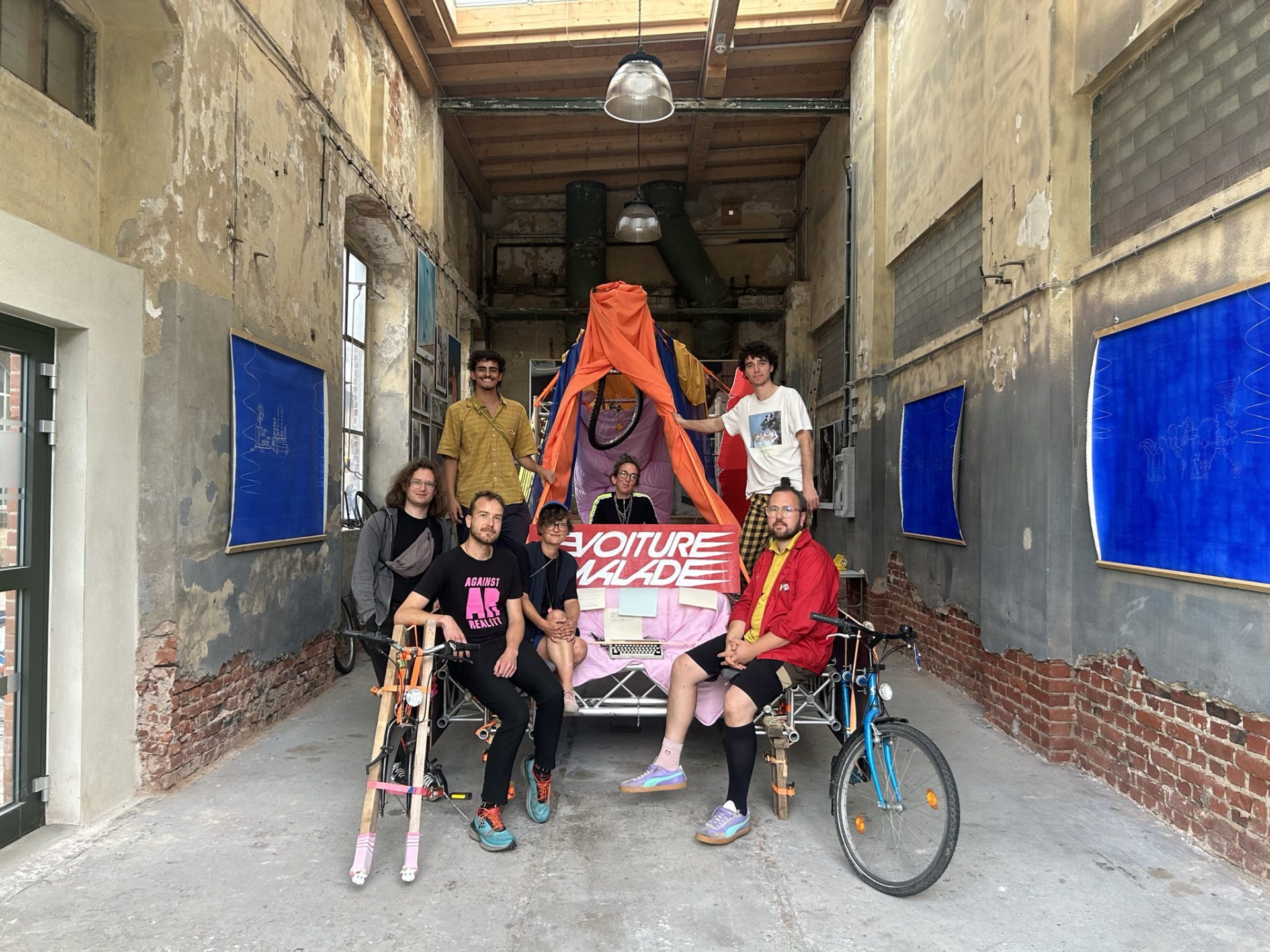
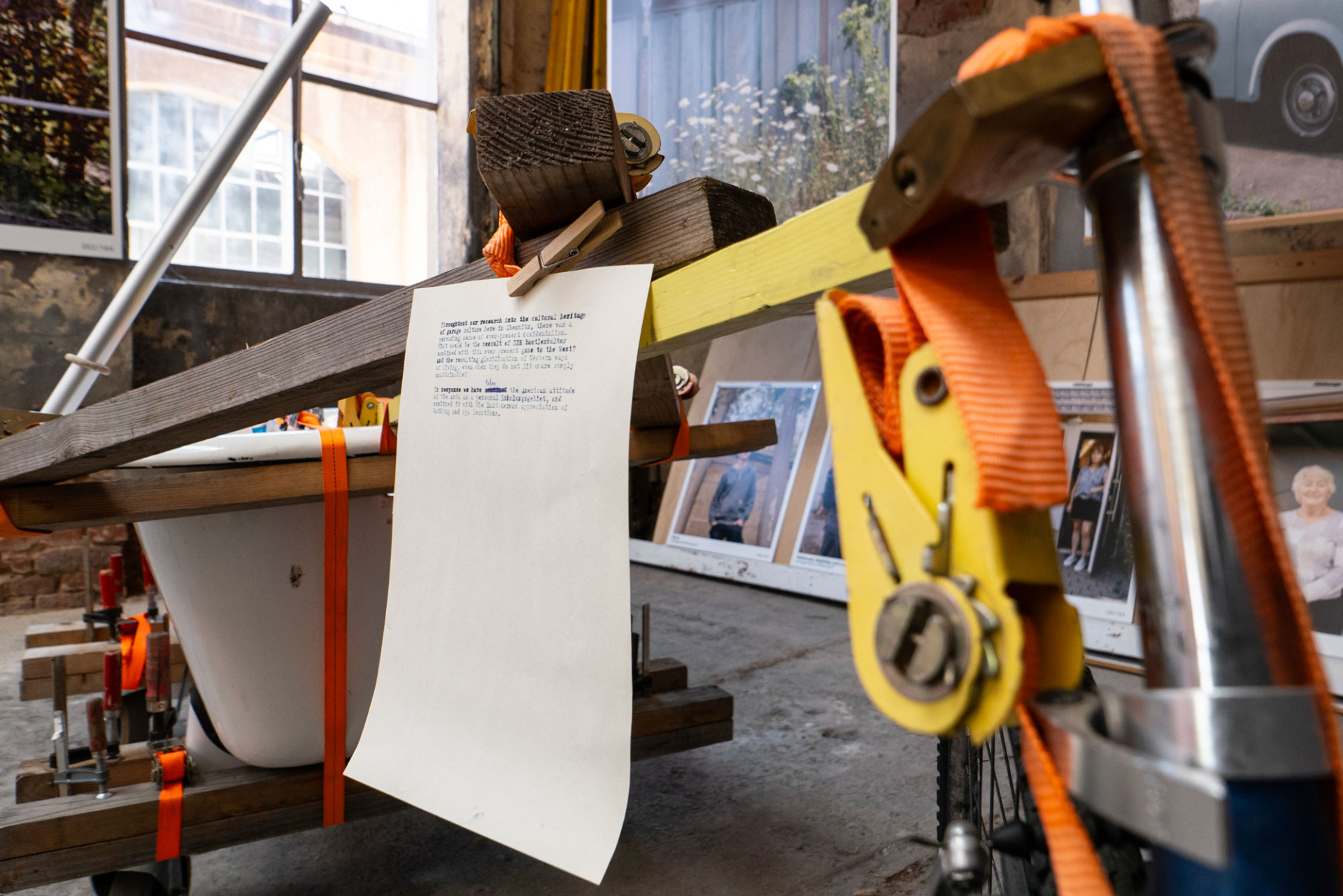
THE CARS WE LIKE creates human-powered vehicles from repurposed components to playfully envision an alternative future of the car. During the “School of Garage” we challenged established transport norms with two mobile sculptures: VOITURE MALADE, a satire on the trend of far too bulky cars, and the SPA-CAR, a quirky mobile retreat. Our performative interventions moved people and ideas around the campus grounds, culminating in a dadaistic happening that celebrated the power of collective human energy.
with Chrisss Costa
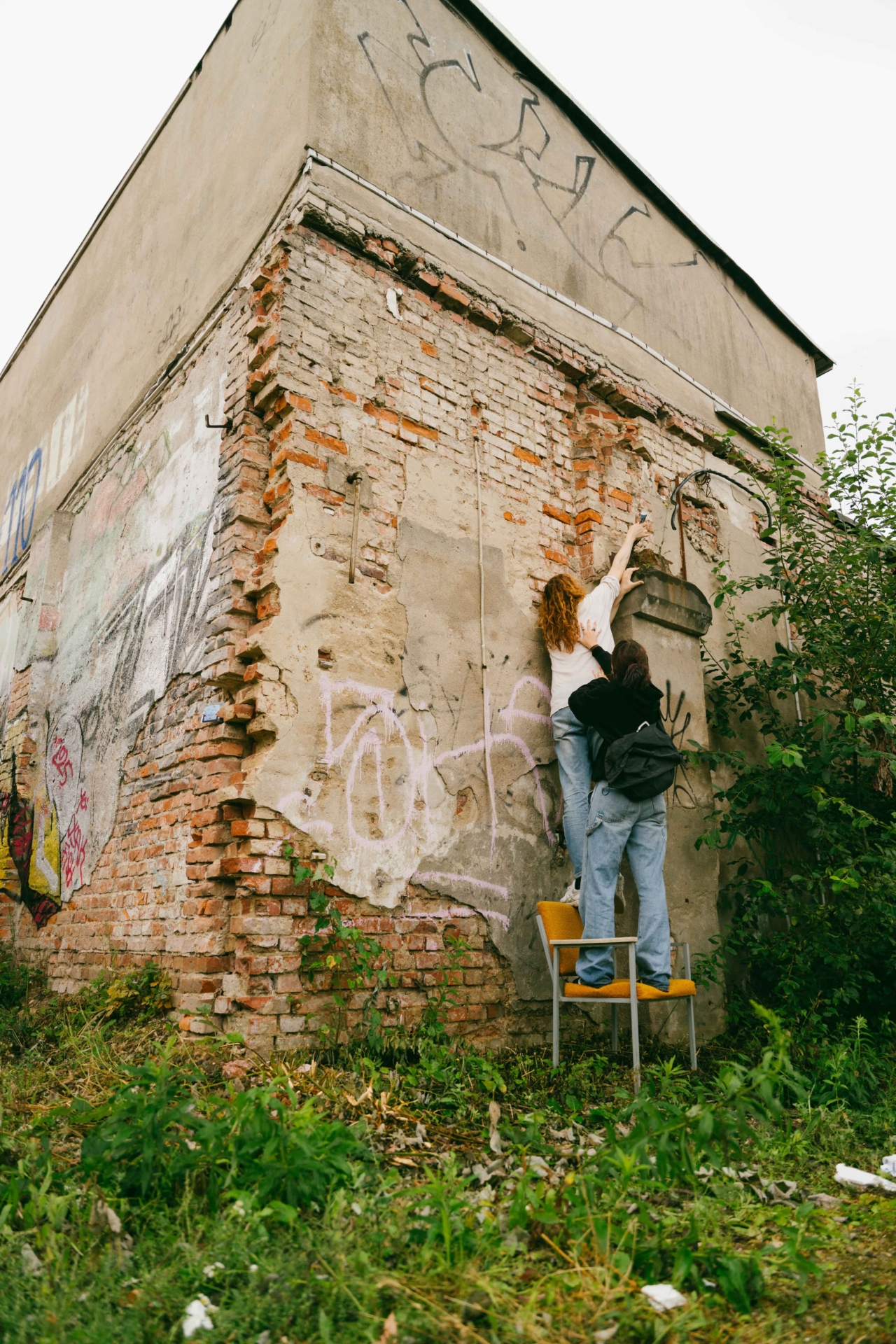
We explored Chemnitz, seeking overlooked places, lost monuments, and elements of local identity. We discussed and photographed these spaces and turned the printed images into sculptural objects. These photographic objects were then returned to the city as interventions, encouraging a new, participatory perspective on the urban landscape through exploration, participation, and art.

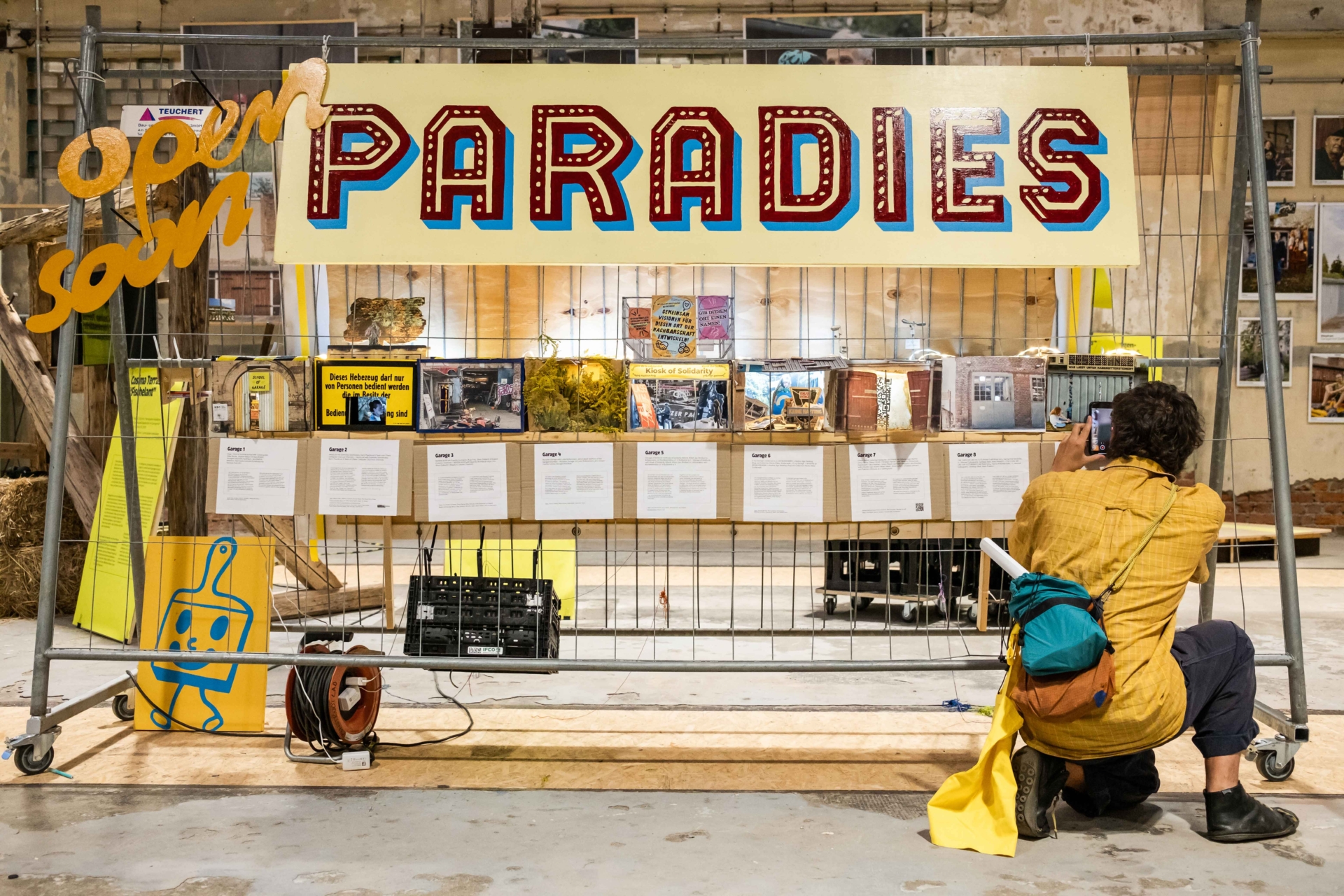
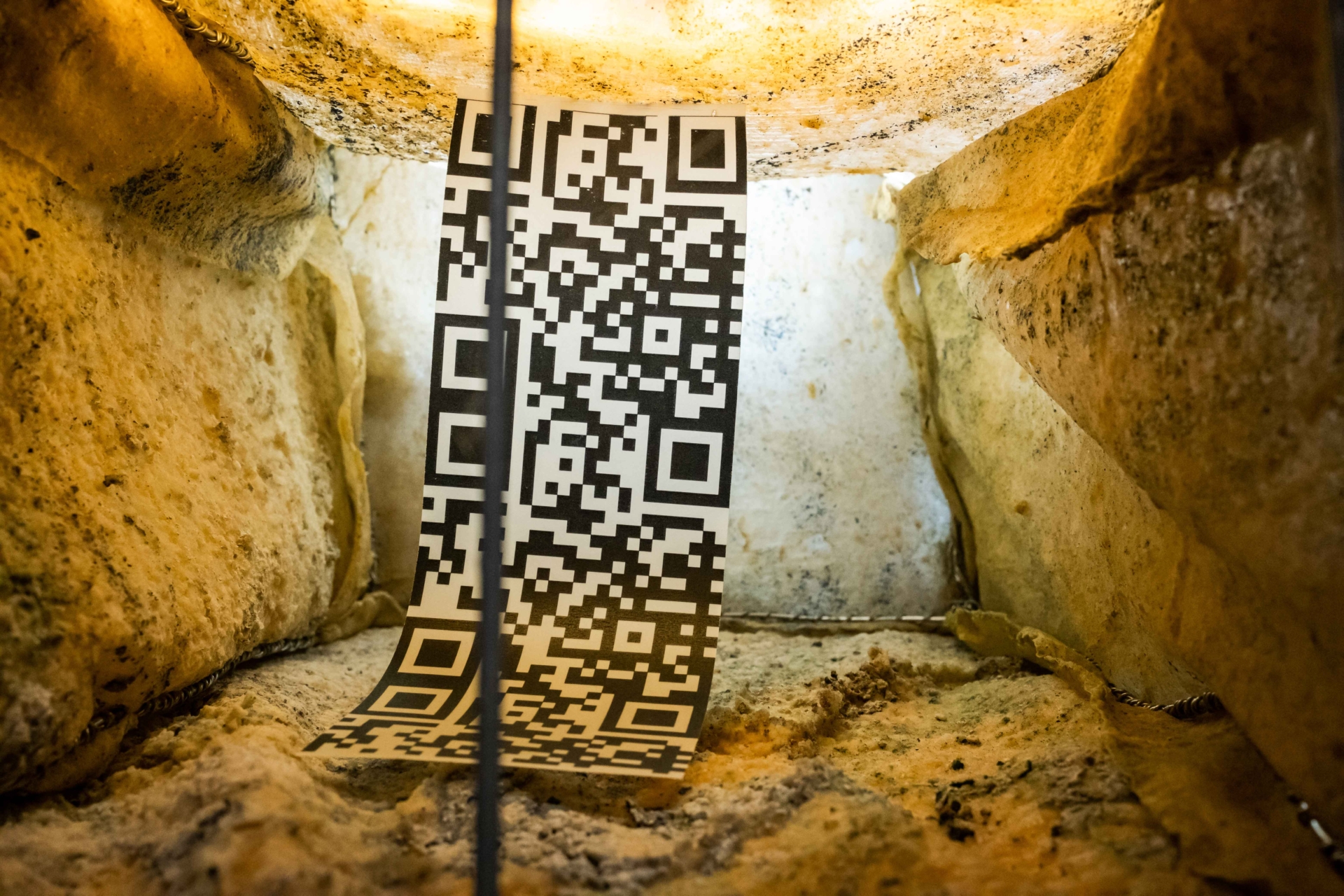
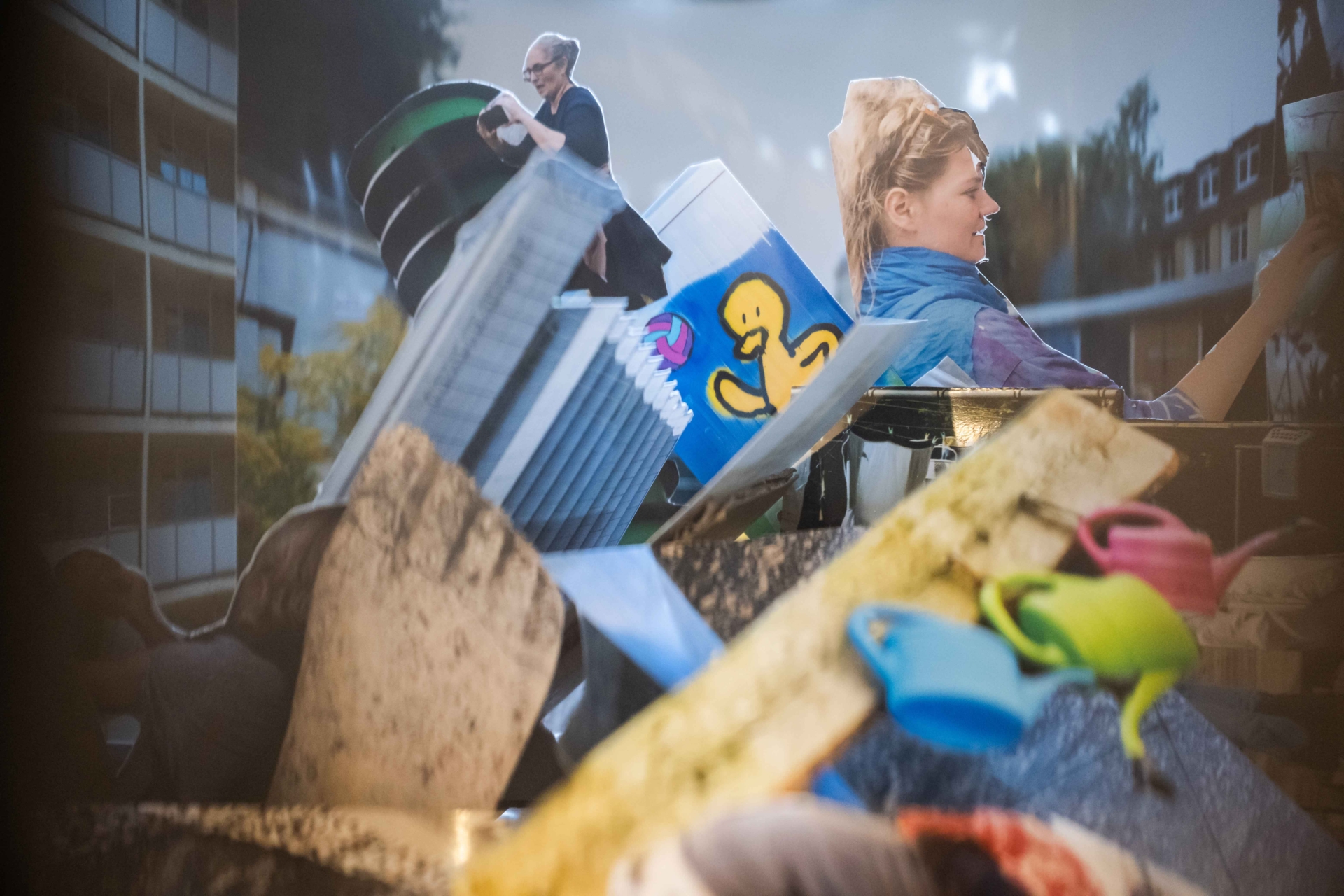
At the end of the summer school week, the School of Garage participants presented their projects at the #3000 Garagen Campus at , Chemnitz. In addition to the presentations, each Garage team created a diorama representing their project to be exhibited at the Garagen Campus.