Project
Wildernis Invites is a collaborative initiative led by Belgian and Berlin-based members of Constructlab, in partnership with the local association Wildebras.
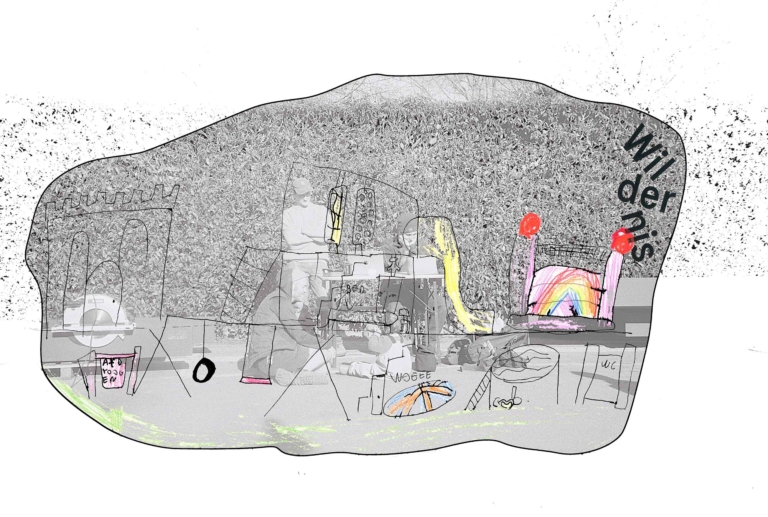
Together with children, neighbors, and an engaged network of creatives, we aim to establish a sustainable and long-term use of Wildernis – island in the heart of Kortrijk, Belgium, where Wildebras currently operates an adventure playground for kids. Through a multidisciplinary approach, the project fosters wild play, hands-on learning, and an open process of co-creation, bringing together children, teenagers, and adults in an ever-evolving space of exploration and community building.
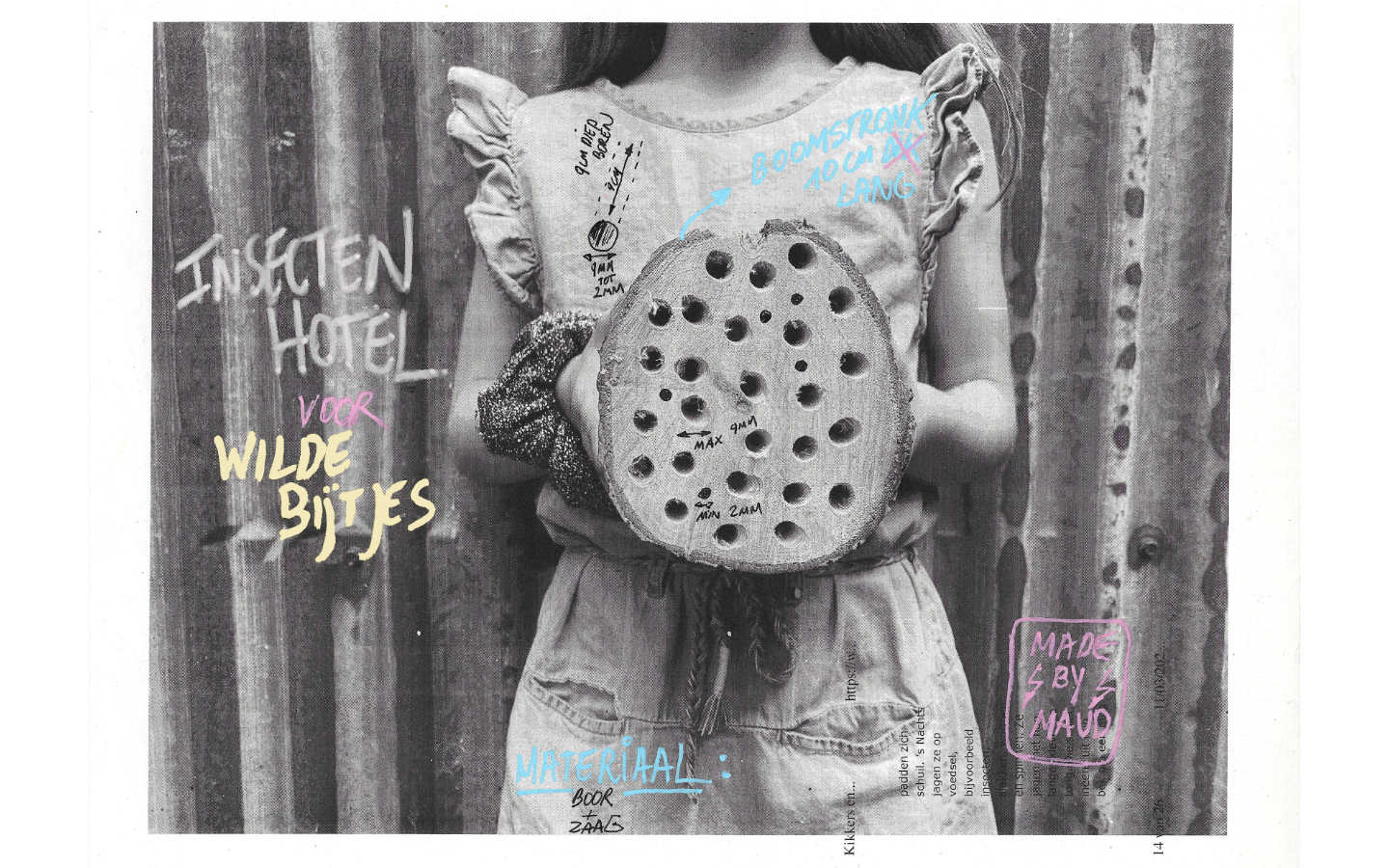
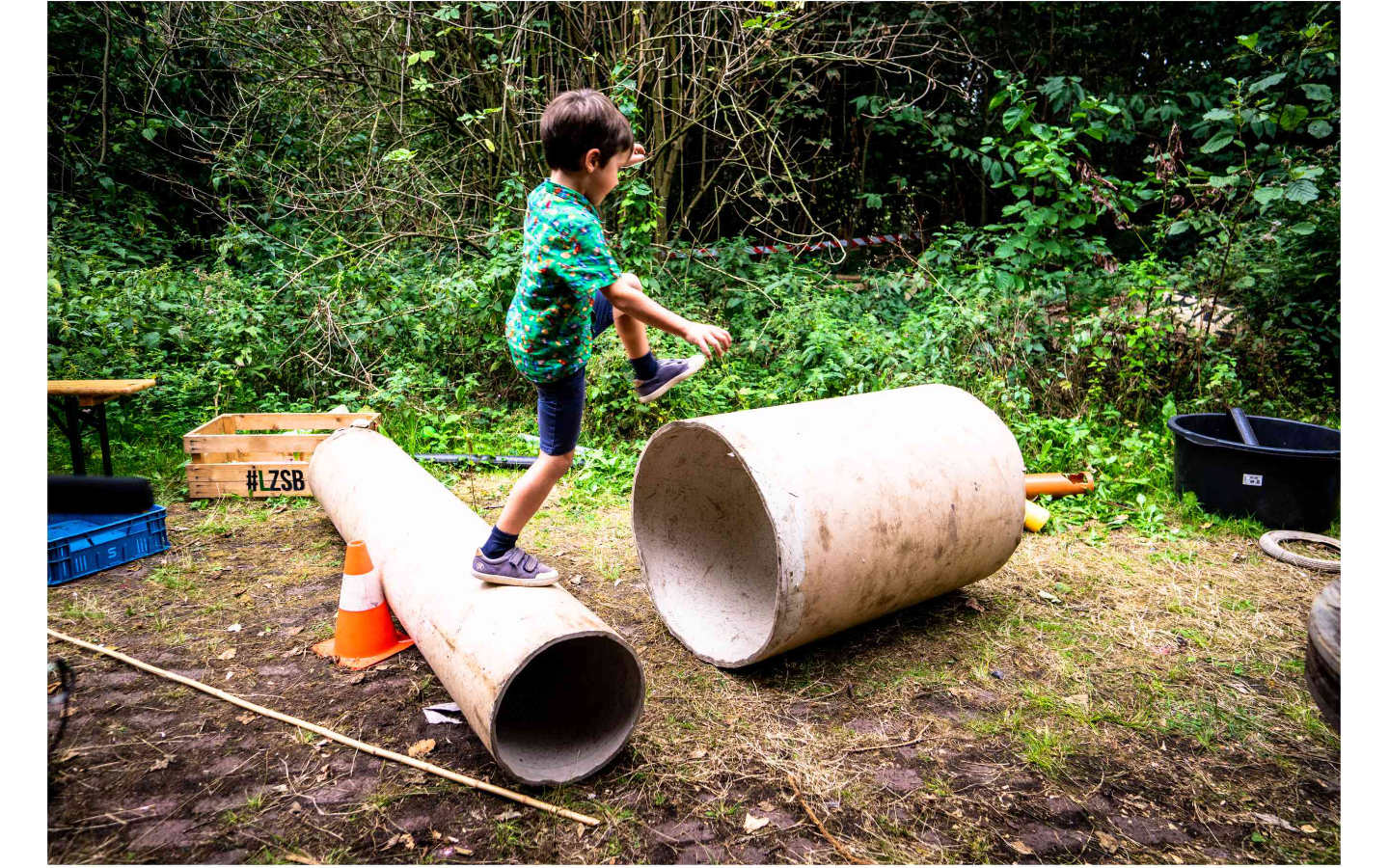
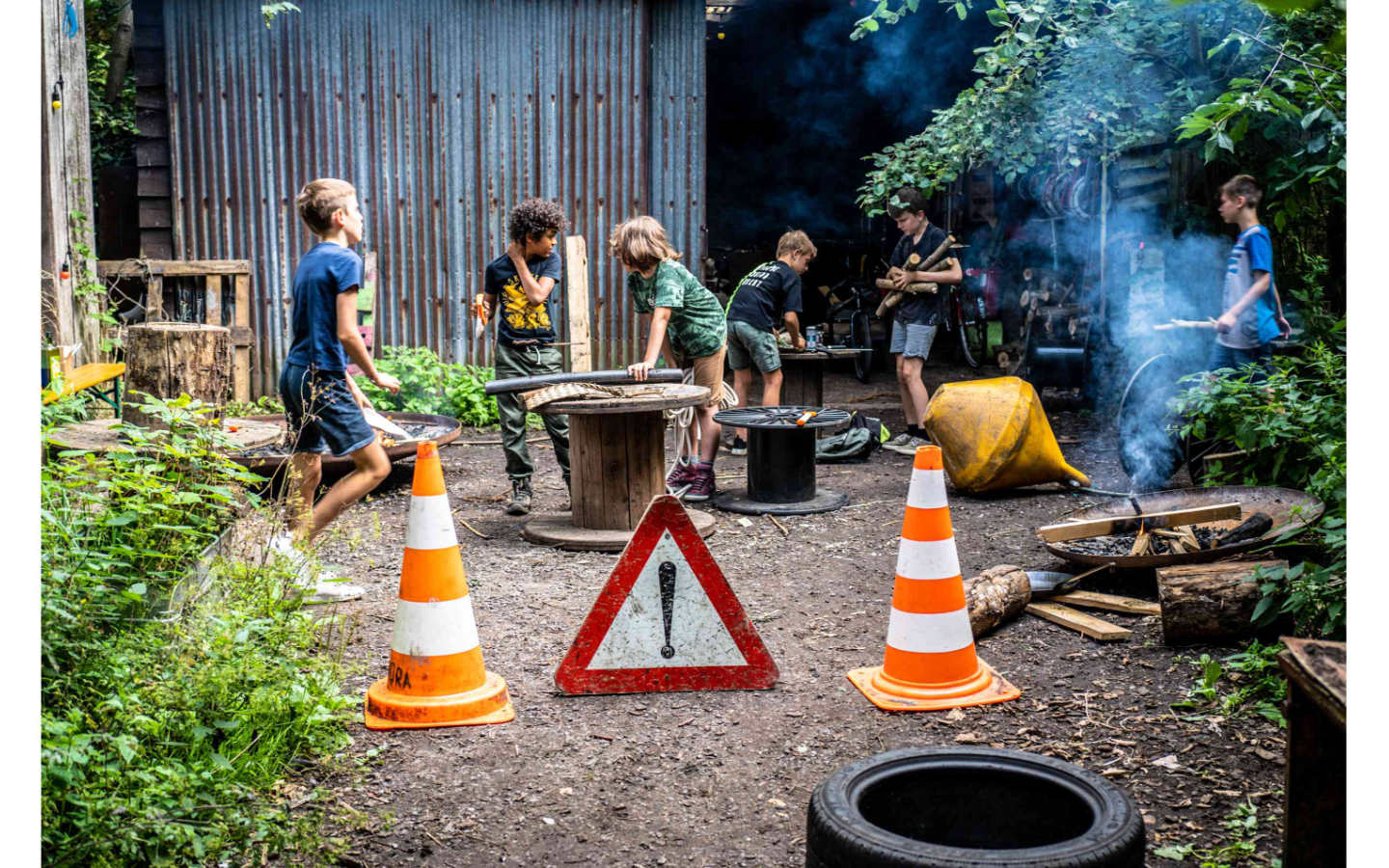
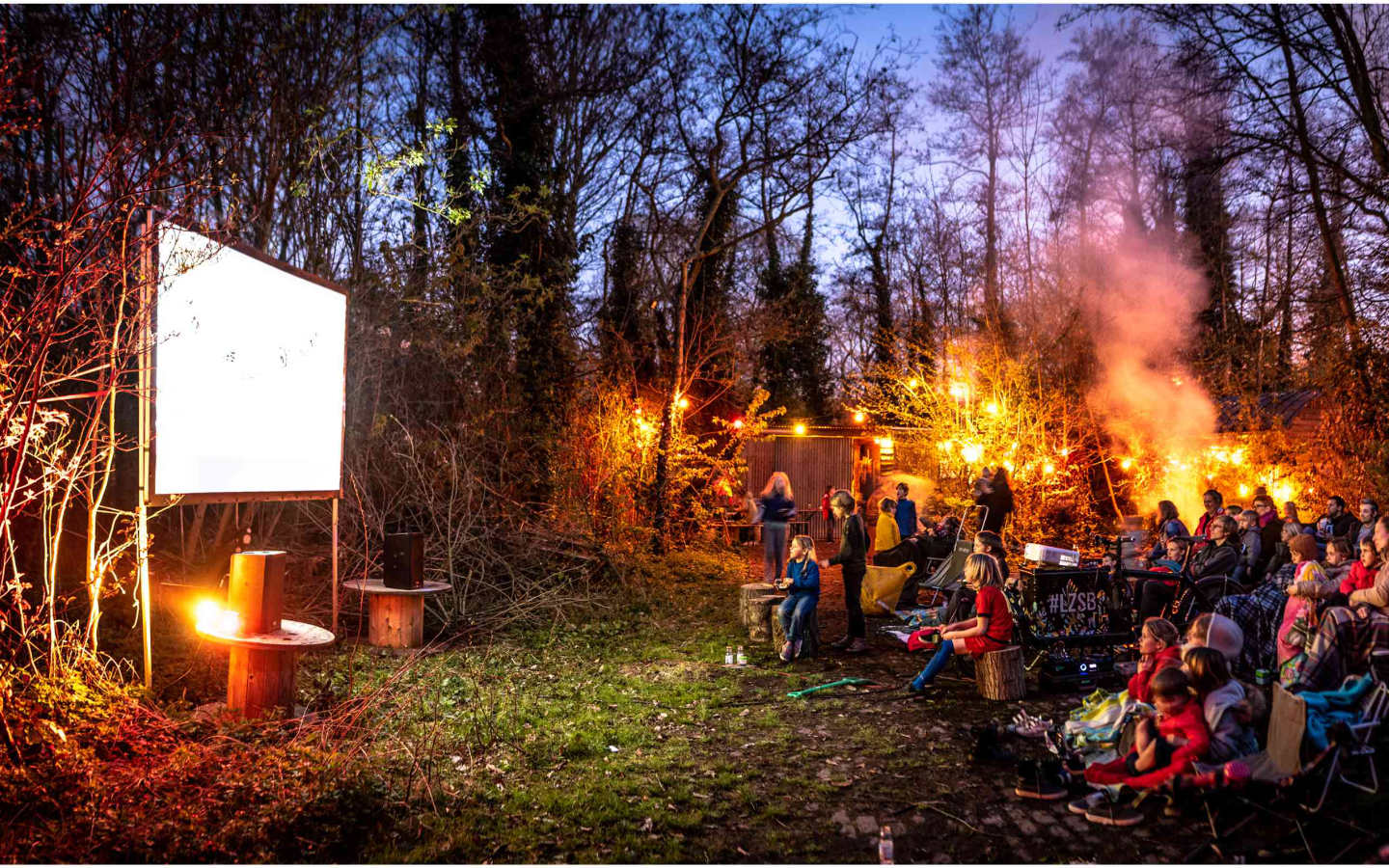
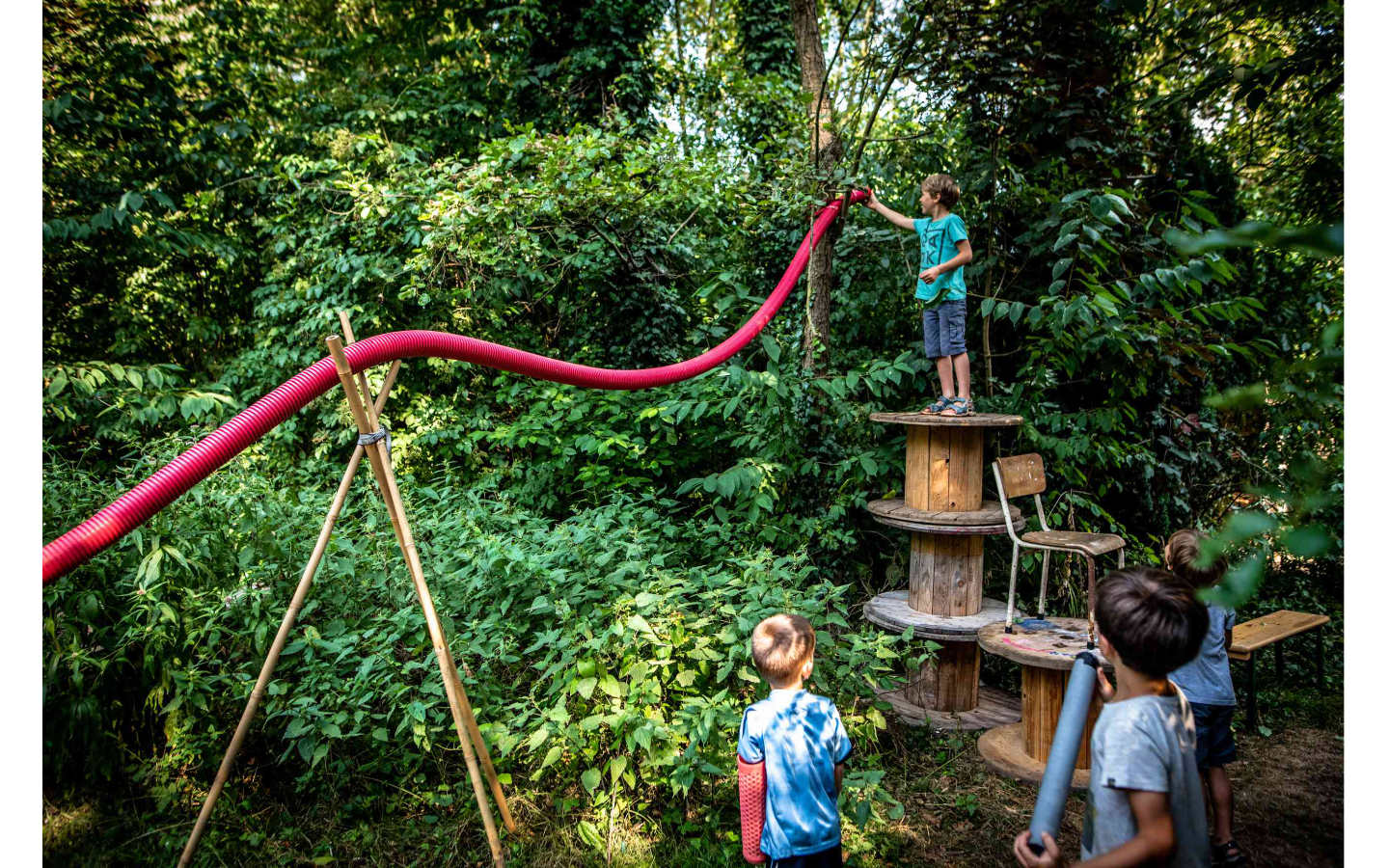
Playing outside is crucial for a child to grow up. A group of friends based in Kortrijk (BEL) has been working voluntarily for many years to encourage and create outdoor playgrounds for children. It is not about classically designed playgrounds, it is about ‘wild’ places where children can test their limits, learn to assess dangers and follow their way of imagination. ‘Wildebras’, which means ‘wild child’, is part of the association LZSB, based in Kortrjik (BEL). A moated homestead, surrounded by water and hidden within a little forest serves as a homebase for the association. It is one of the many typical west Flemish islands that were created in the mid 19th century, primarily for farming. This little island, called Wildernis, is the context in which the project Wildernis Invites takes place. The city council of Kortrijk granted the association of Wildebras a ground lease for the entire island for the next 25 years. This perspective allows the association to preserve the site in the long term and to build sustainable structures.
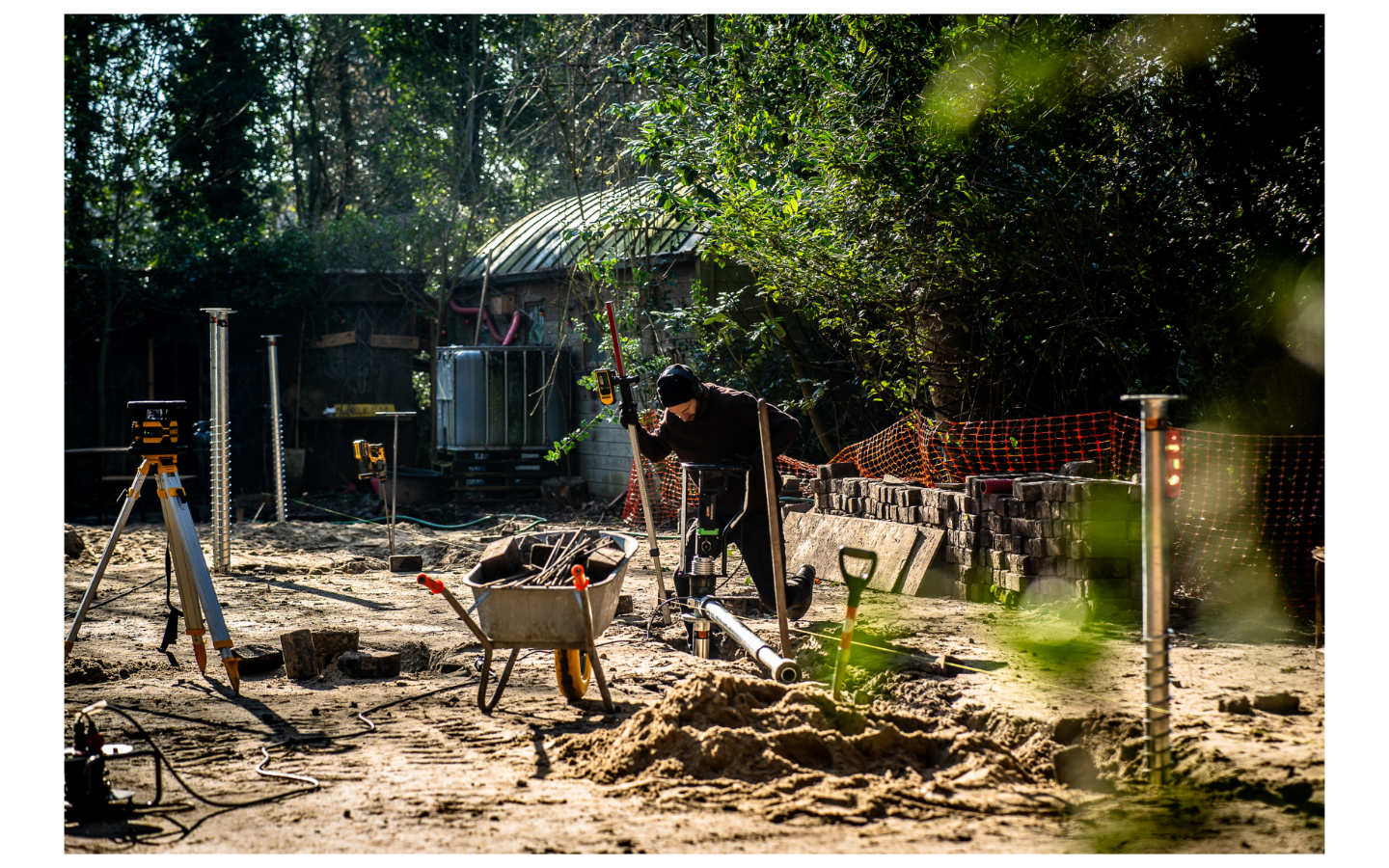
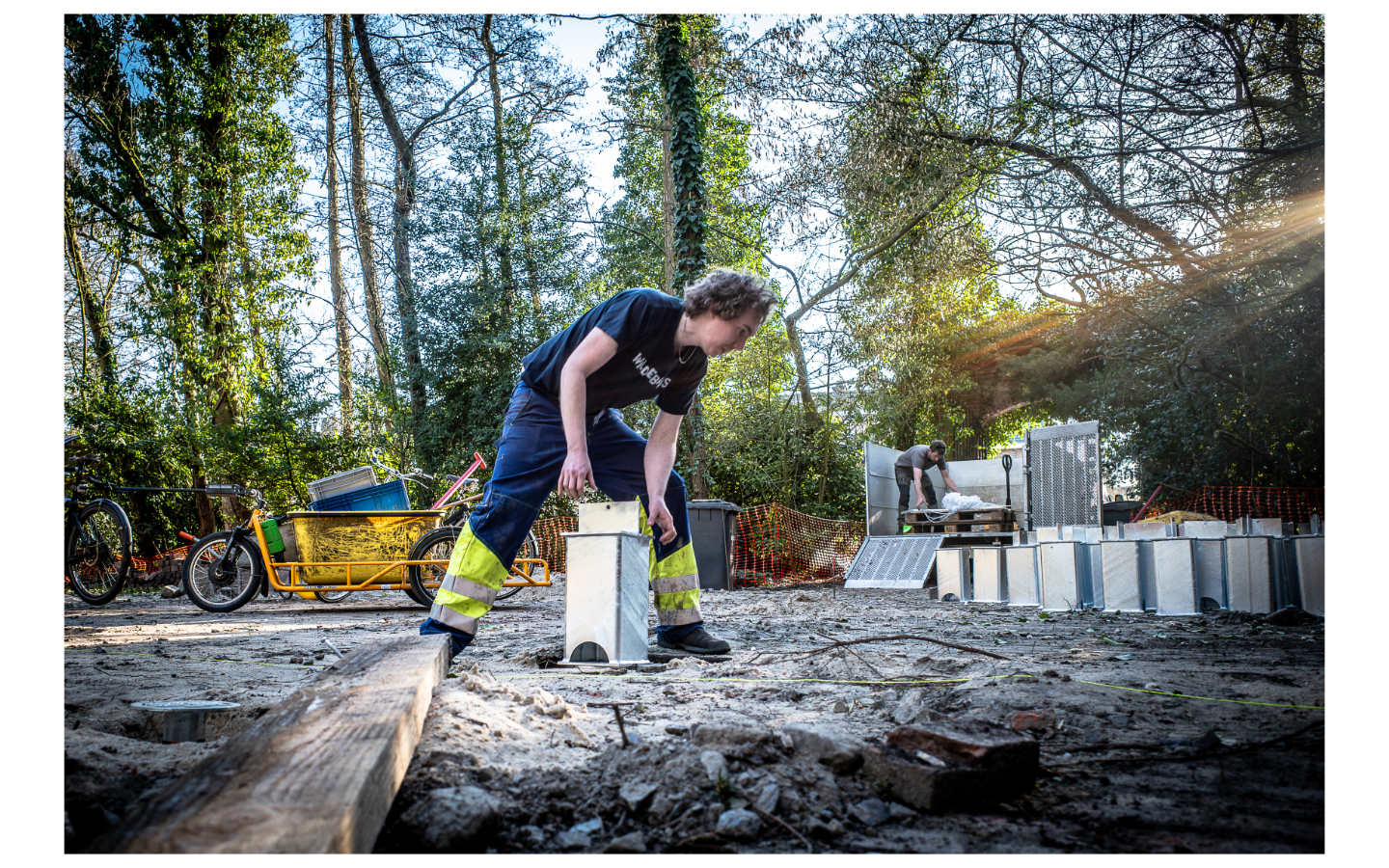
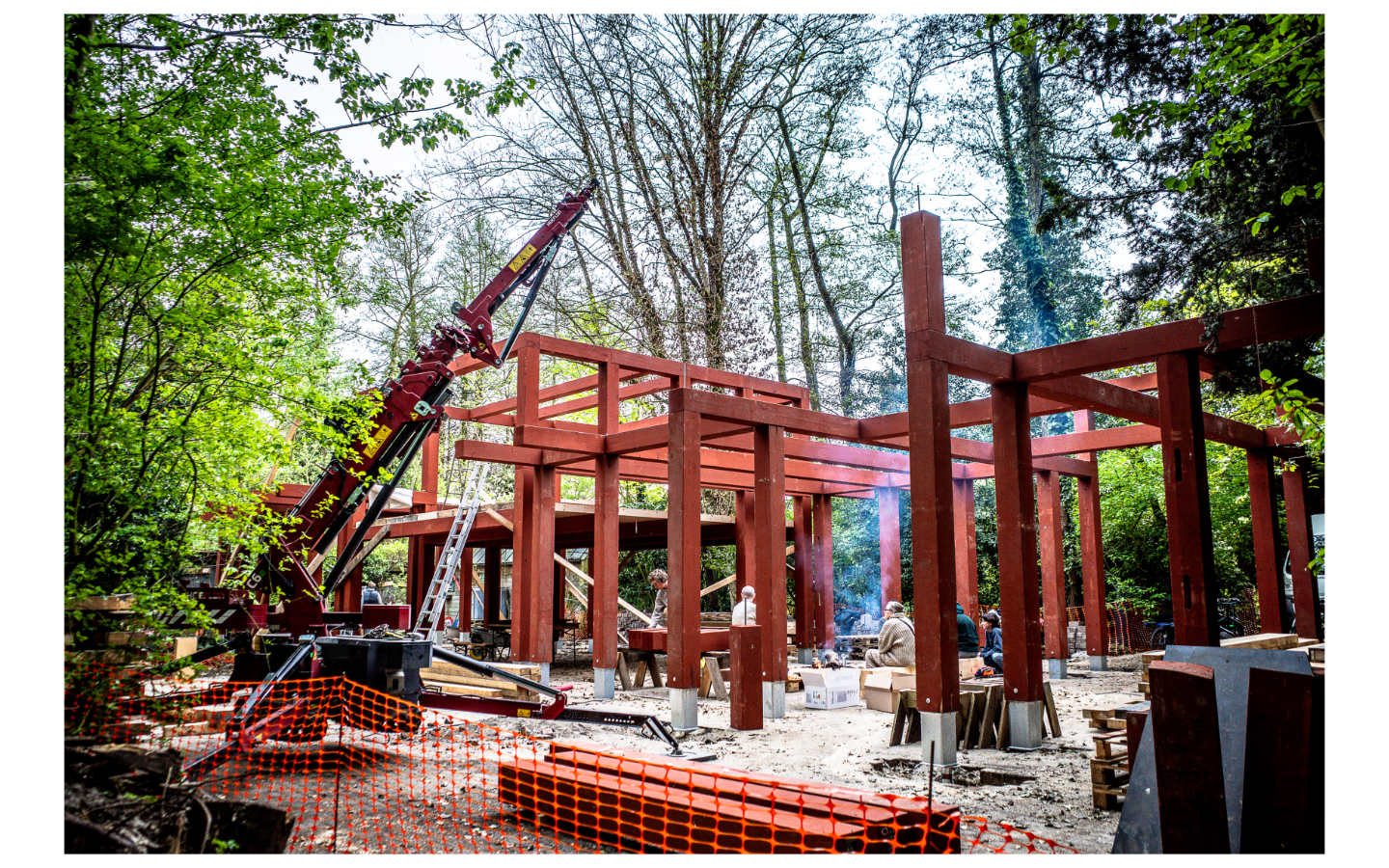
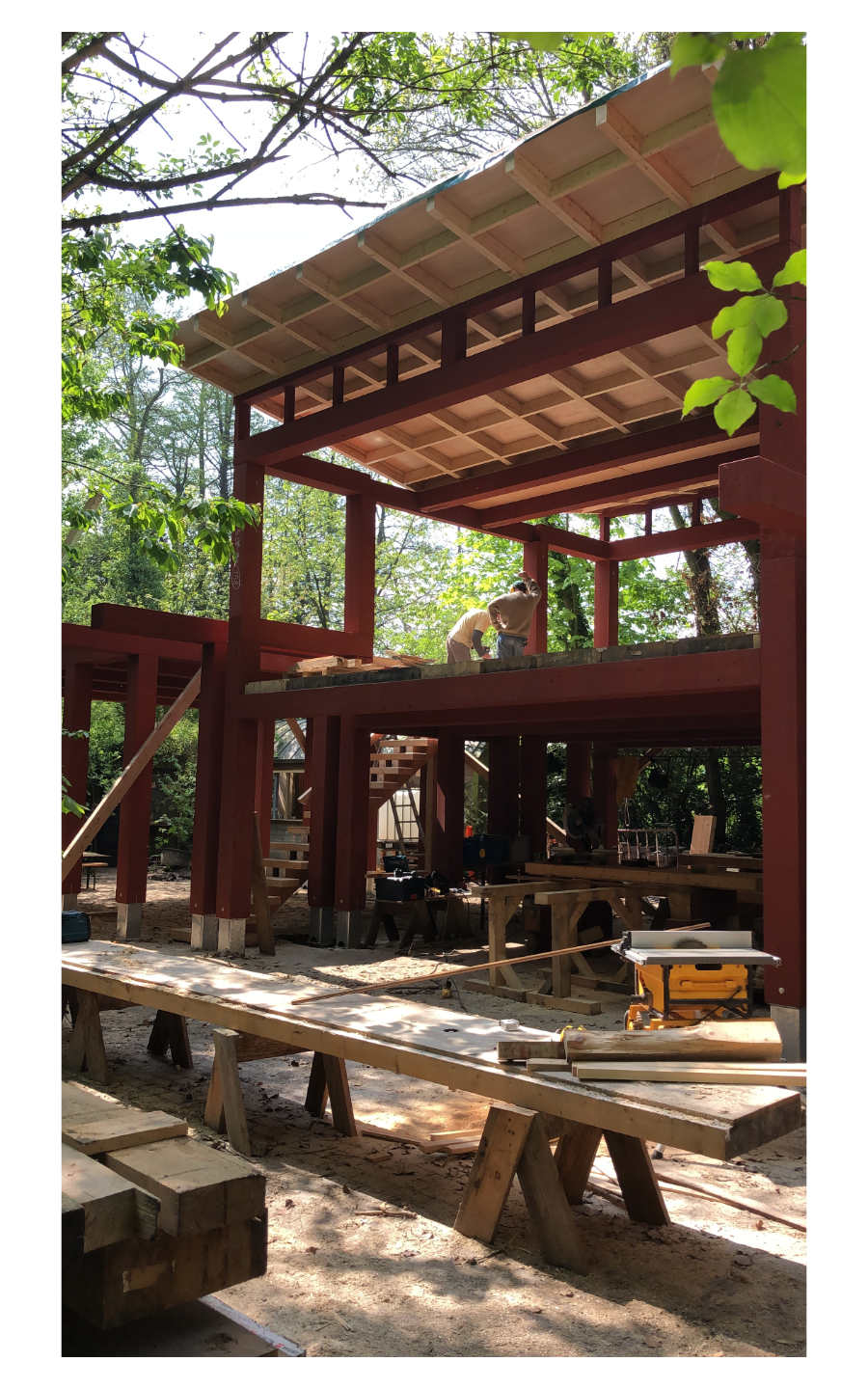
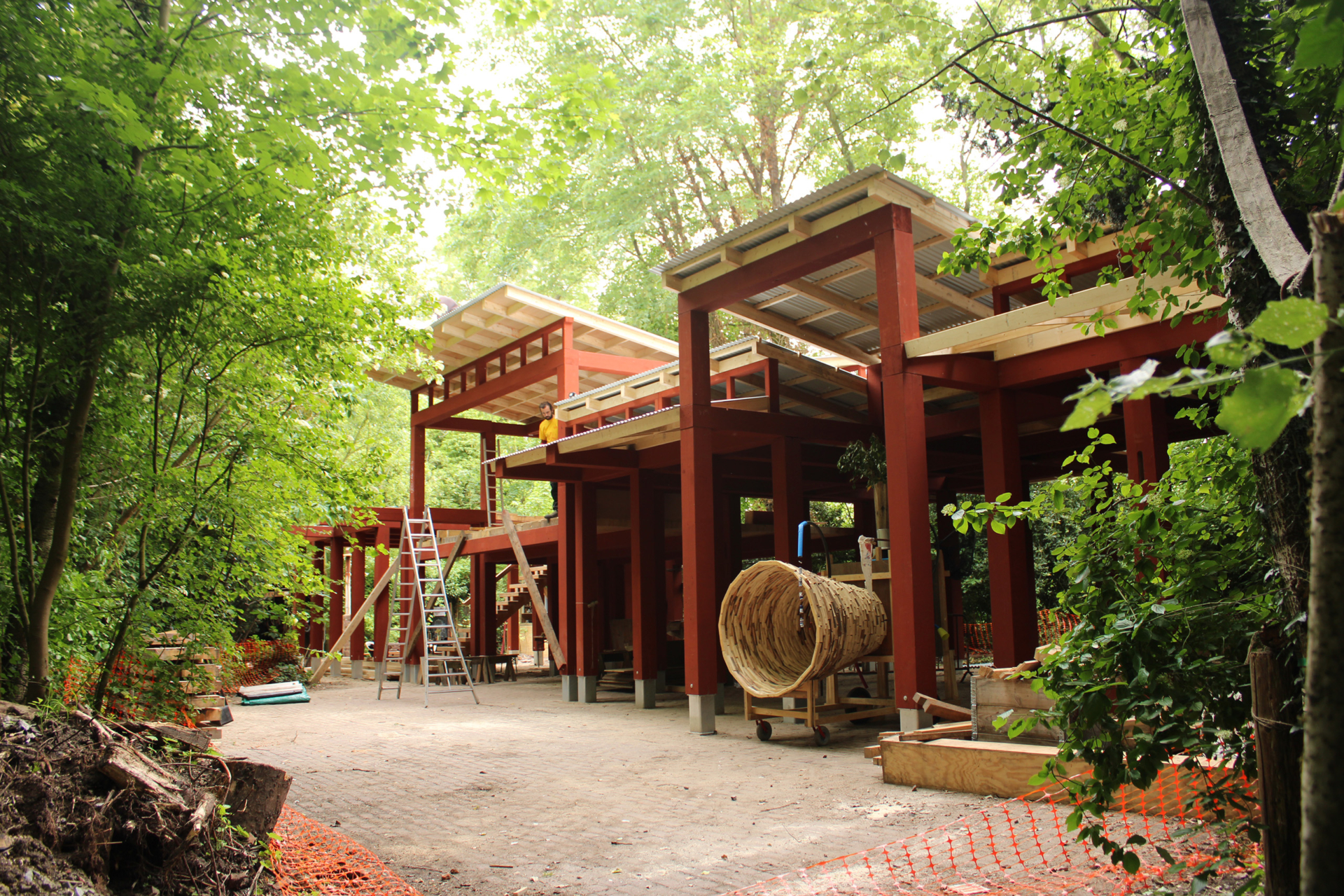
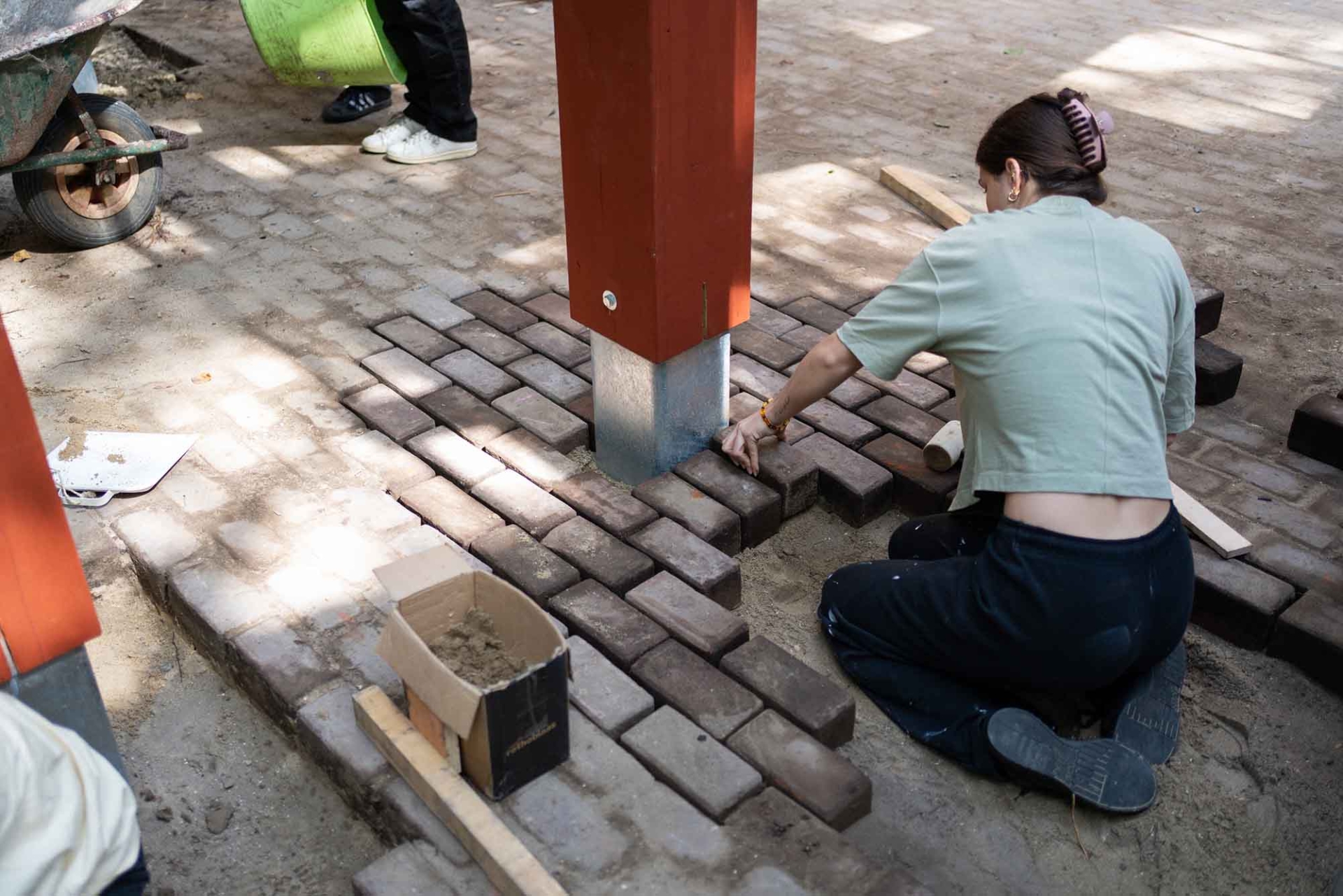
In a first phase this means the construction and activation of a solid wooden structure – a pavilion – that can become a space for tools and materials to be stored, a working space and a space for a diversity of activities that are yet to unfold.
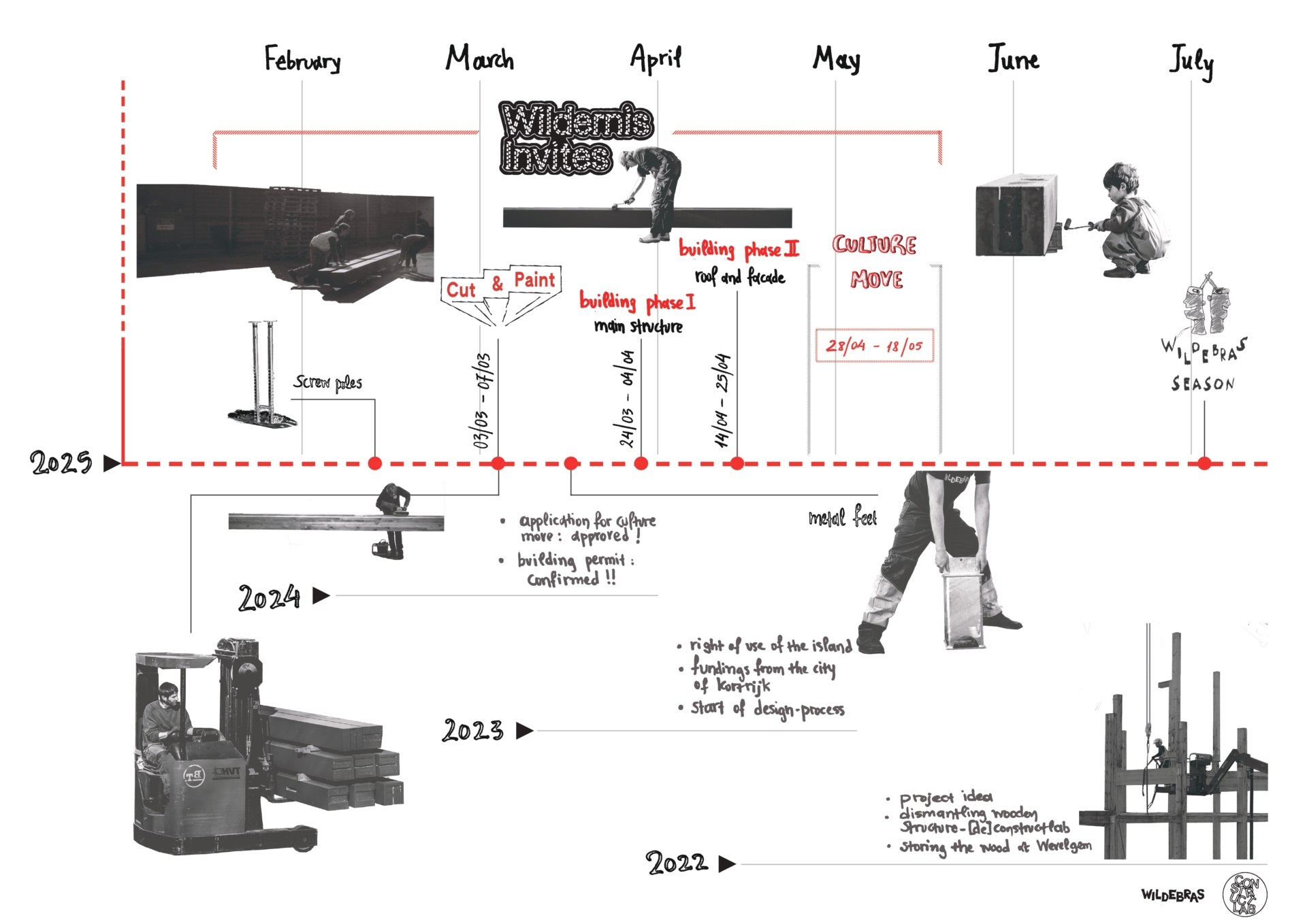
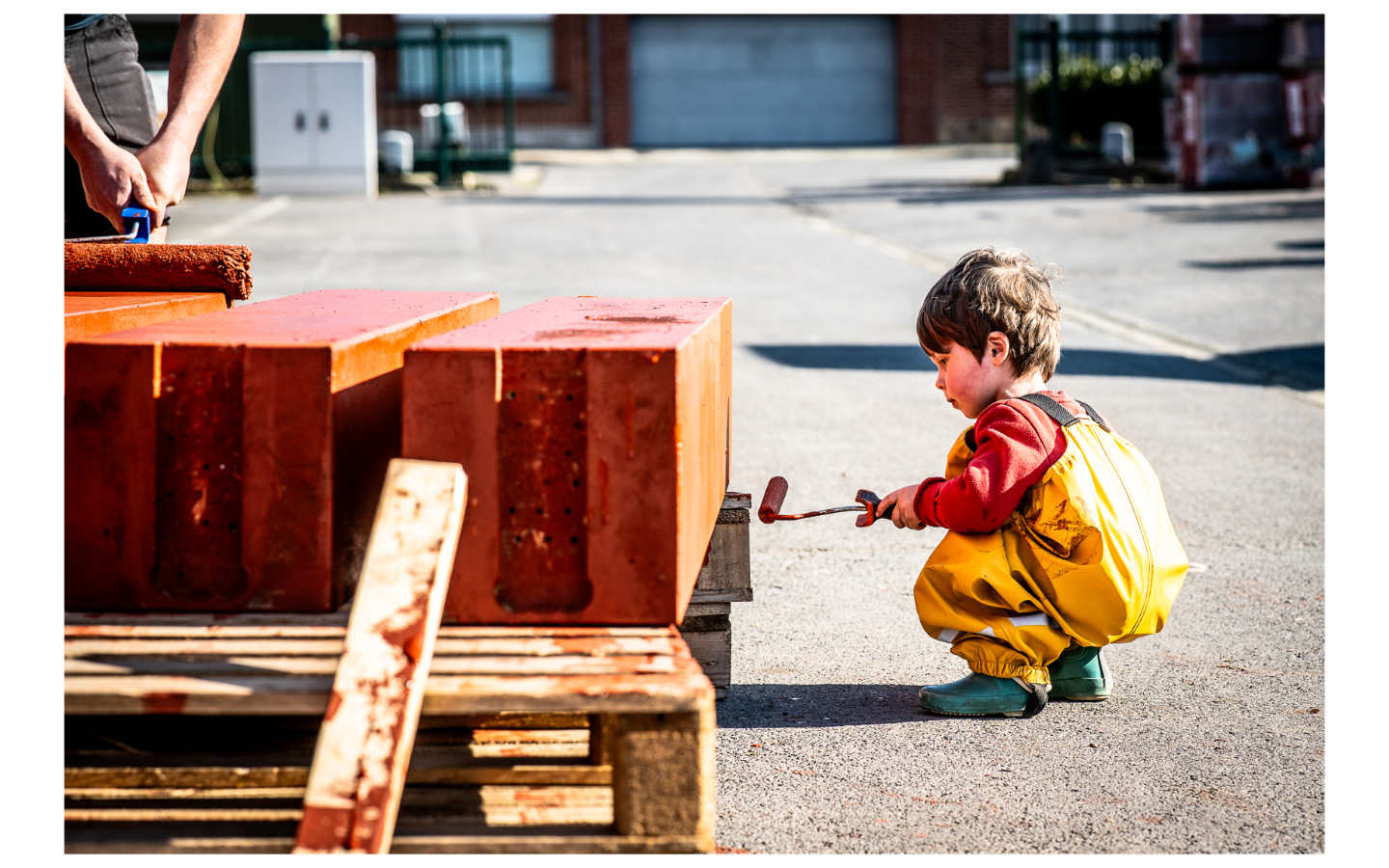
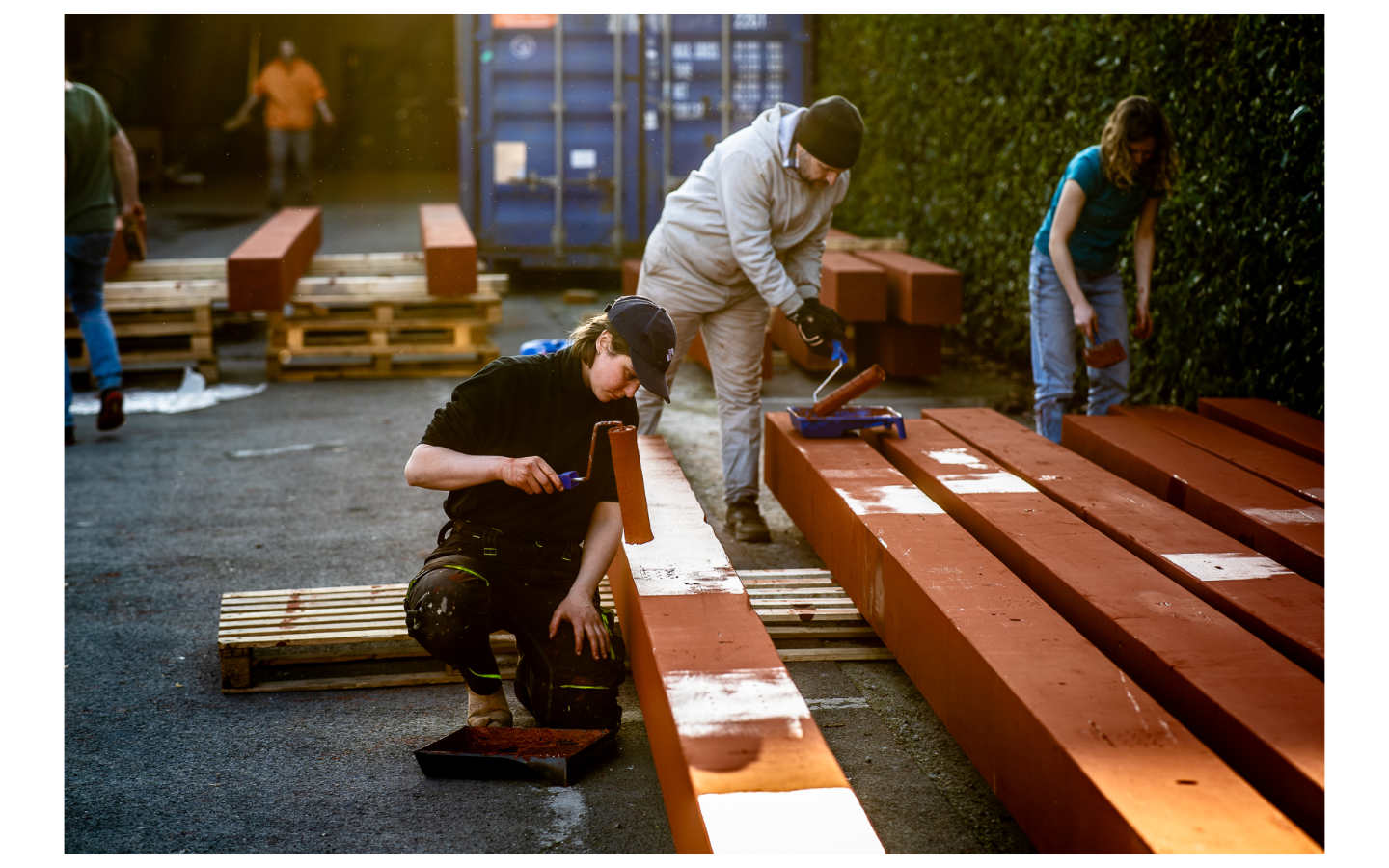
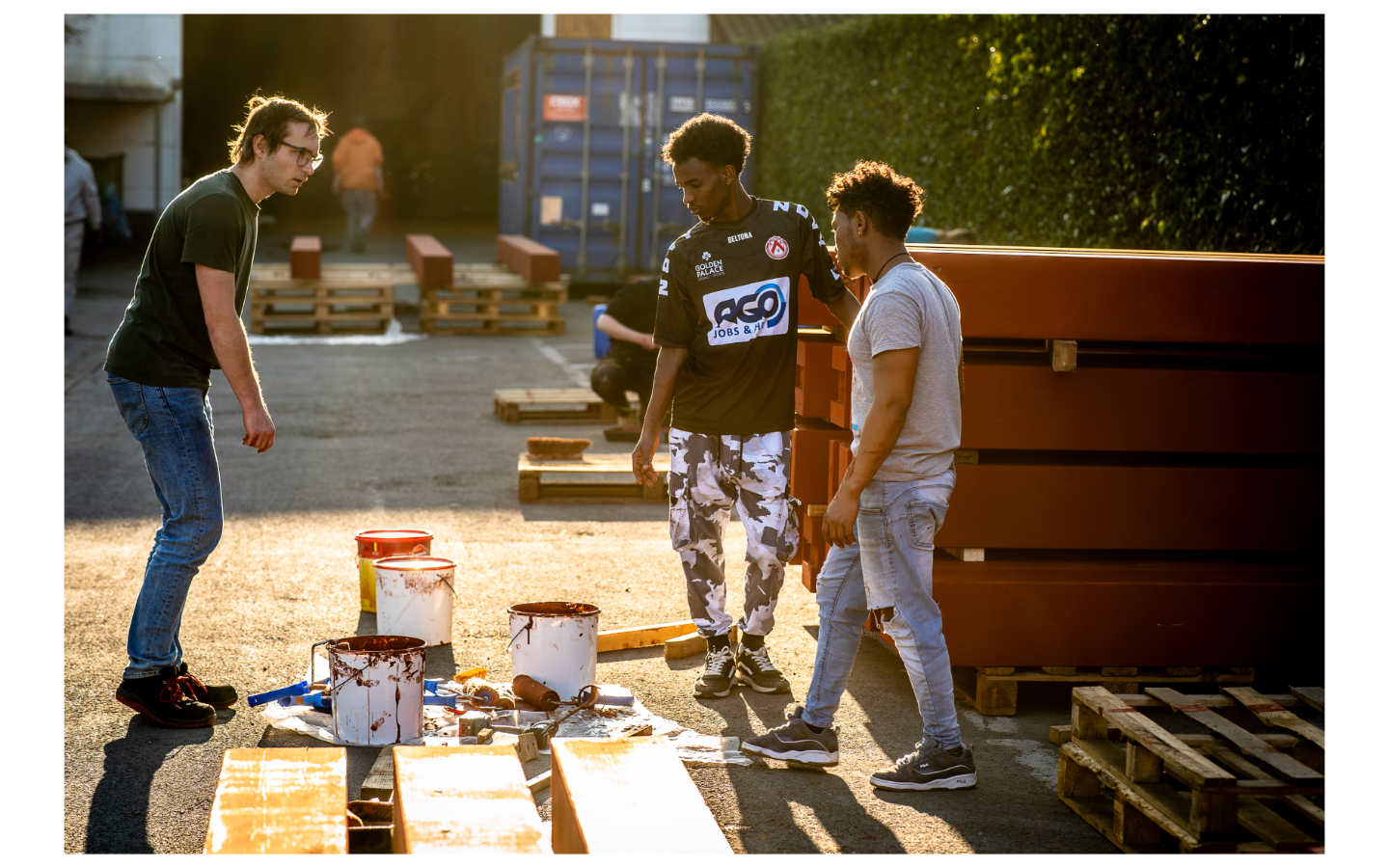
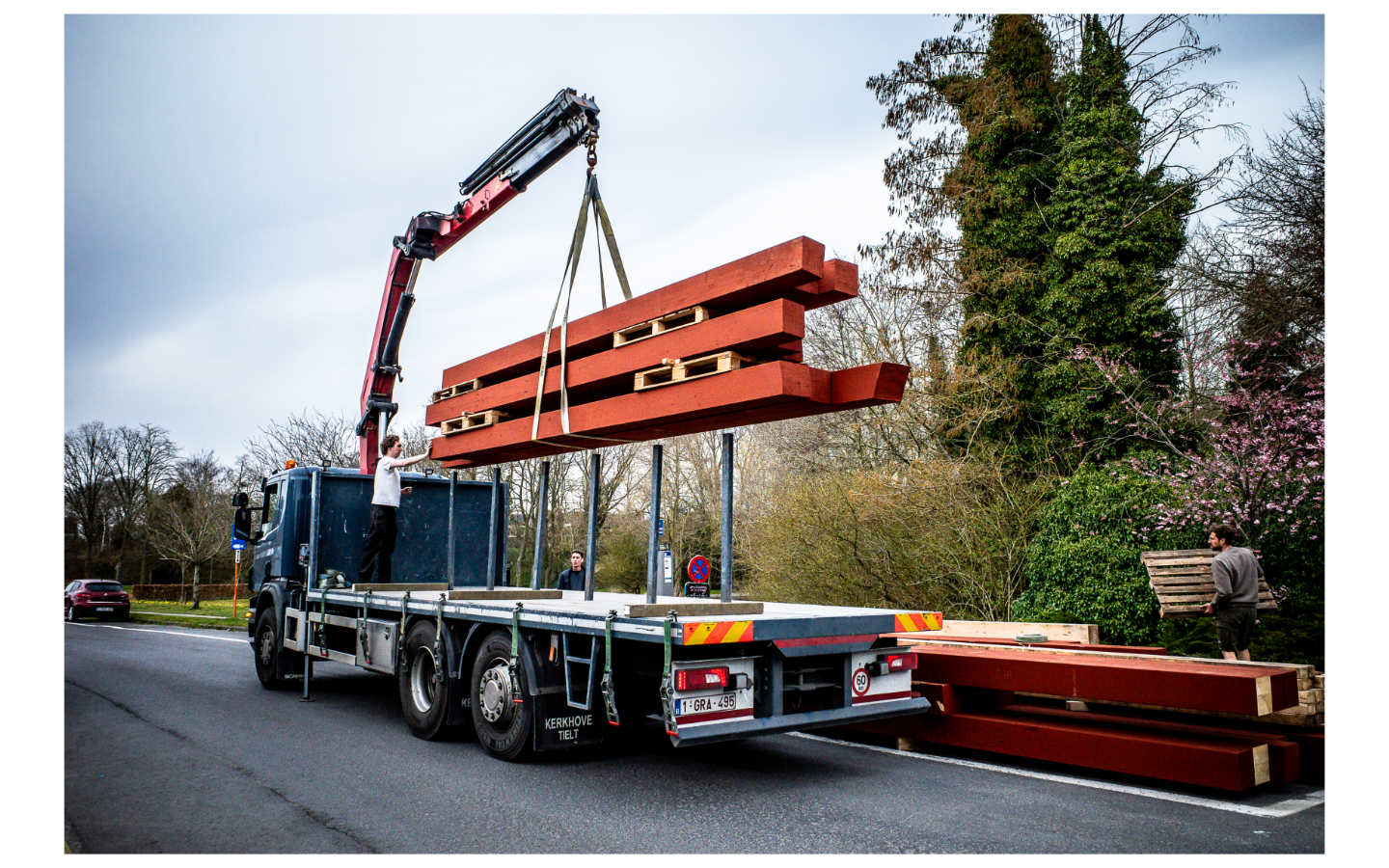
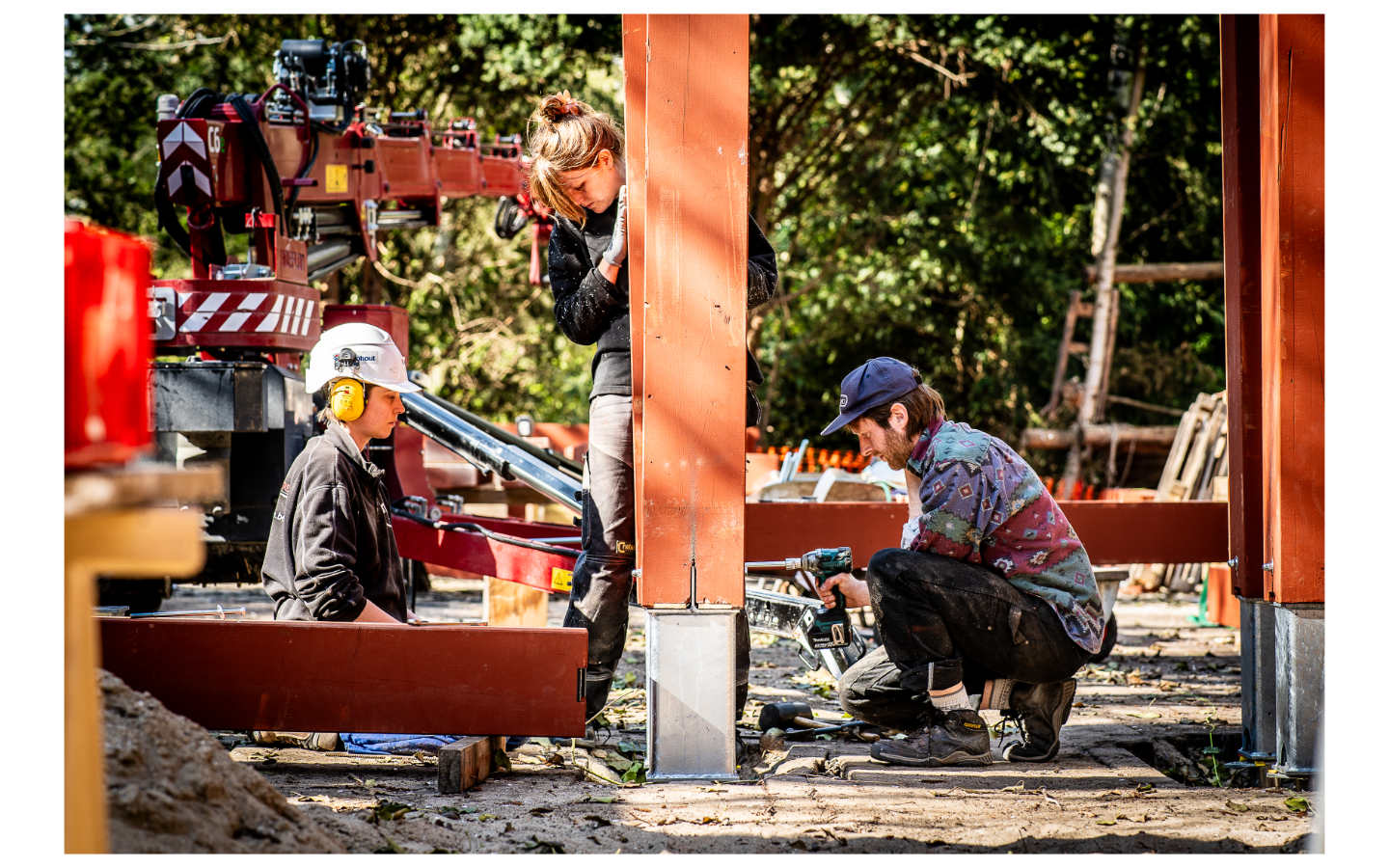
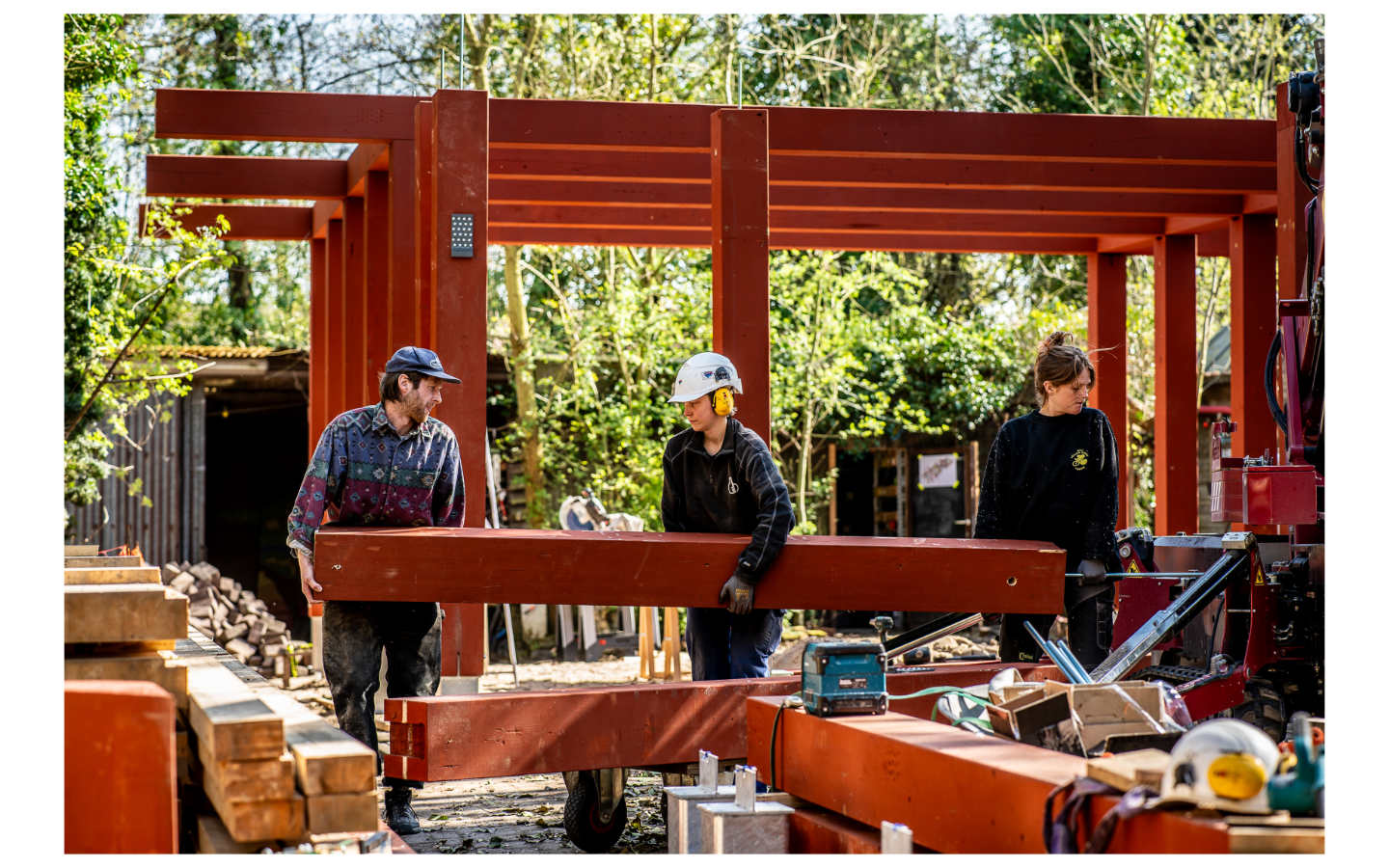
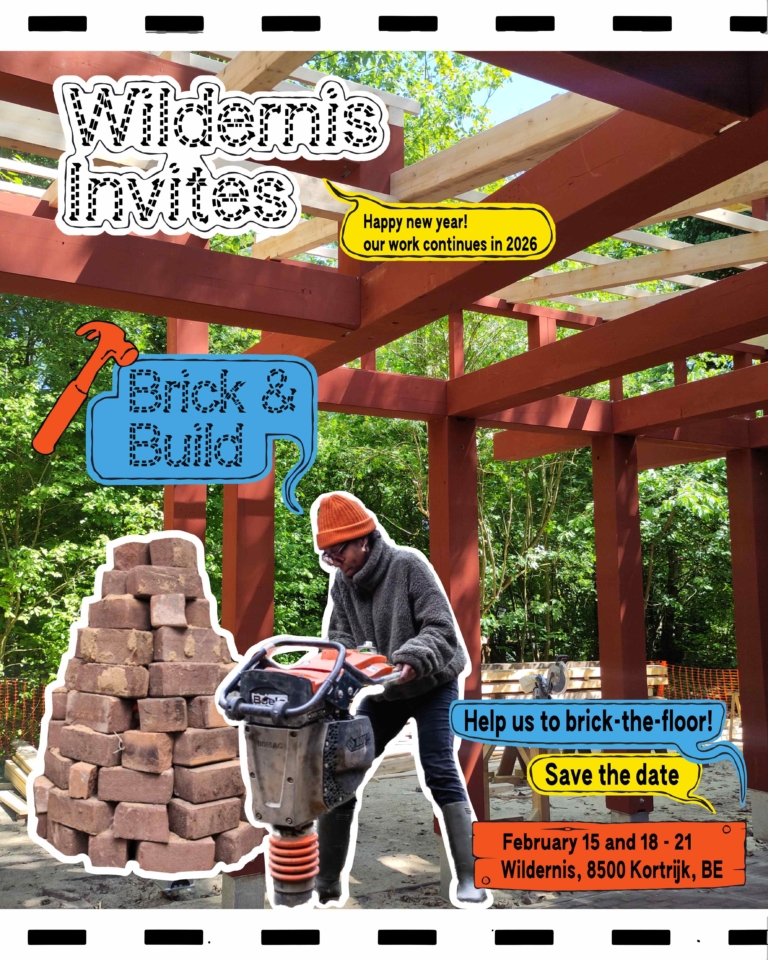
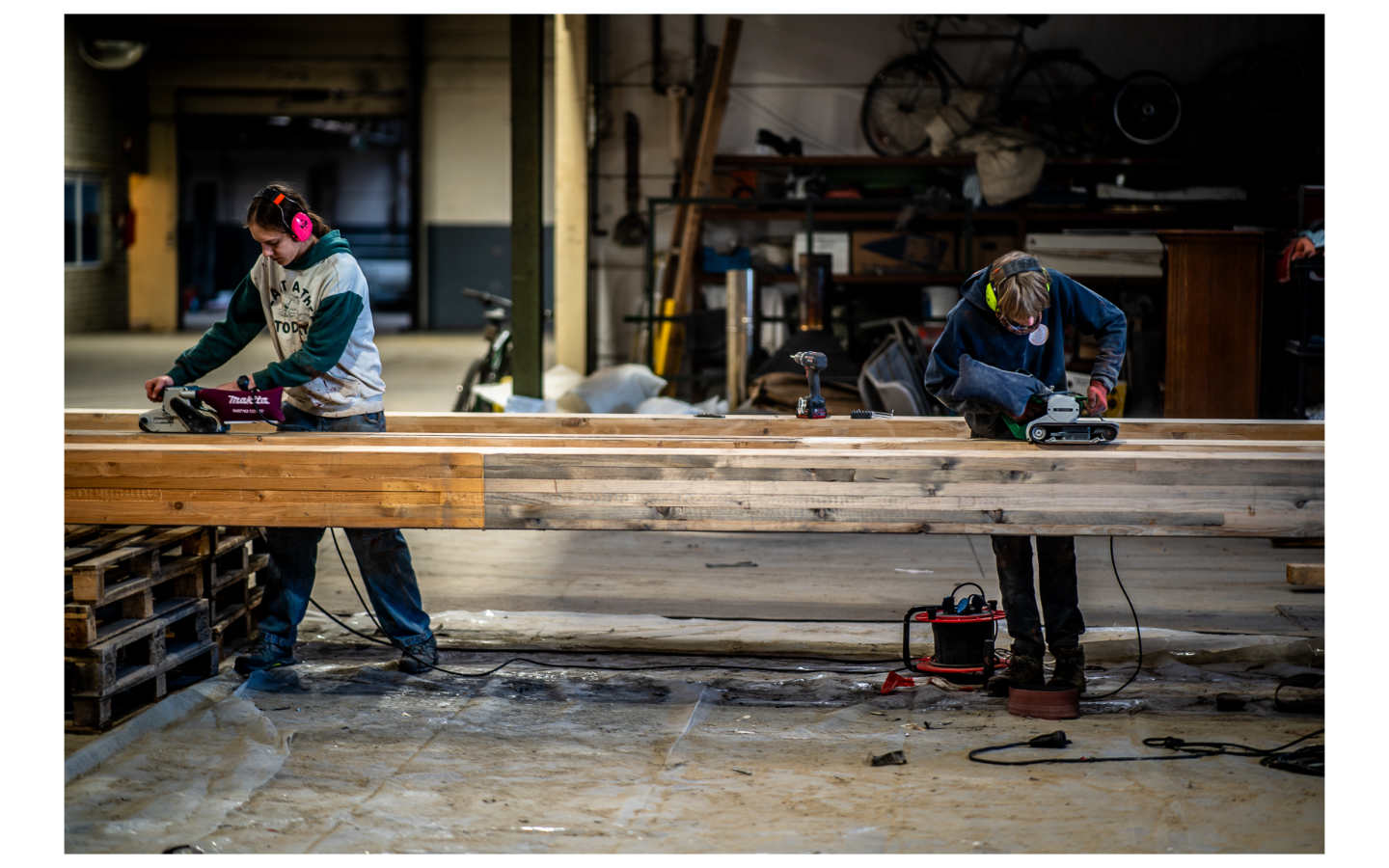
In fact, Wildernis Invites goes back to November 2022 and is linked to another Constructlab project: How to de-construct the German pavilion which was dedicated to the dismanteling of an existing wooden structure in Almere (NEL). The wood was transferred to Wevelgem, a small town only about 9km away from the Island of Wildernis in Kortrijk where it was stored for some time. In the meantime preparations for Wildernis Invites were taken. This meant especially two aspects: designing the wooden structure of the pavilion and organising a Culture Move residency program funded by the EU to activate the pavilion. In March 2025 we were able to start with “Cut and Paint”, where the wooden beams were prepared for the construction: sorted, sanded, cut and painted.
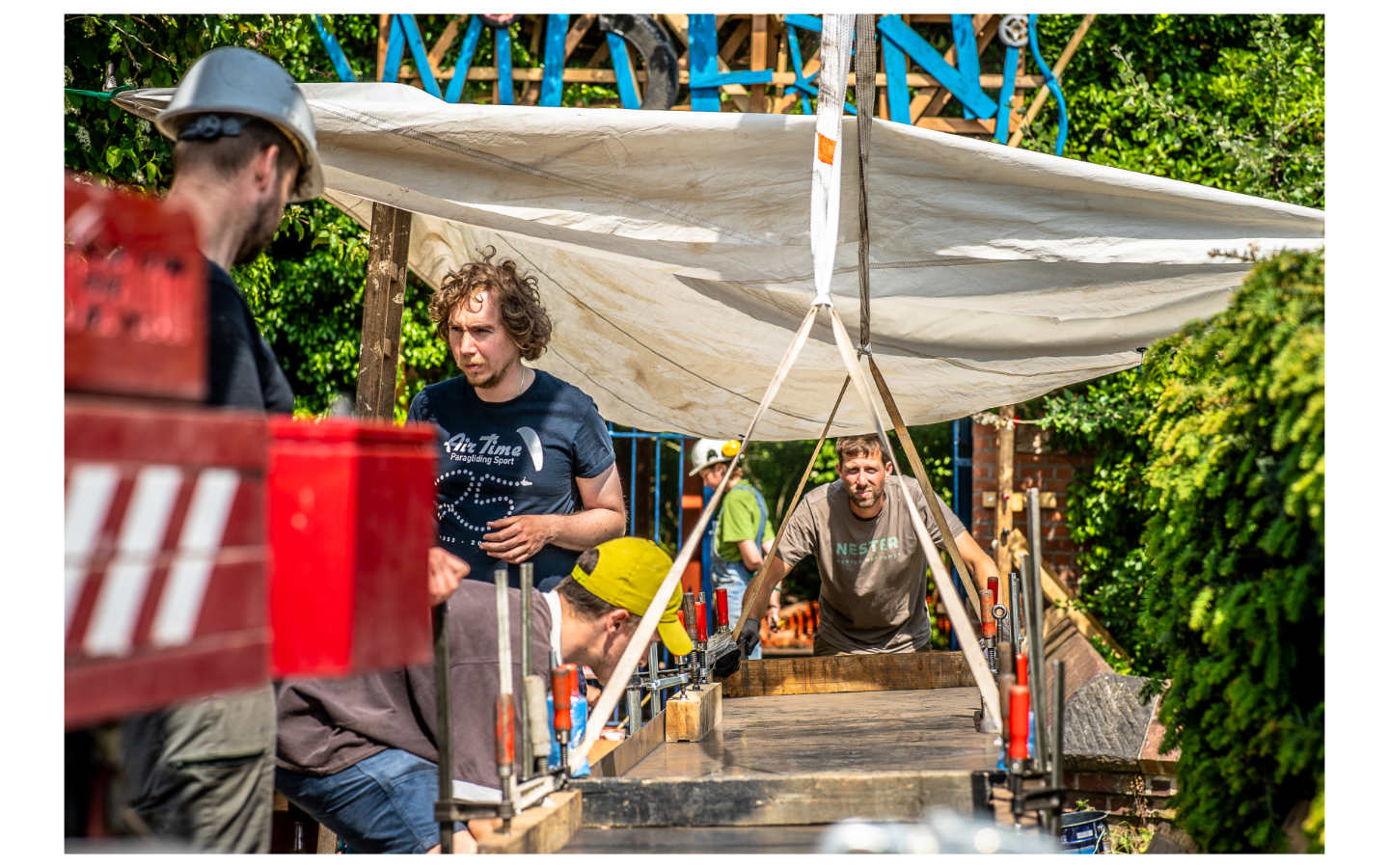
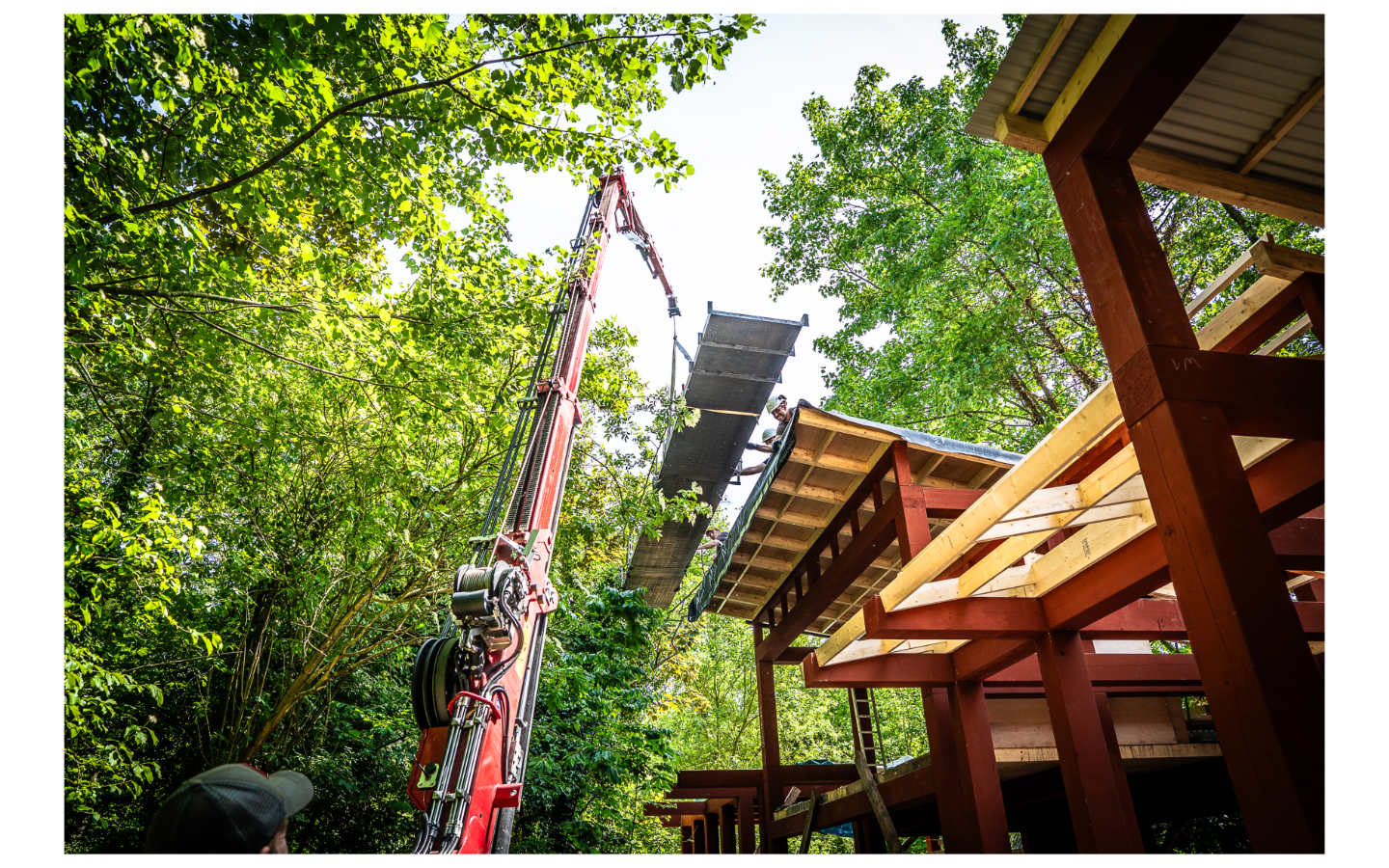
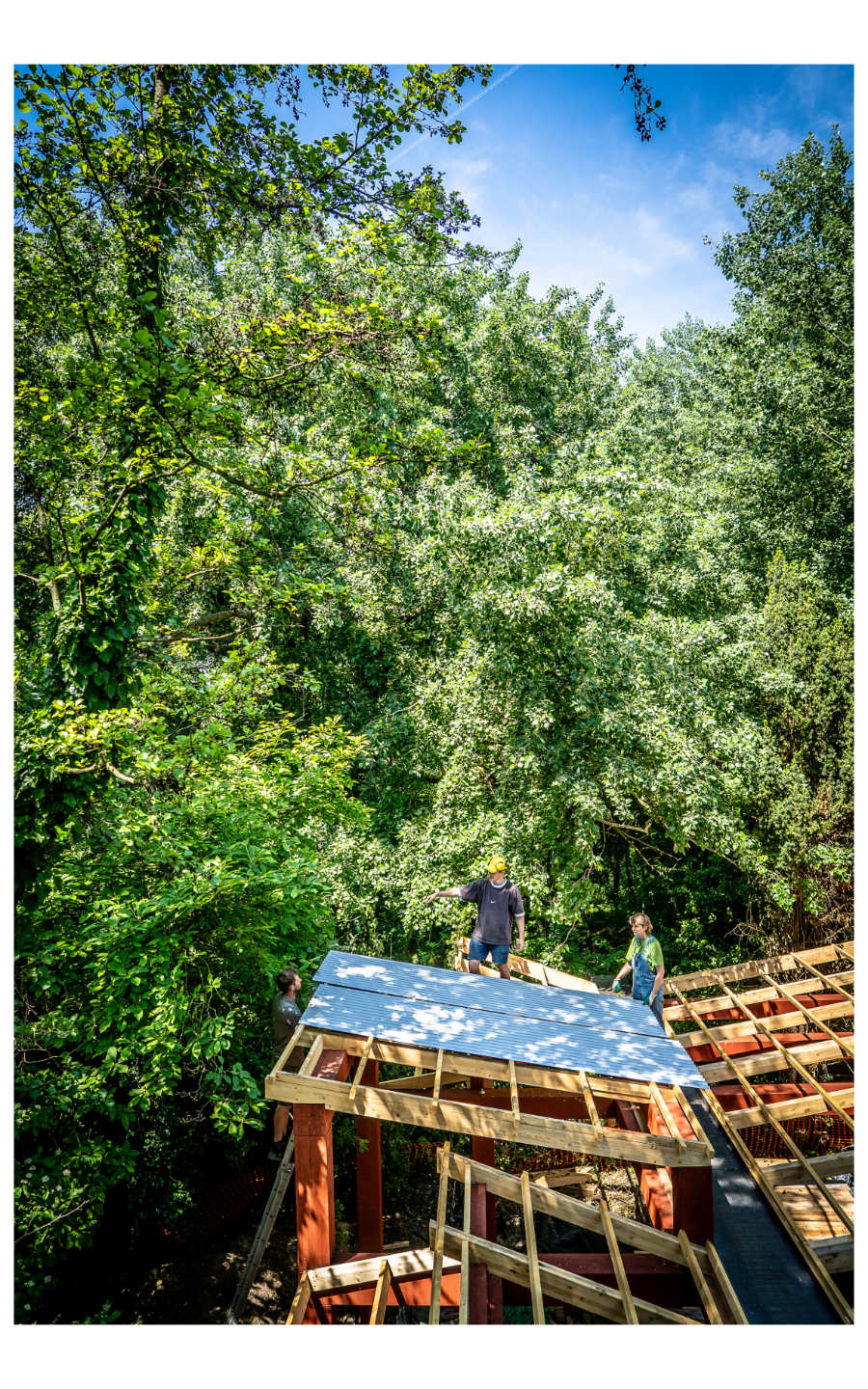
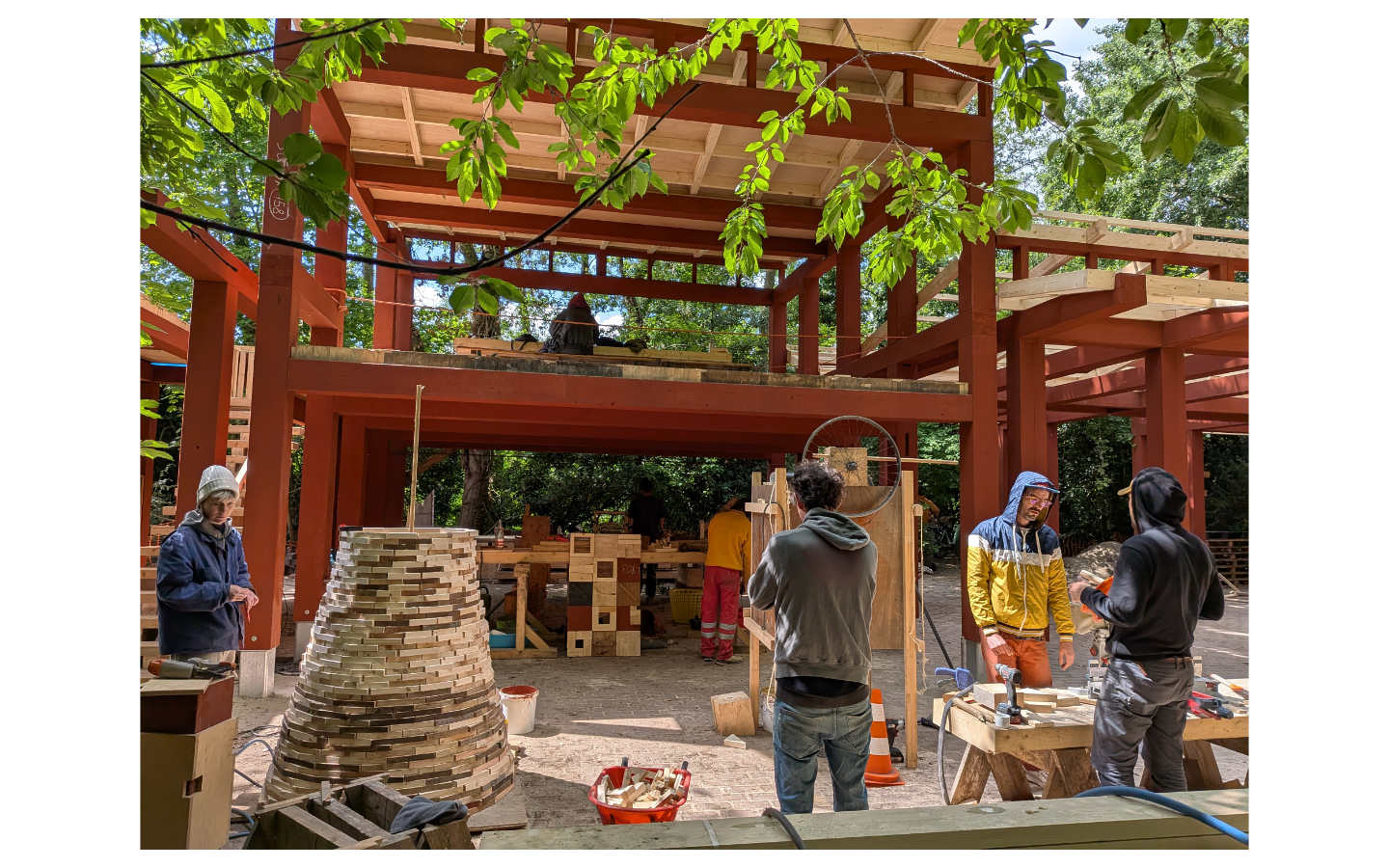
It was a hands-on, collective effort that reignited the project’s energy. In a next step the proto-structure of the pavilion was built. The pavilion would grow step by step, beam by beam, column by column with many hearts, brains and hands involved. Later on – already during the Culture Move residencies – the roof was finished in a collective effort.
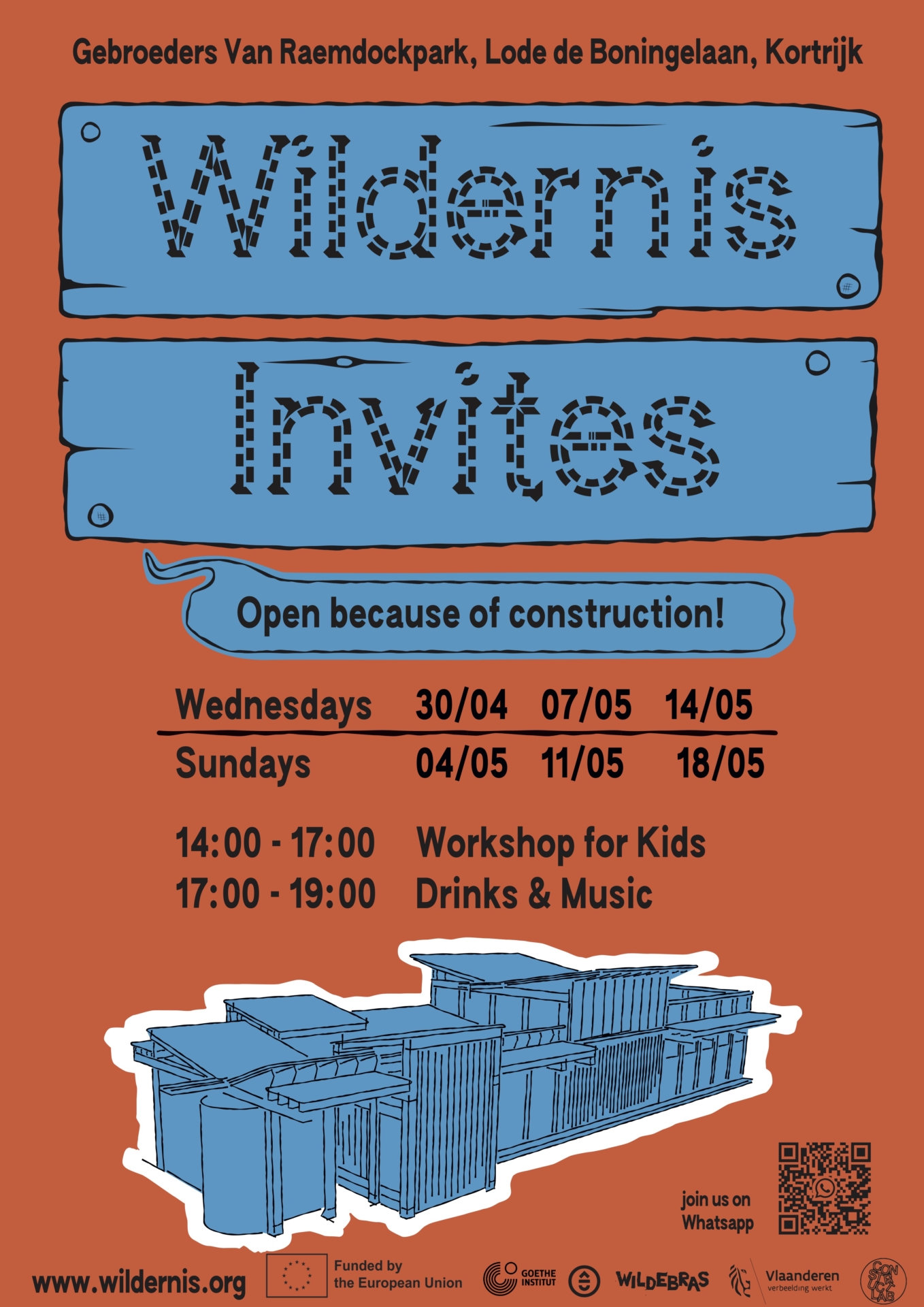
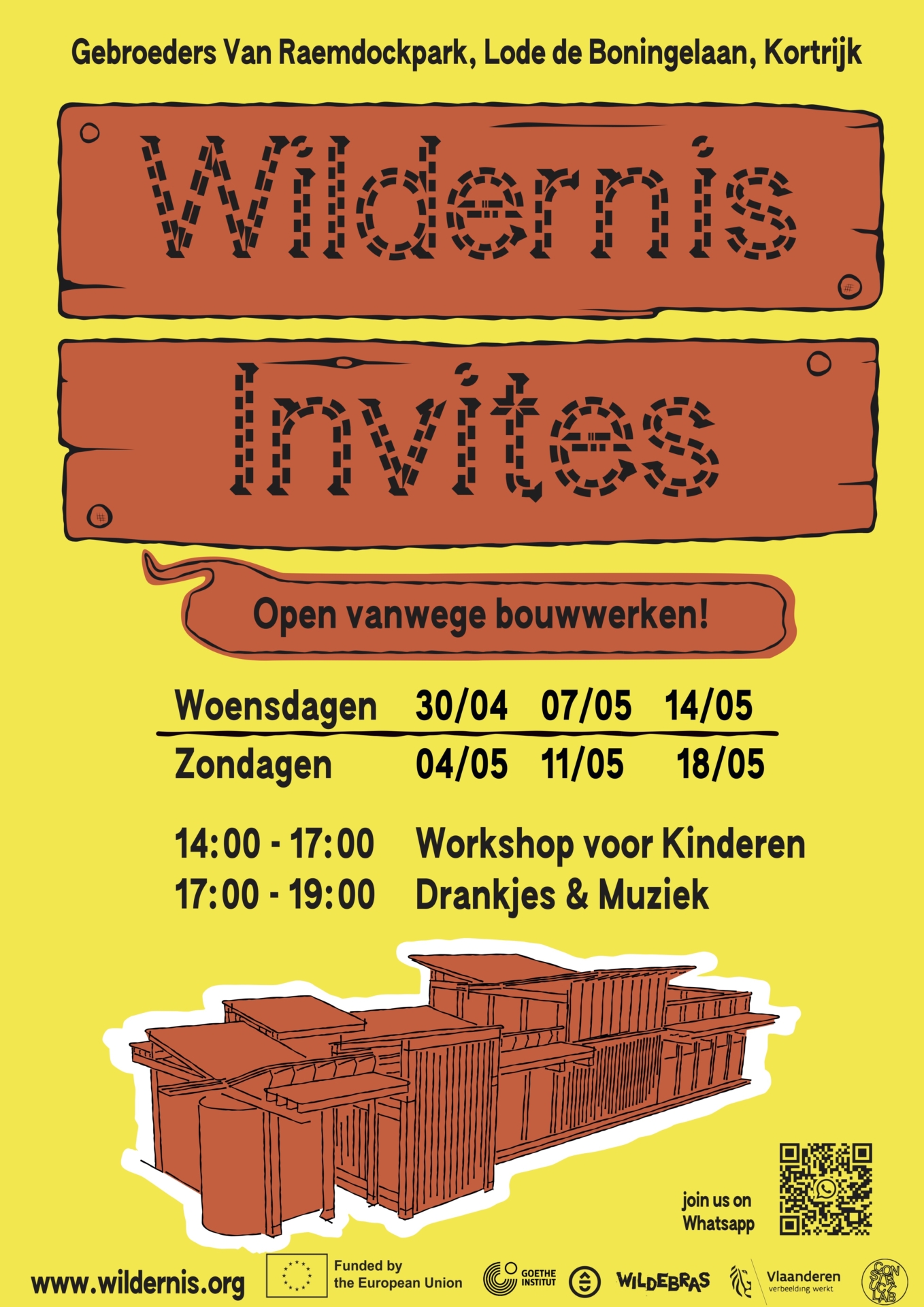
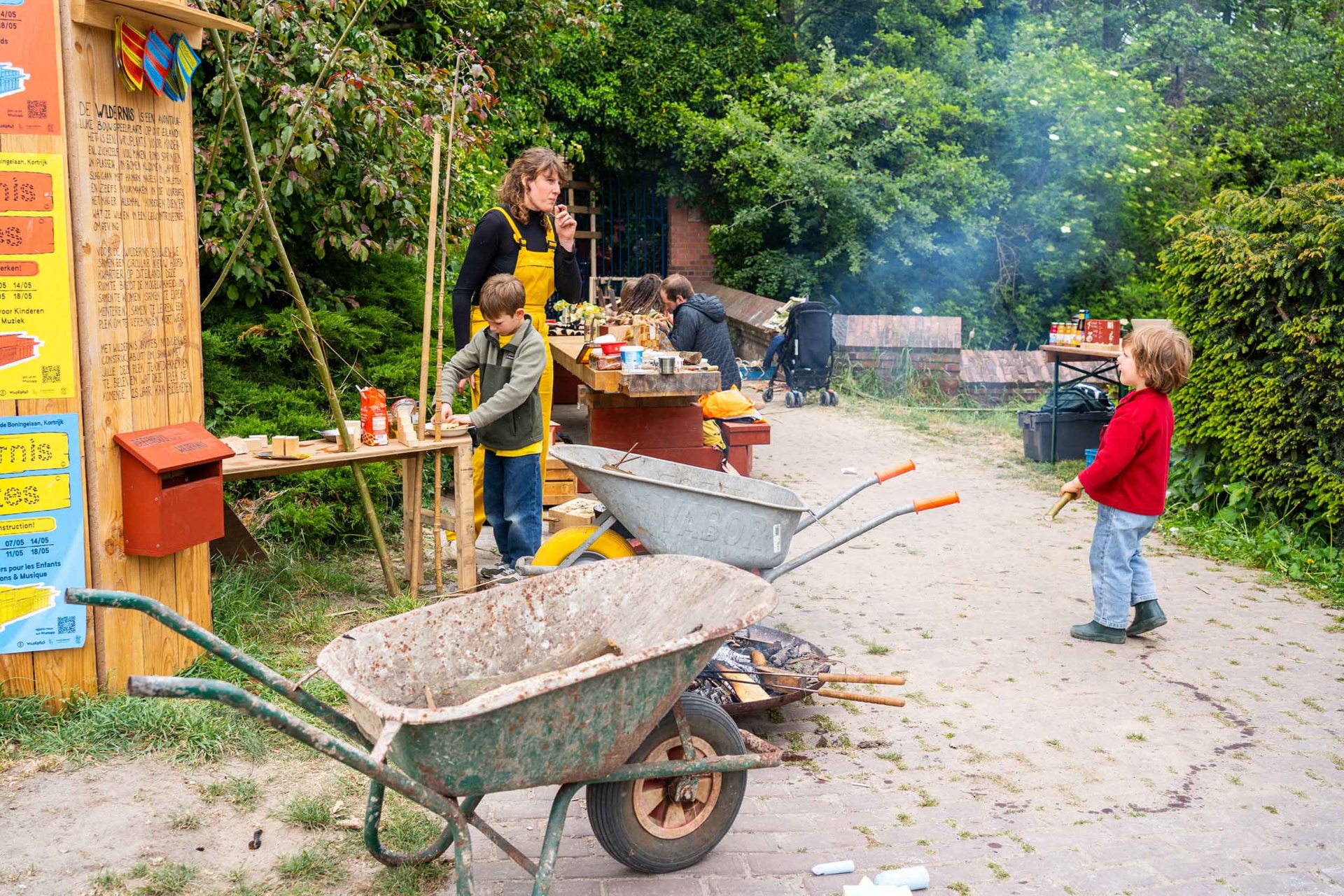
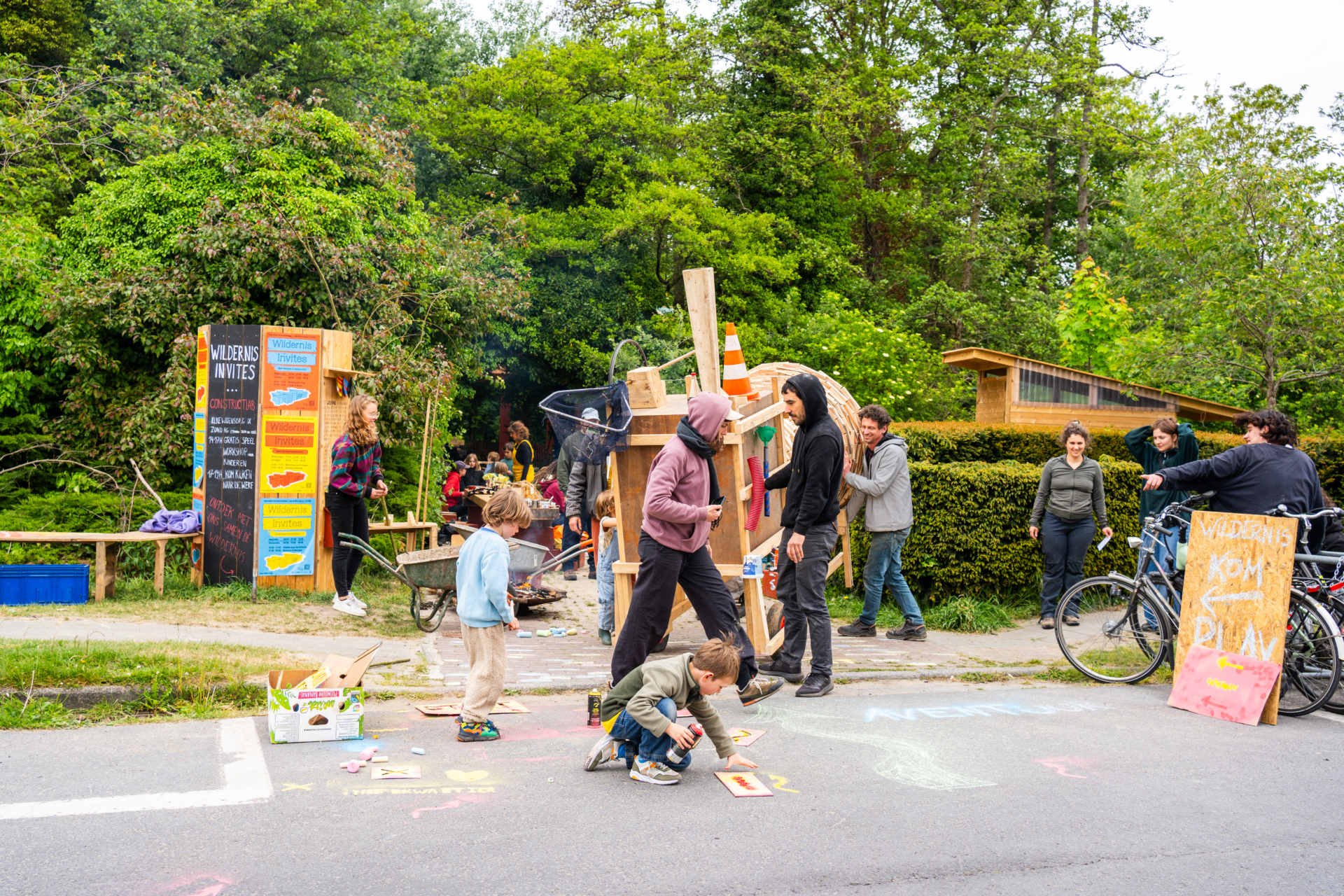
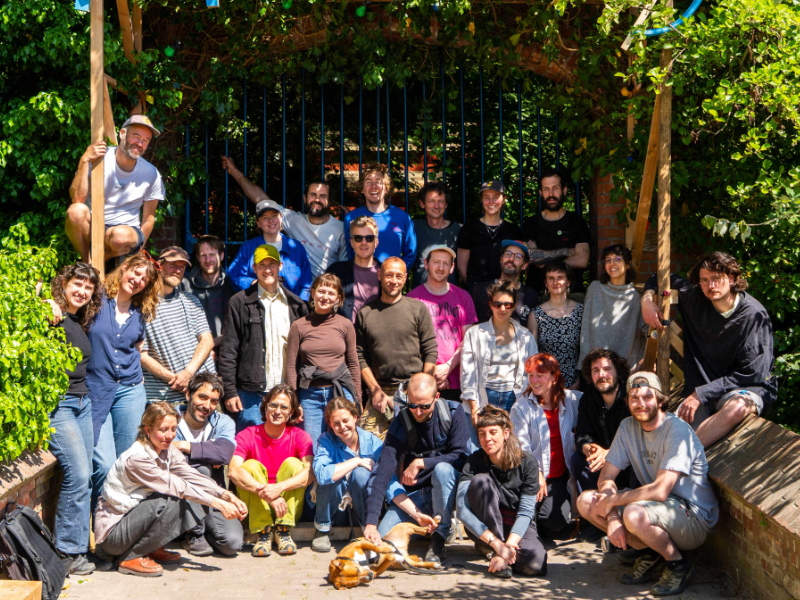
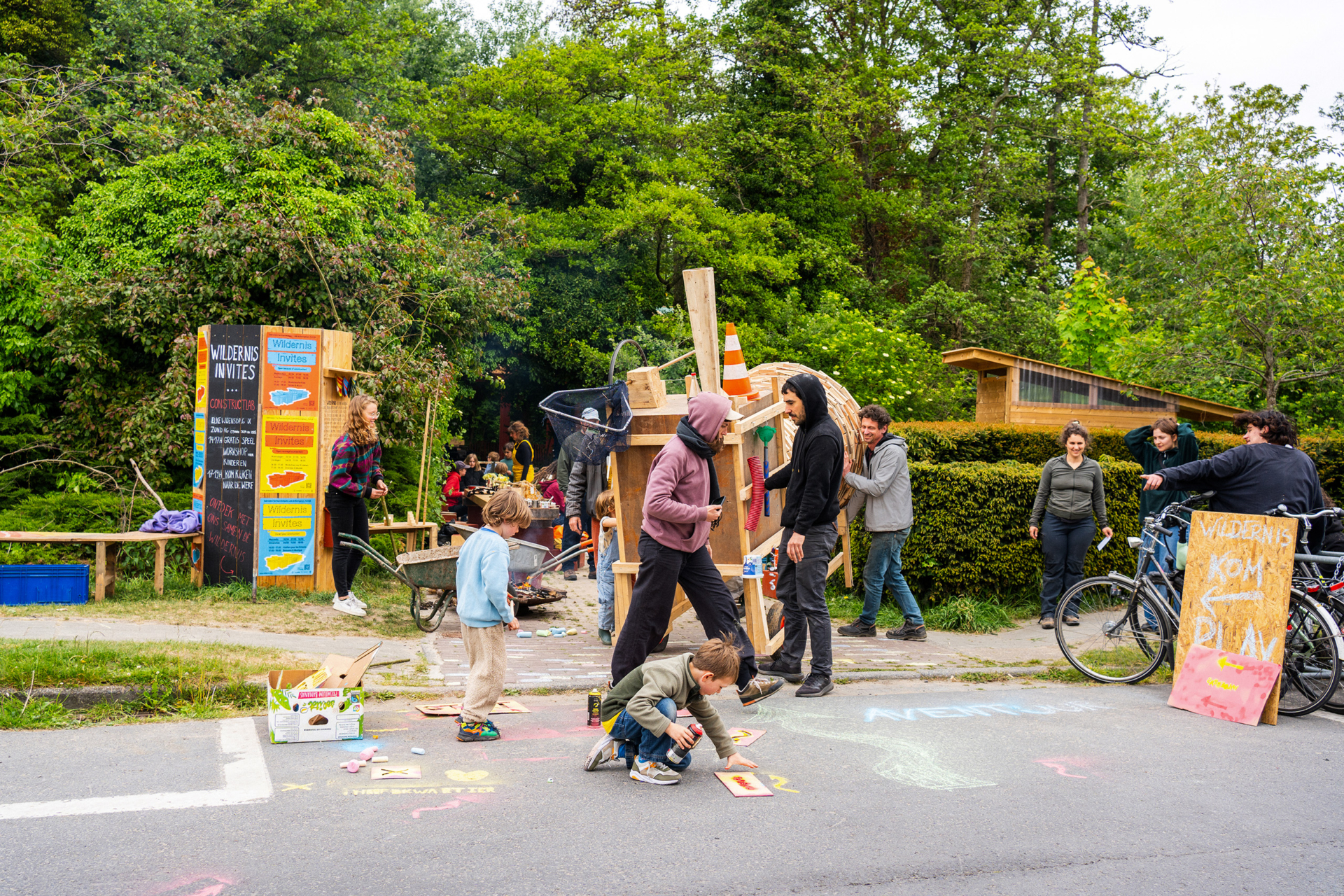
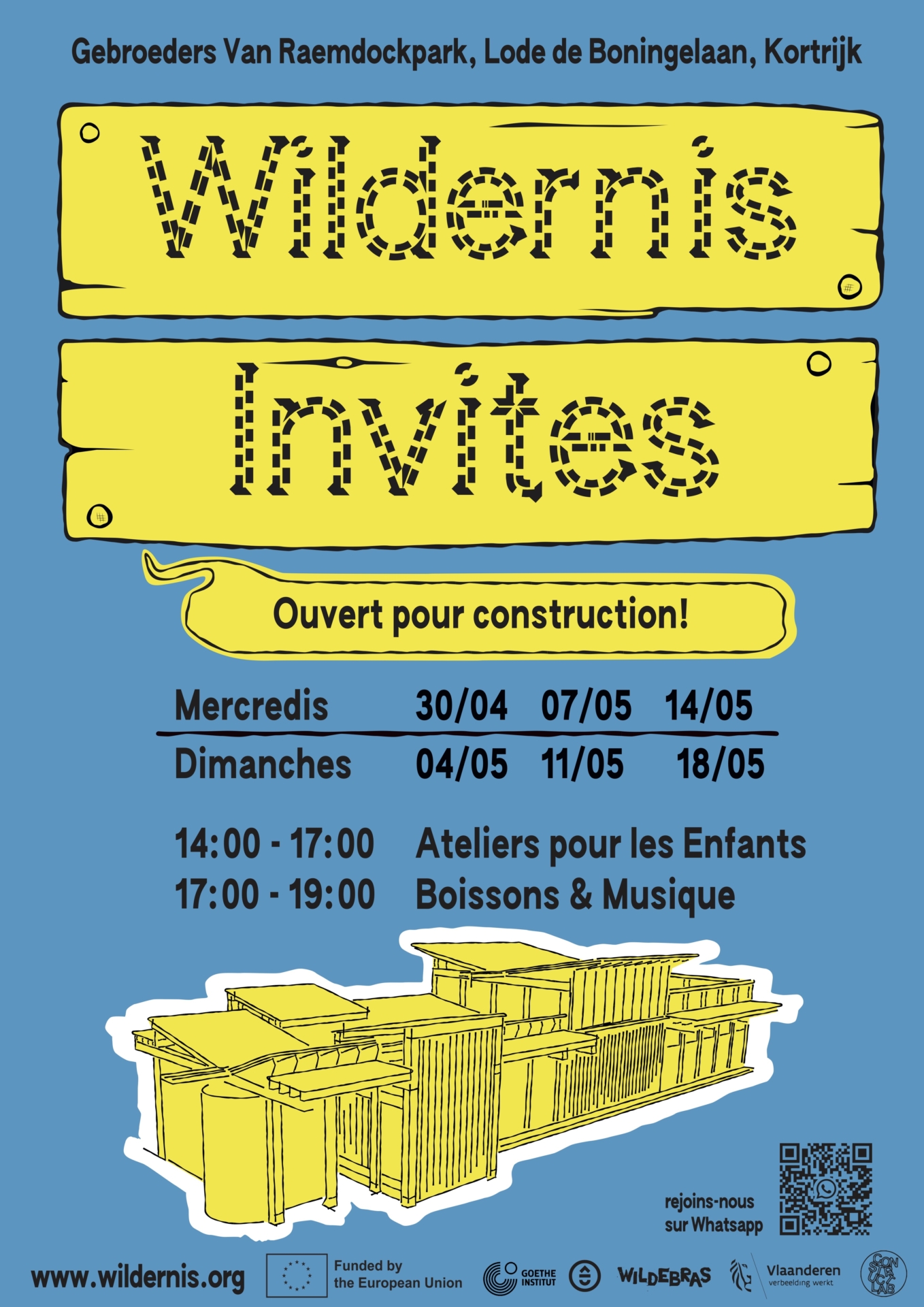
Besides the construction of the pavilion the second objective of Wildernis Invites is the activation of the newly built space and its embedding into the neighborhood. This is the intention fueling the residency program Culture Move. Therefore – parallel to the construction – the organising team put a lot of effort in preparing for these residencies to create a welcoming space for those participating. The theme of play was hereby integral part of the Culture Move residencies and has been further explored by the 20 people from the Constructlab Network who joined the construction site for 2 -3 weeks working on various projects, exploring techniques, learning from and with each other. Their presence and activities were truly meaningful and left equally meaningful traces. Additionally during the timespan of the residencies (28th of April – 18th of May) the public was actively invited – through posters, a WhatsApp Group and maybe most importantly word of mouth – on Wednesday and Sunday afternoons to get in touch with the place and the people, to understand what is happening on this little island of Wildernis and to become part of it.
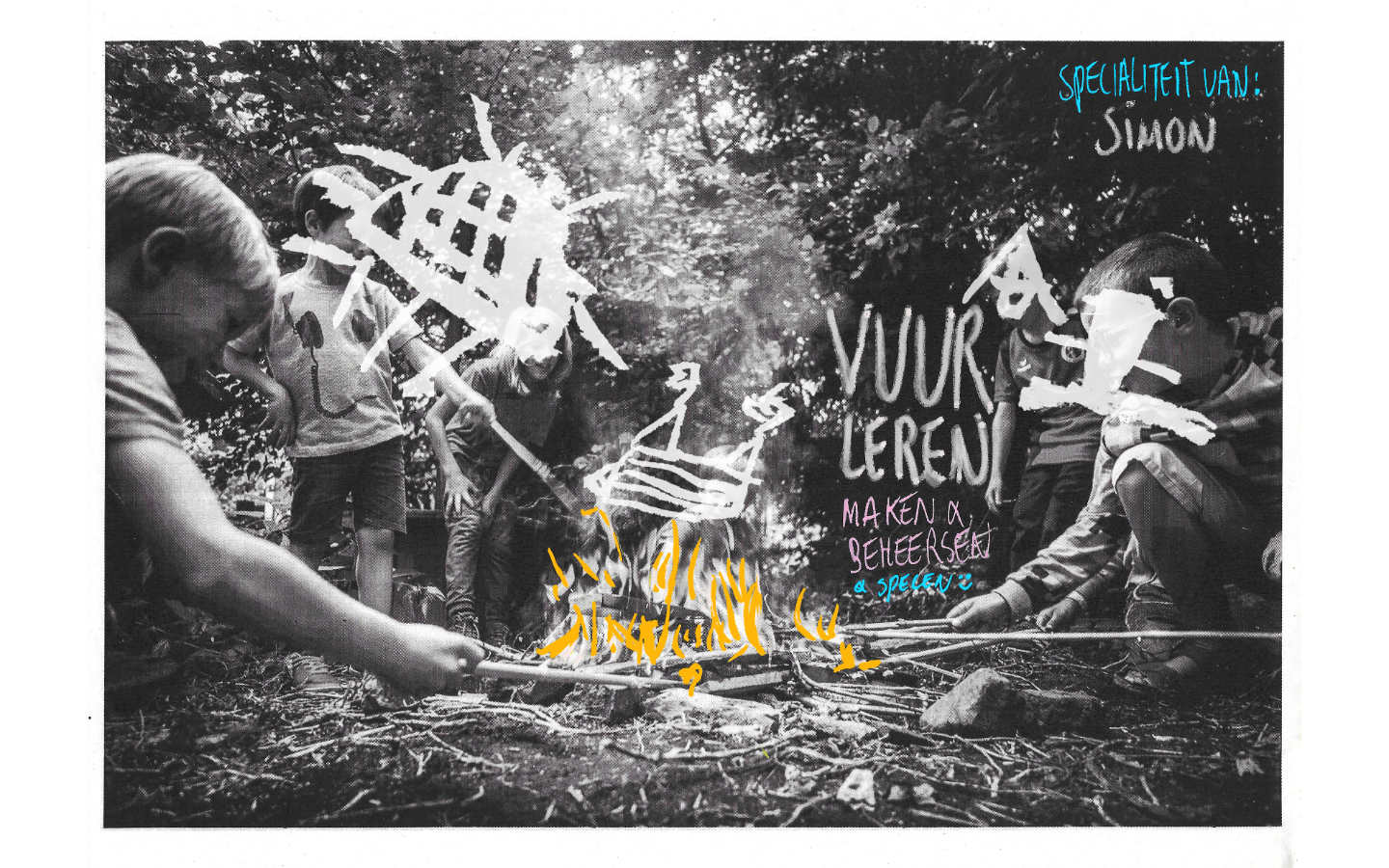
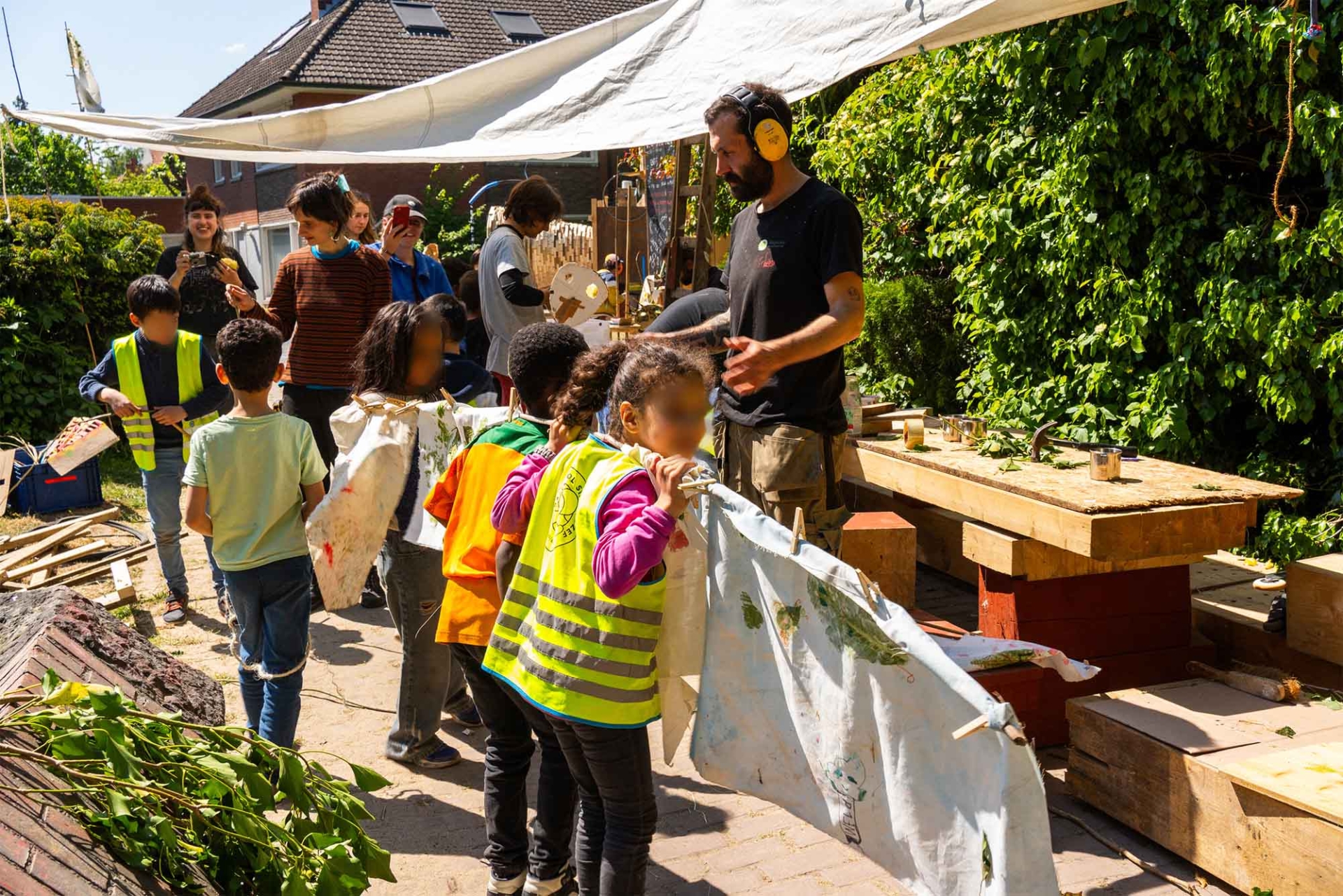
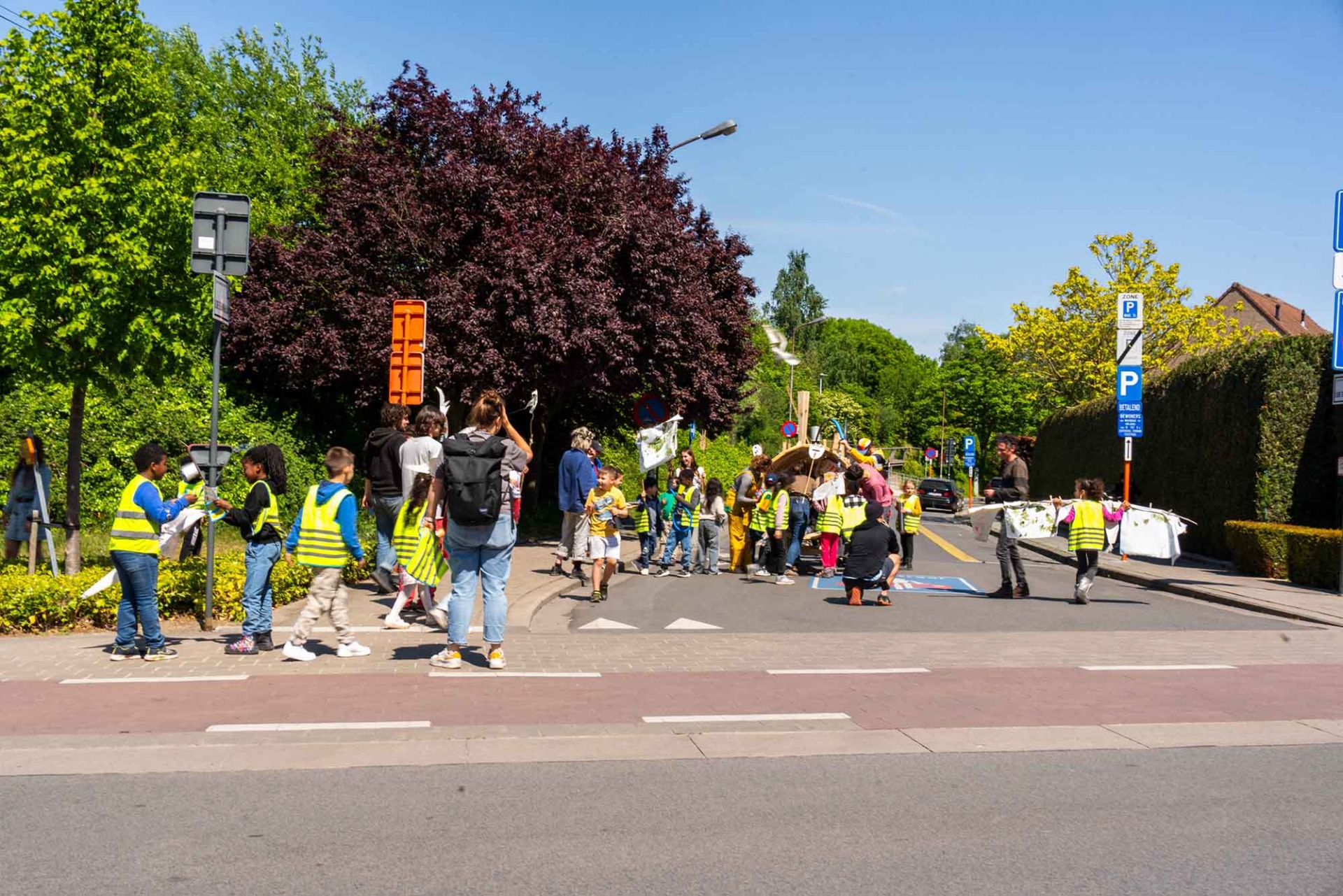
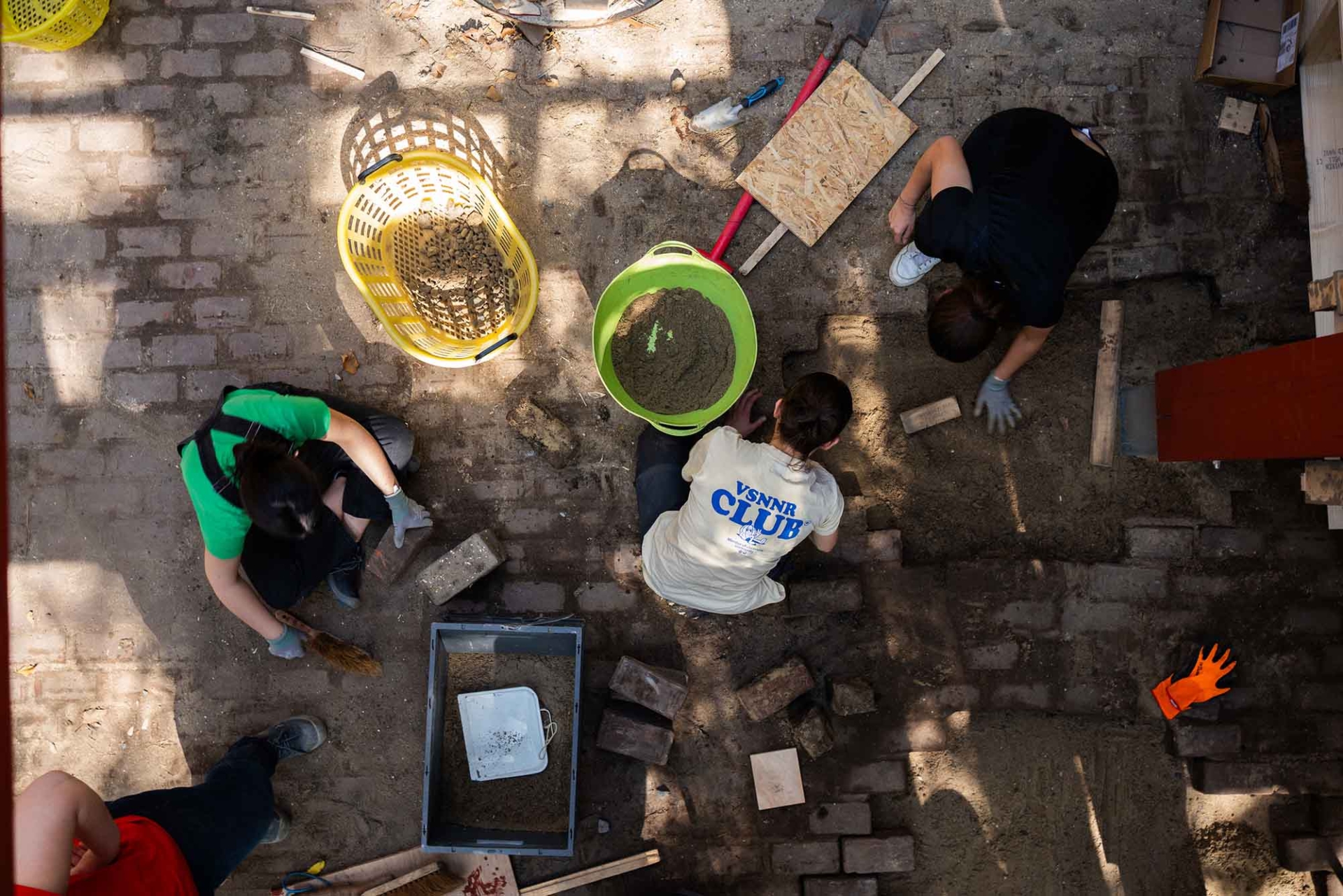
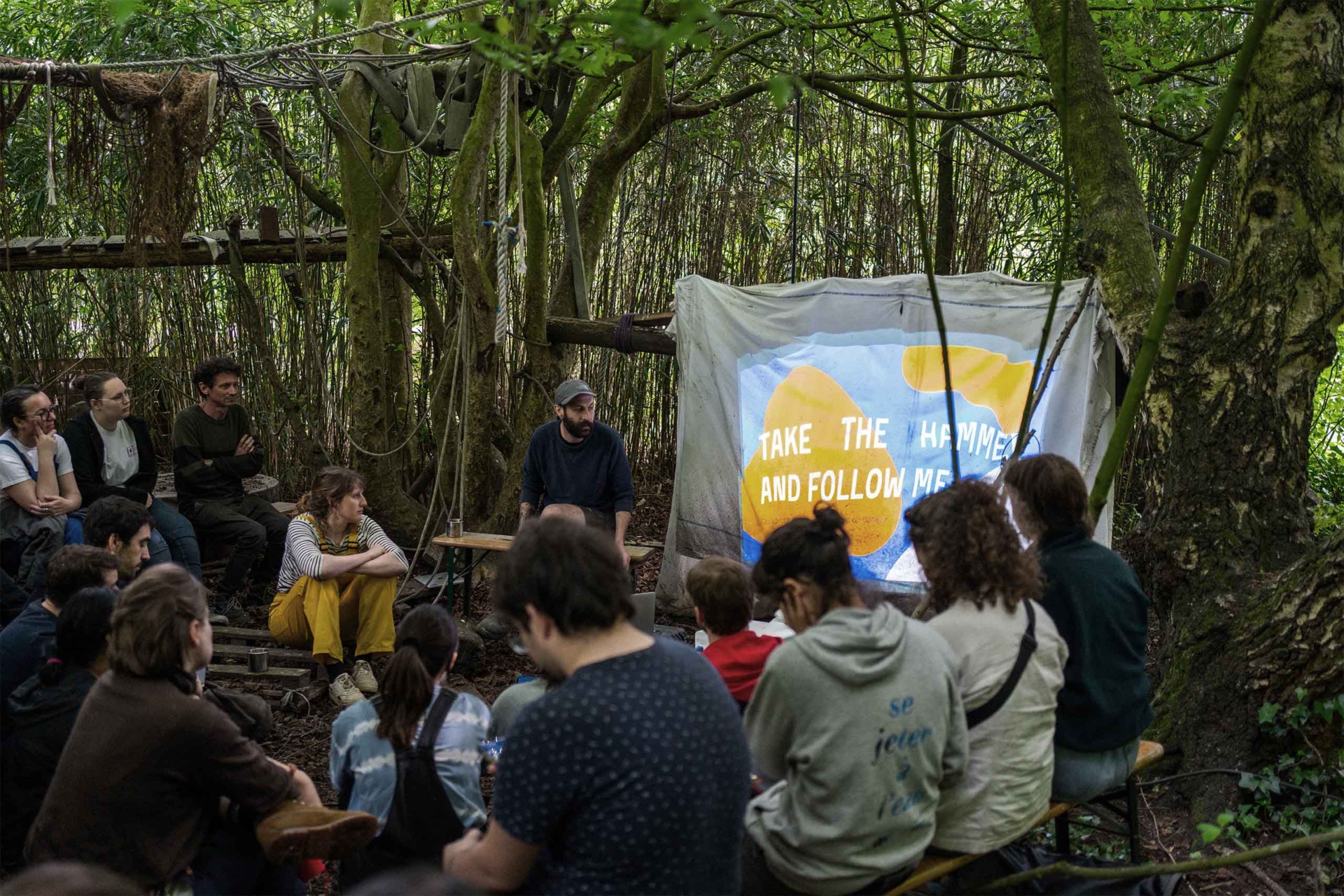
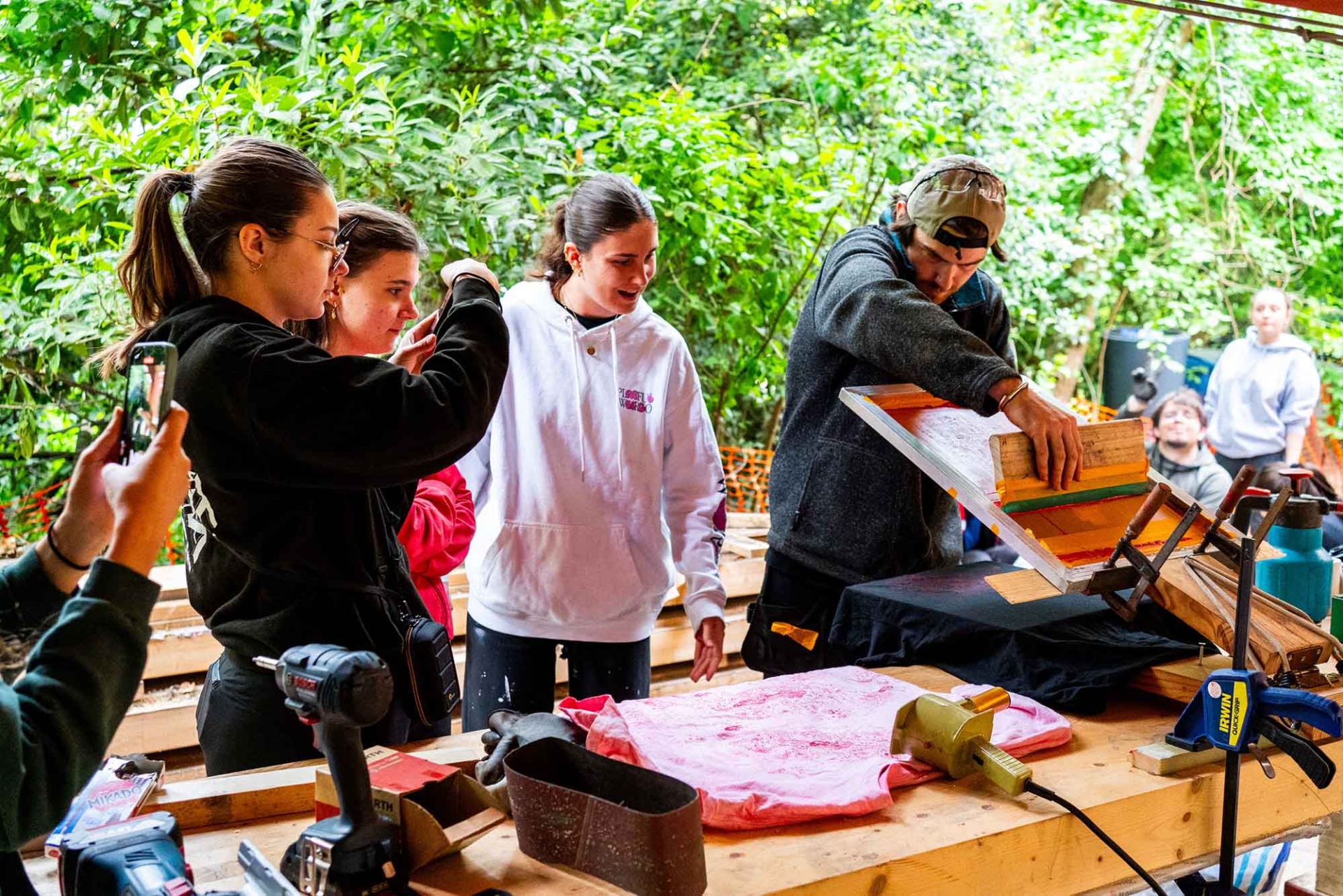
Within the context of these open days people from the network invited to different workshops which where thematically embedded in their activities. Topics were exploring sounds, clay as a material to sculpt and screenprint, spraypainting with stencils, engaging with various natural materials or baking waffles on the fire place. Apart from these open days additional happenings infused the space with liveliness and inspiration such as the presence of architecture students from Toulouse working on the floor of the pavilion for some days, presentations by Emma, Nicolas, Gonçalo, Diogo and by NomadCity, the visit of a school class and a follow up parade through the streets of Kortrijk or the visit of people from Constructlab Belgium and beyond. And always: all the people stopping by, playing on the island, having a chat or even just a curious peek on the island.
We meet again in Kortrijk—almost one year later—to continue the work on site at the island of Wildernis.
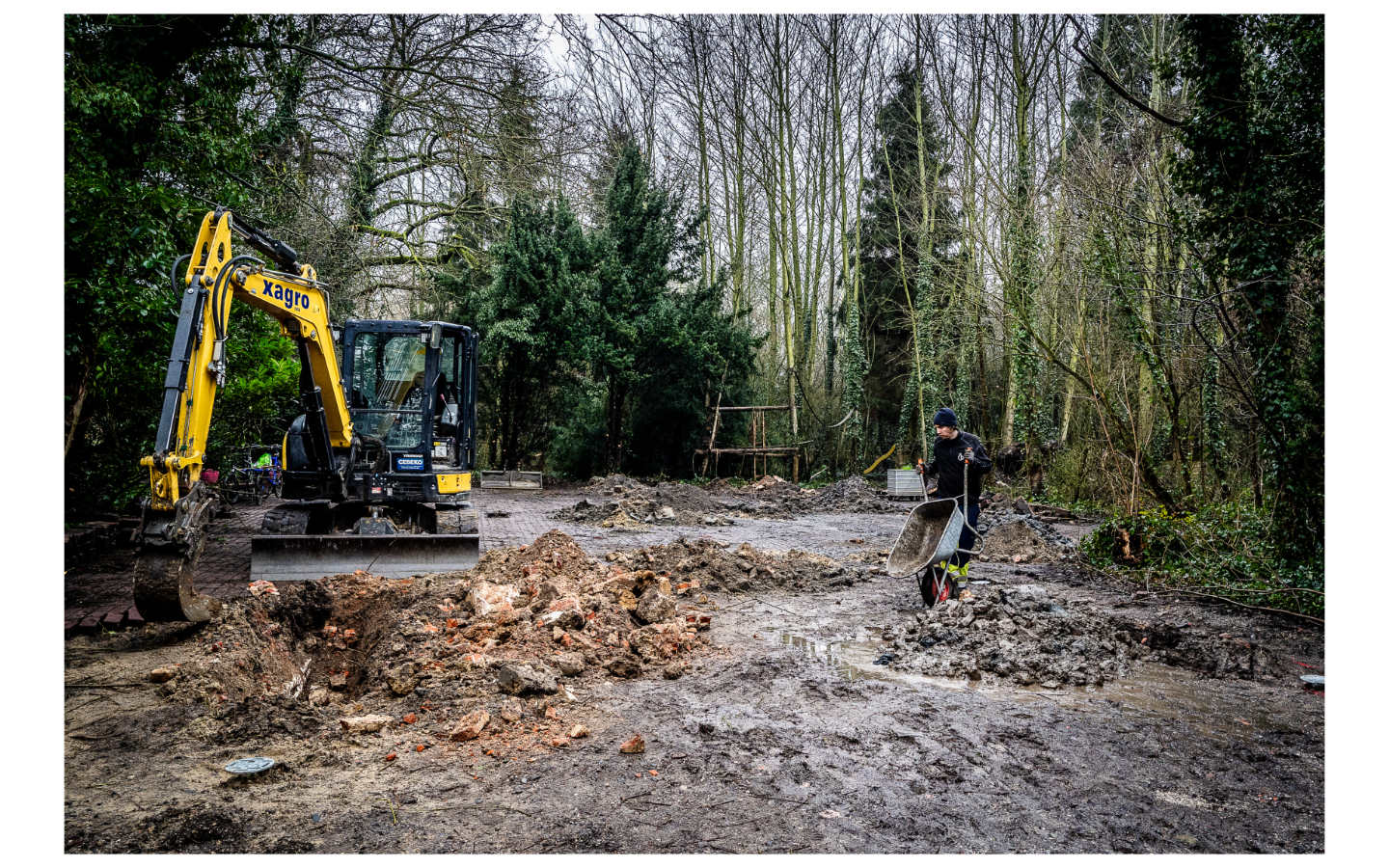
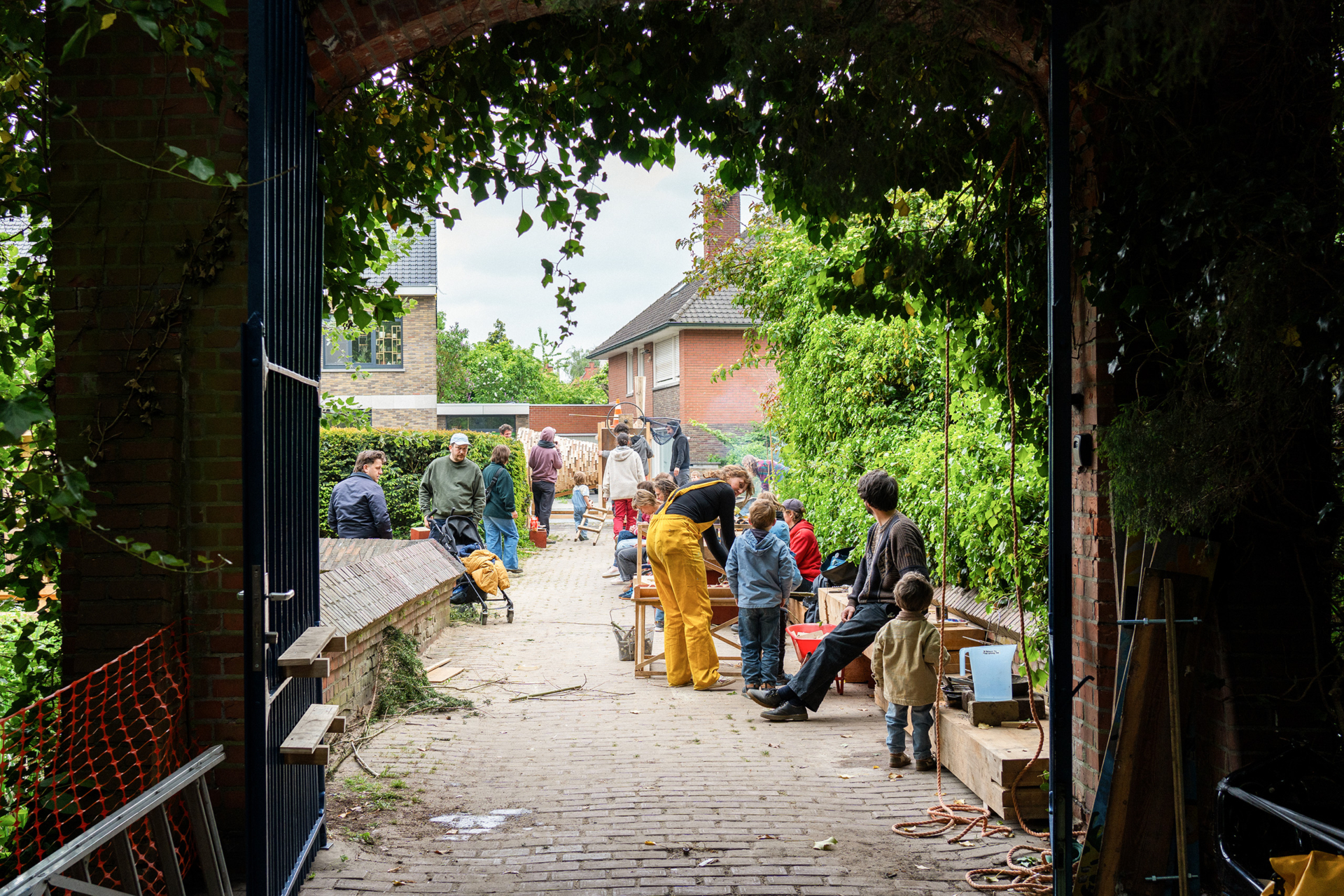
Returning after such a long time, we find that the place has already evolved in our absence. The tool shed has been demolished, and in its place stands a tent, where we will spend the next couple of weeks. As before, people move in and out of the island throughout the day—arriving at different times, staying for different durations—bringing their knowledge with them and leaving with new experiences shaped through co-living and working in the space.
The gate of the island begun taking a new meaning since last year when the project officially started. The gate of the island can be understood as a threshold: a space of crossing that both connects and divides. It separates different people, cultures, and forms of knowledge, while at the same time allowing them to meet and interact. In this sense, it becomes a key element of what we understand as a common space.
Here, at the threshold of Wildernis, exchange takes place. Ideas are shared, transformed, and reassembled. Collective invention begins to emerge through everyday interactions. This was already visible during Culture Moves Europe 2025, when members of the Constructlab network gathered on the island to develop prototypes—combining their ideas while working together on the island during the day and living together at Bolwerk over a period of time.
To engage with such a space, as this one, is to stand within this threshold—between action and reflection, practice and theory, experience and representation, participation and distance. These conditions do not exist separately, but simultaneously, shaping the dynamics of the common.
As described by Stavros Stavrides in Common Space: The City as Commons, a common space is one that is produced, used, and governed collectively through practices of sharing, participation, and negotiation, rather than controlled by the state or the market. Wildernis can be seen as such a space—one that exists and evolves through the collaboration of local communities in Kortrijk (including Wildebras, LZSB, Cinematek) and the wider Constructlab network.
At the same time, it is also a space that belongs to the city of Kortrijk, which actively supports and protects its existence. Yet, beyond institutional support, it is the ongoing involvement of people that truly sustains it. Communities and networks remain active through continuous, often unpredictable efforts—driven by those who choose to engage, contribute, and care for spaces like this.
Through these interactions, the project extends beyond its physical boundaries. It becomes part of a broader network of exchange—where materials, tools, infrastructures, and knowledge circulate between people and places. Volunteers, visitors, and collaborators contribute not only through physical work, but through the relationships they bring and create. In this way, the project engages with multiple territories at once, forming connections that continue to grow beyond the site itself.
Examining these dynamics also means exploring a potential model of collaboration—one that can support the creation and preservation of common spaces in our cities. A model based not on fixed structures, but on ongoing relationships, shared responsibility, and collective care.
At the same time, these processes can be understood through the lens of play.
Play here is not separate from work—it is embedded within it. It is a way of approaching materials, spaces, and each other without fixed outcomes. To be in a state of play means to let go of rigid habits and to engage with each situation as if for the first time. It is a form of attentiveness, openness, and responsiveness.
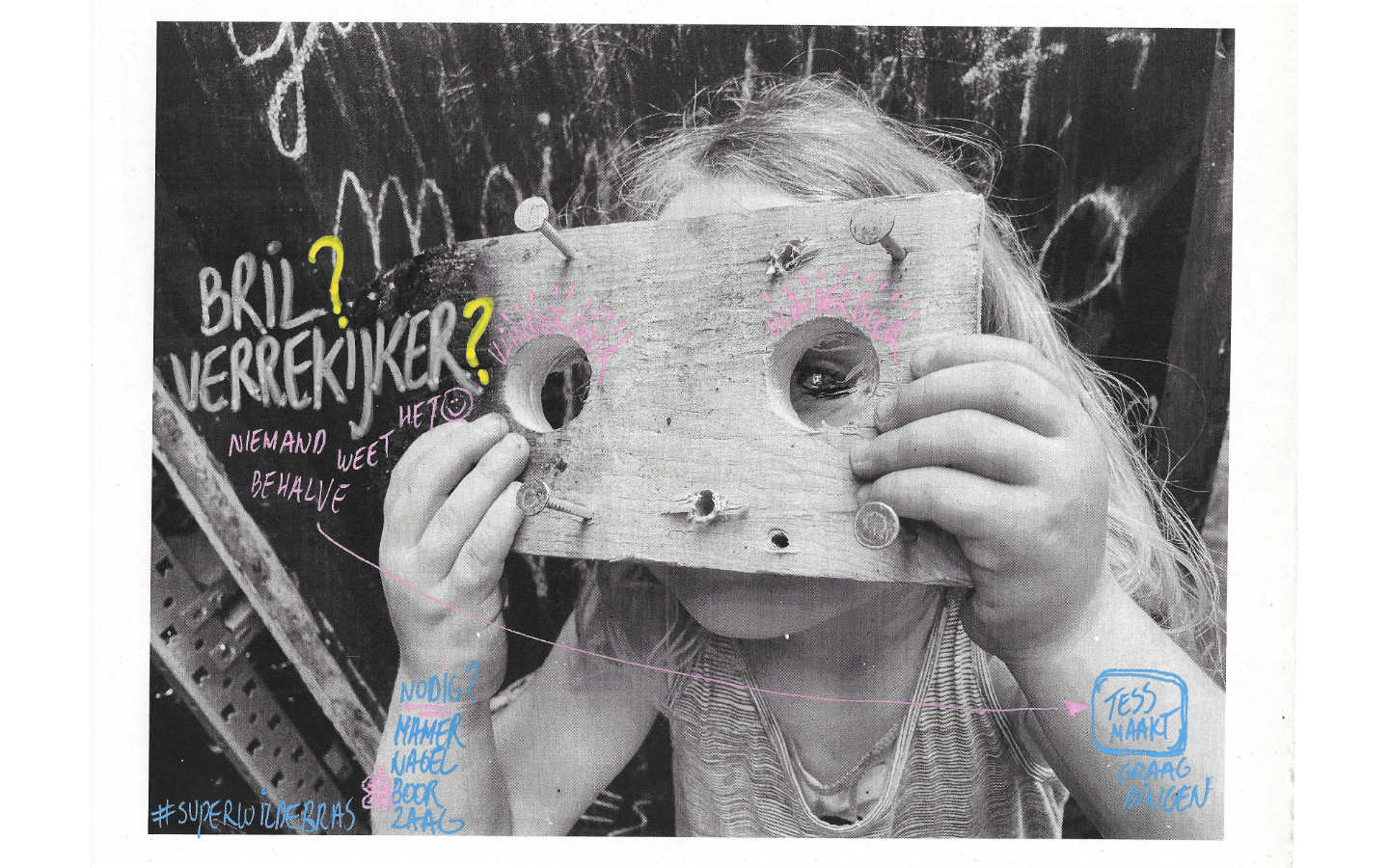
In Wildernis, collaboration often unfolds as a form of collective play. Materials are tested, reused, and transformed. Objects are reimagined beyond their original function—echoing the words of Manoel de Barros, where things can “disinvent” themselves and become something else entirely. A comb can stop being a comb. A structure can shift in meaning. A space can continuously redefine itself.
Through play, the common space becomes a playground—not in the sense of a designated or enclosed area, but as a condition. A space where rules can be questioned, reworked, or temporarily suspended. Where experimentation is not only allowed but necessary.
This also resonates with children’s play where reality is constantly stretched, tested, and reconstructed. A continuous process of imagining, trying, failing, and trying again. In this sense, play is not a distraction from making—it is a fundamental way of learning, building, and relating.
Playing together also means embracing uncertainty. Like an “exquisite corpse,” it is a process shaped by many hands, without a predetermined direction. What emerges is rarely linear. It is layered, unpredictable, and collective.
This way of working reclaims the role of the body in making. Thinking through doing. Learning through touching, moving, building, and sensing. Engaging not only with what exists, but with what could exist.
Within this framework, the second phase of the project unfolds.
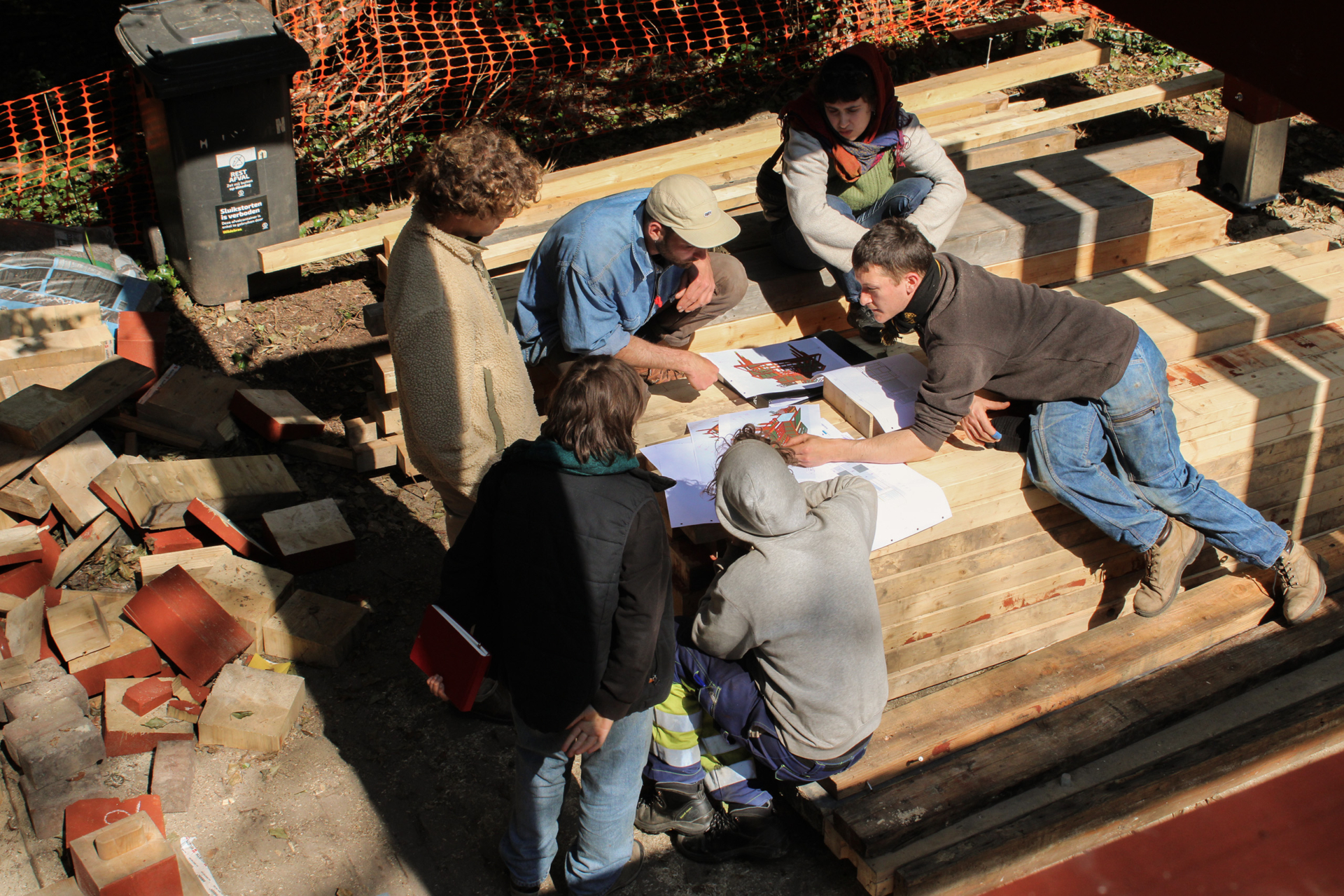
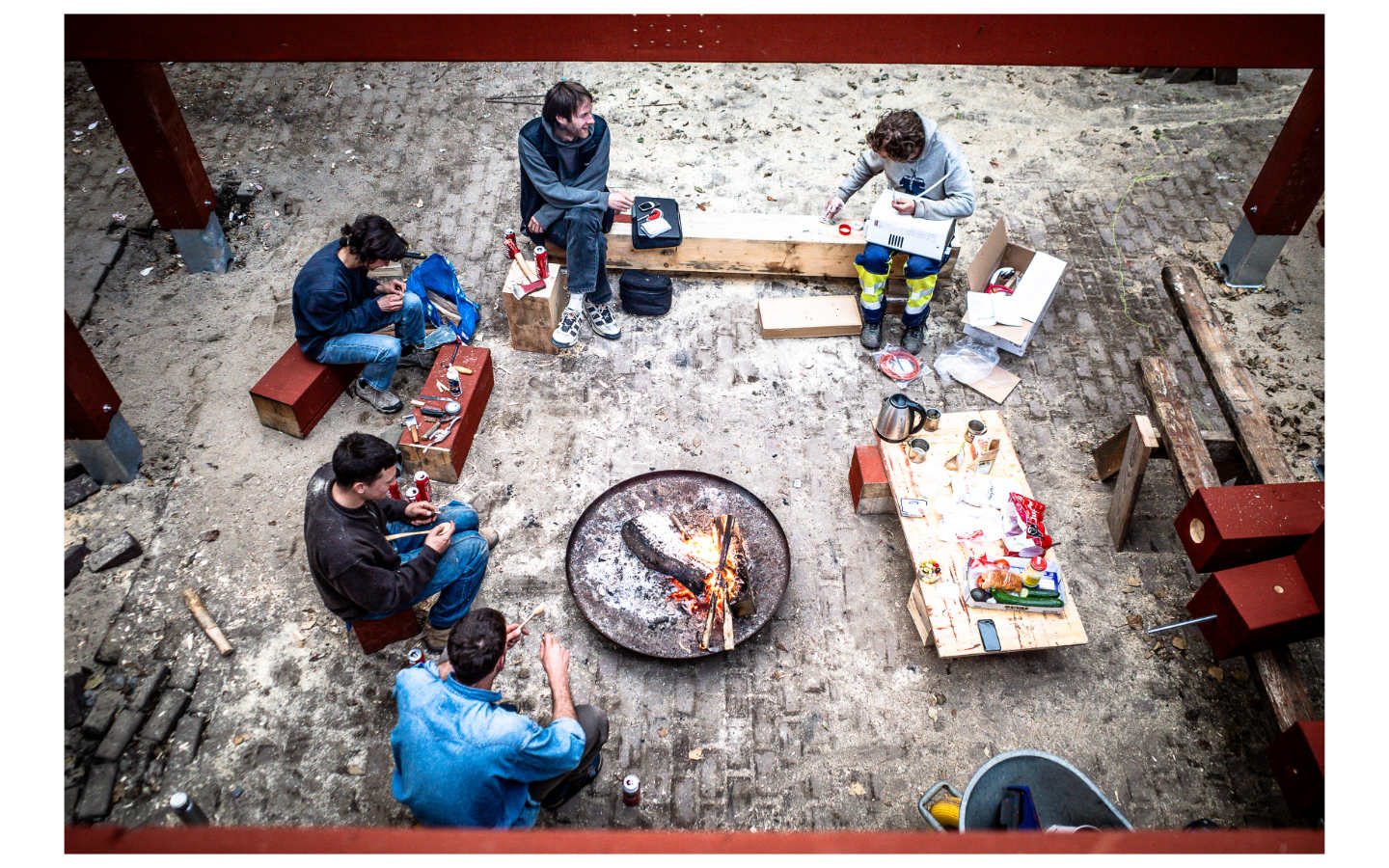
This year, we begin by inhabiting the space. Our practice is grounded in being present—on site, over time. Ideas develop through construction, through making mock-ups, through cooking meals together, and through gathering around the fire in the evenings.
Gradually, the space transforms. What was once a common ground becomes a convivial one—a space shaped by daily collective effort, where something new takes form each day. At the same time, we invite others to join, to participate in the process, and to engage with what is happening in their neighborhood. Local visitors—like Jana, her son Gabriel, his friend, Pjotr, and Nana—become part of this evolving environment.
Returning to Kortrijk under these new conditions has not only allowed us to continue building—it has also deepened our understanding of what it means to live and work together in a space shaped through collaboration.
Photo credits: Archive of LZSB/WILDEBRAS, Simon Verschelde, Arthur Bed, Franka Fuchs, Jan Stricker