Blog
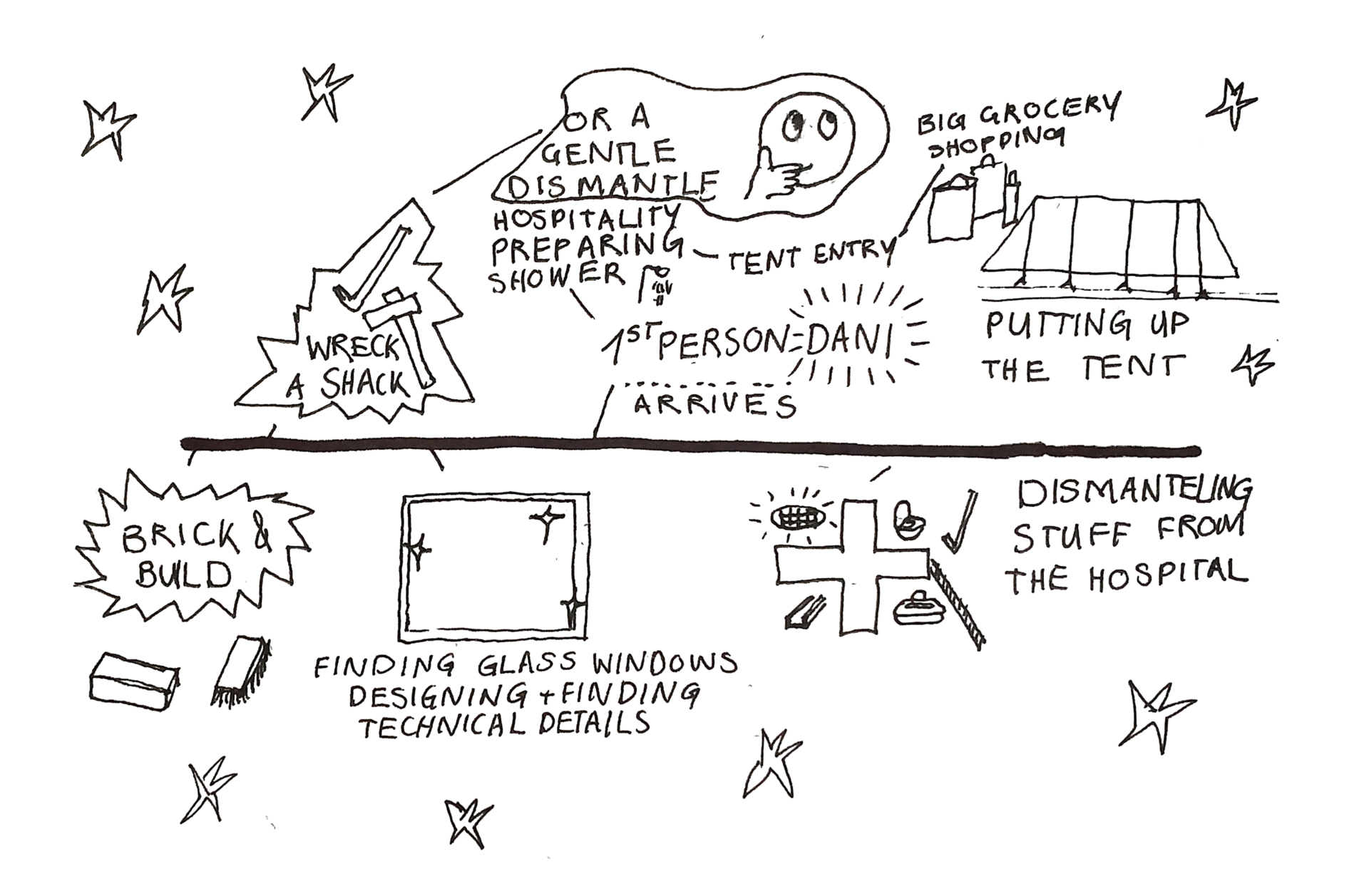
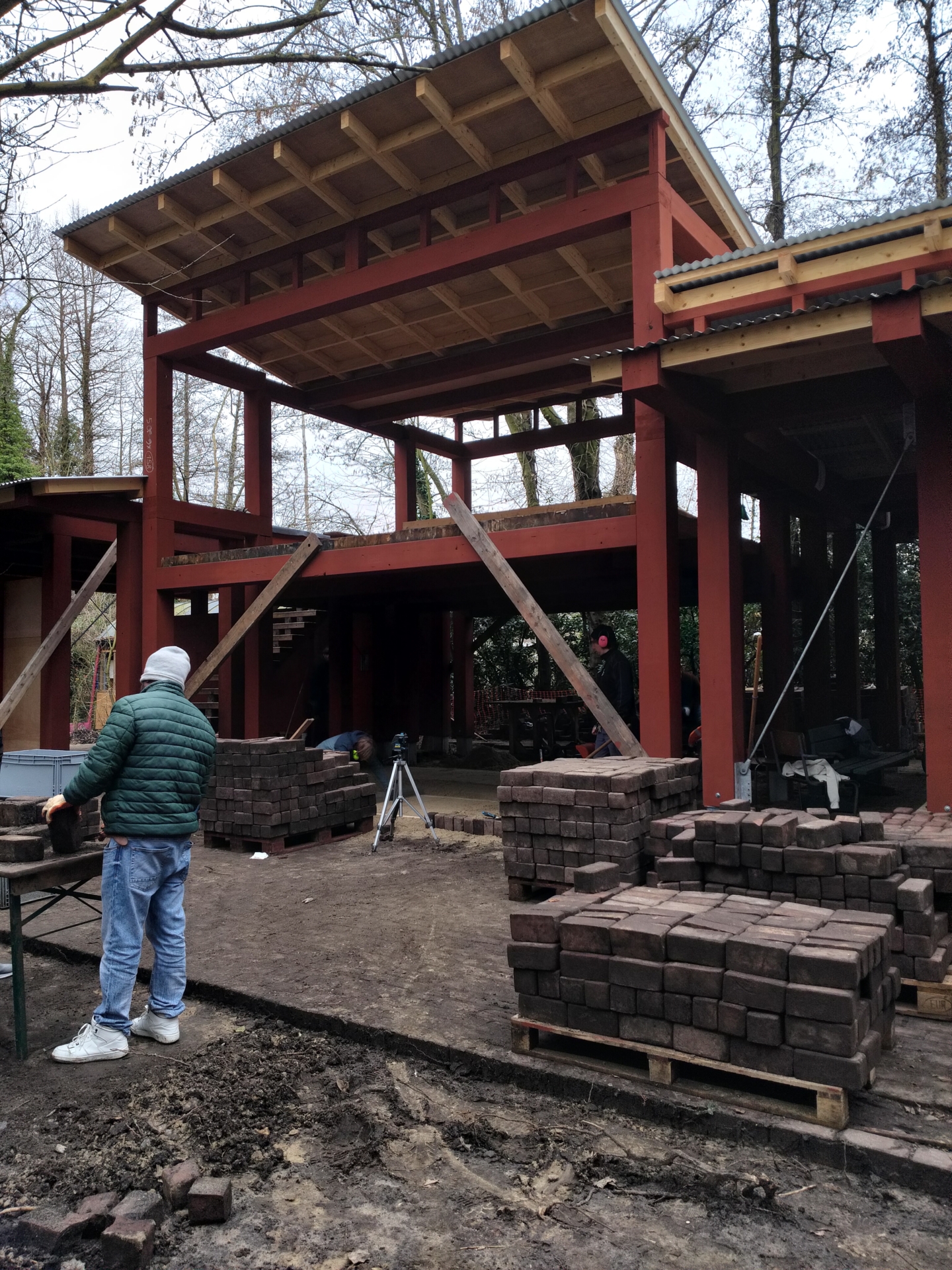
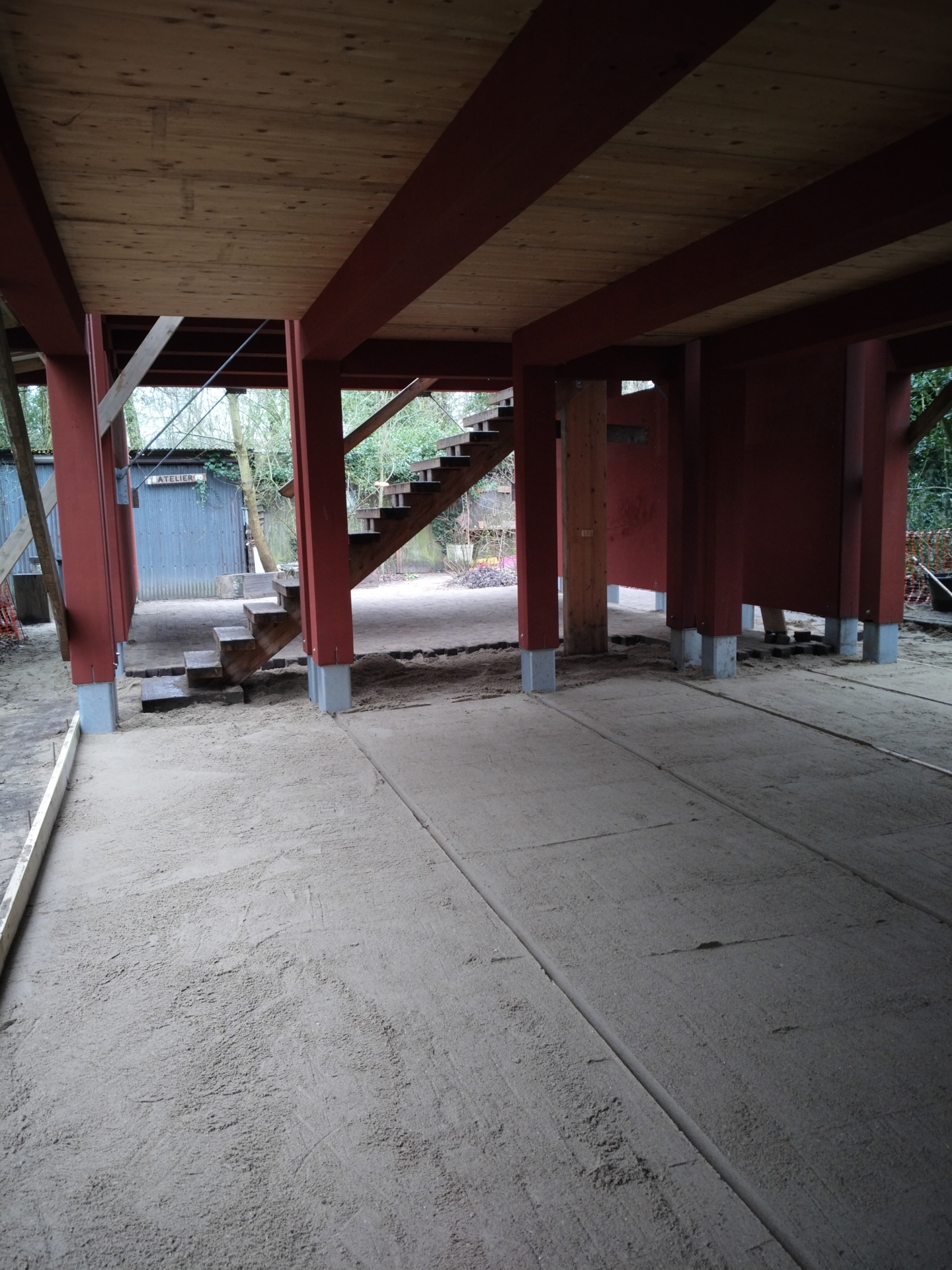
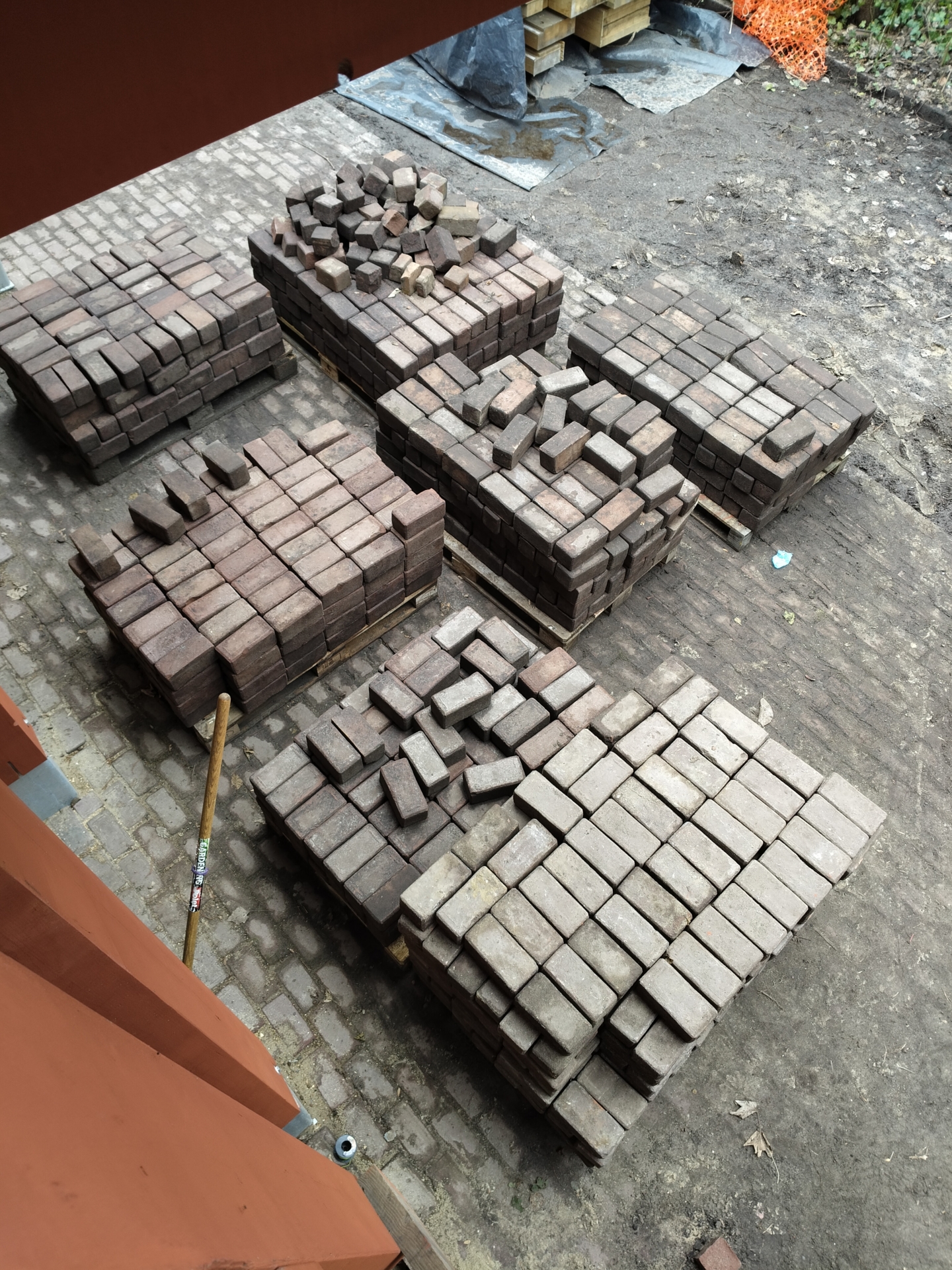
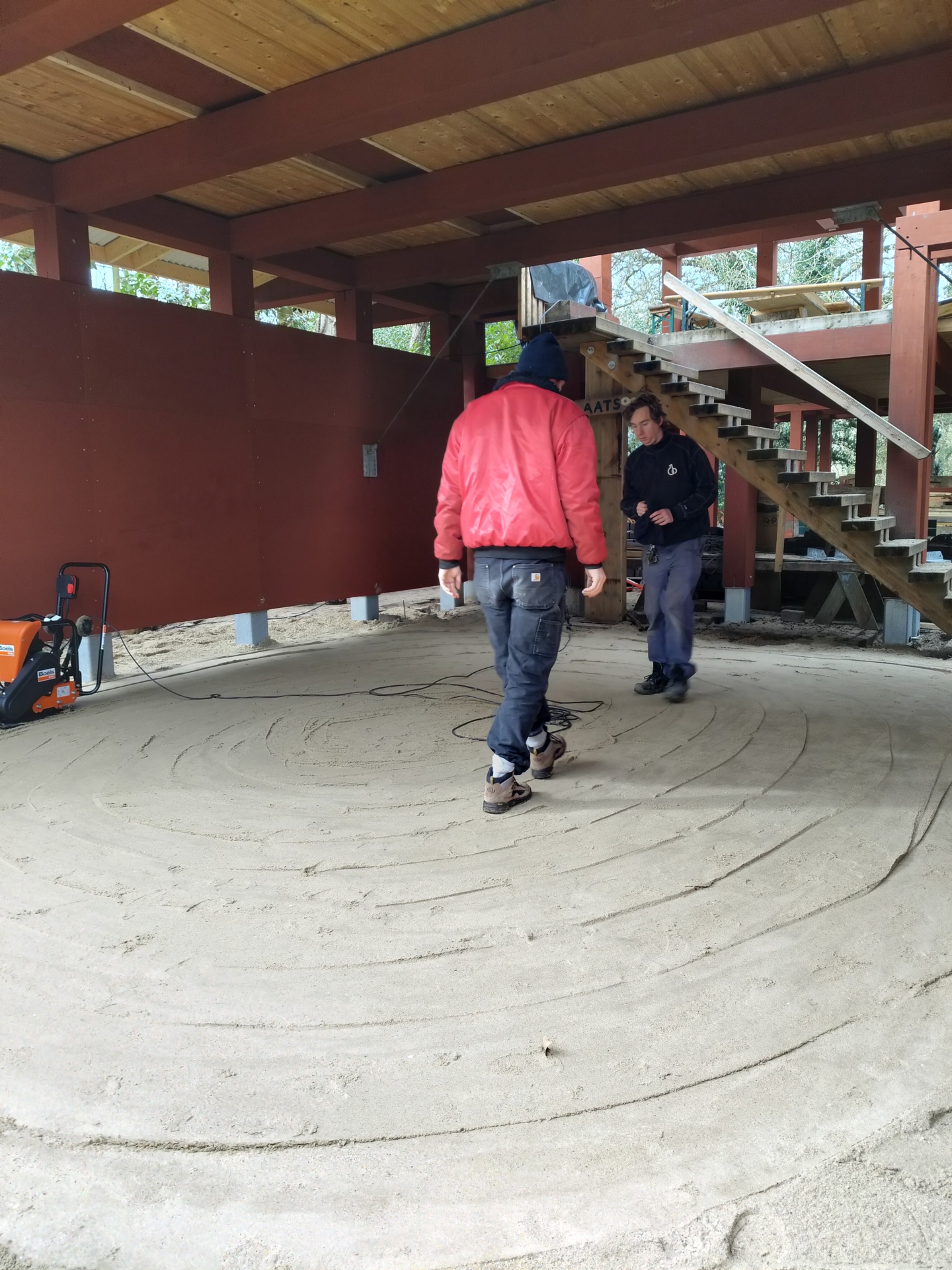
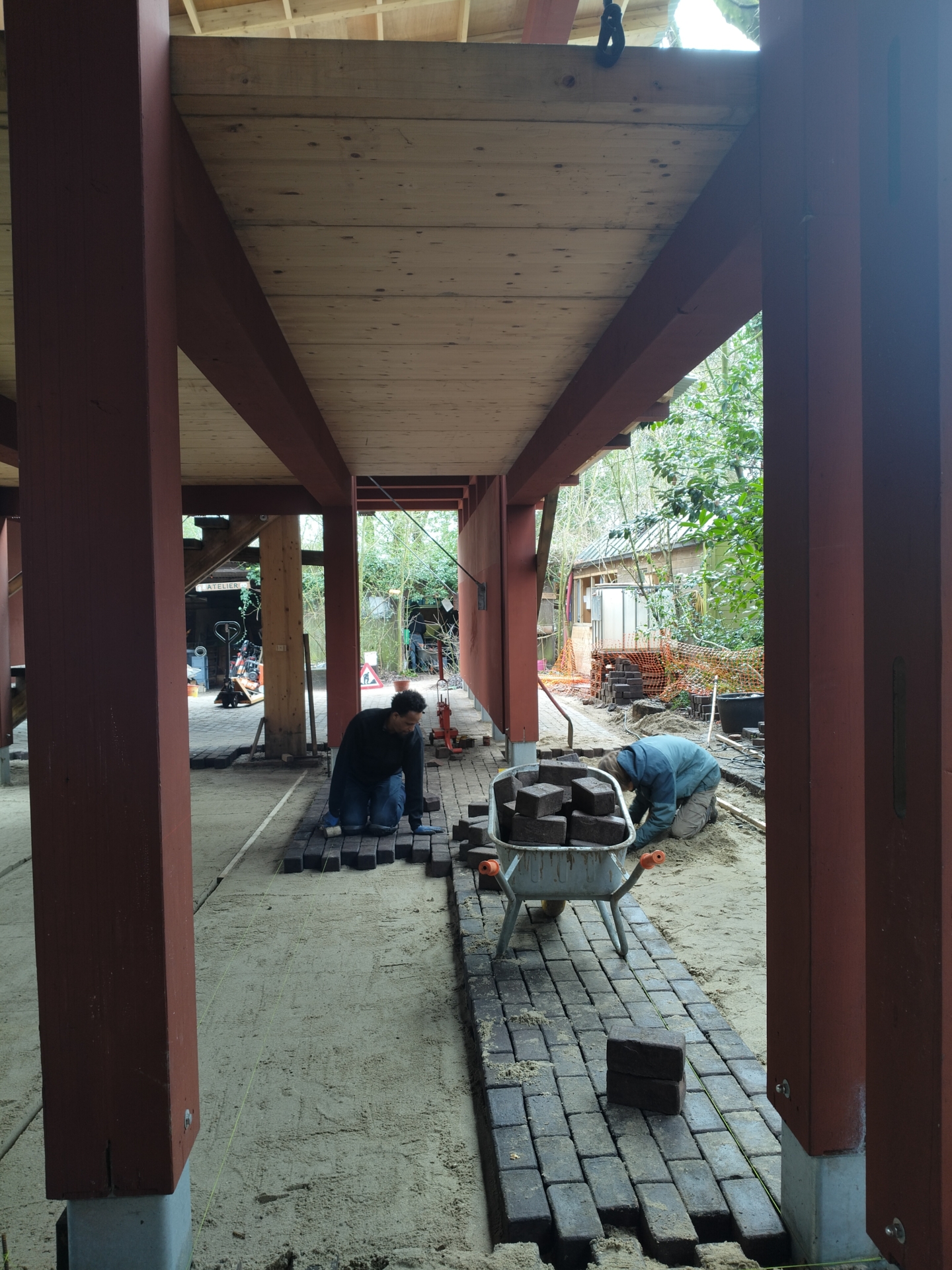
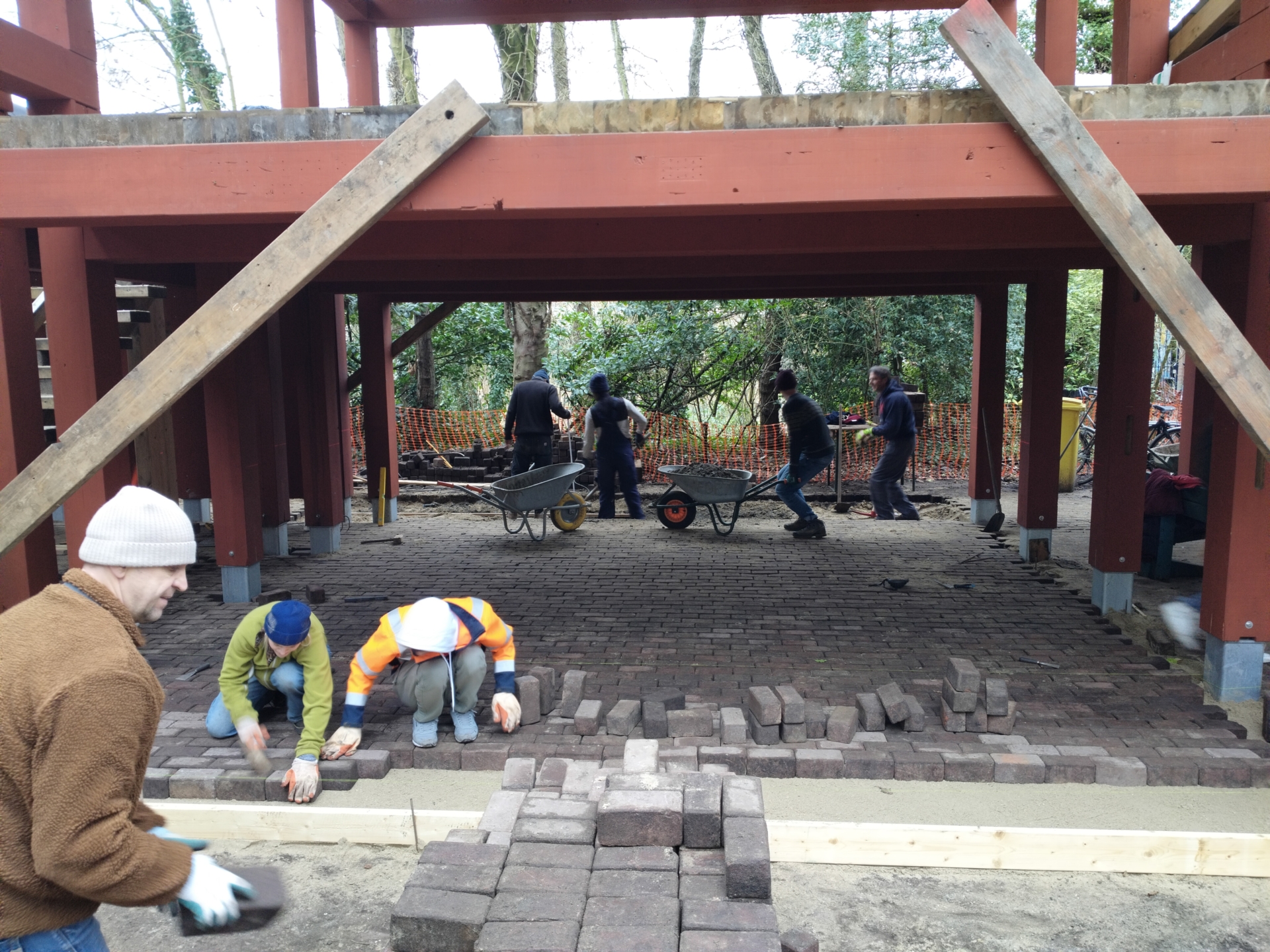
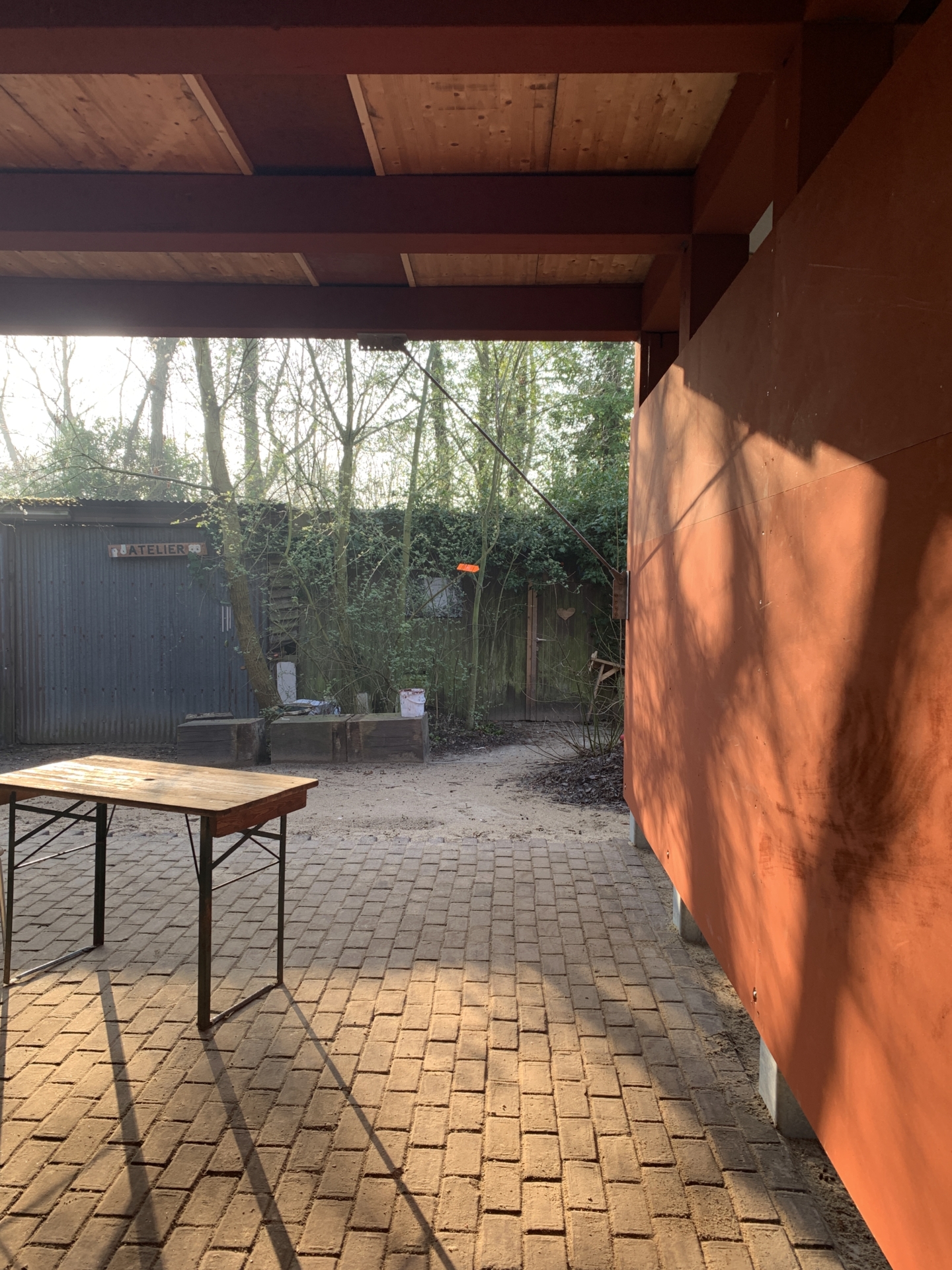
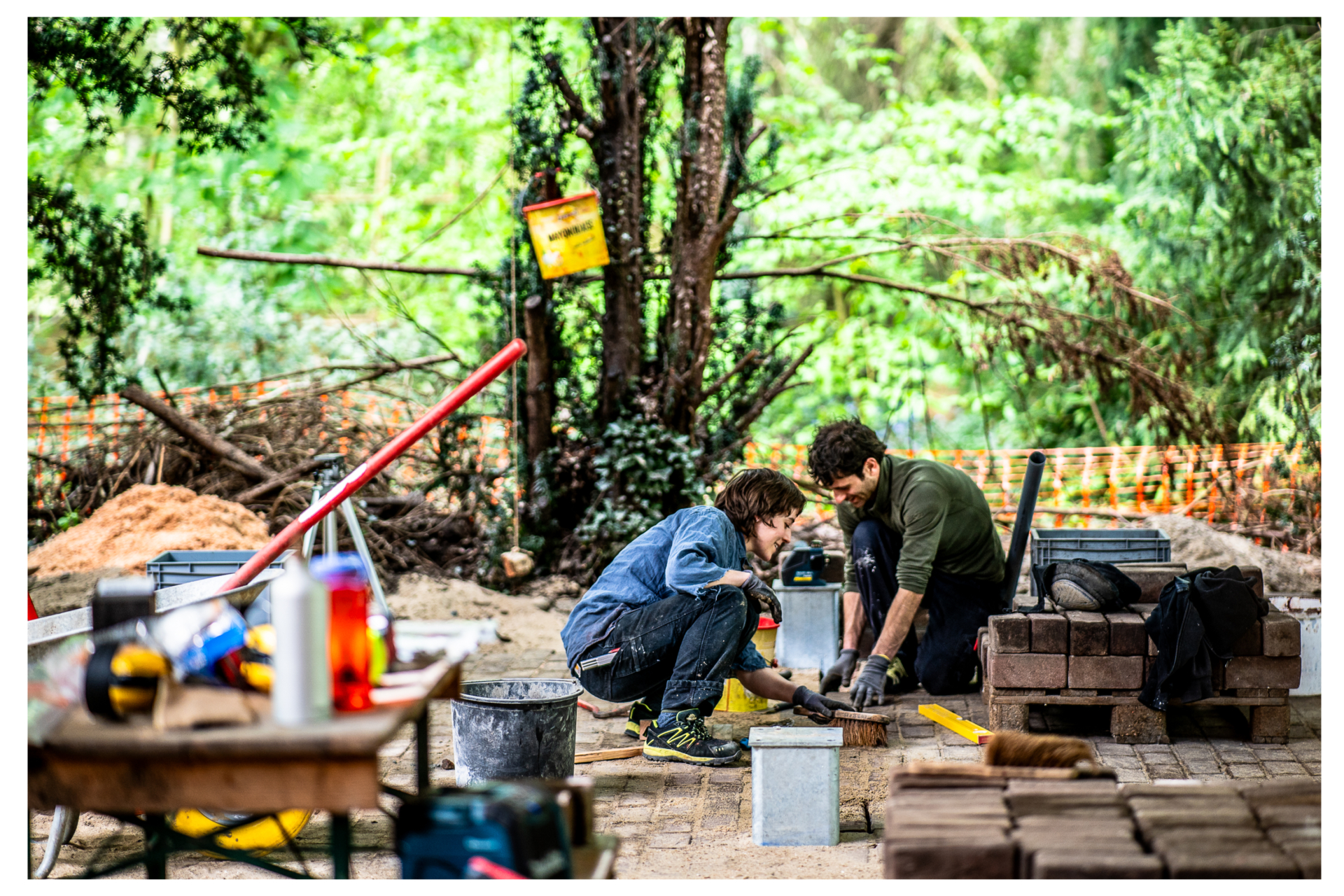
This year, we kicked off the preparation for the second phase of the project by organizing the “Brick & Build” workshop. During this time, we focused on removing all the bricks from the ground and cleaning them. This allowed us to level the surface using a plate compactor and then place the bricks back in position. Throughout the process, we received a lot of help from volunteers from Compagnie Cordial and participants from ‘Building Beyond Borders’. The work carried out during the “Brick & Build” workshop was essential in creating a much more prepared and functional workspace for the months ahead, as well as for the people we invited to continue working with us on site.
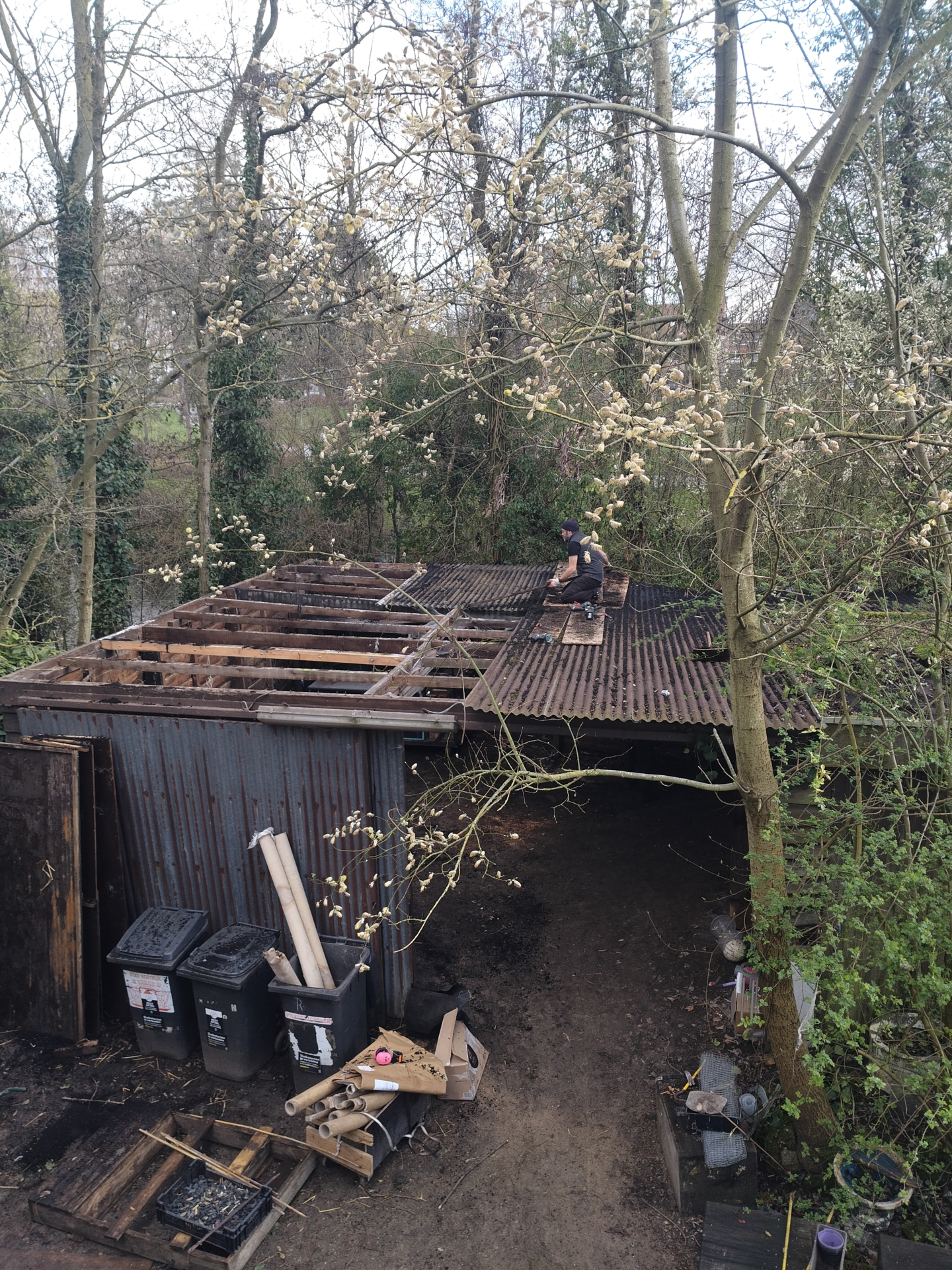
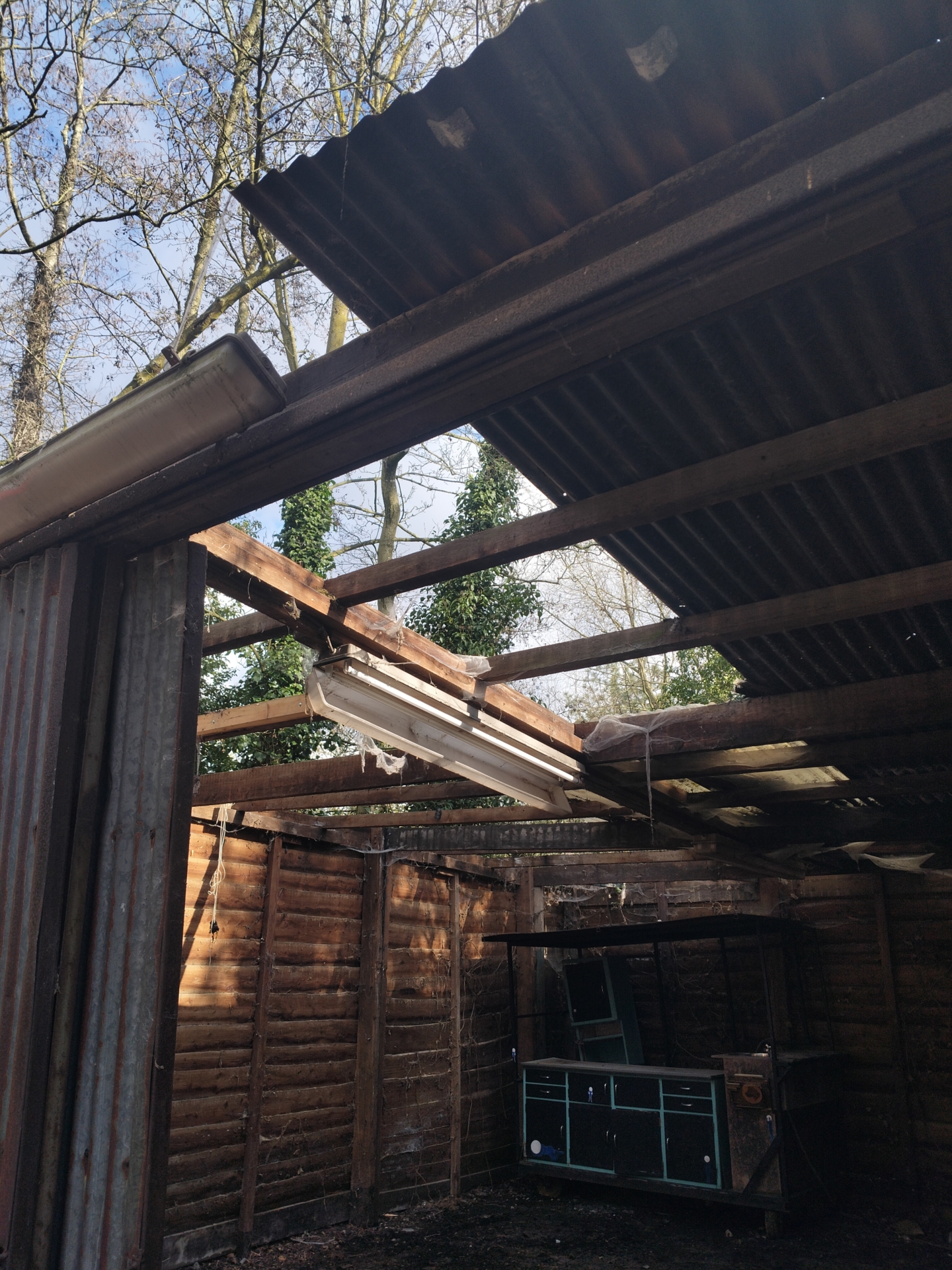
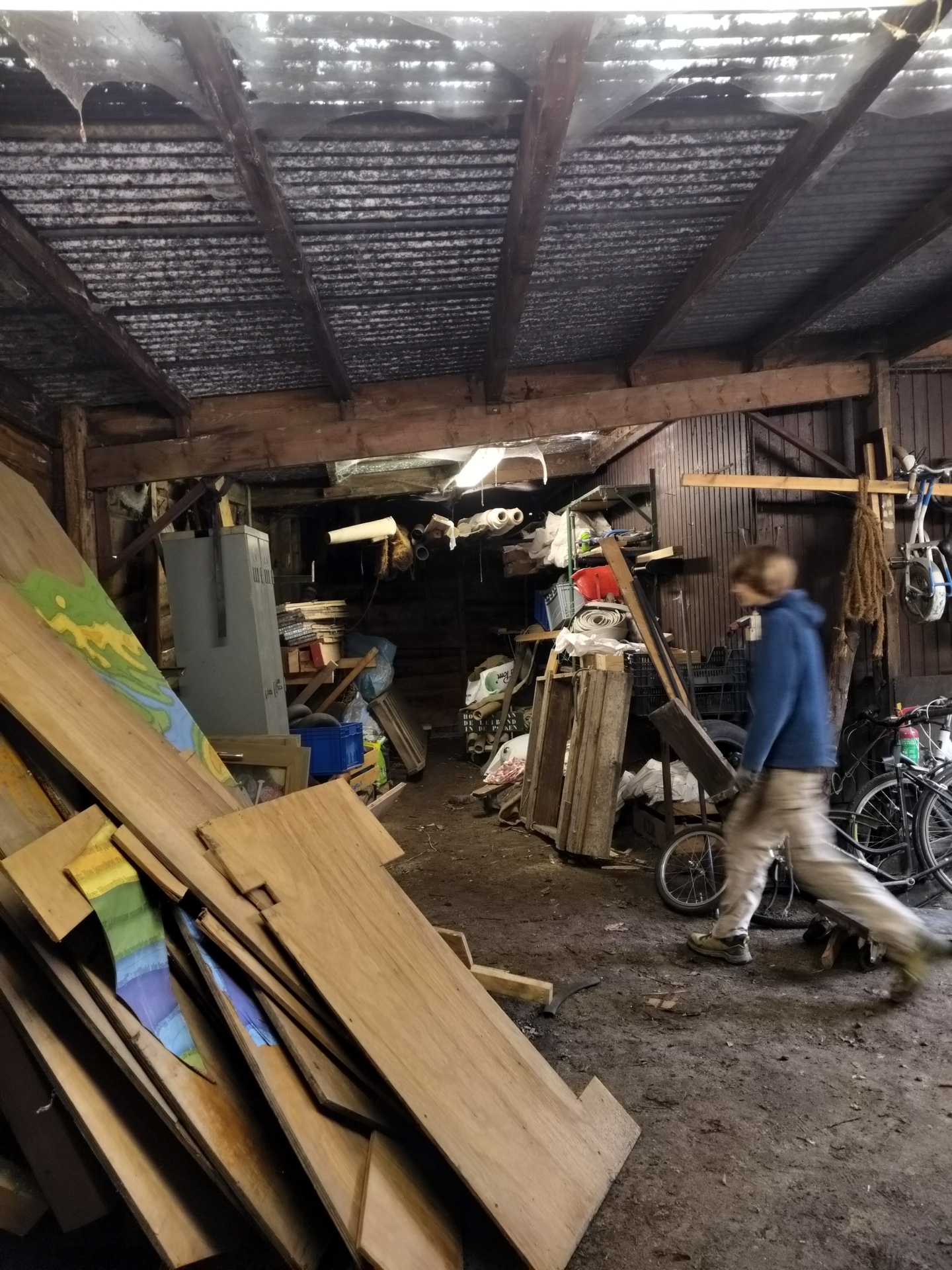
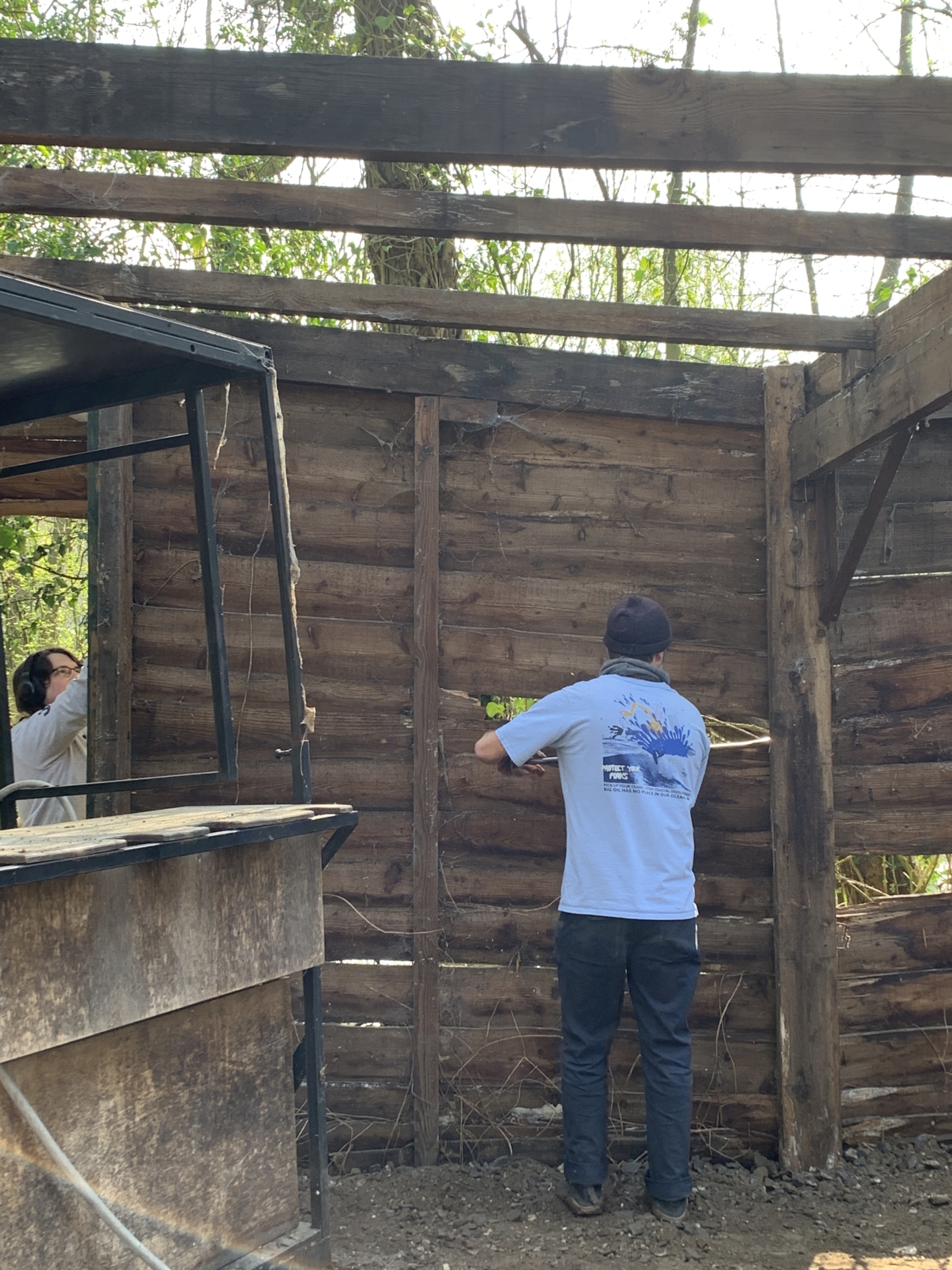
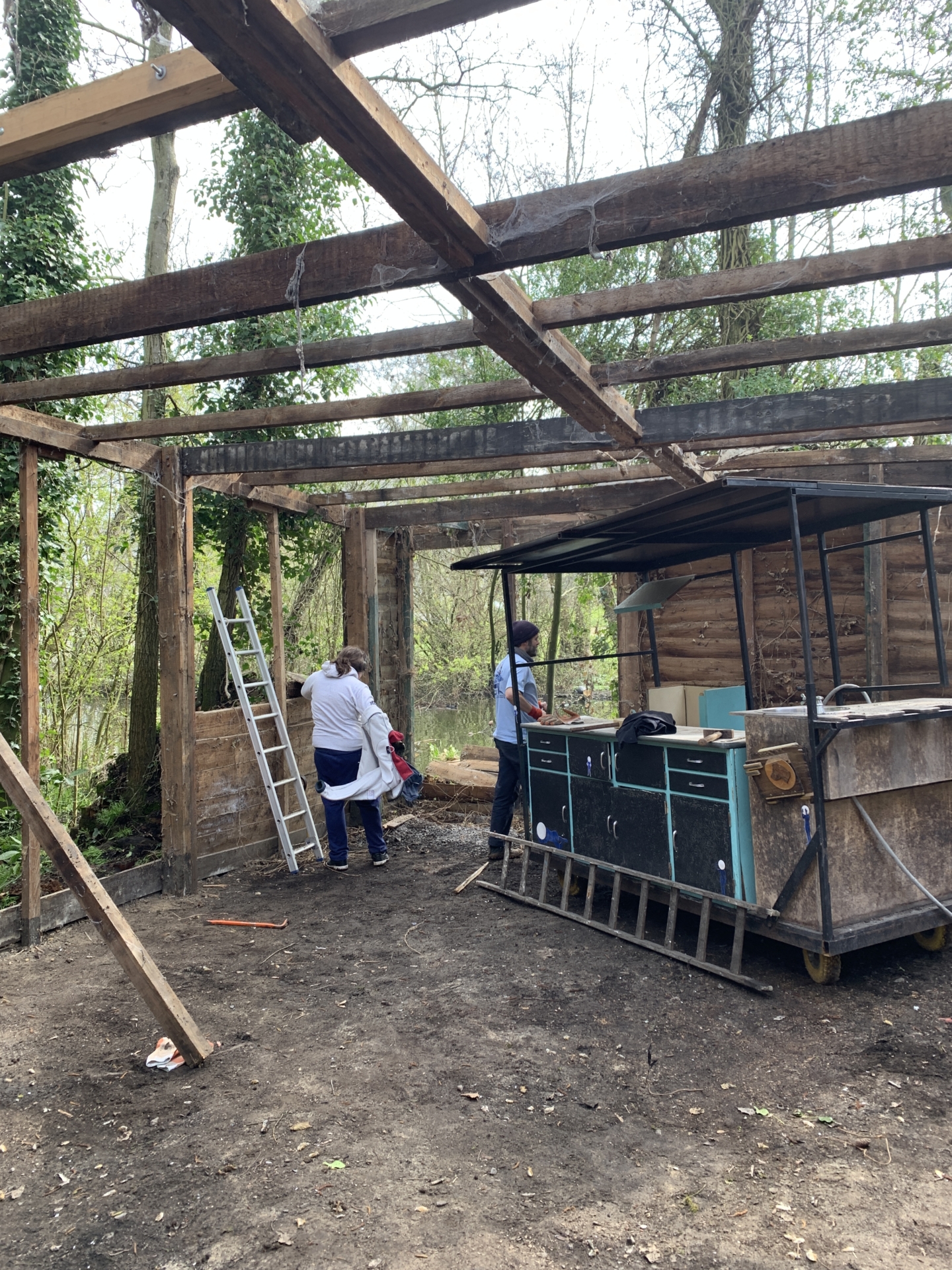
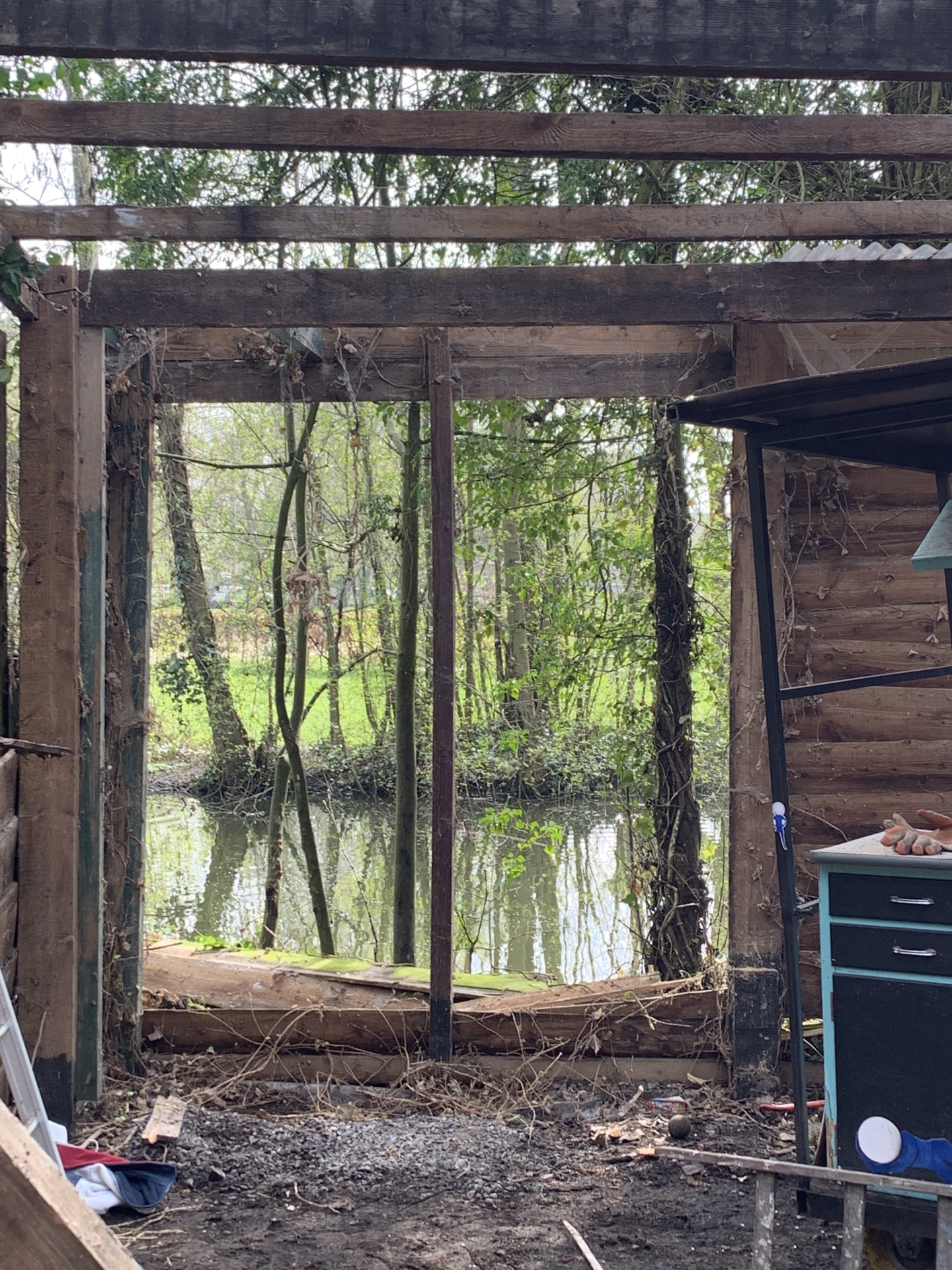
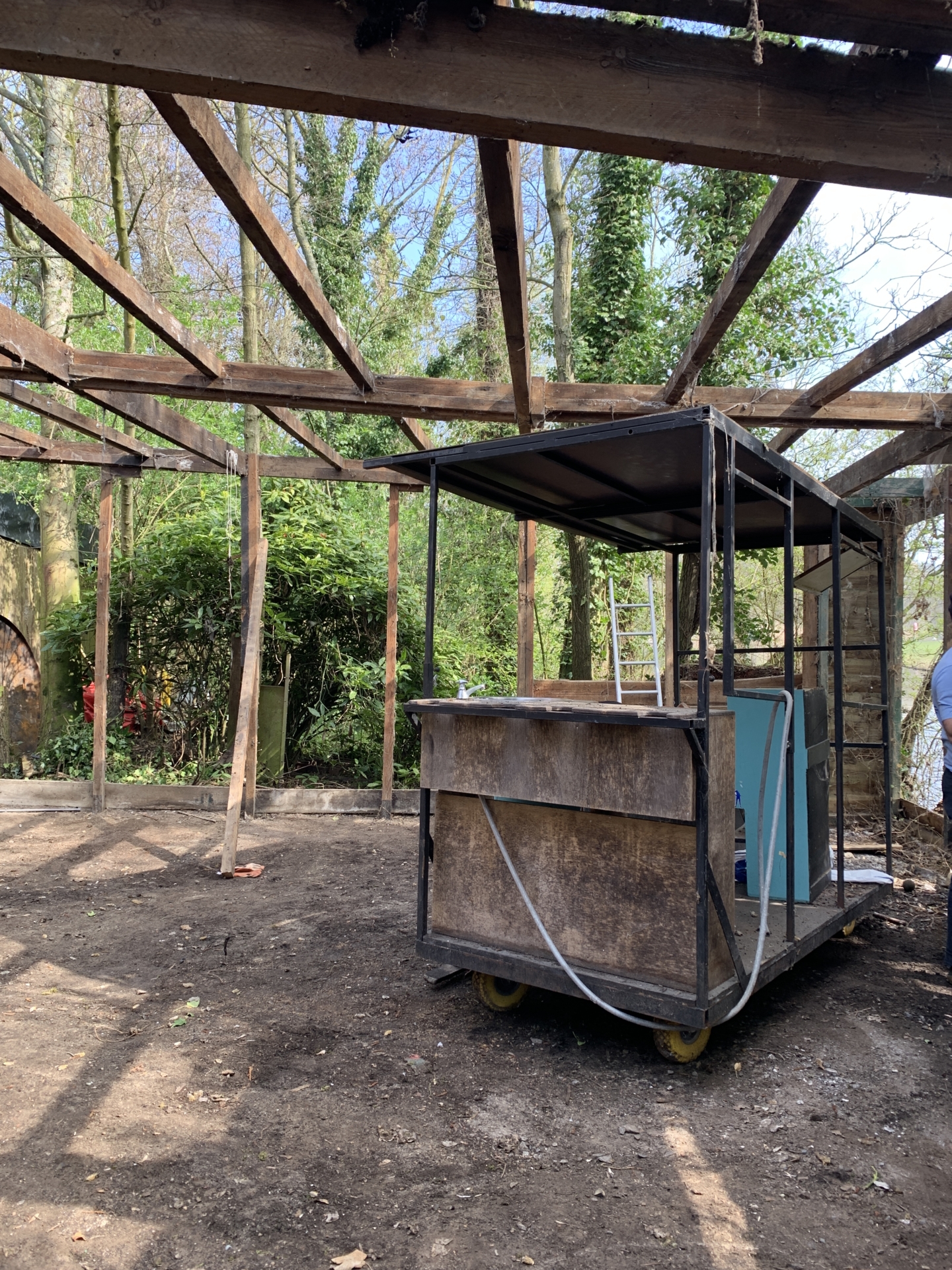
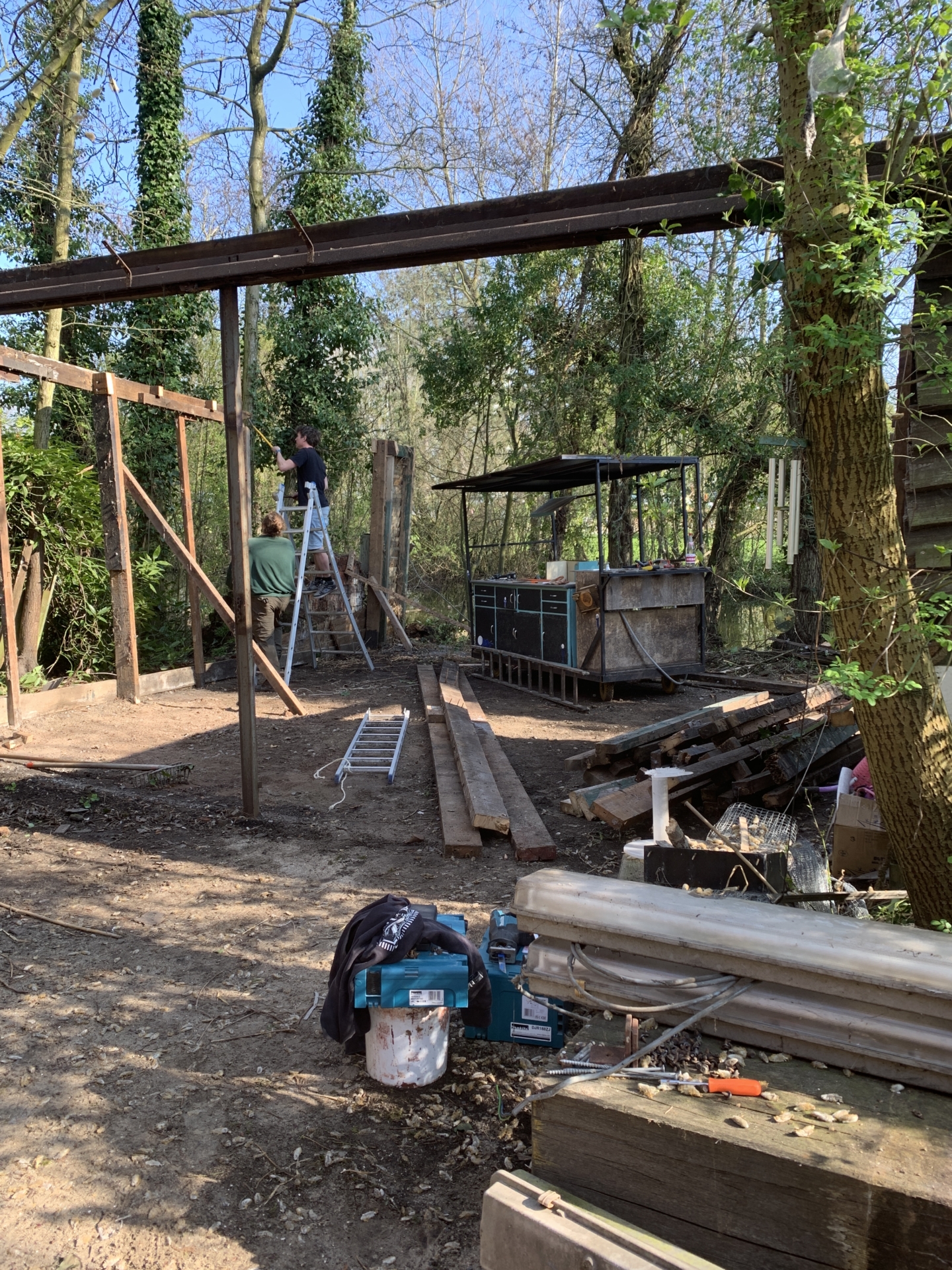
In addition to that, we continued by organizing the “Wreck a Shack” workshop. The goal was to empty the shack and dismantle it in order to free up more space.
This allowed us to set up a tent for the people who were planning to visit the site in April.
The workshop took place in March, and we received a lot of help from the local community. A big part of the process was also clearing out unusable materials, either from the dismantling itself or things that had been stored in the shed for a long time.
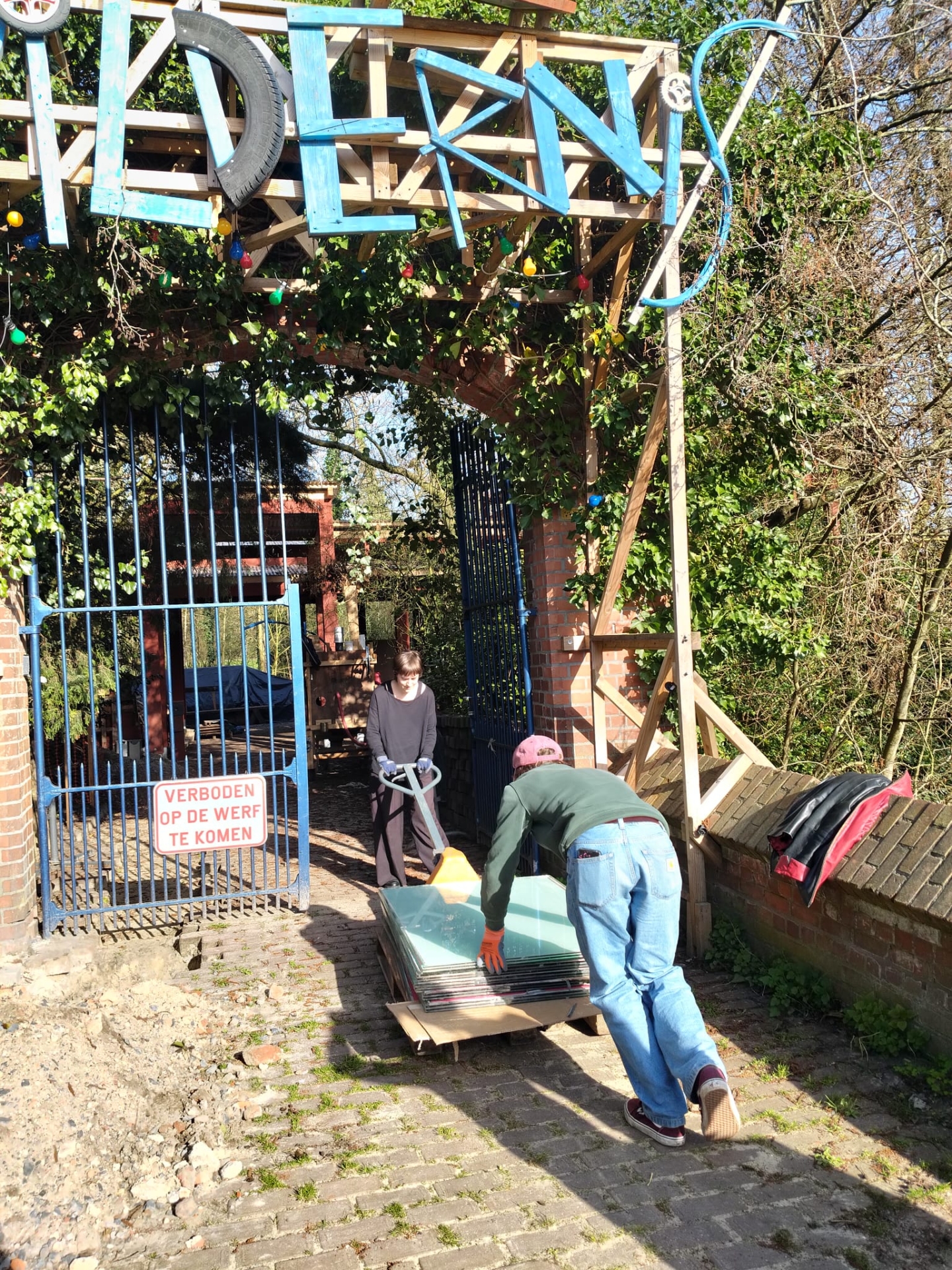
Another part of the preparation involved thinking about how we wanted to design the windows for the building’s façade. By chance, we found perfectly fitting windows on the streets of Kortrijk, in front of a burger place called Flake. They had replaced their old (bulletproof) windows with new ones and generously offered the old ones to us.
With this unexpected gift, we decided to build the window frames ourselves. At the same time, we had to take into account that these windows were much heavier than we had initially imagined. Because they are bulletproof, they consist of multiple layers, which makes them significantly heavier.
With that in mind, we also had to handle and transport them very carefully.
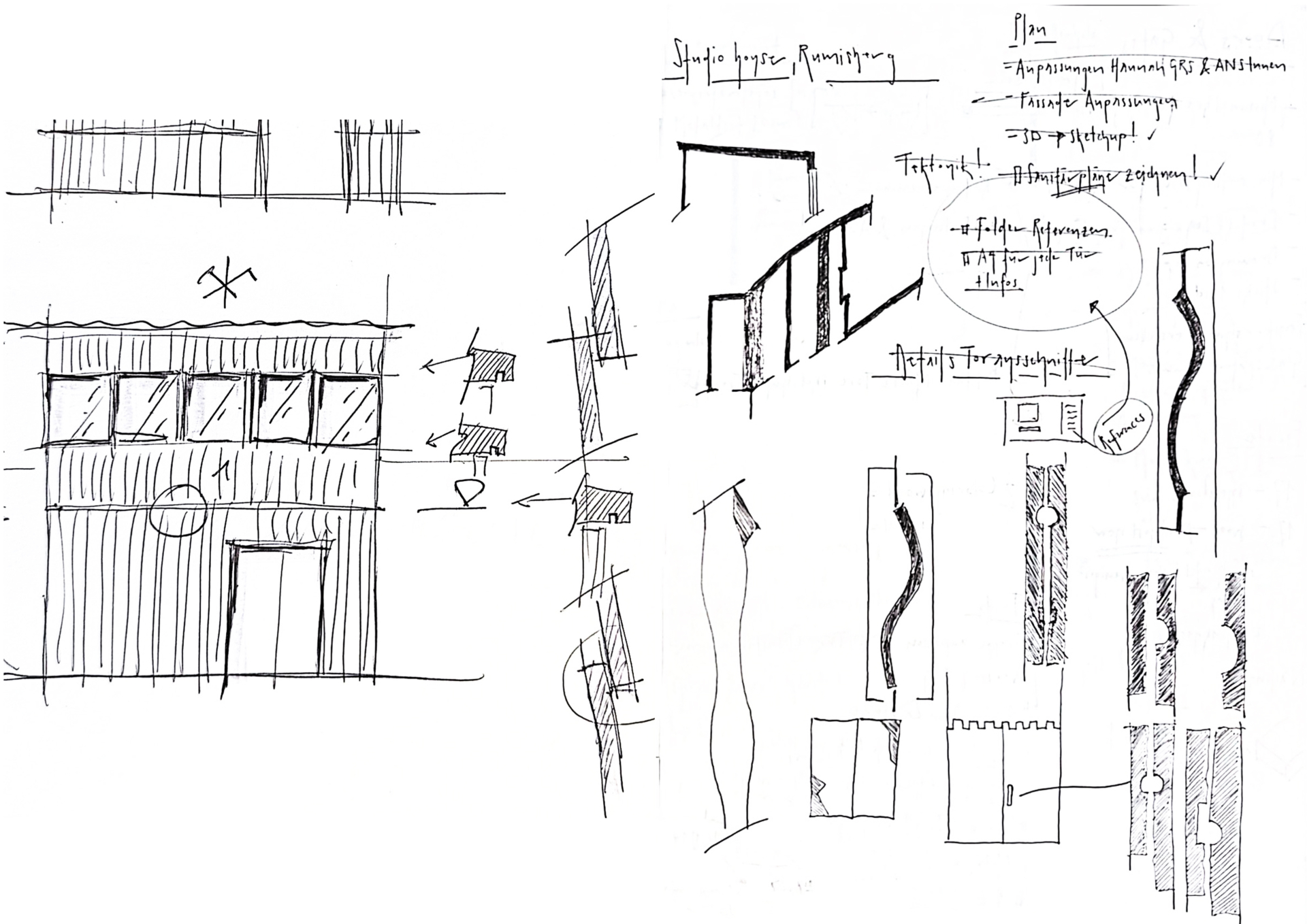
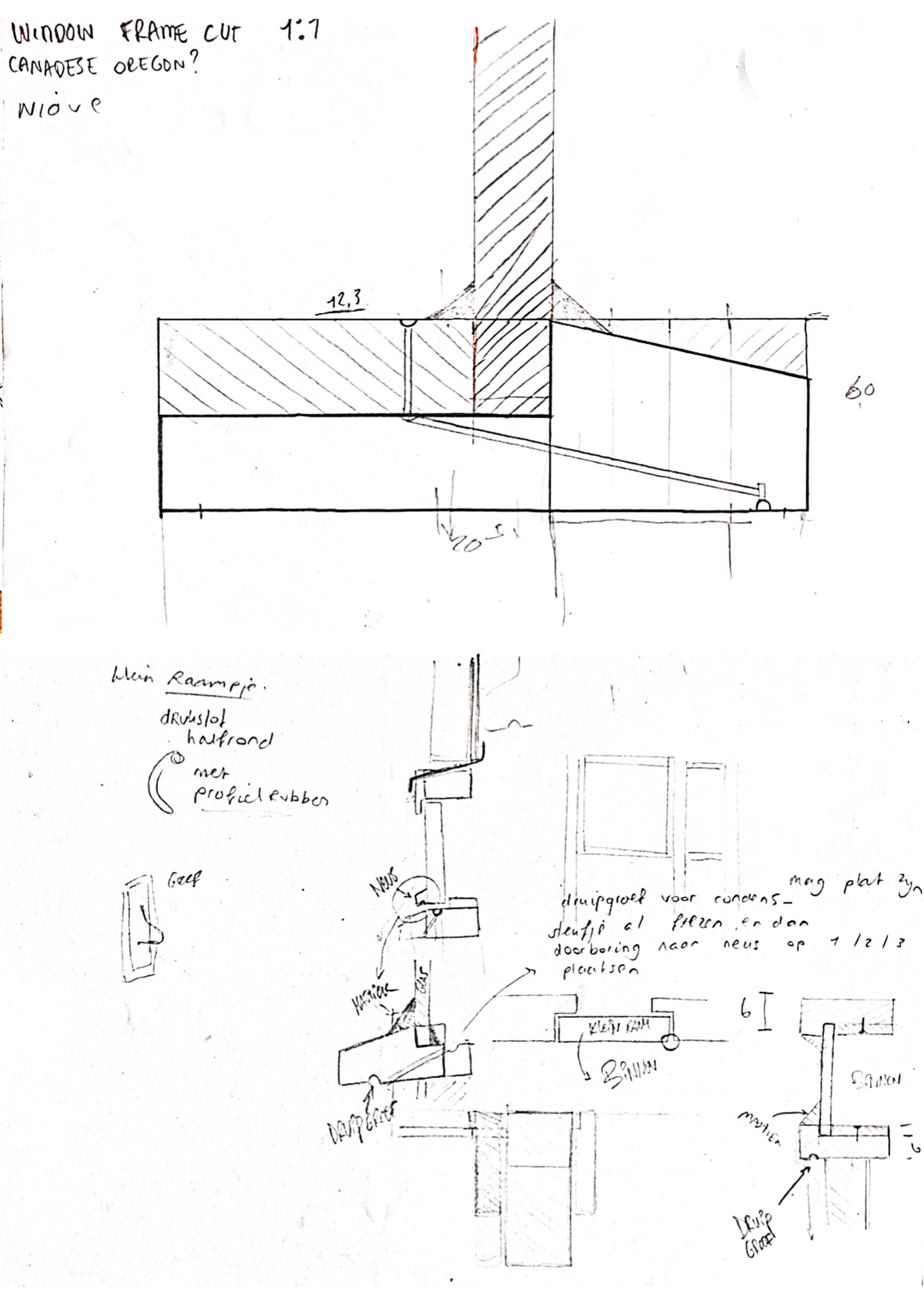
The design of the window frames was then adapted to fit the glass panels we had found. From there, the process moved into a more conceptual phase, with sketches and ideas developing through ongoing discussions with Juul and Lea. These exchanges helped shape the direction of the design, balancing practical constraints with the overall vision for the façade.
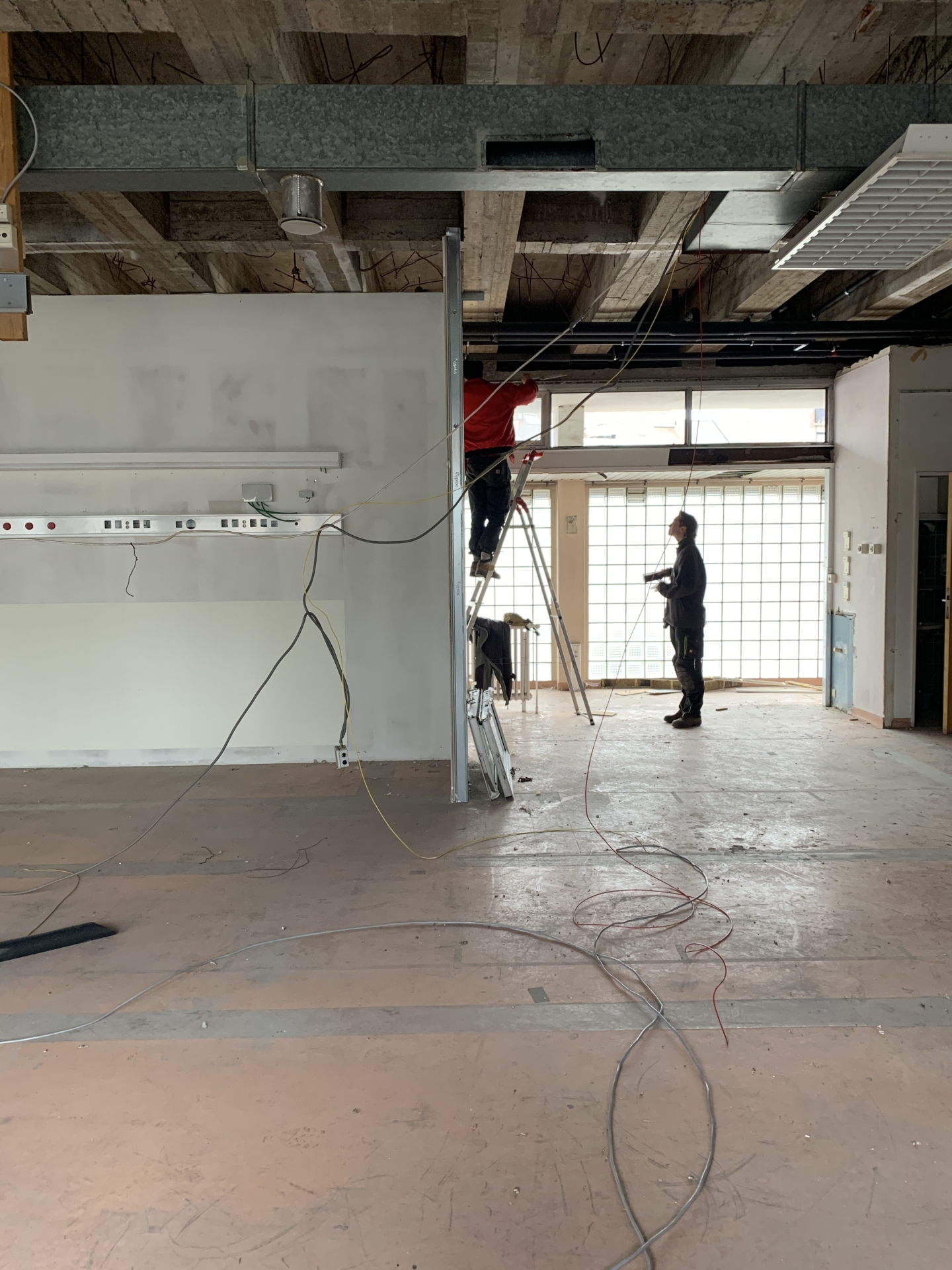
Towards the end of March, we focused on collecting materials that could be reused, both to reduce costs and to stay true to the circular approach that has been part of the project from the very beginning.
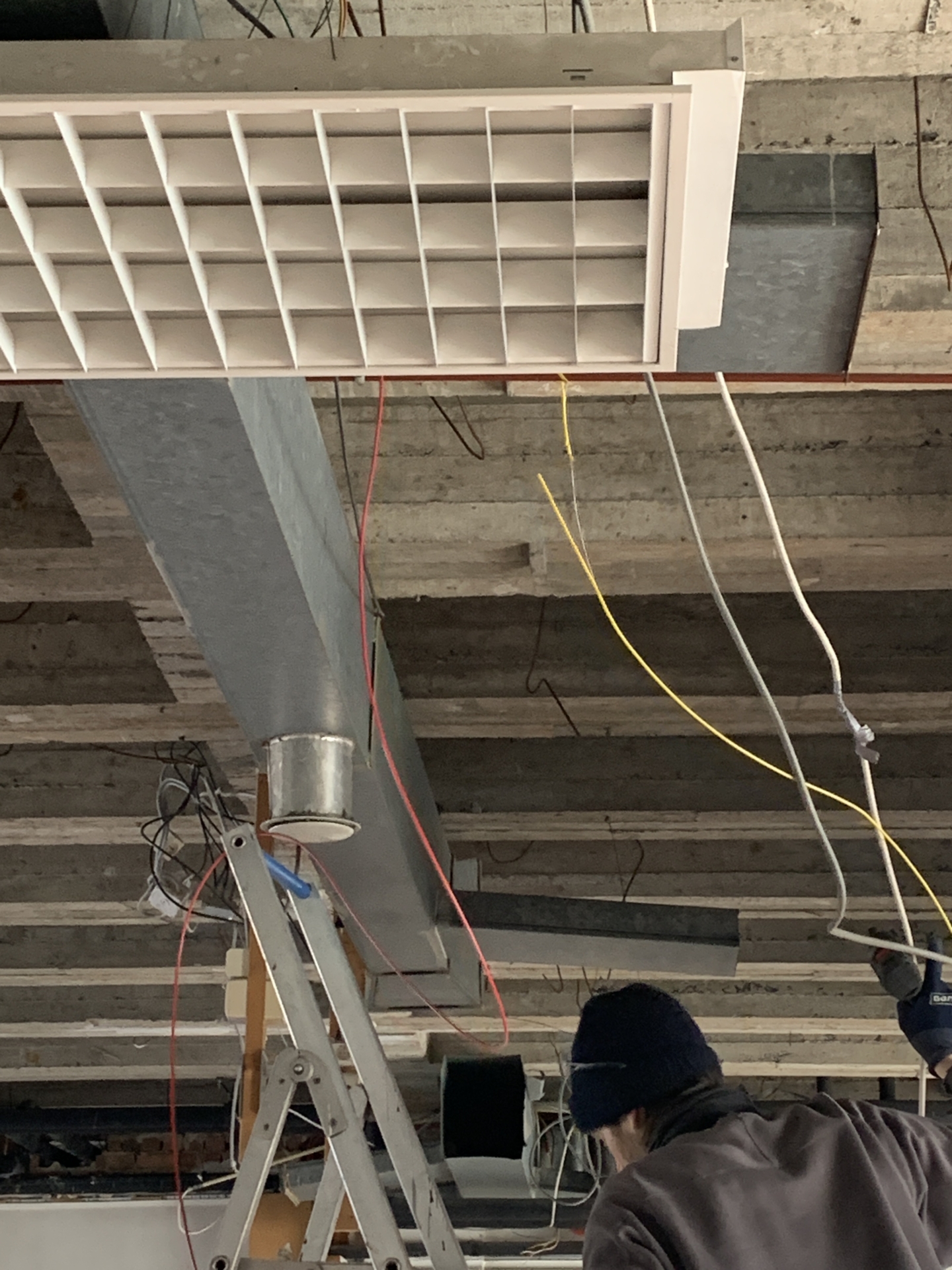
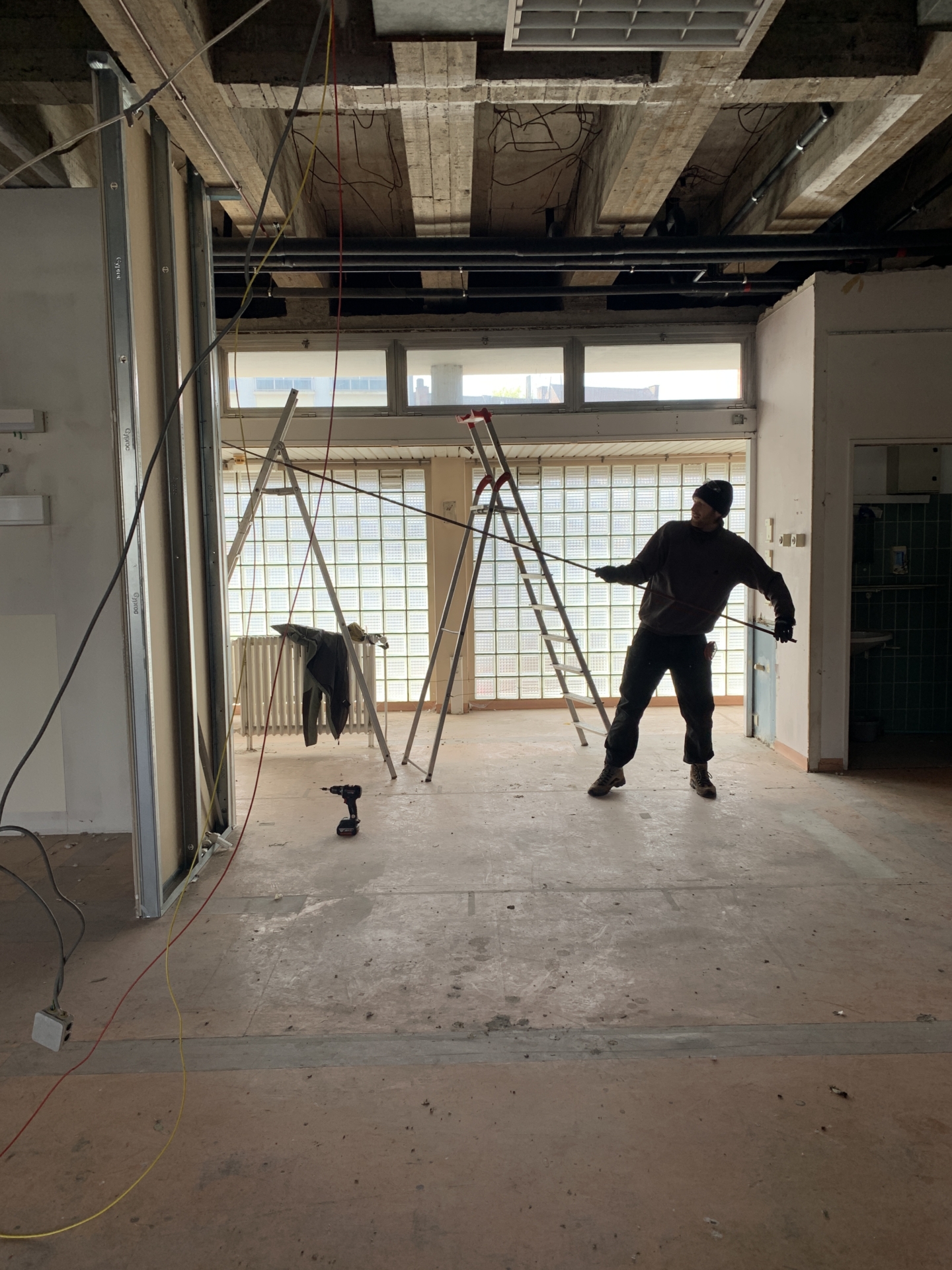
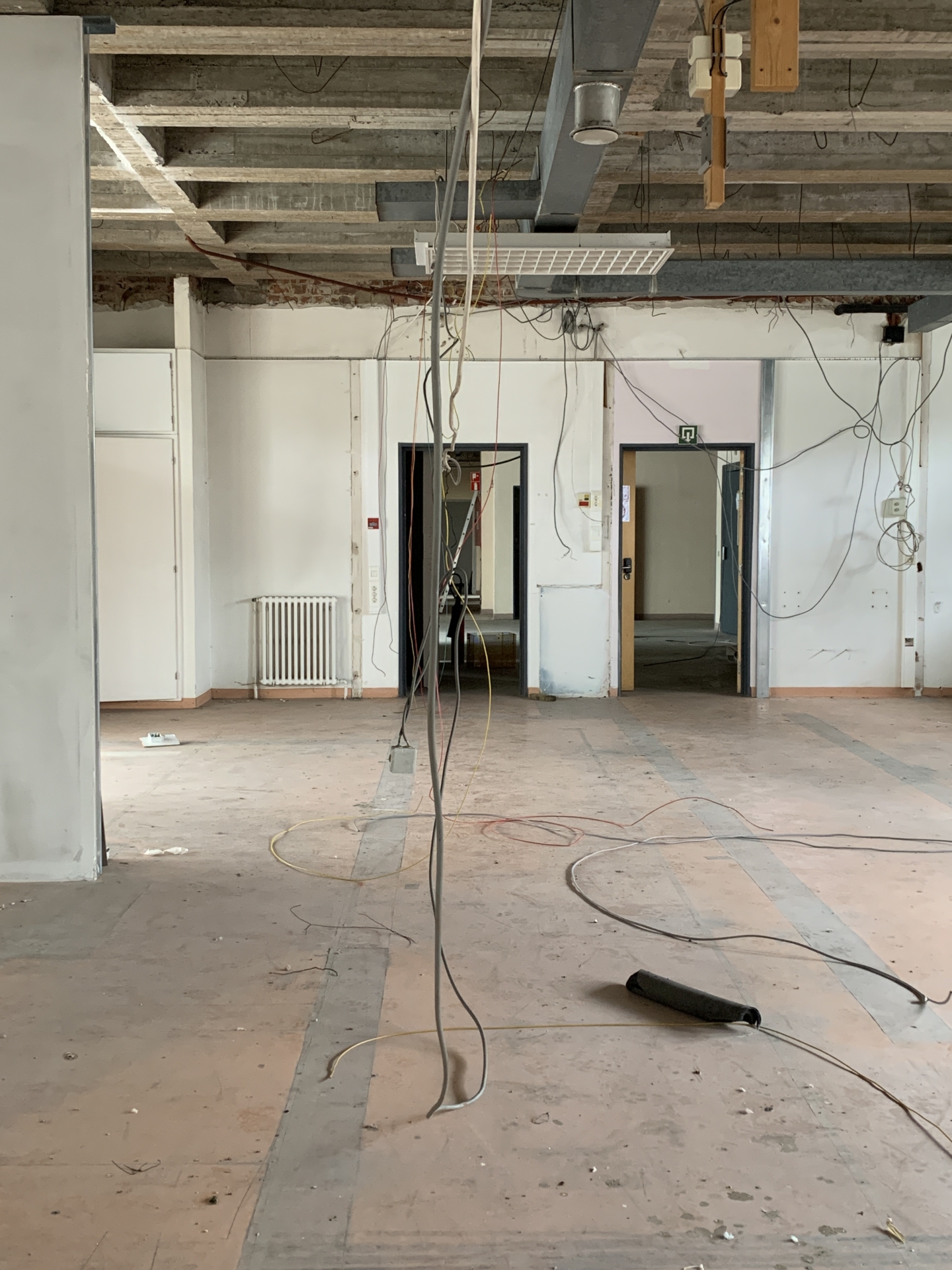
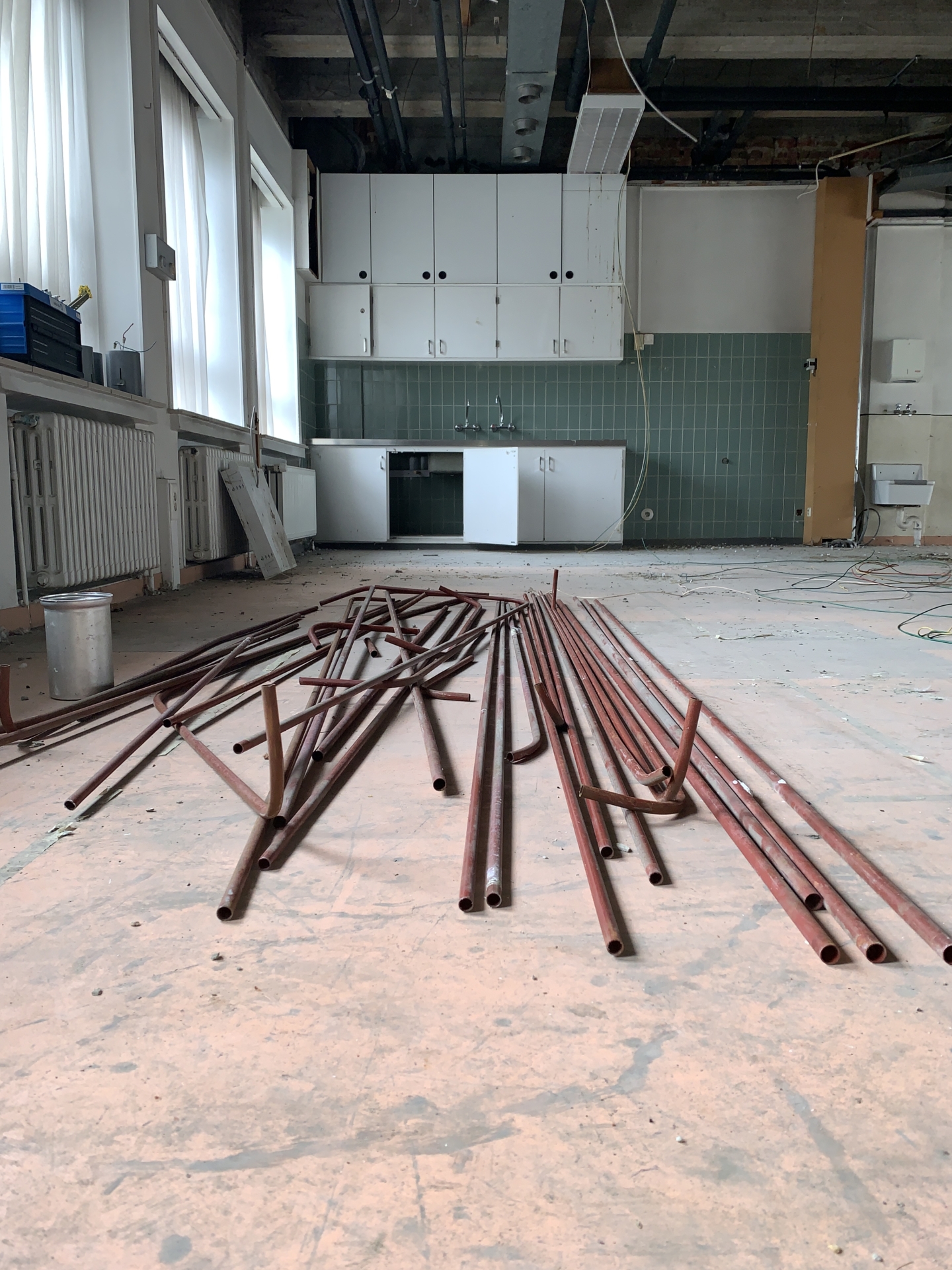
With permission from the city, we were able to access a recently closed hospital and carefully salvage materials from the site. Among the items we collected were toilets, electrical cables, lighting fixtures, and plumbing pipes.
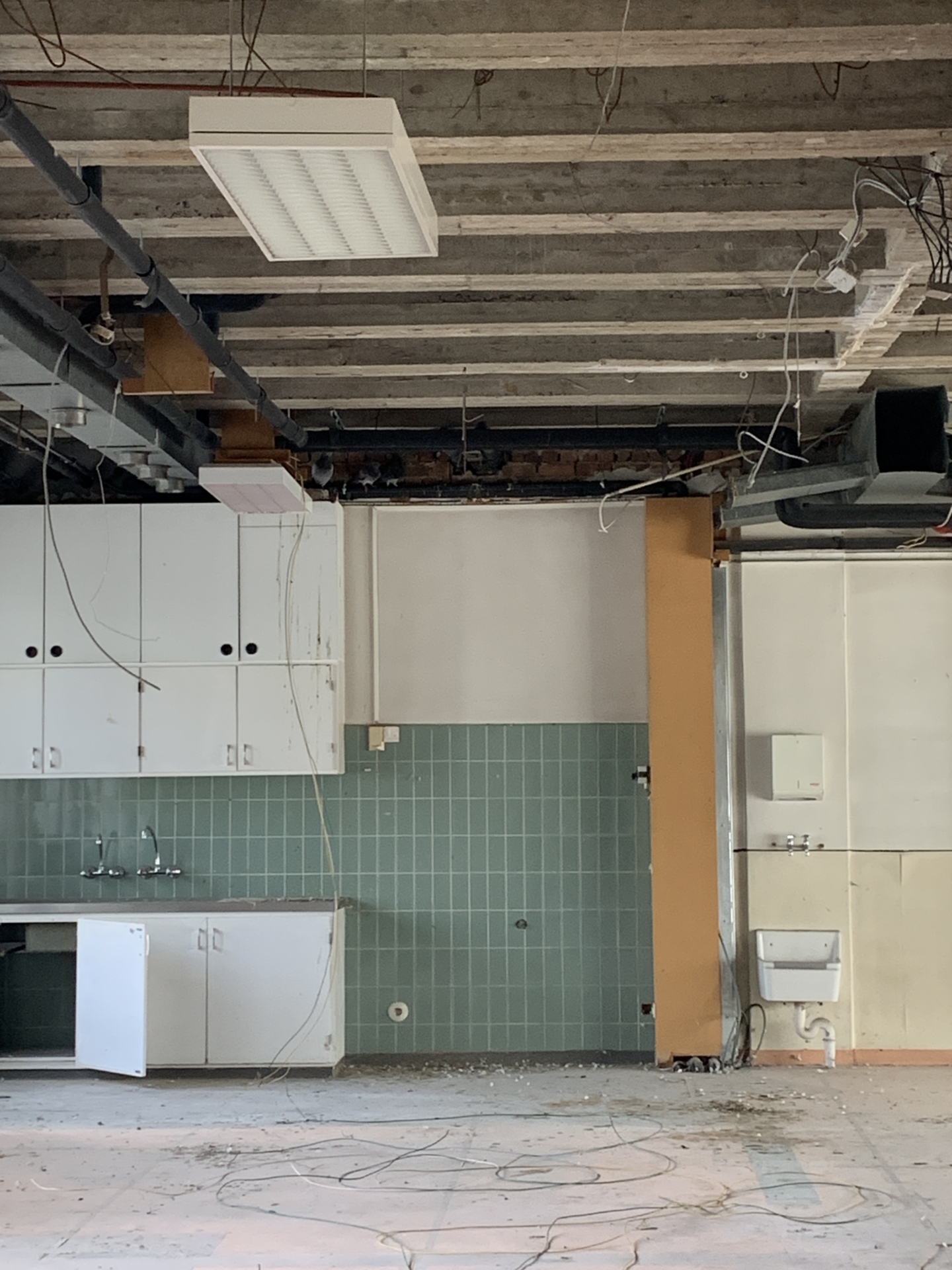
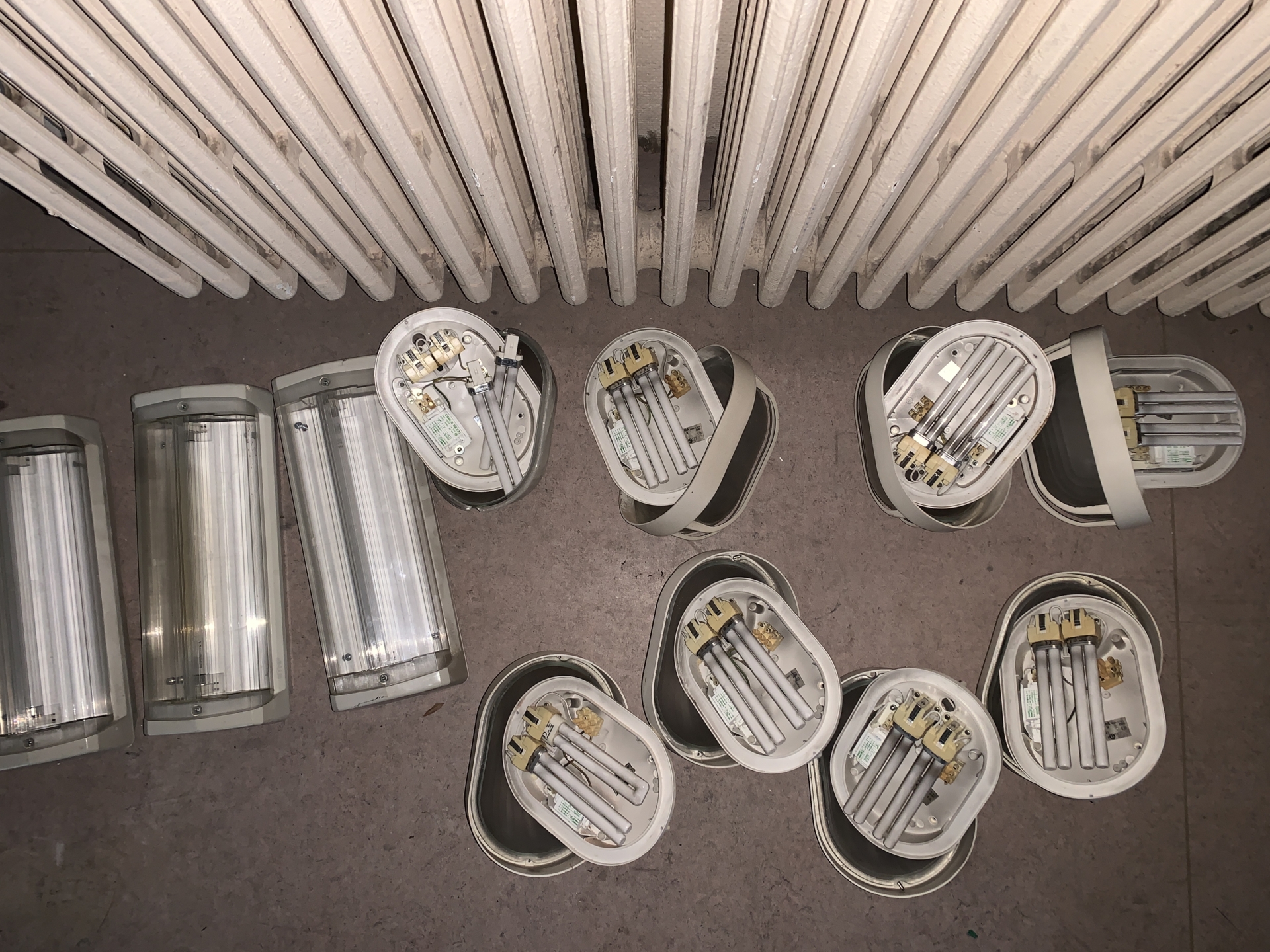
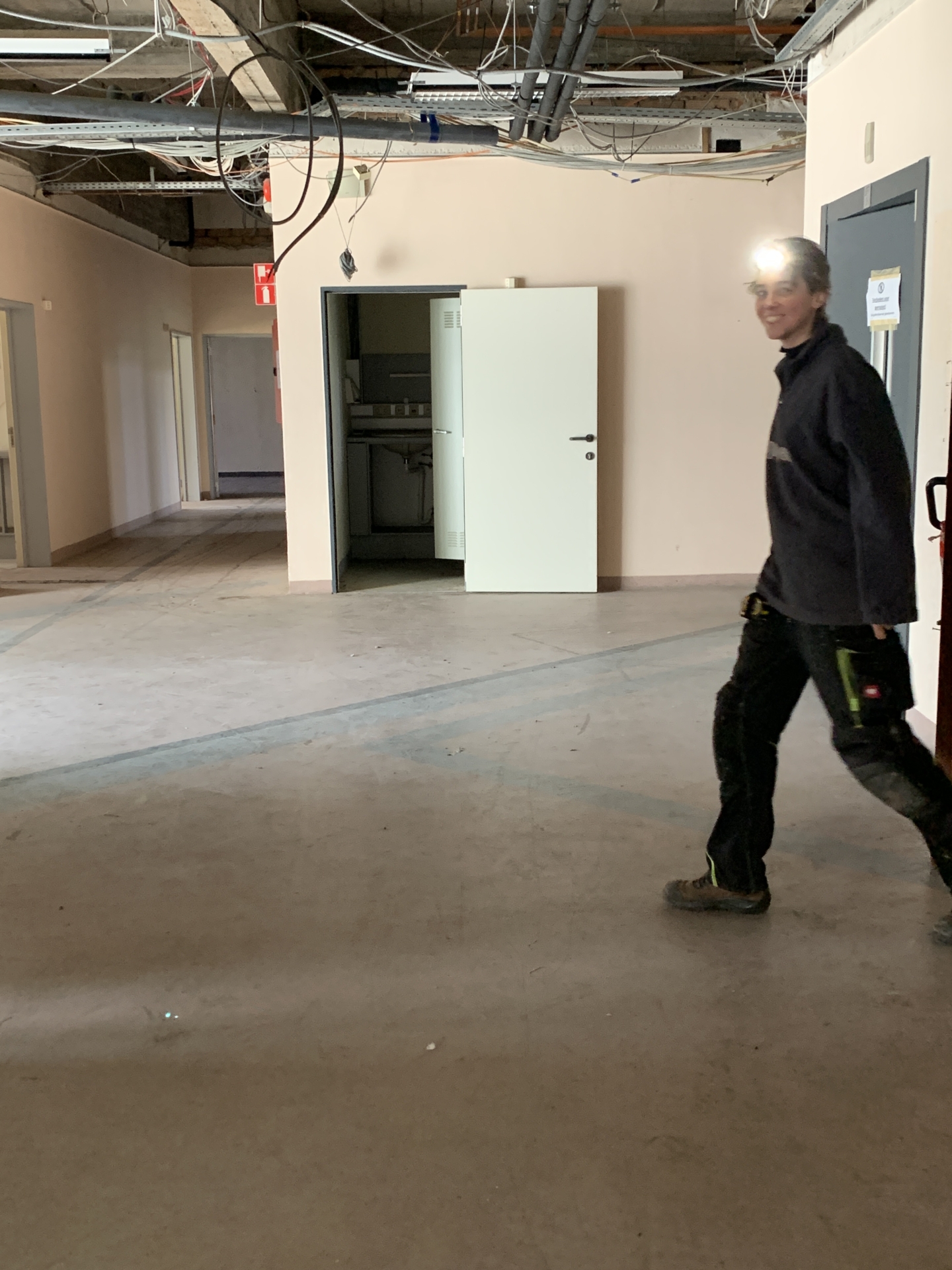
After these months, our focus shifted towards preparing the site to host people and making living on the island as comfortable as possible for everyone.
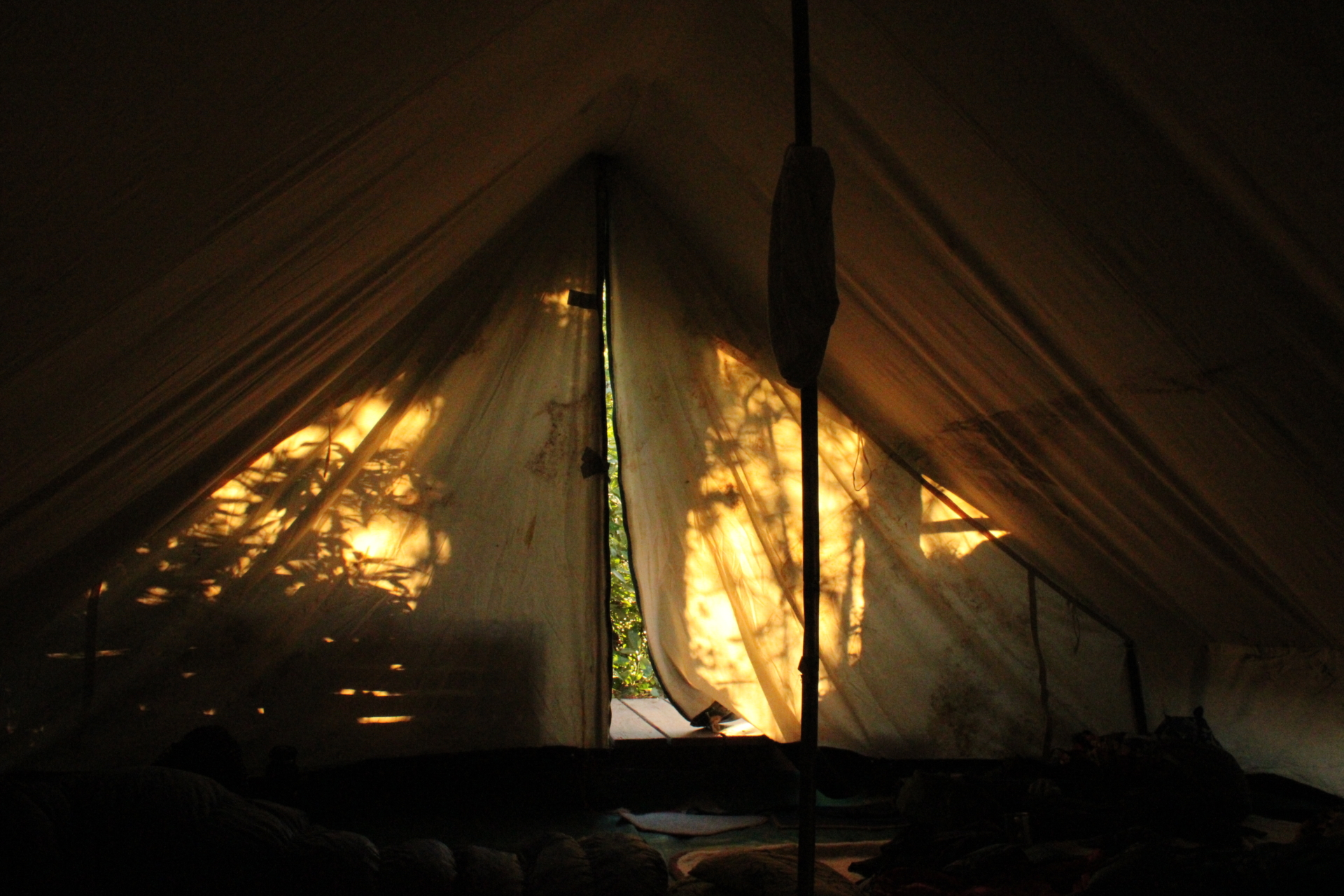
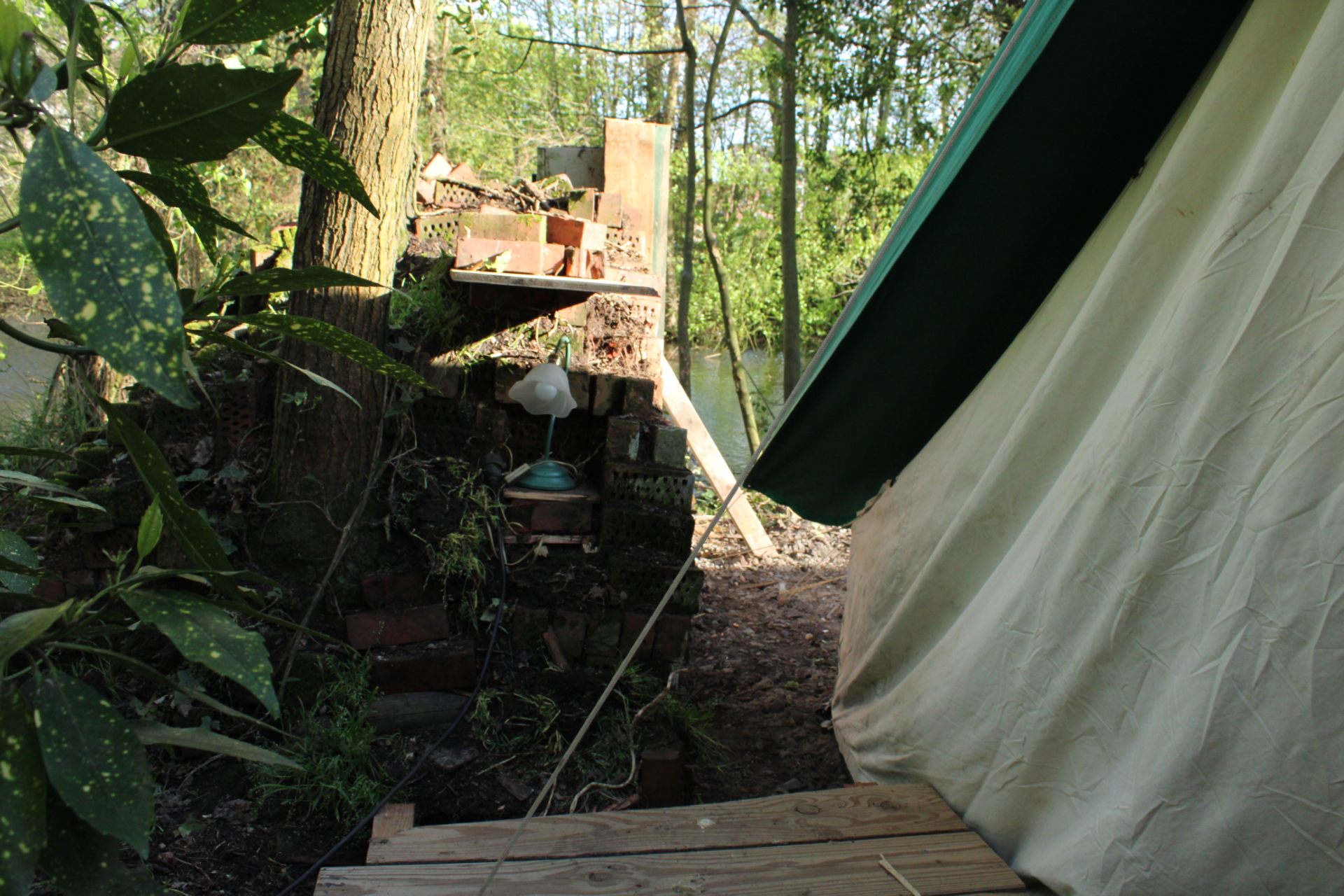
We set up large tents (accommodating up to 10 people), and Dani—who had already joined us during the dismantling phase—built a small wooden platform to make access to the tent easier. He also added a simple bench for storing shoes and sitting while changing them.
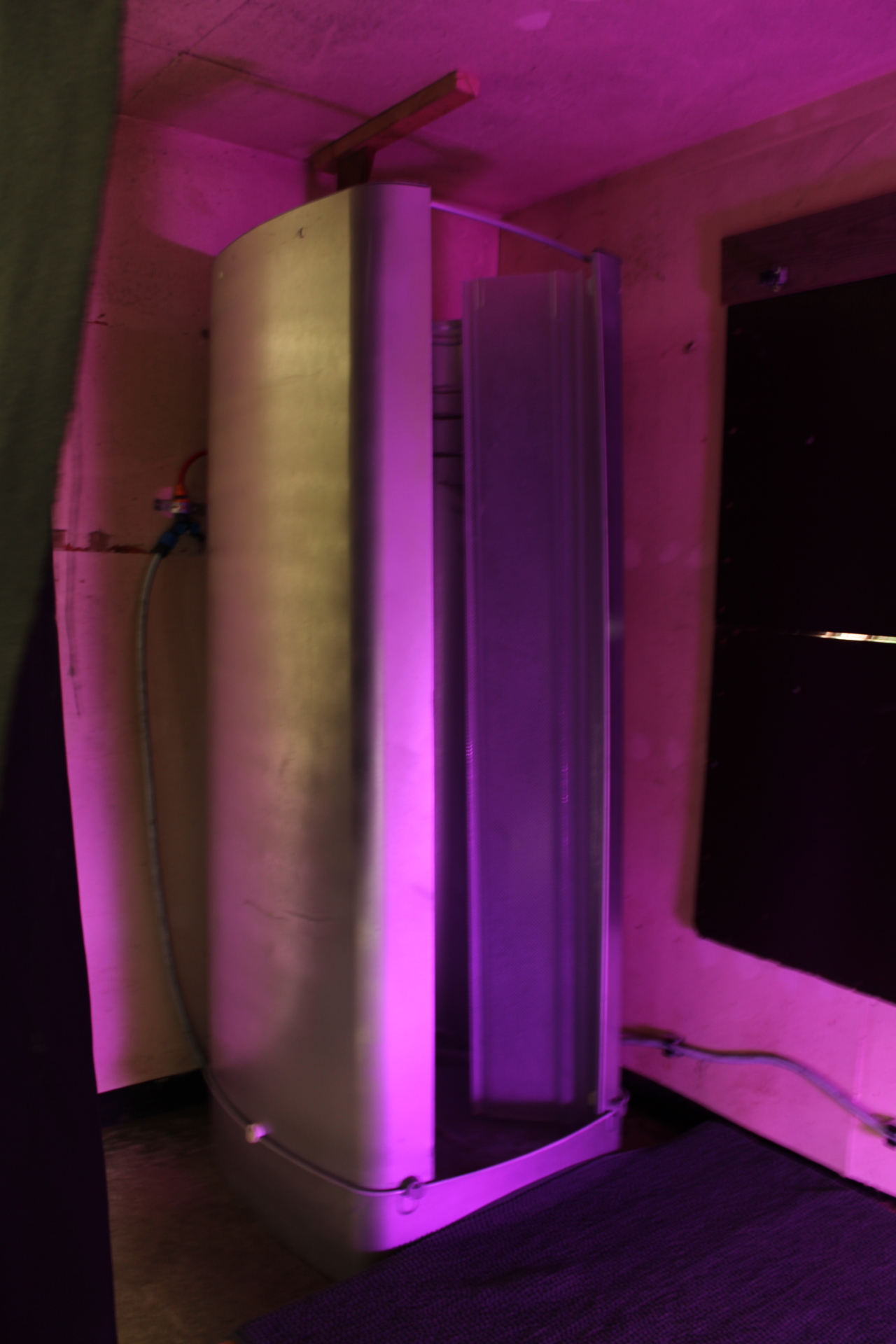
At the same time, we fixed up a shower in the remaining shed next to the kitchen, including some storage space for everyone’s belongings. We also added a few appliances to make cooking easier, while Hannah and Juul stocked the kitchen with a variety of groceries to allow for more diverse meals.
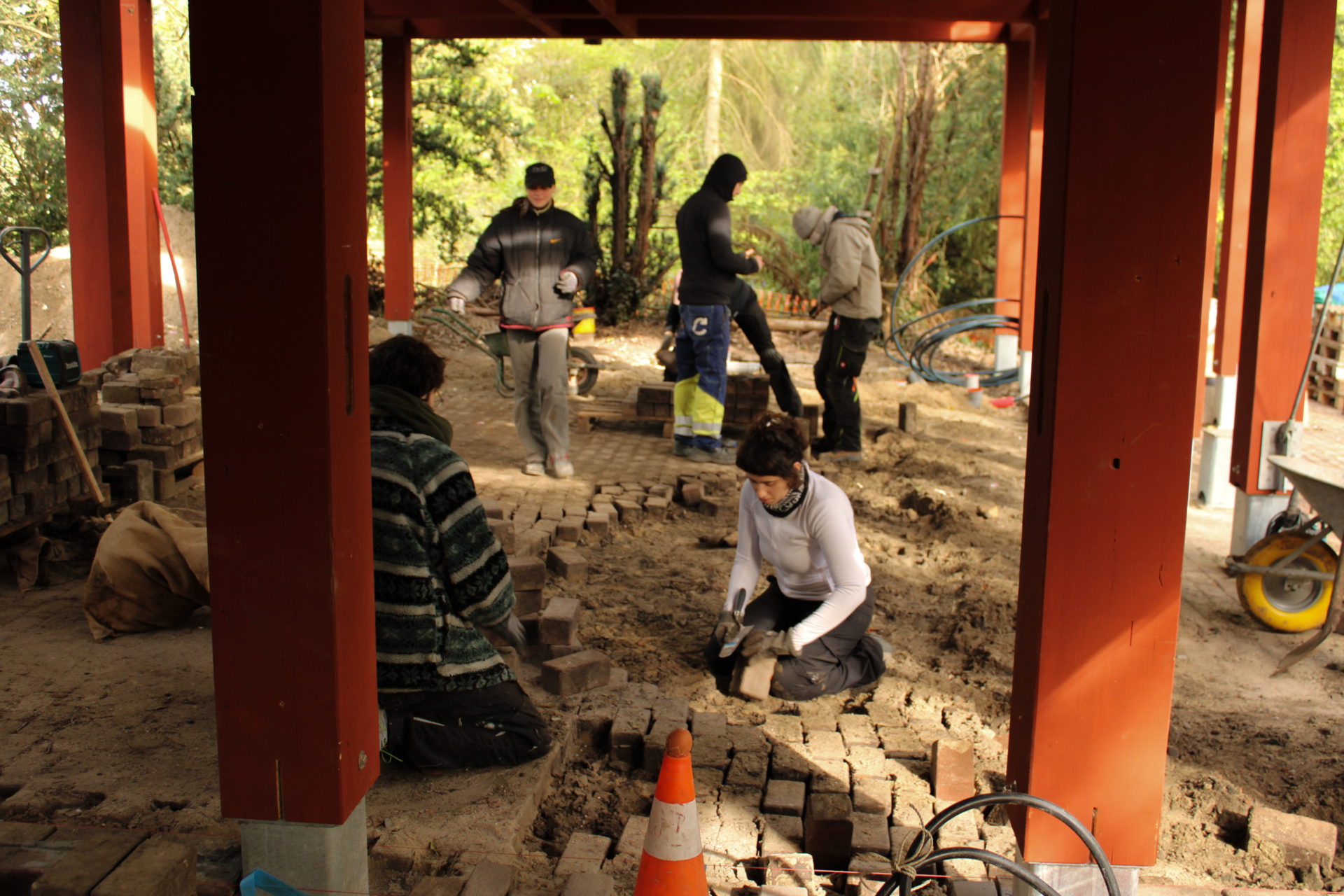
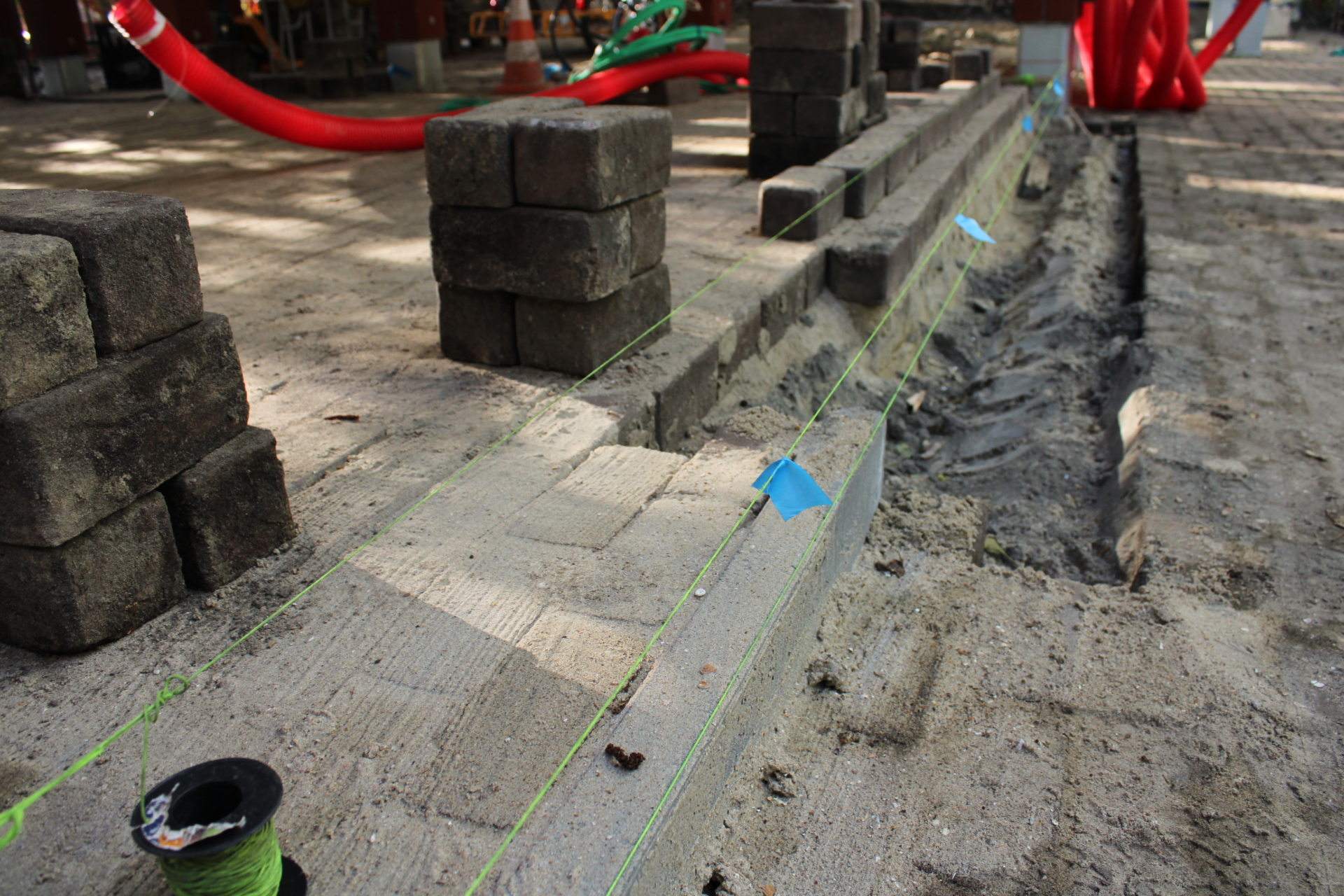
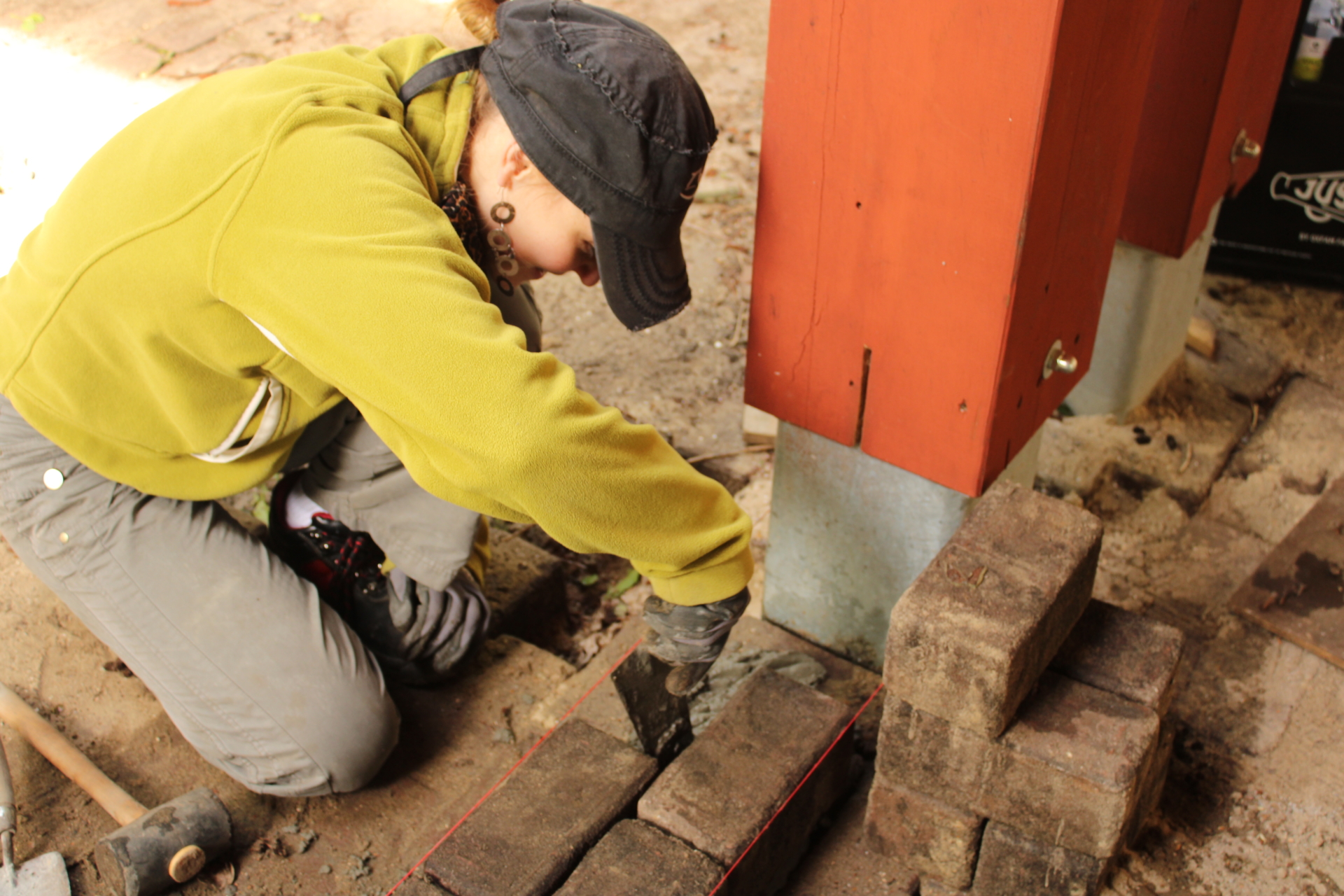
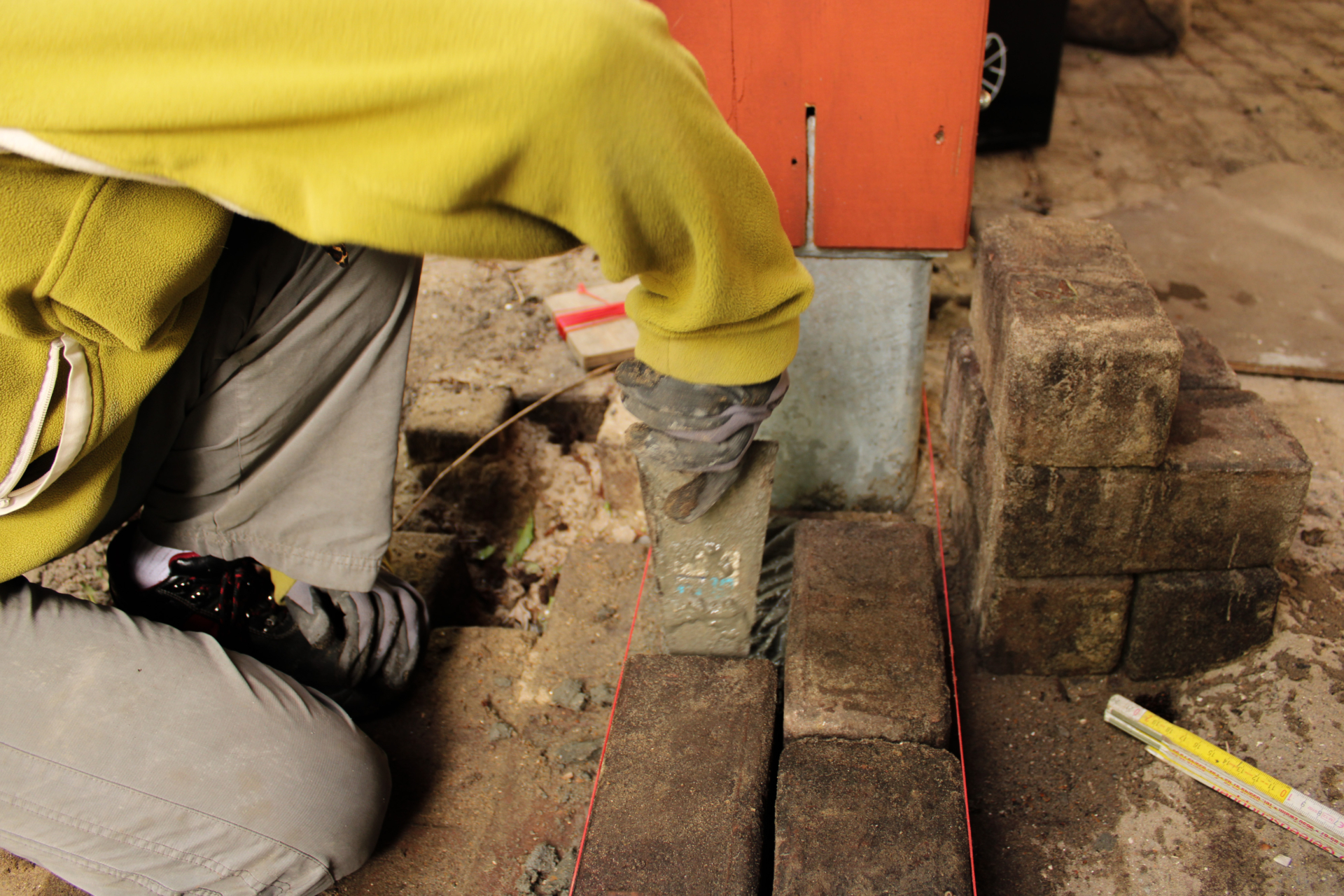
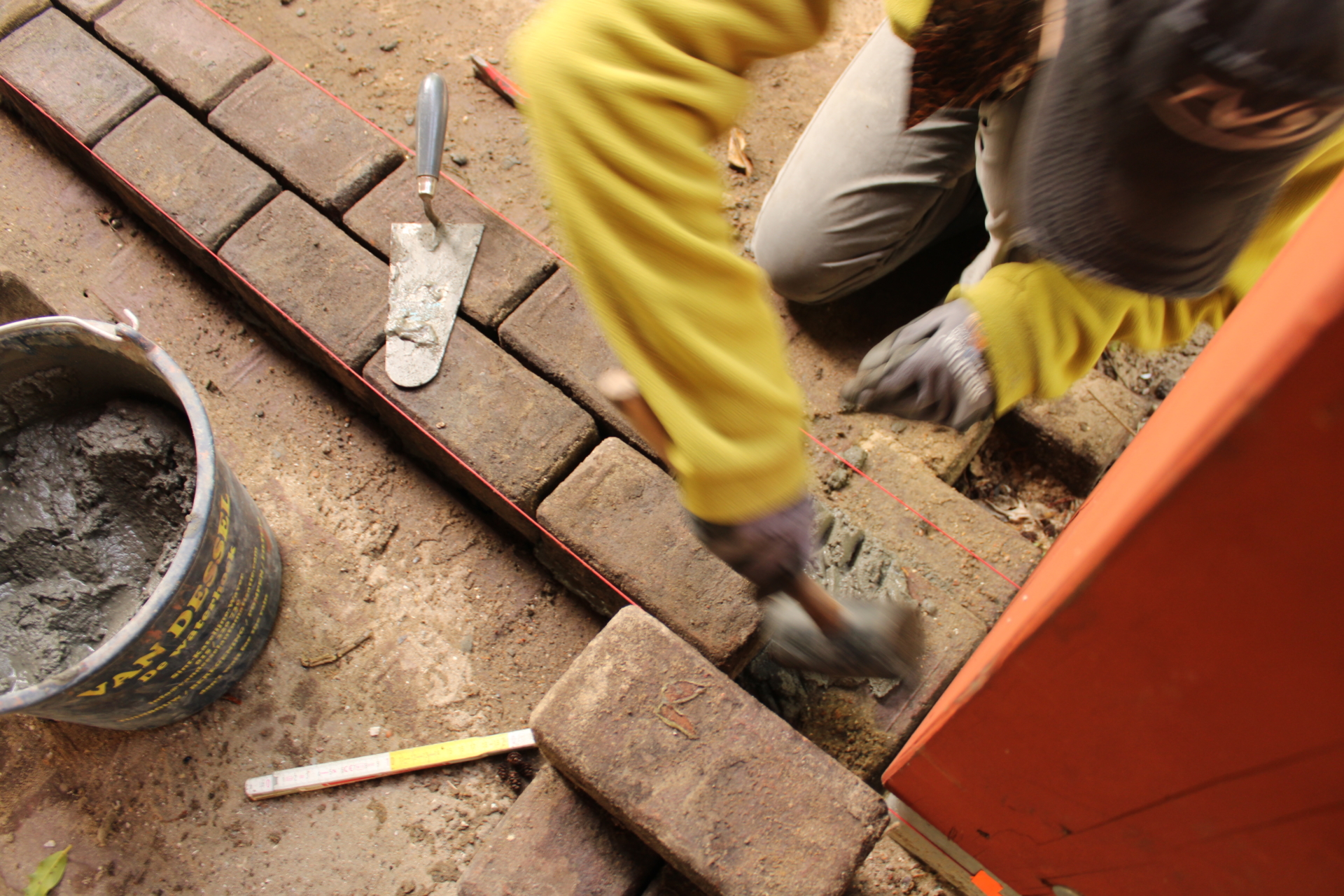
In the first week of April, we mainly focused on laying bricks and leveling the floor.
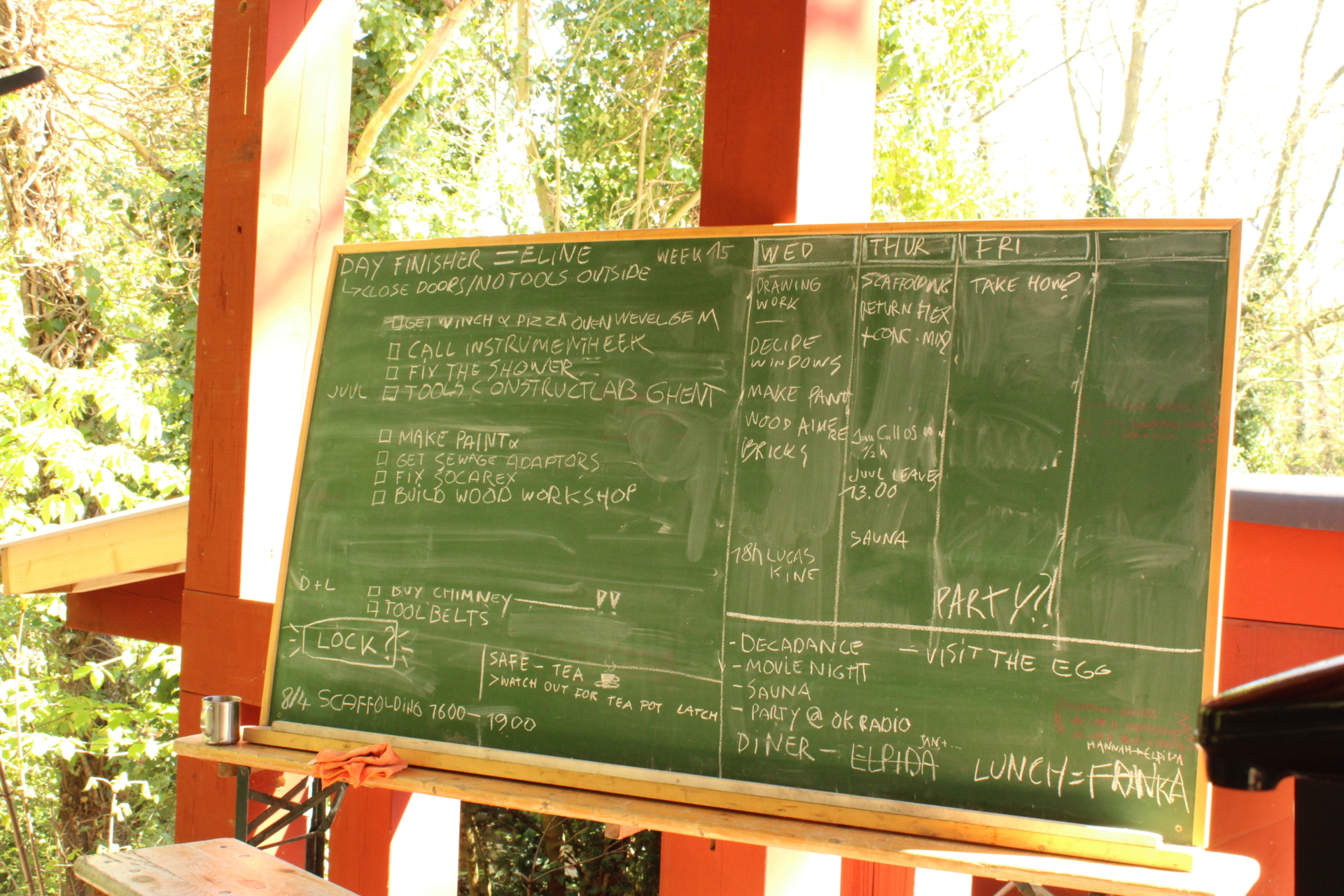
We moved to the island on the 5th of April, and as more people started to arrive, the second week quickly took shape. Each morning, we gathered early to write down our goals for the day on the board, setting a clear direction for the work ahead. As we gradually became more comfortable living on the island, working on site started to feel more natural and fluid.
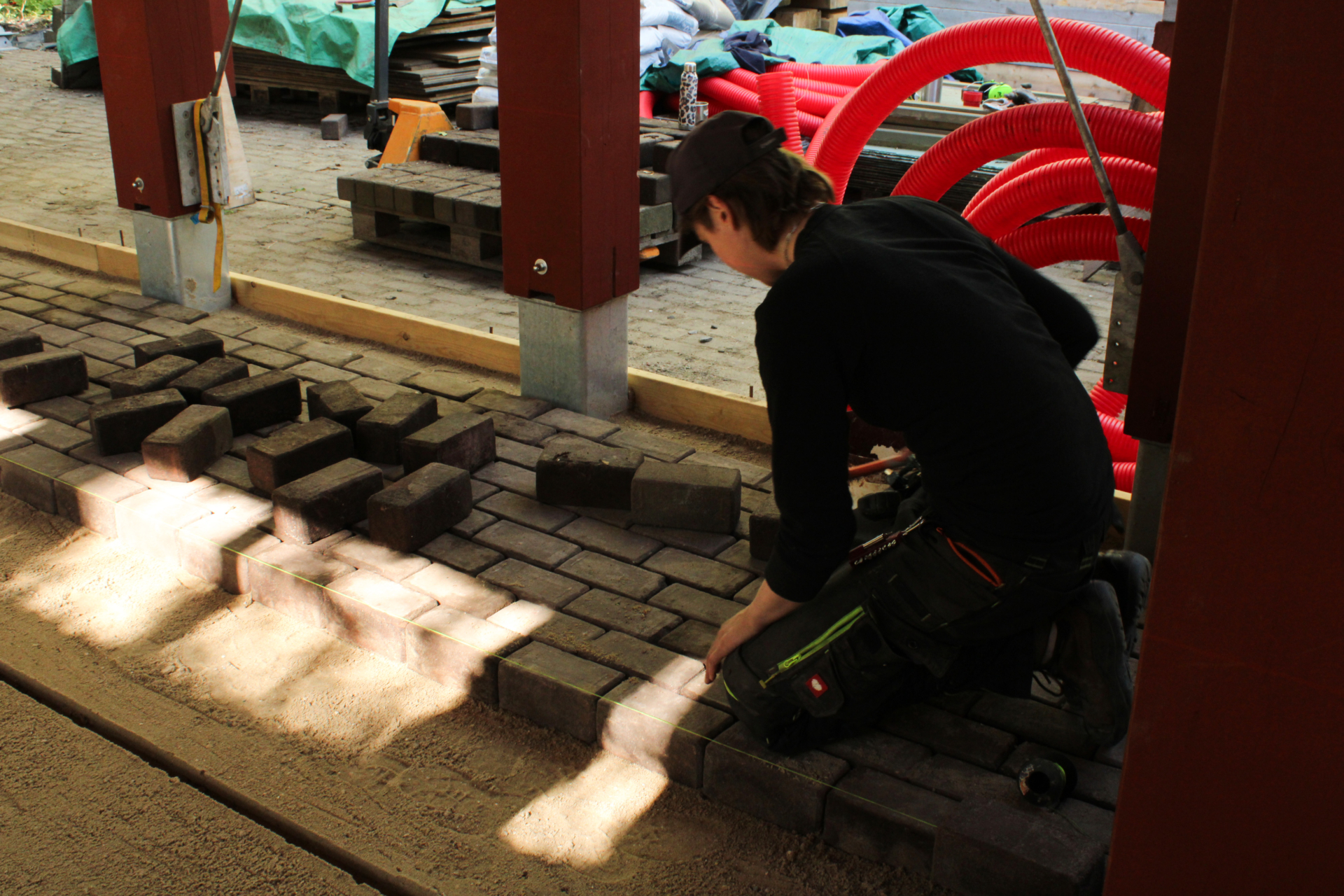
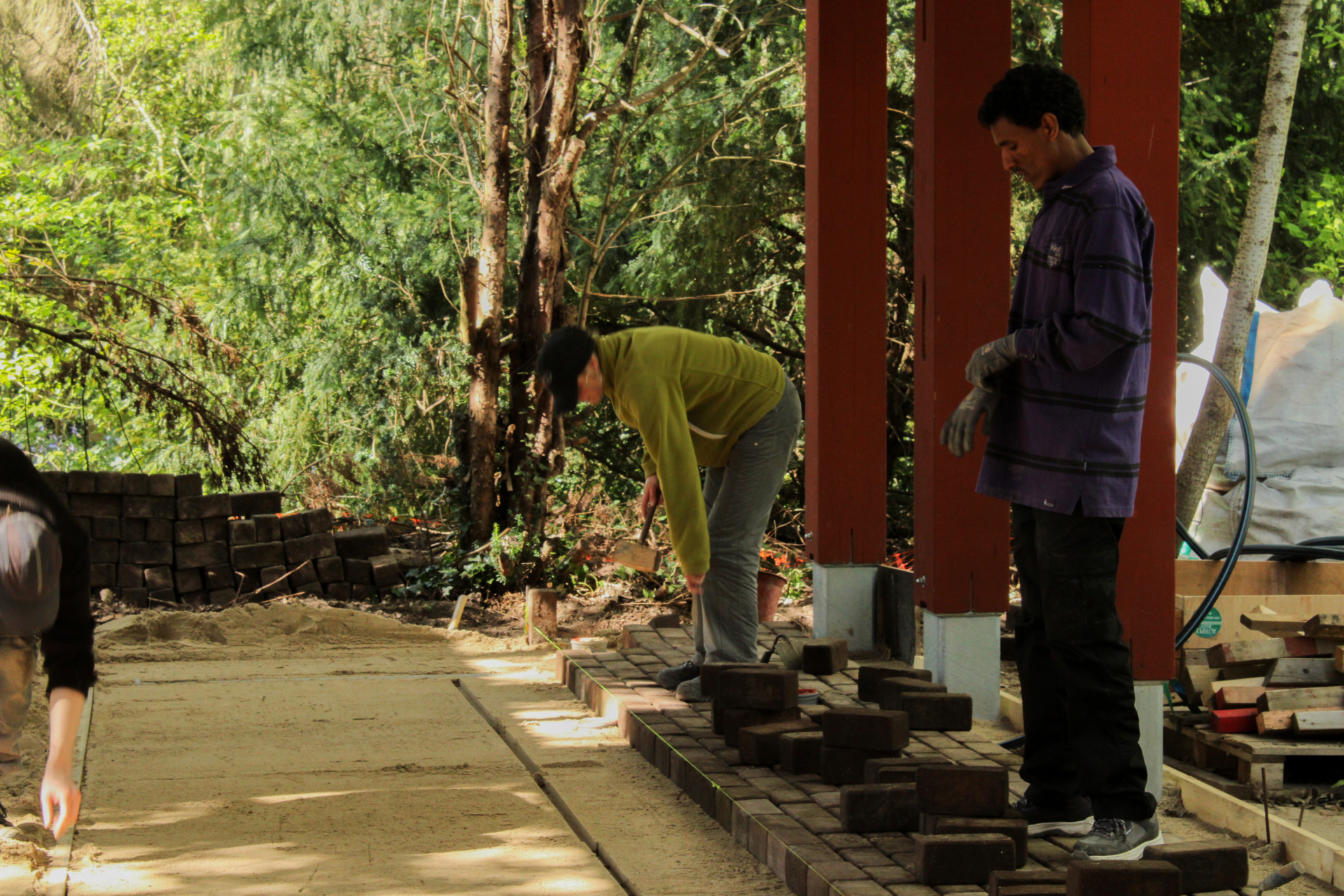
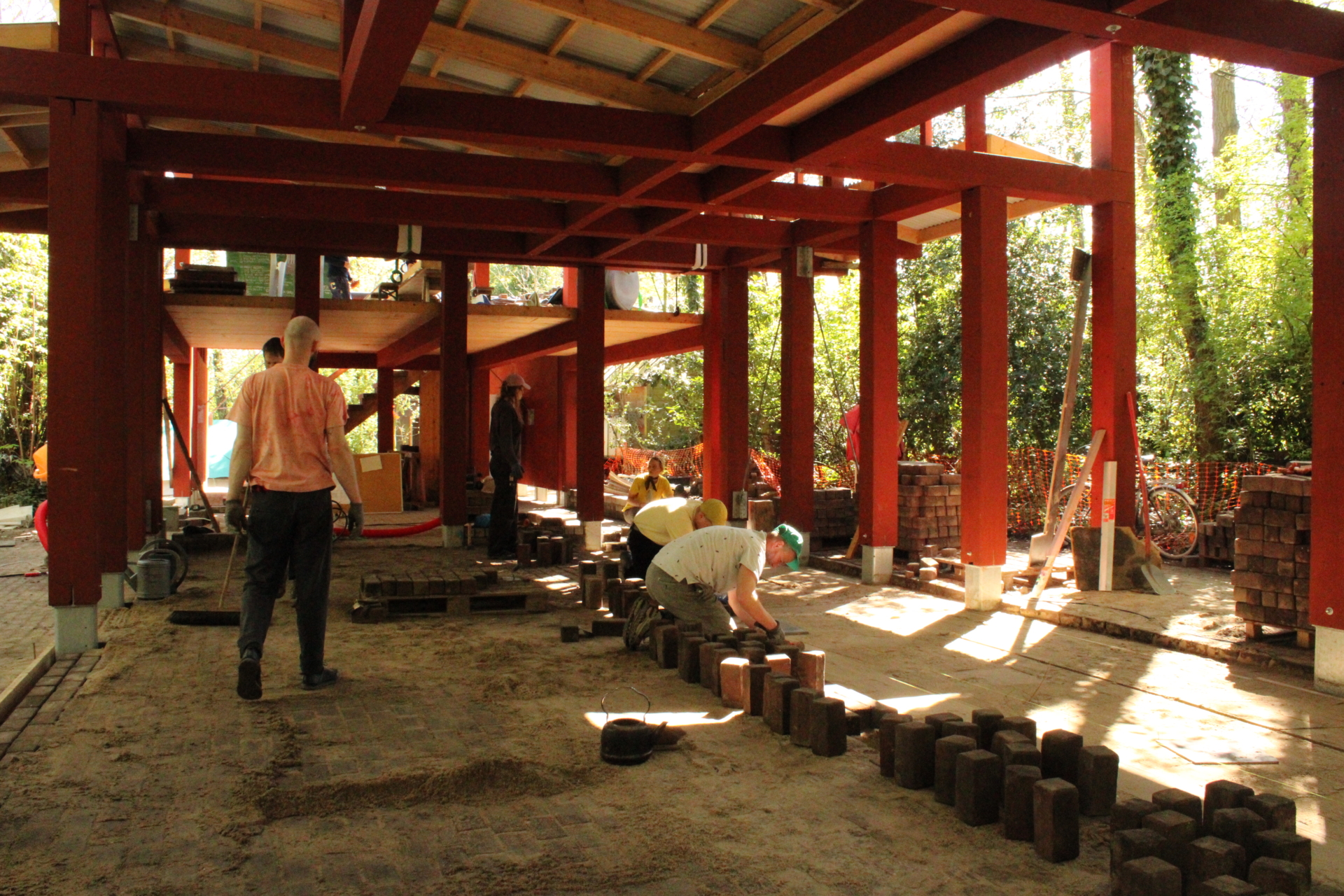
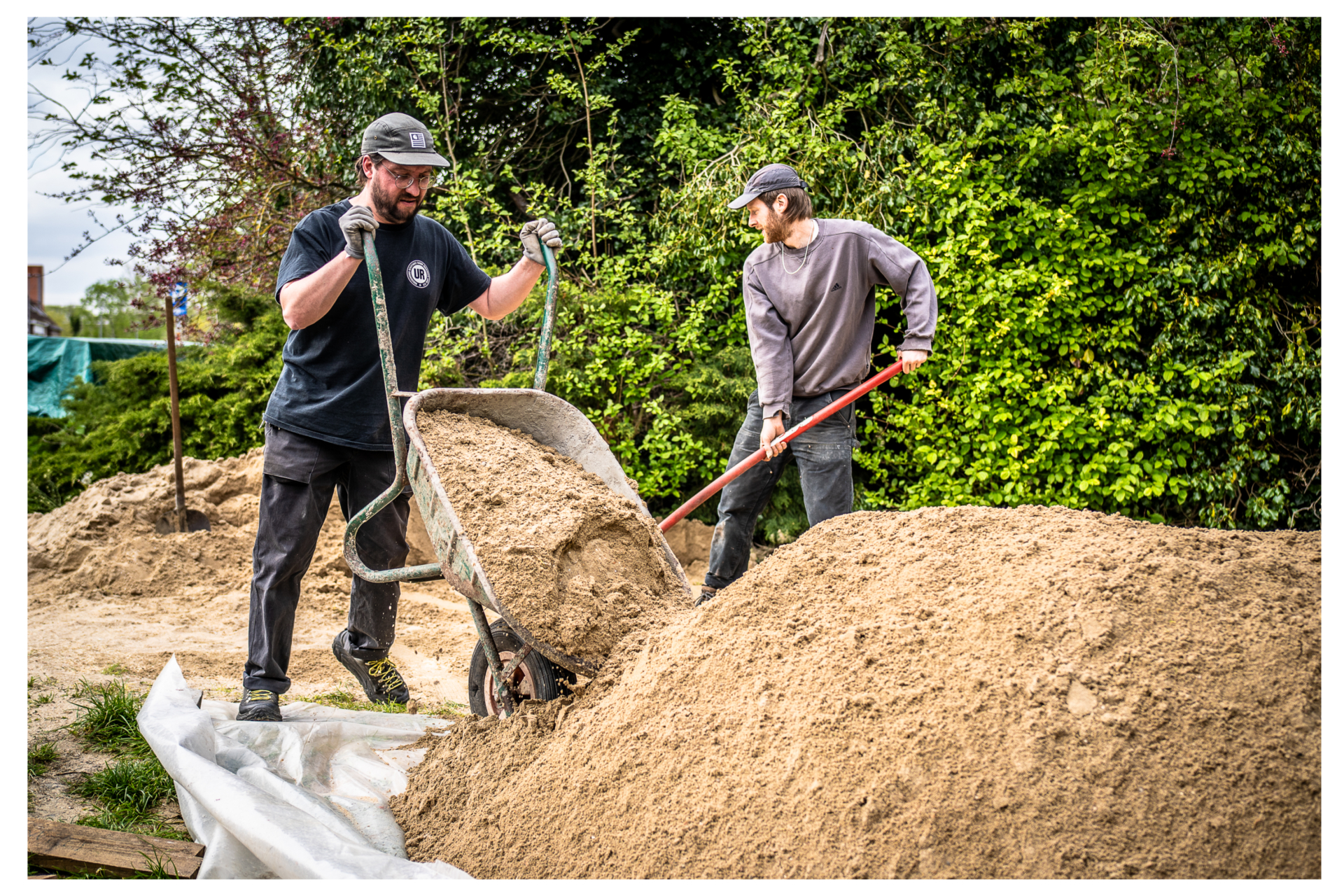
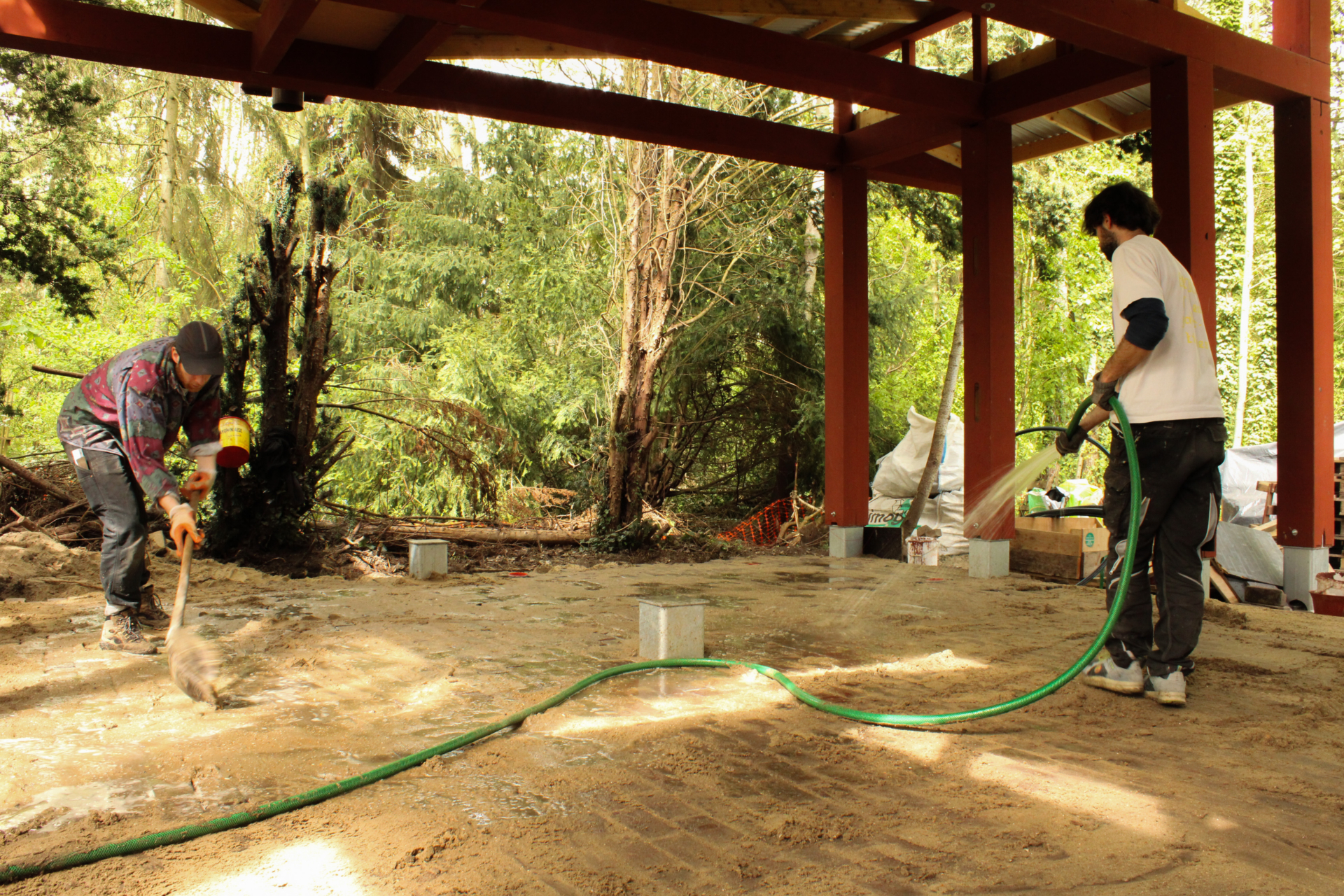
“Most of us are back here after a long time, and that means the place has already evolved in our absence. The tool shed has been demolished, and in its place there is now a tent where we will be staying for the next couple of weeks. As before, different people come and go throughout the day, passing through the island—bringing their knowledge and leaving with new experiences after co-living in the space.”
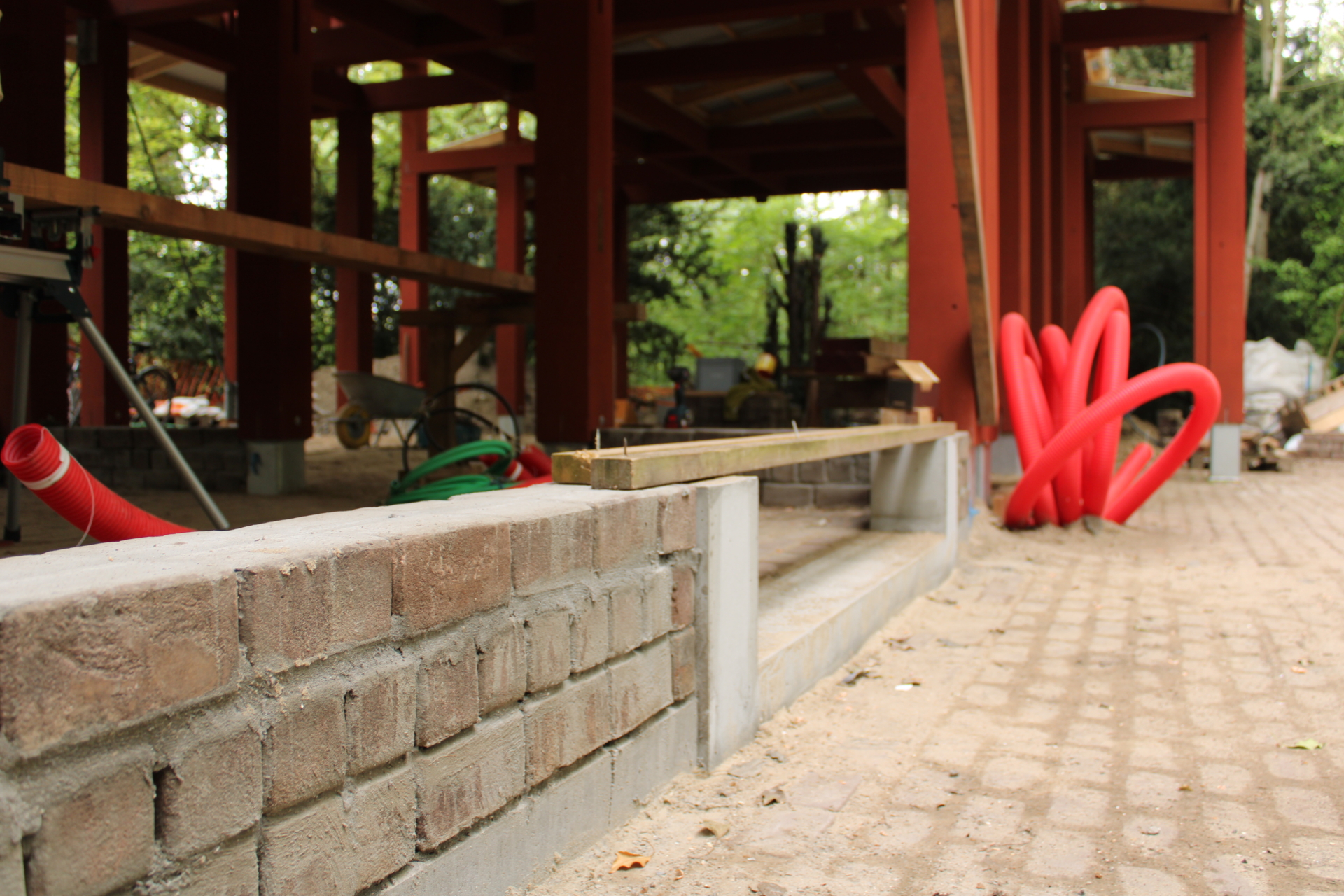
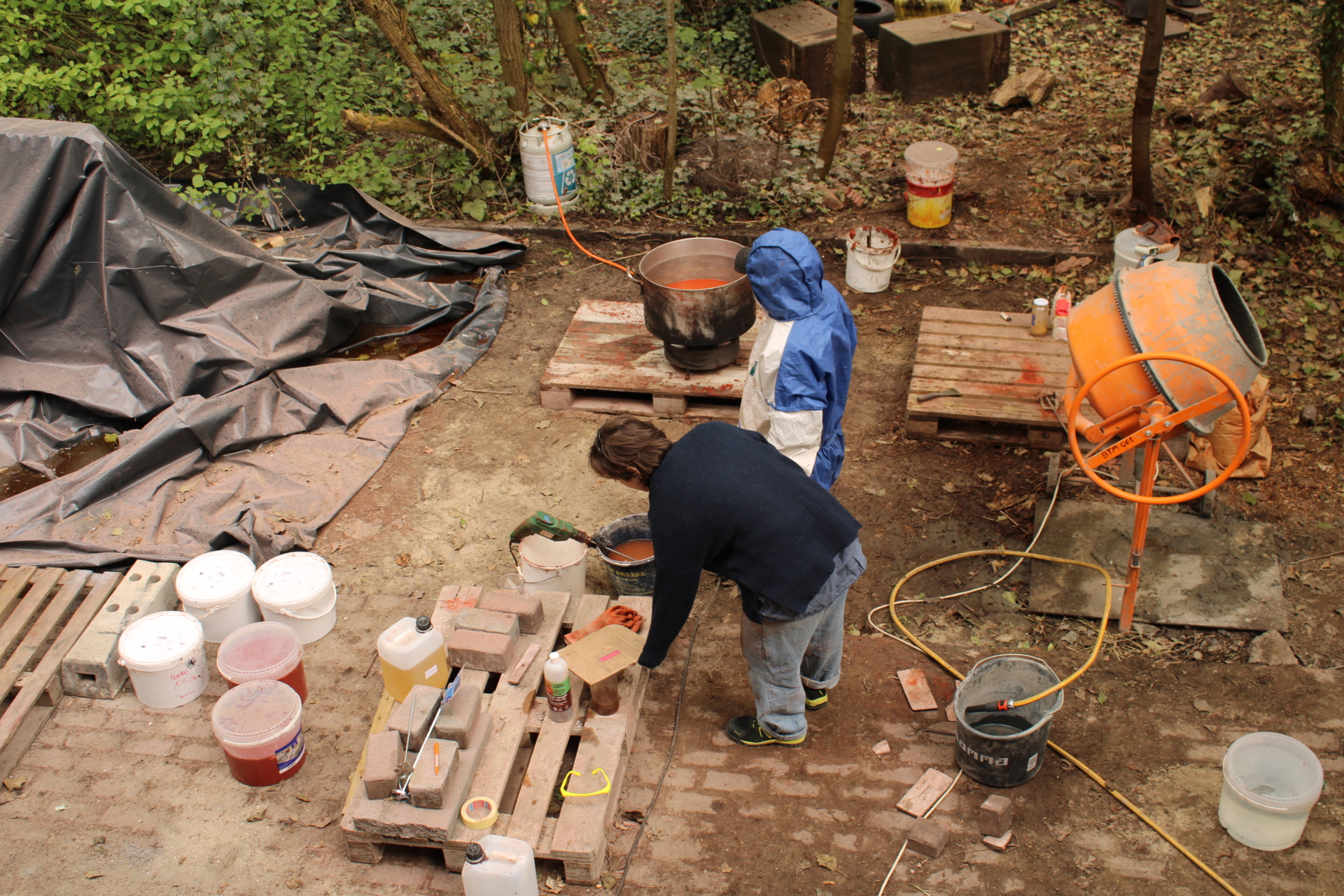
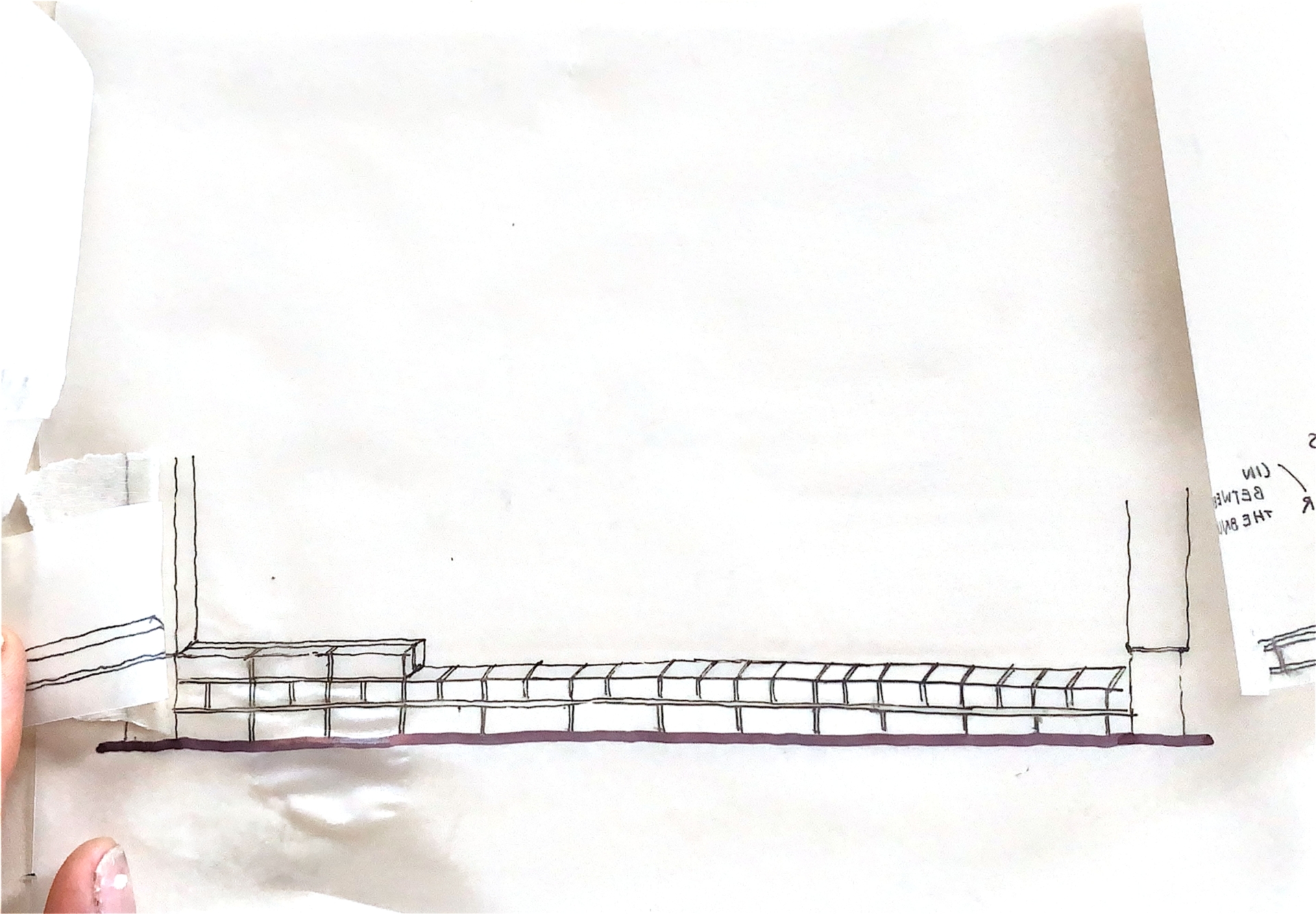
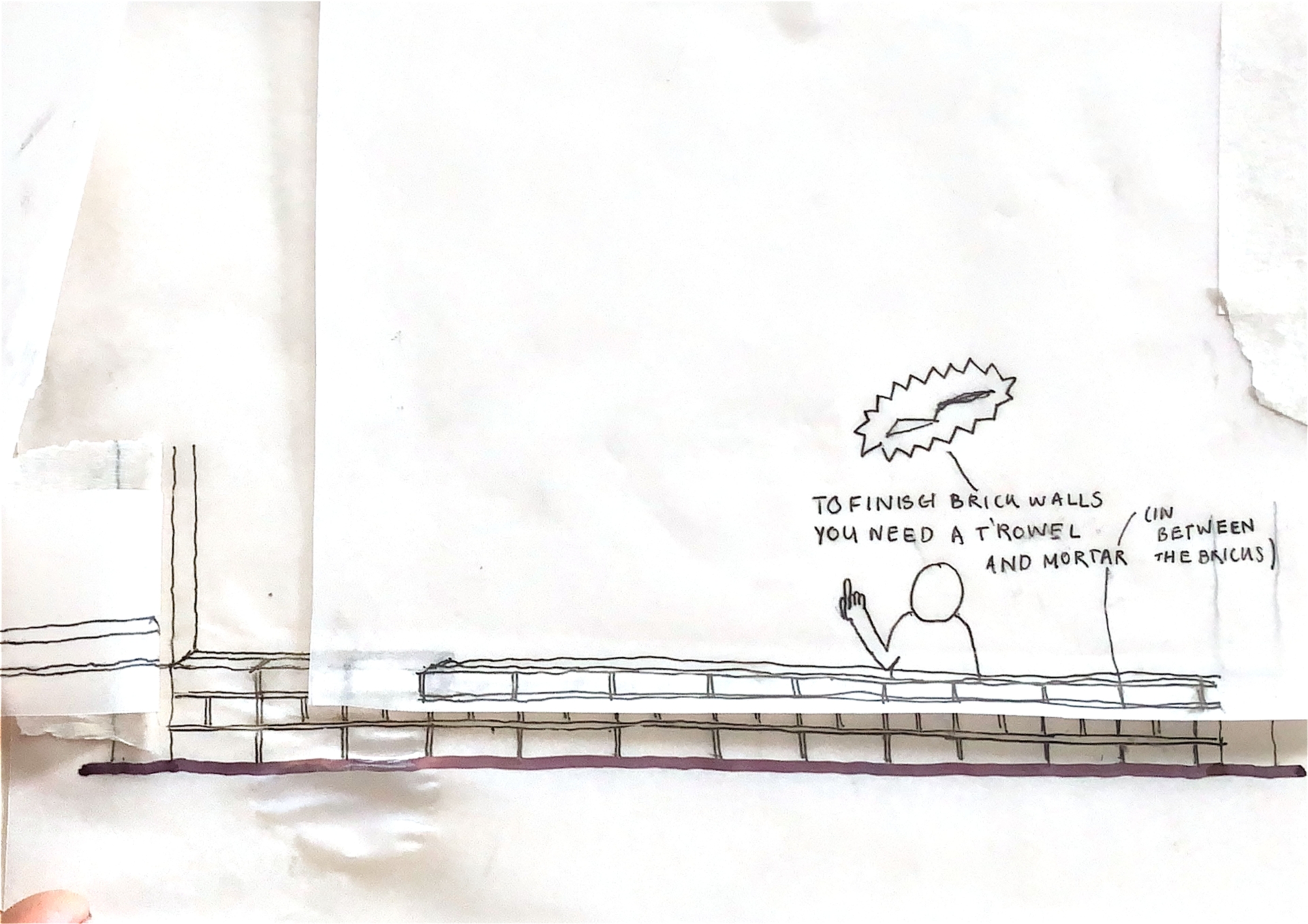
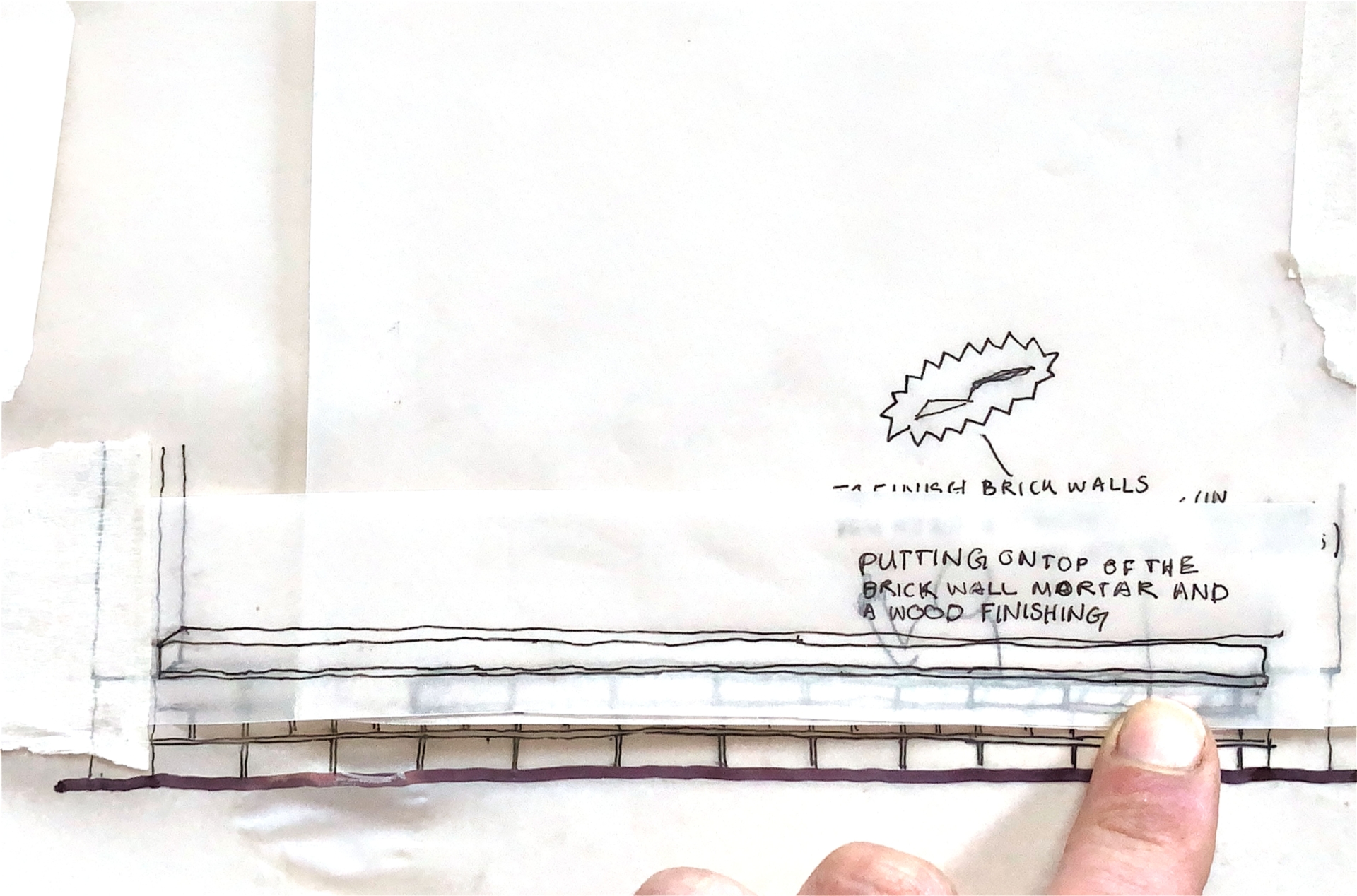
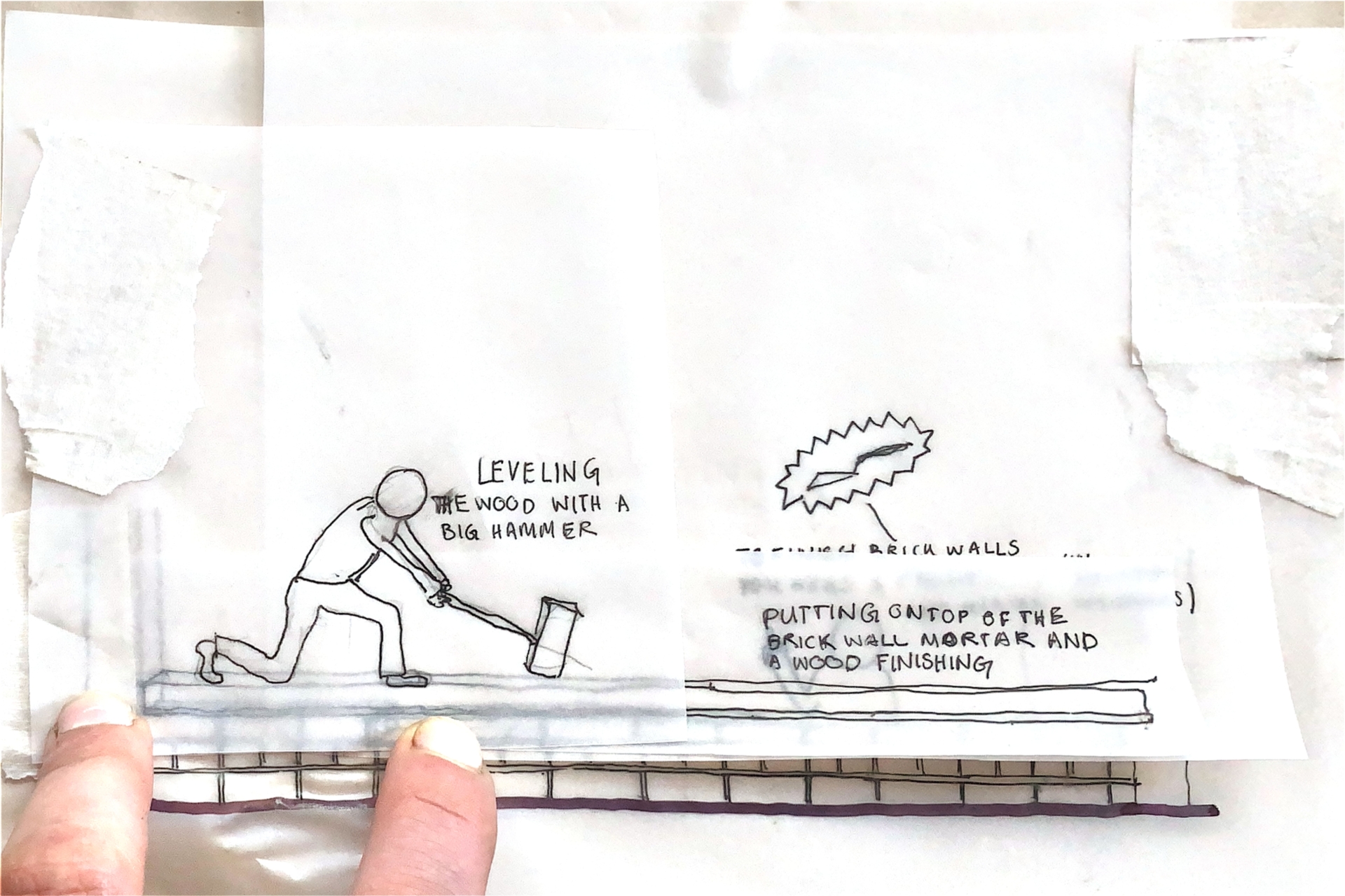
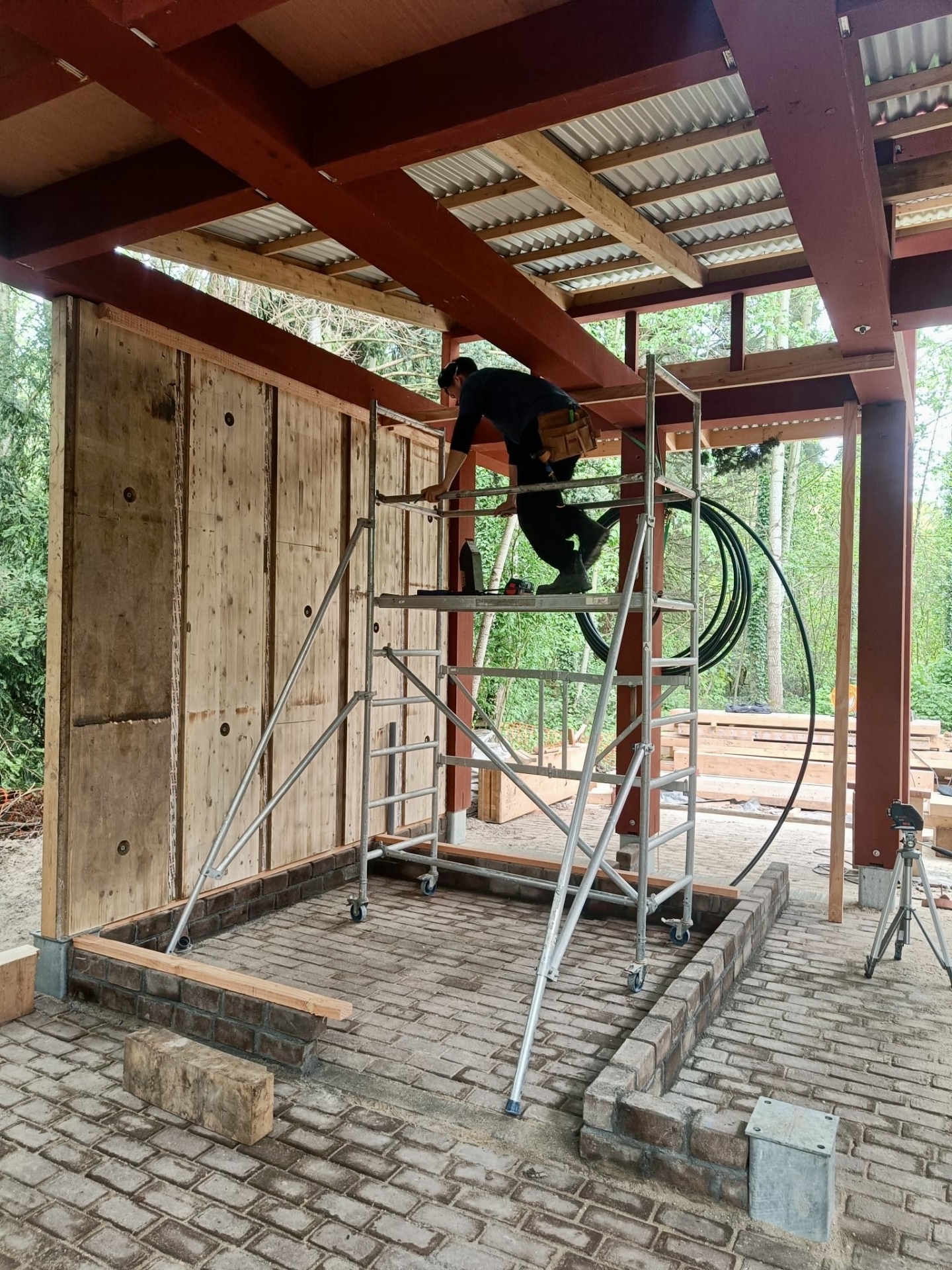
While the first days were still largely dedicated to re-laying bricks and leveling the ground, we also began preparing mortar for the walls of the ground floor. Once the bricks were set, we added another layer of mortar on top and finished it with a wooden beam.
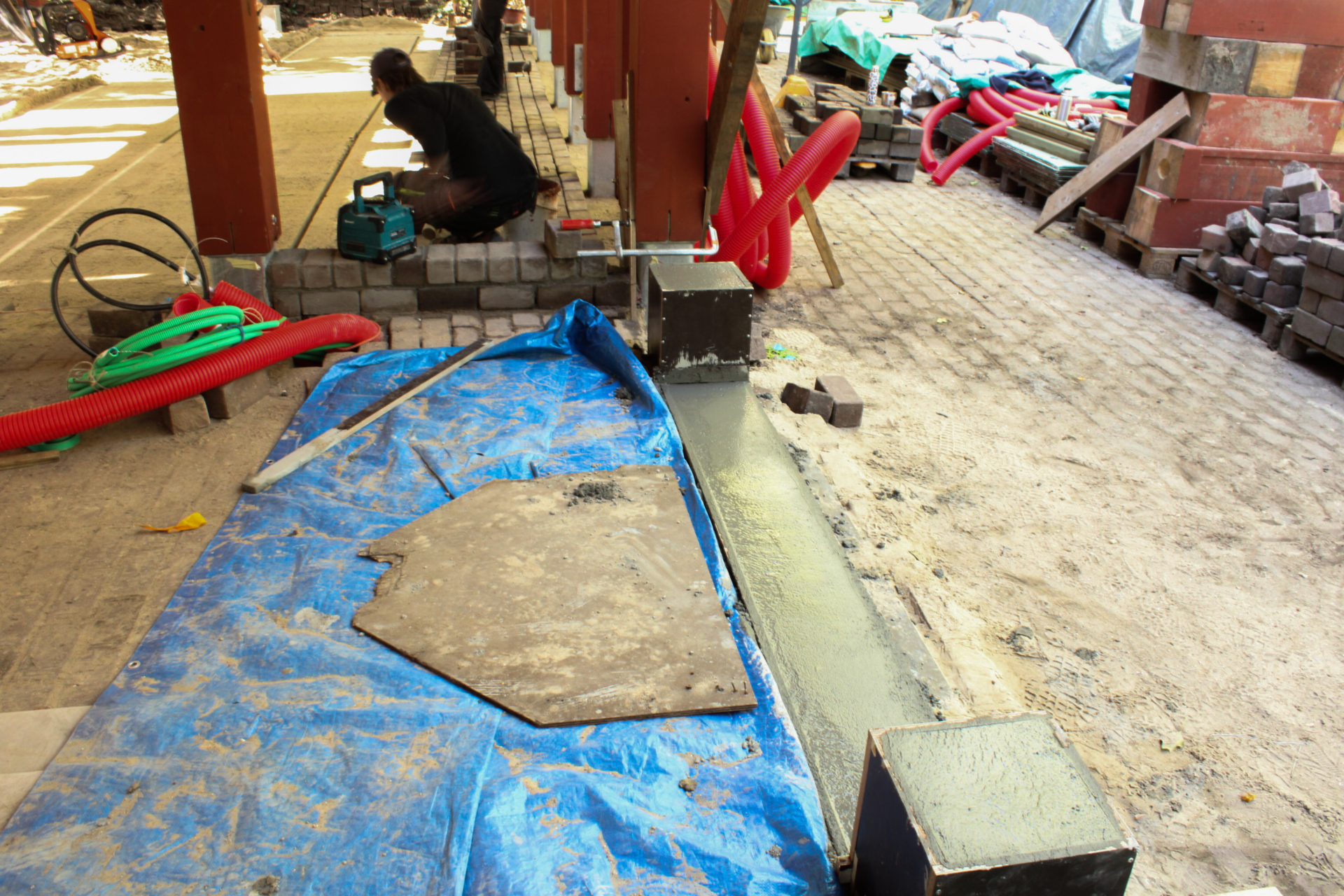
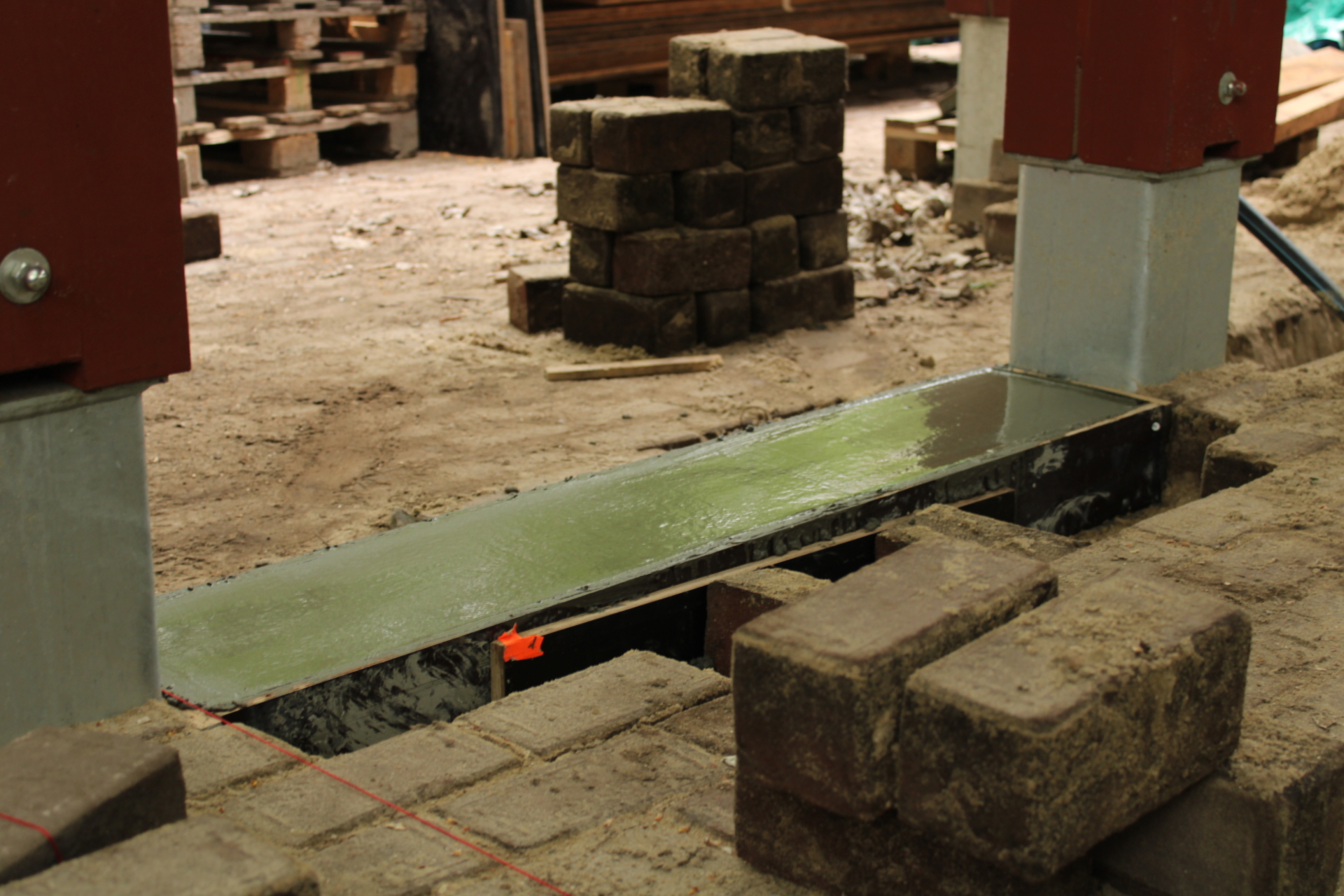
In the areas where doors will be placed, the brick walls needed to be completed with a concrete layer. For this, we built formwork to hold and shape the concrete while it was being poured. On top of the wooden beam, a timber frame was installed, forming the base structure for the façade.
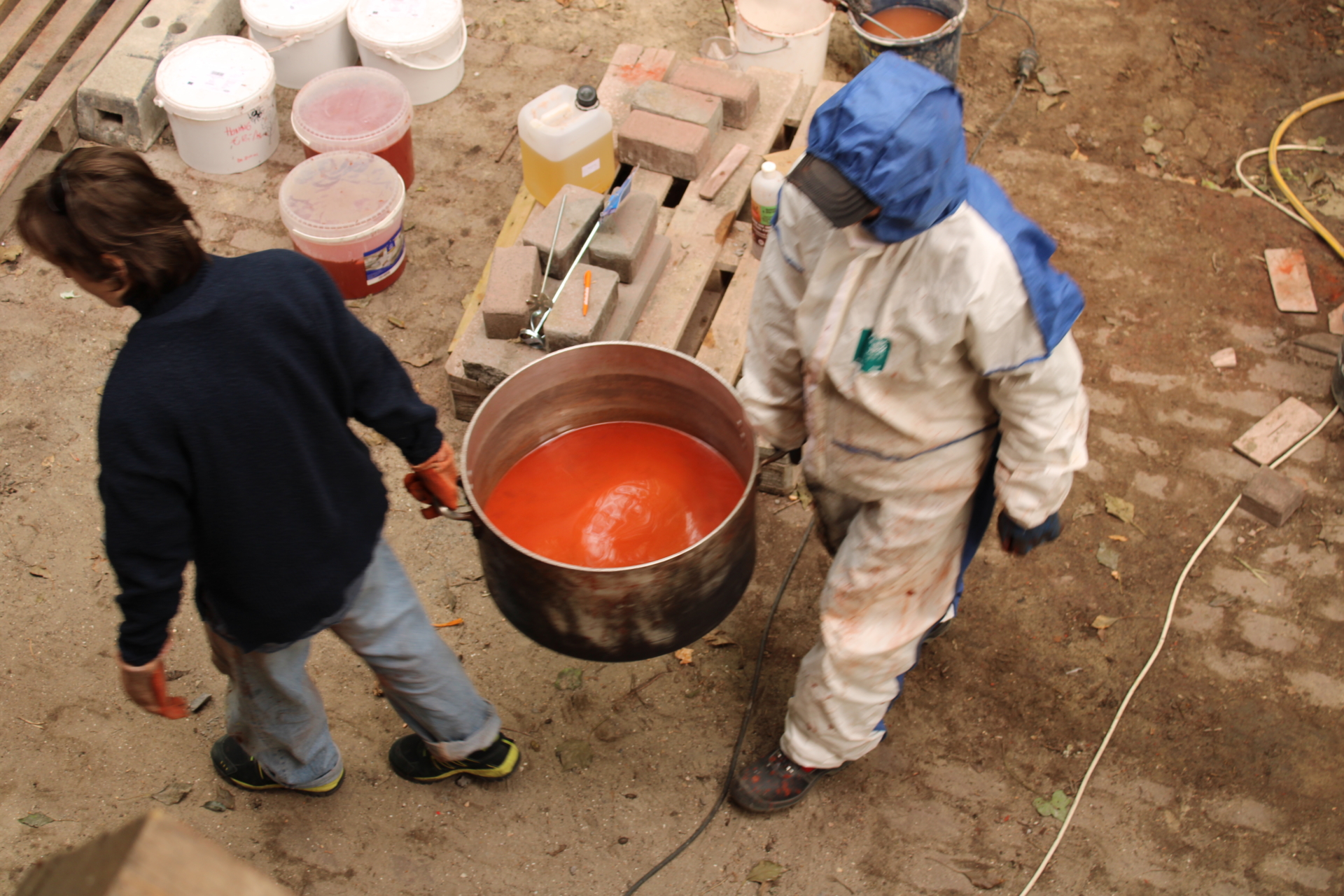
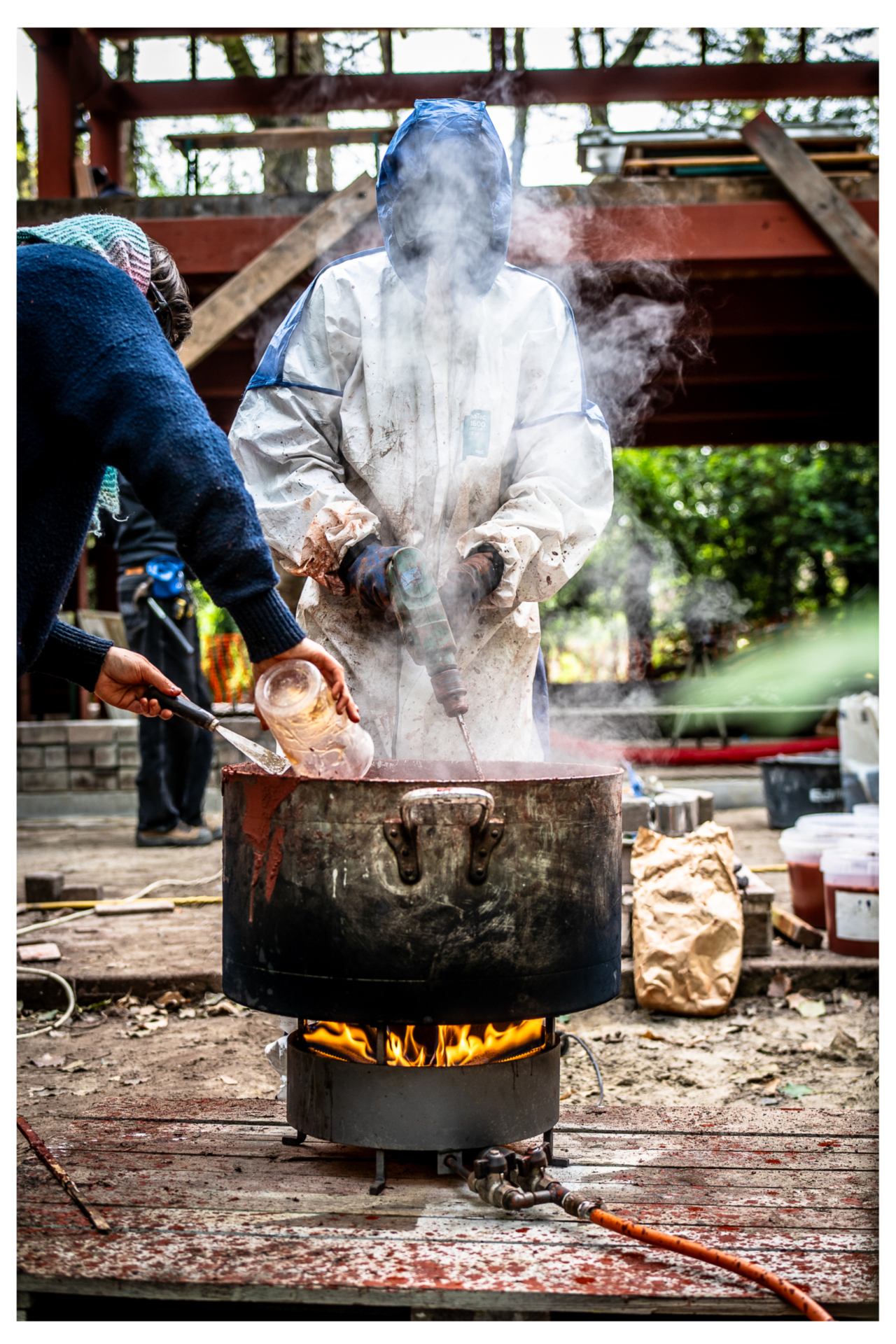
At the same time, at the end of the week, a team of people started preparing more paint for the new wooden planks that would later be used for the facade.
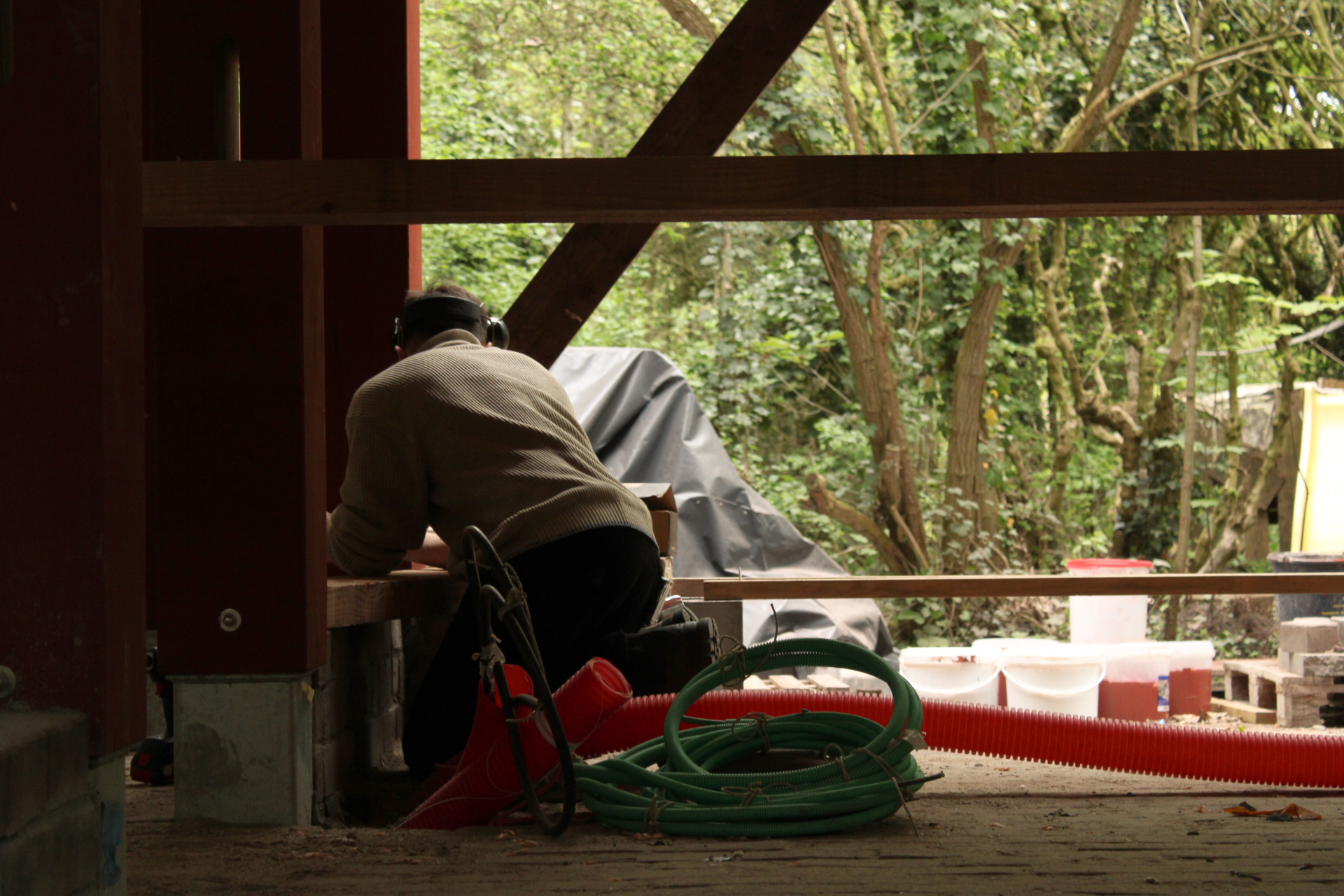
Alongside the work on site, moments of togetherness became an essential part of our daily life. Sharing time beyond construction—through small rituals, conversations, and collective activities—helped shape a strong sense of community.
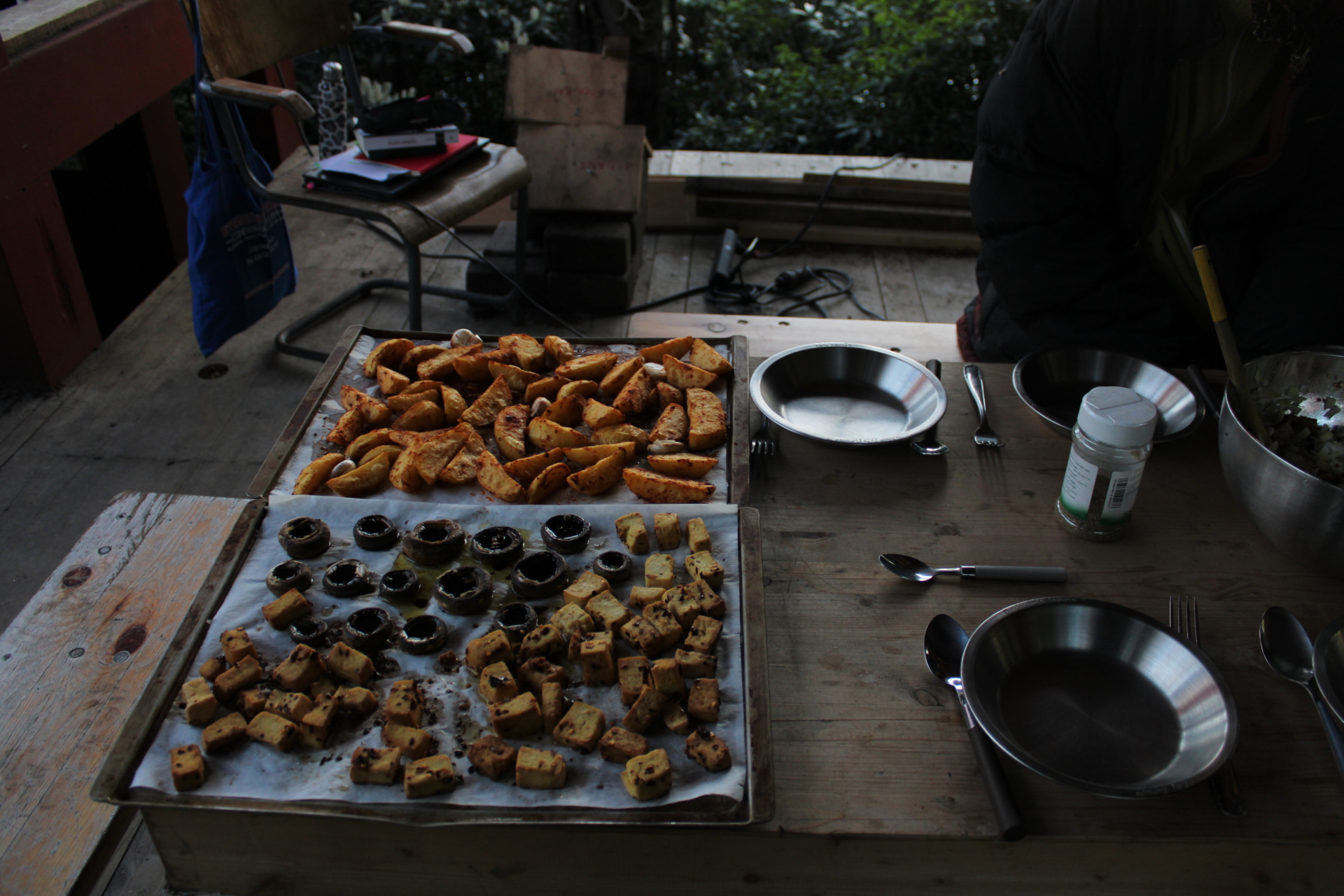
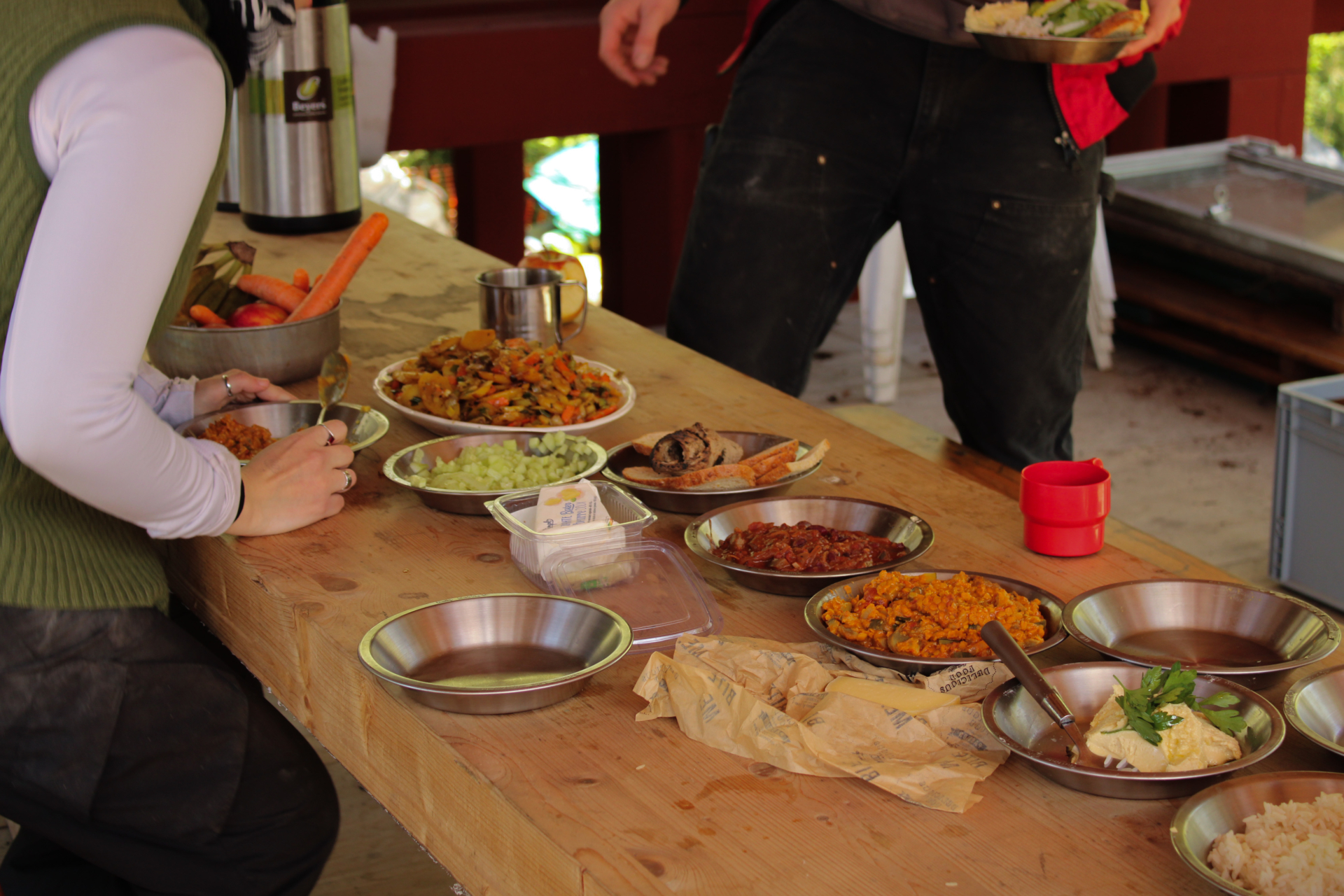
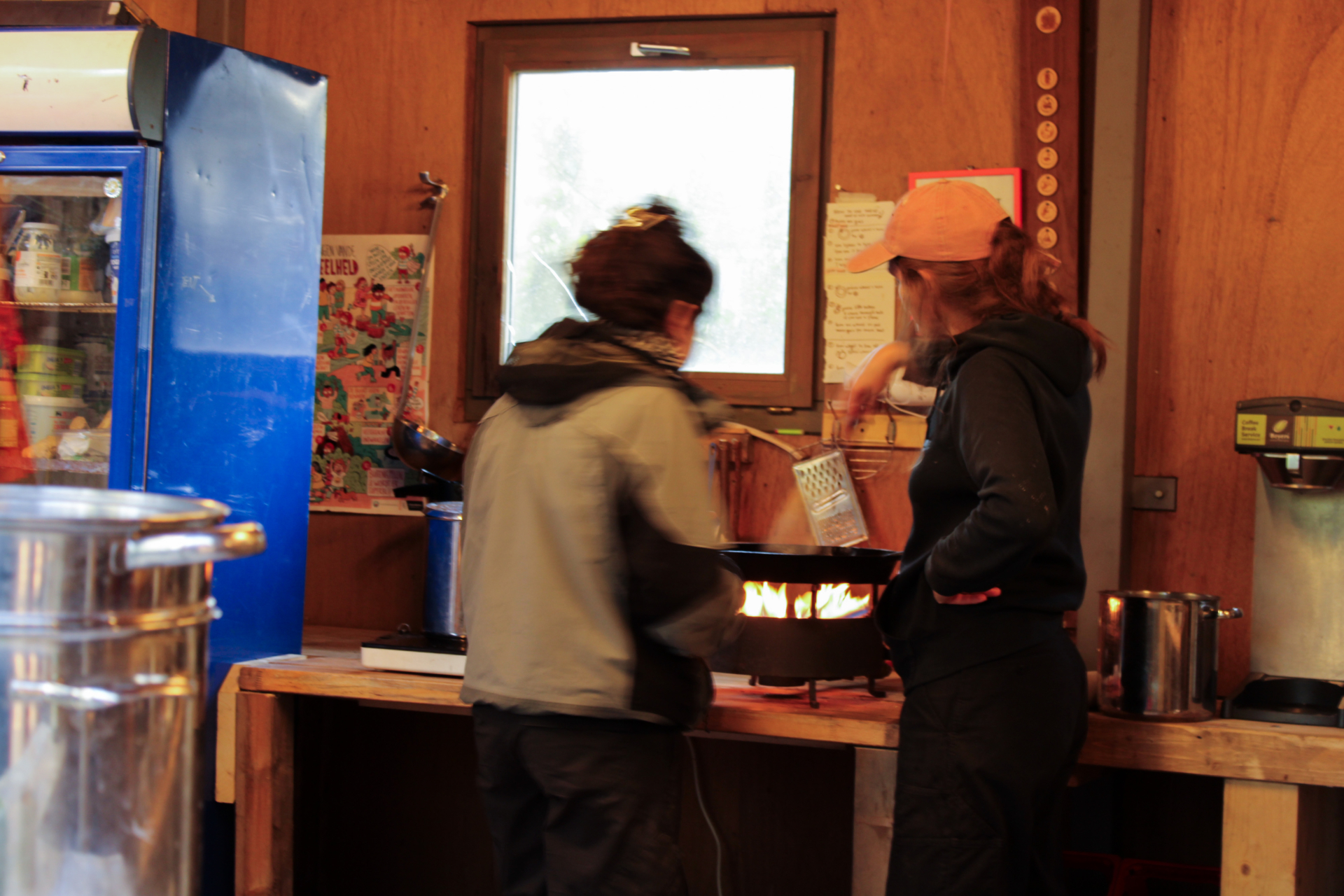
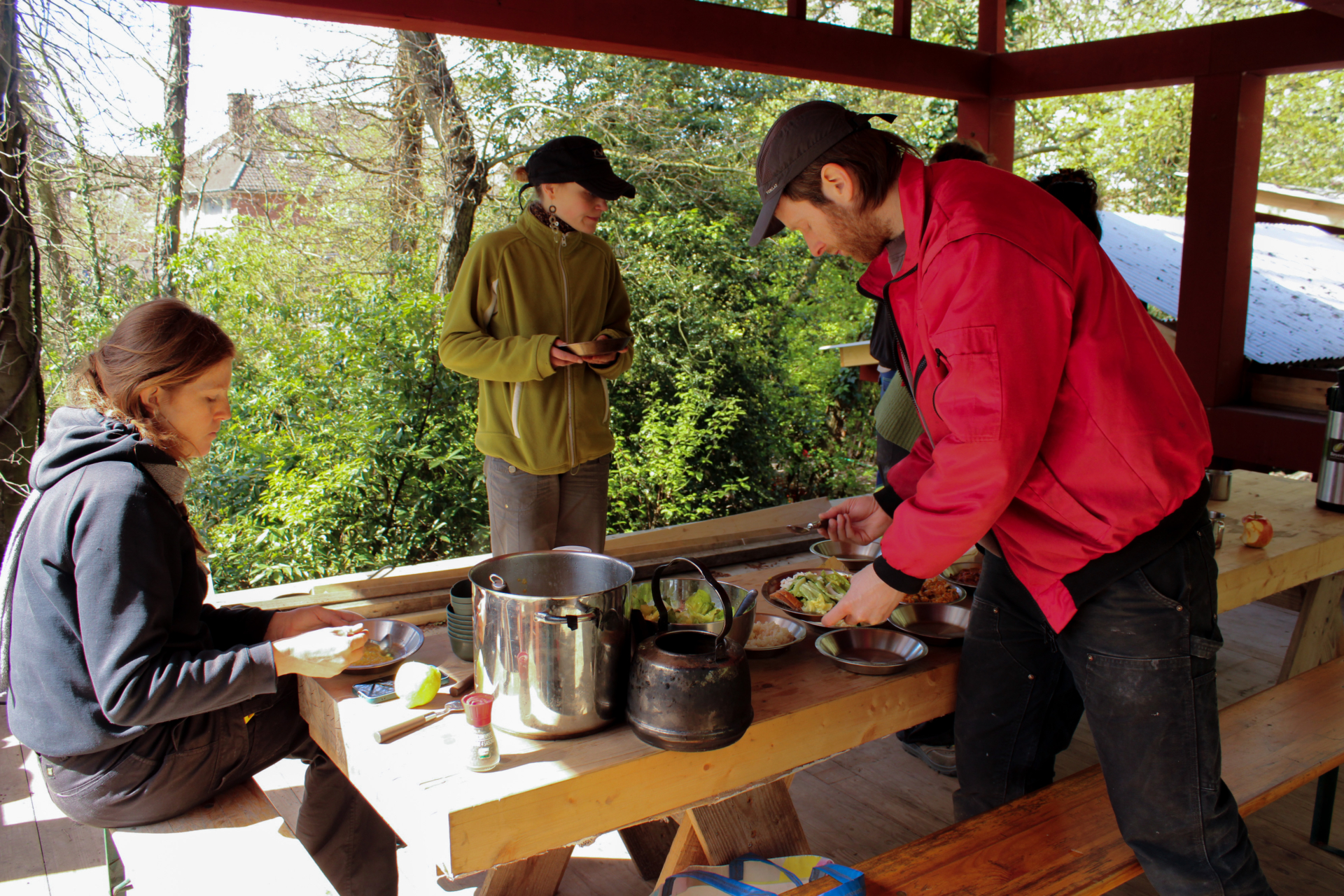
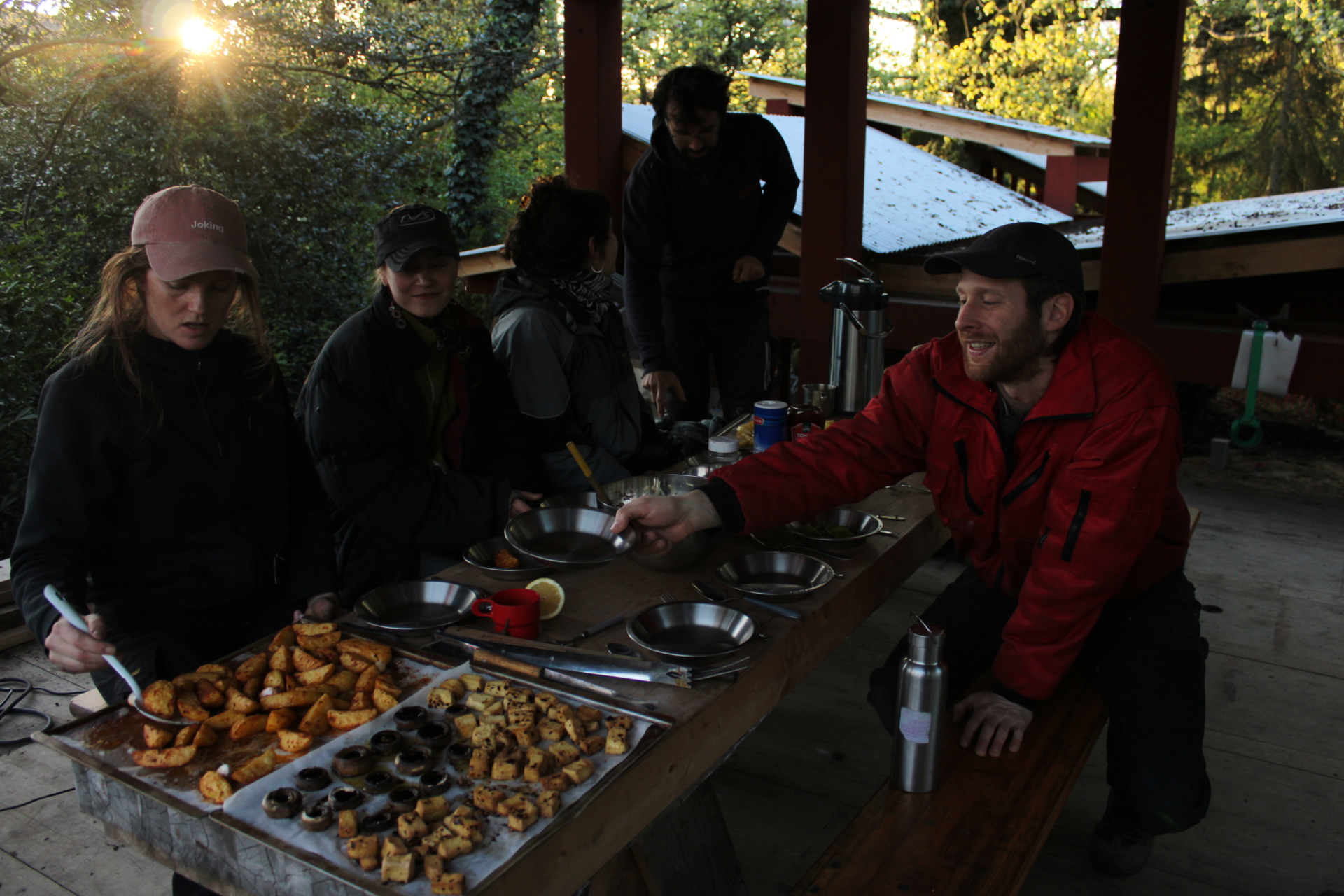
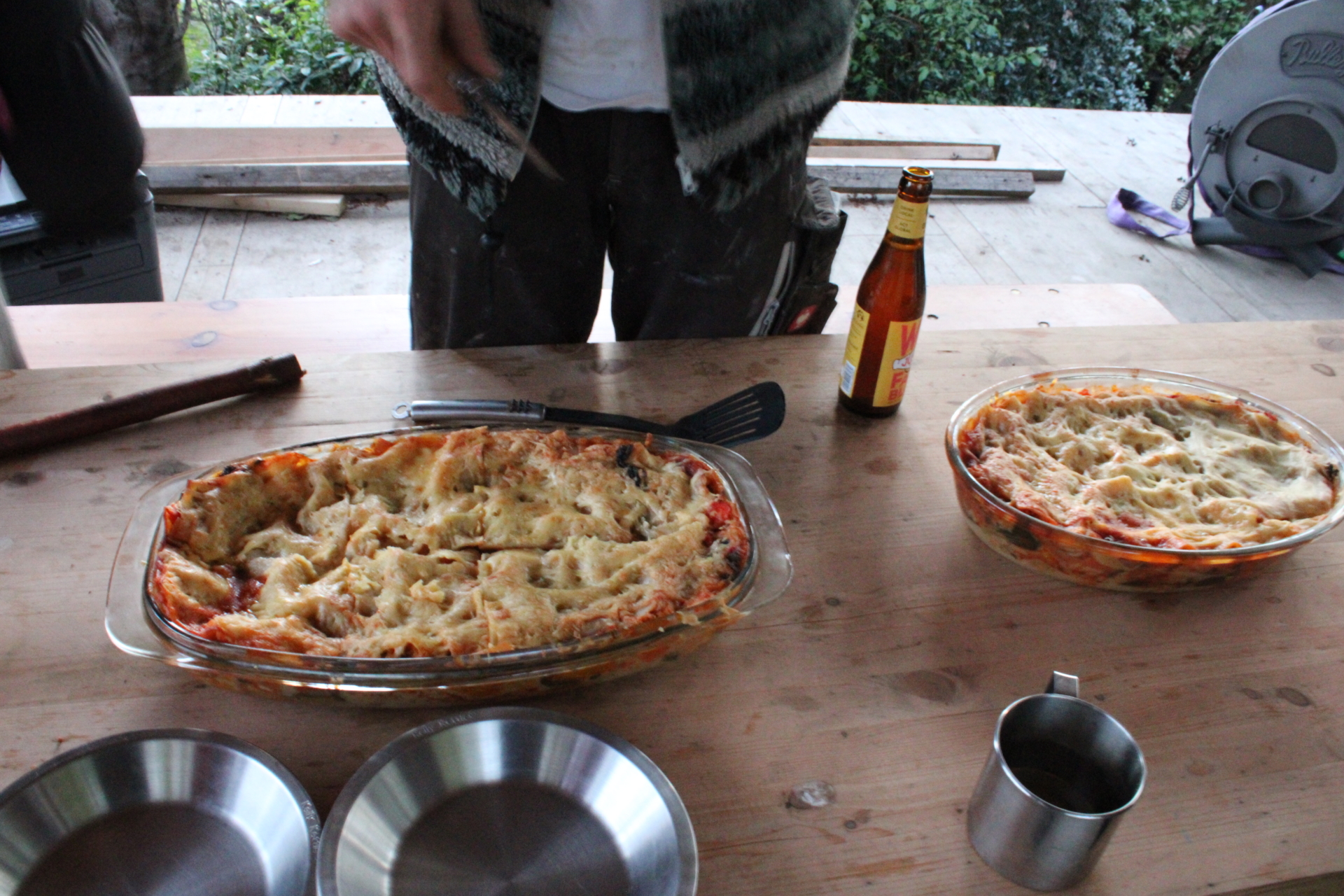
Working together also meant preparing meals on site. Cooking and eating together became a daily ritual in itself. As we shared recipes, experimented with different ingredients, and improvised with what we had available, we were not only learning from one another but also creating memories connected to specific flavours and dishes.
Meals turned into moments of pause and exchange—whether it was a quick lunch between tasks or a longer dinner at the end of the day. Everyone contributed in their own way, bringing tastes, habits, and ideas from different places. This made the kitchen a space of creativity as much as necessity, where food became another way of connecting with each other and with the experience of living and working together.
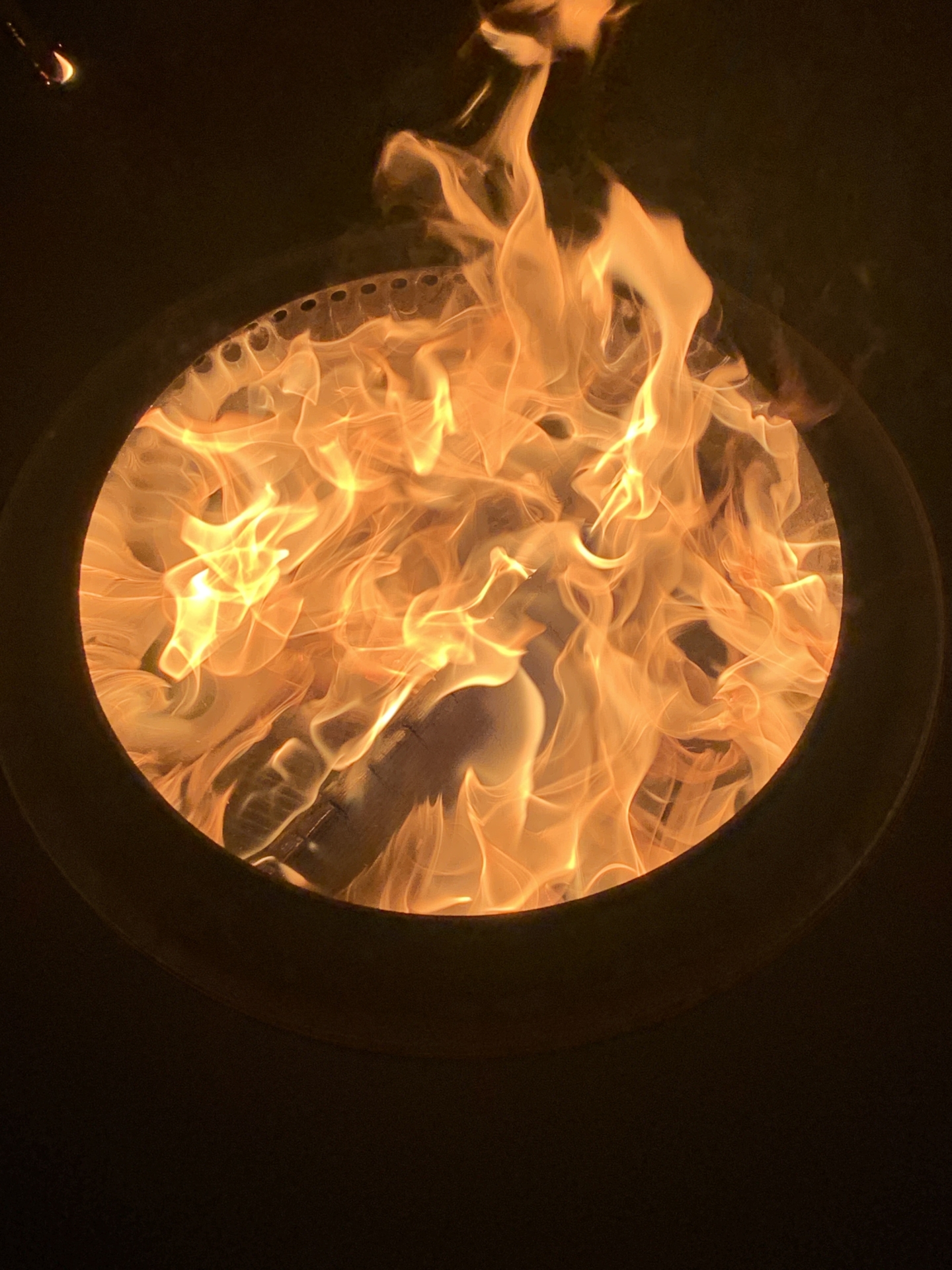
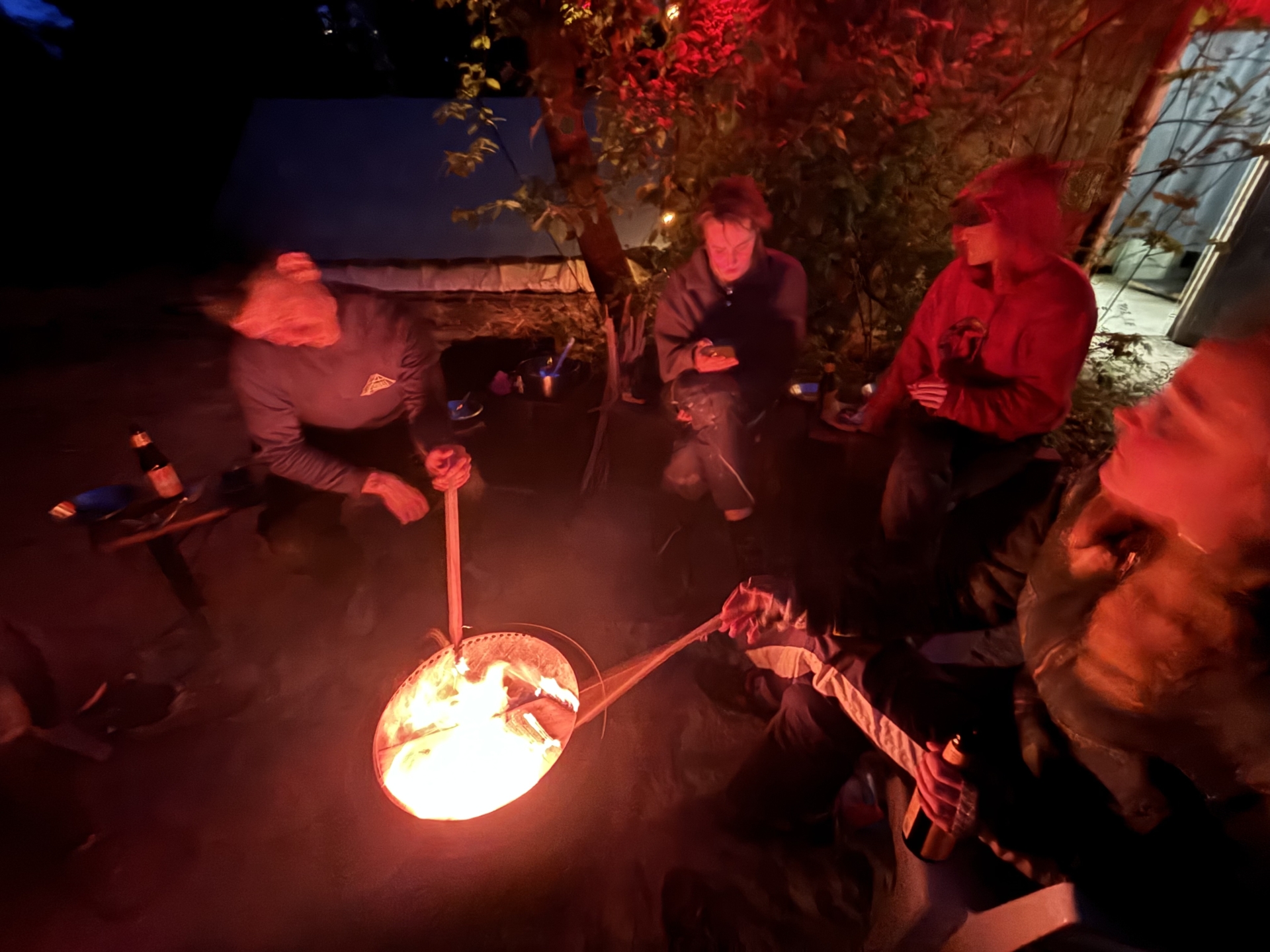
Fire, in particular, brought us together. Nearly every evening, we gathered around it. It not only gave us warmth but also created an atmosphere where conversations could unfold naturally. Through these moments, we got to know each other better and even learned more about the process of making fire.
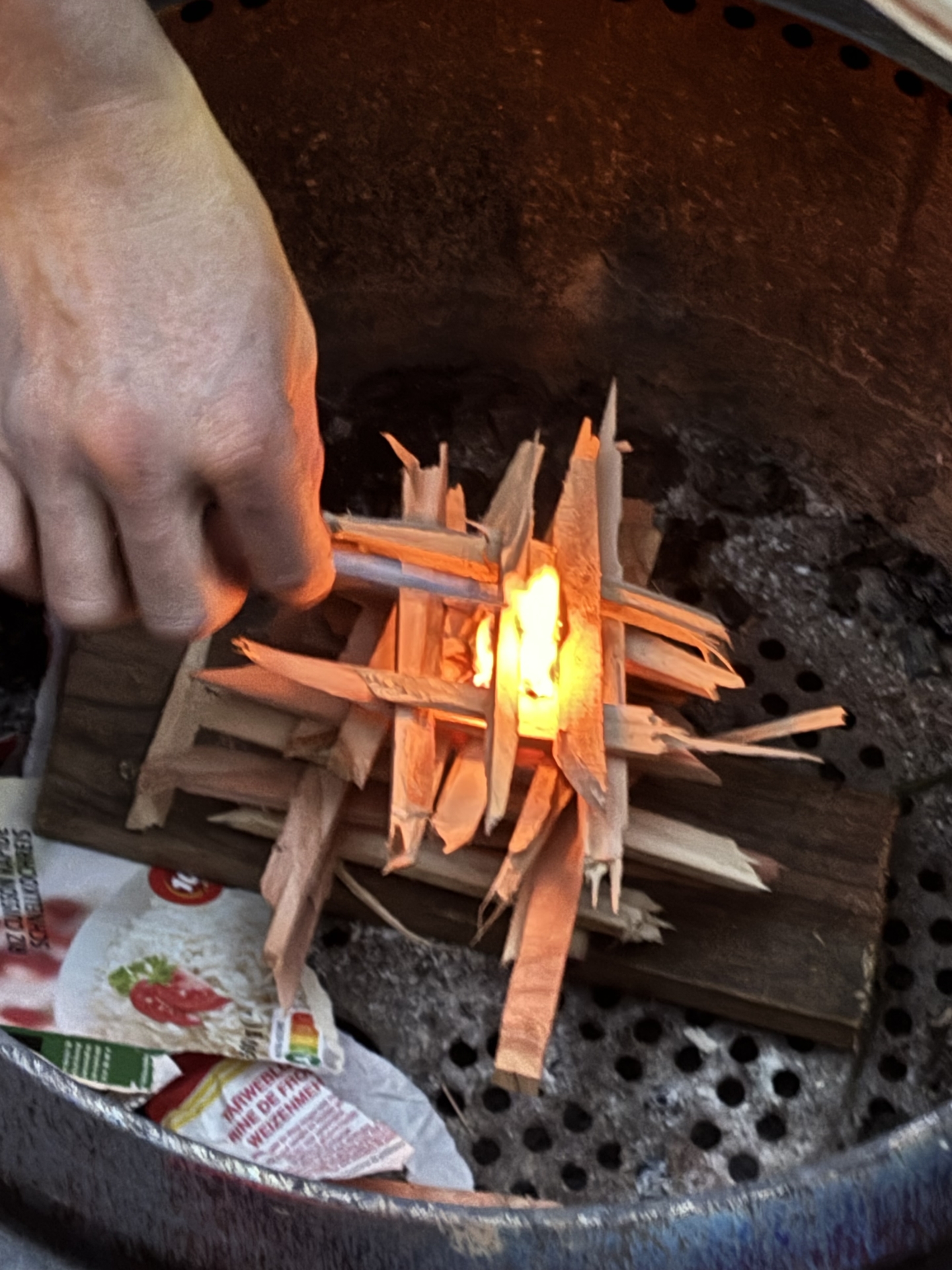
Our usual fire started with a small tipi structure made from leftover wood cuttings, with a cardboard core. Most of the time, we used a regular lighter to get it going, but we were also introduced to the art of using a fire steel—which was both fun and another way of sharing knowledge with one another.
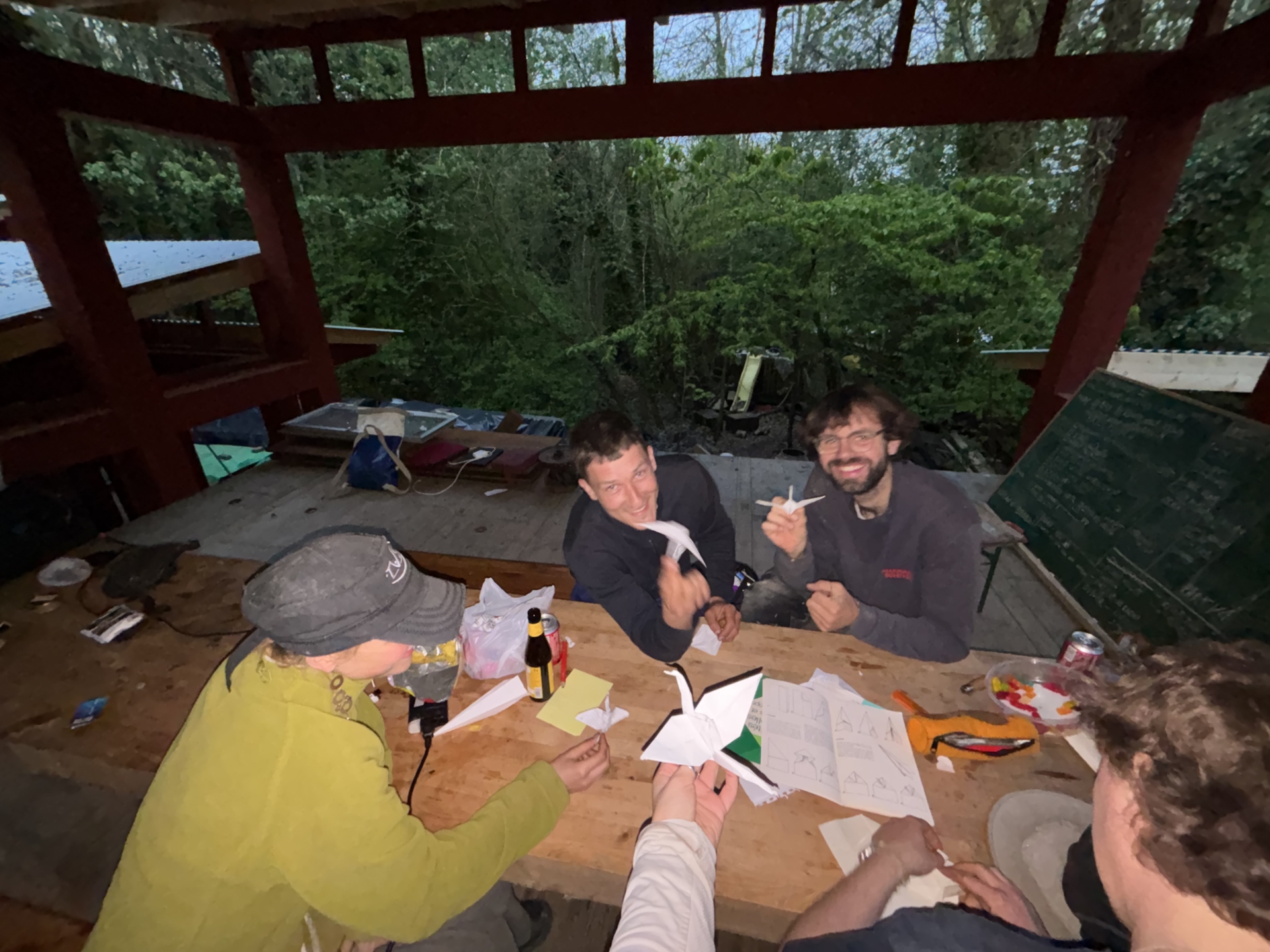
But it wasn’t only about fire-making. We also spent time folding paper planes and origami birds together.
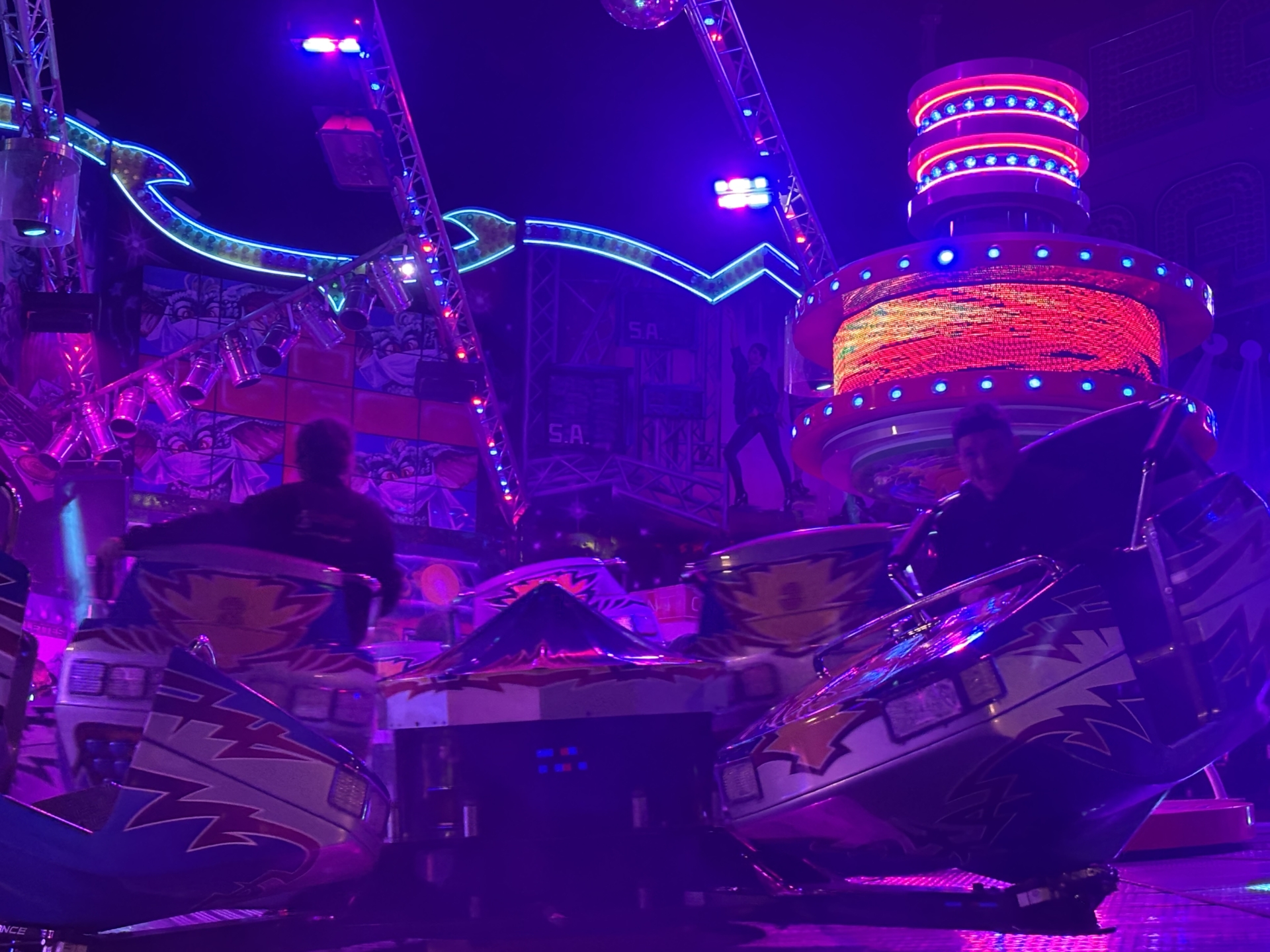
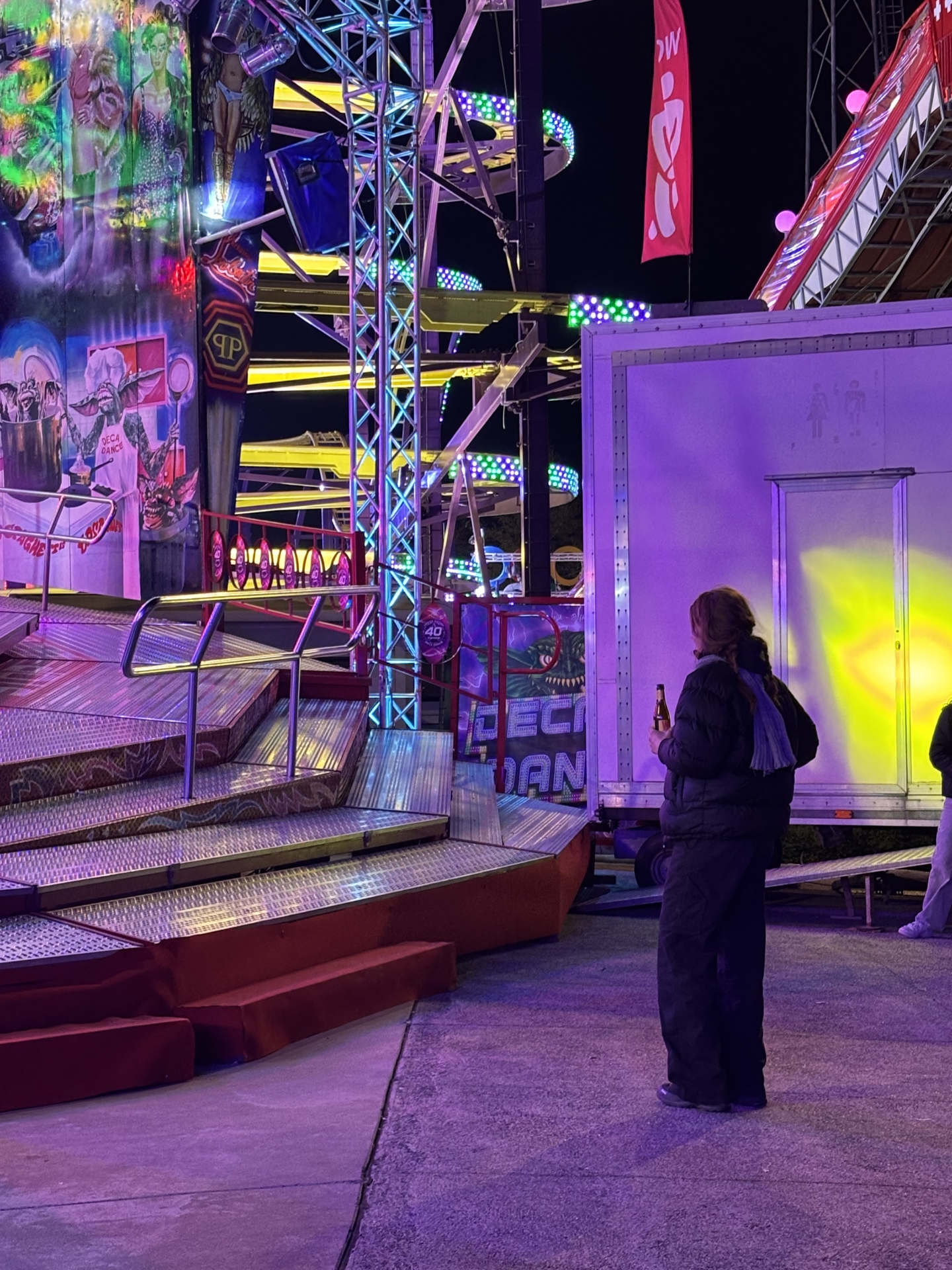
And last but definitely not least, in our free time, we visited the fair a few times—whether to ride the Decadance, the V-Max, or simply to enjoy some churros.
Camping together was also a deeply bonding experience—whether we slept in one large shared tent or in smaller ones, surrounded by the sounds of the mating season, the nearby highway, and the fair in the distance.
All in all, we shared many beautiful moments together, for which we are all very grateful. <3
Like last year, this project would not have been possible without the support of many different people—those based in Kortrijk as well as those who passed by to contribute, even if only for a few days.
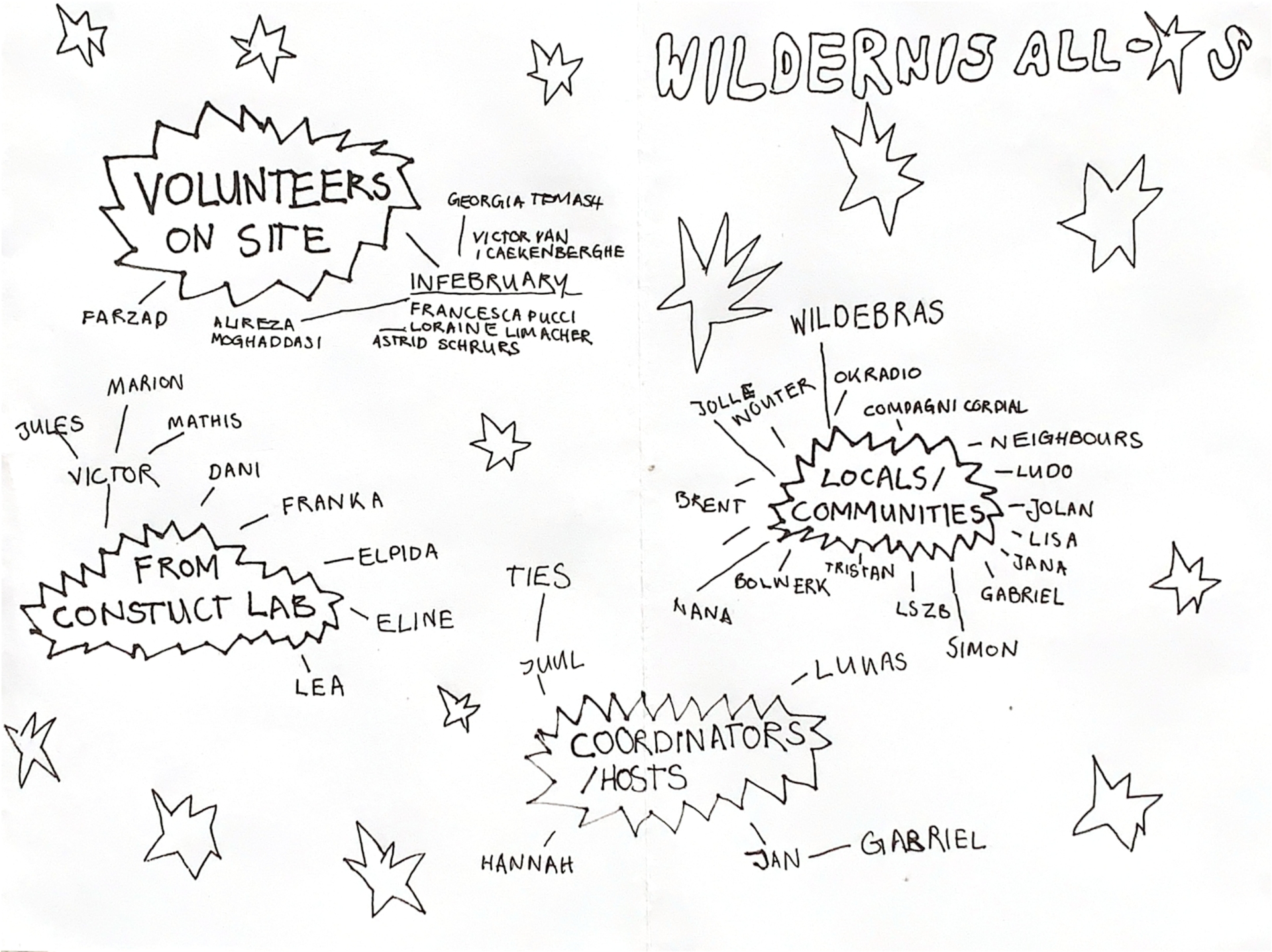
Because of this, we felt it was important to document everyone who took part. Not only to reflect the diversity of the group, but also to highlight the network of relationships that forms through these collective efforts. Volunteers brought with them knowledge, skills, and perspectives from different places, creating connections that extend beyond the site itself.
In this way, the project becomes more than a single location—it becomes part of a wider network, shaped through exchange, collaboration, and shared experiences across different territories. These connections, built through mutual support and curiosity, are something we want to continue nurturing and making visible.
For this reason, we created a small diagram to map and acknowledge everyone’s contribution to the project.
In late April and throughout May, our main focus shifted towards finishing and closing the building.
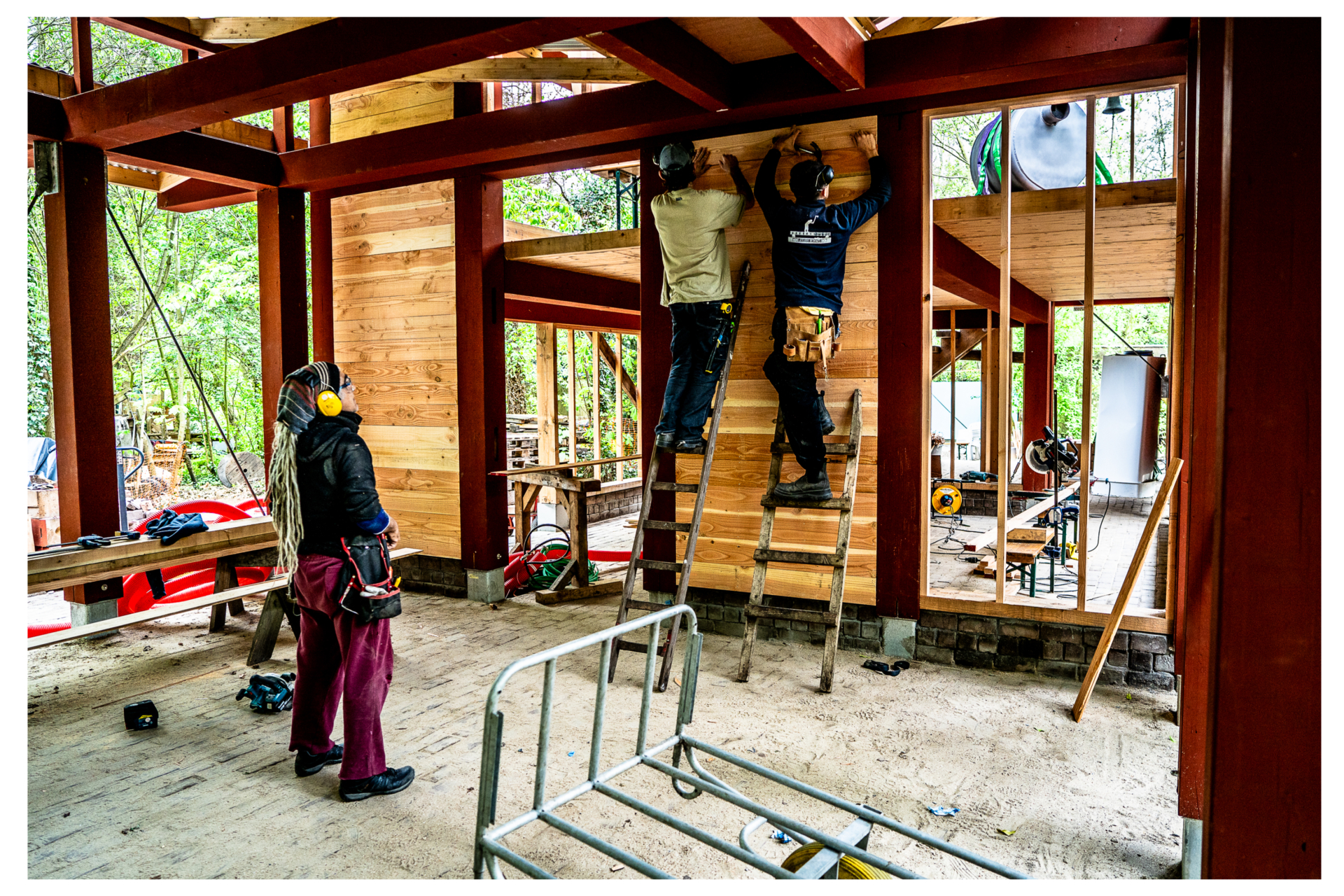
By the end of April, we had completed the walls of the bathroom block (at least for now) and almost the entire building was wrapped with the first layer of the façade — the wind protection layer — which involved a lot of hammering, nailing, and repetitive but satisfying work.
After we finishe the „windshild“ the polivalent space needed its facade as well
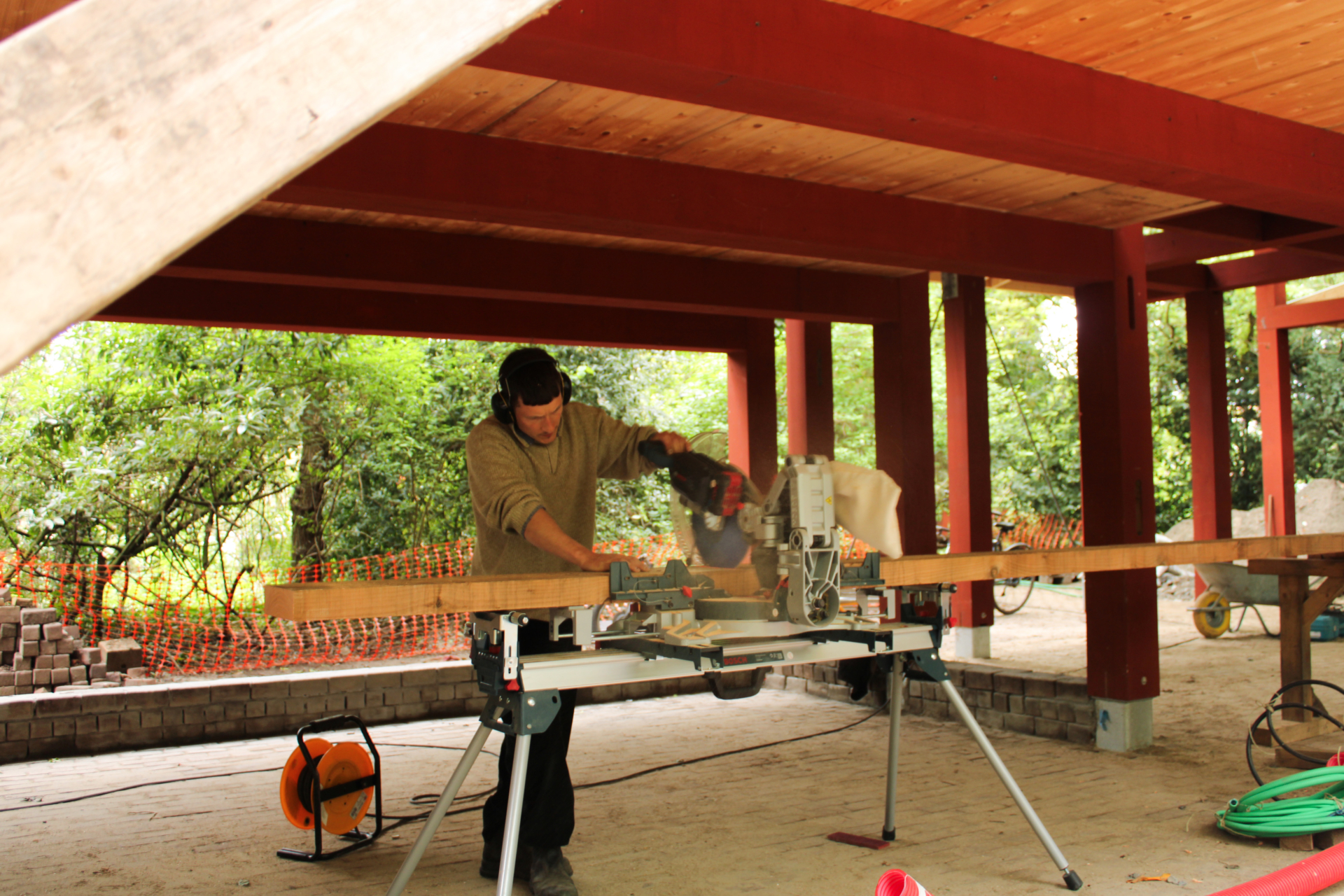
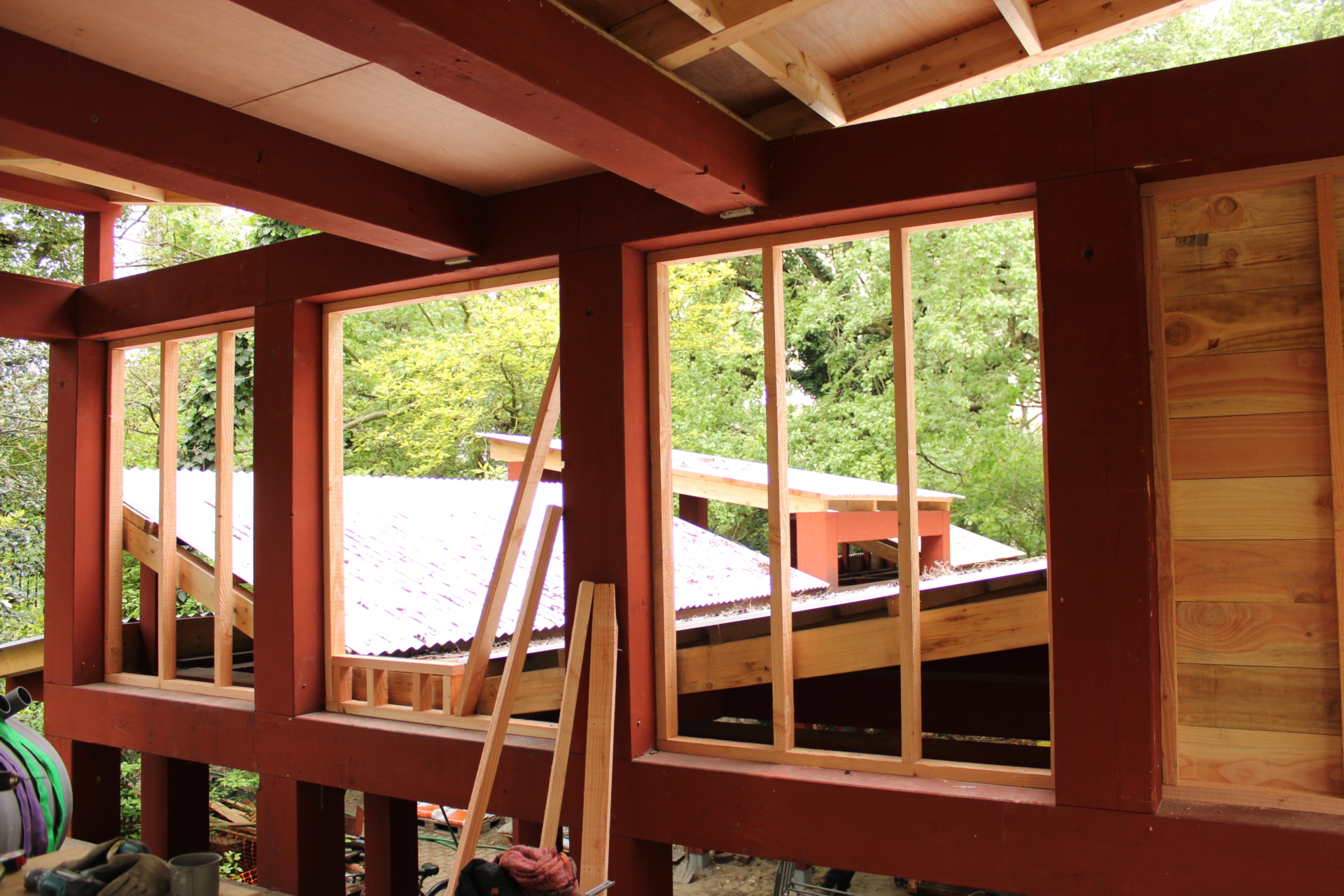
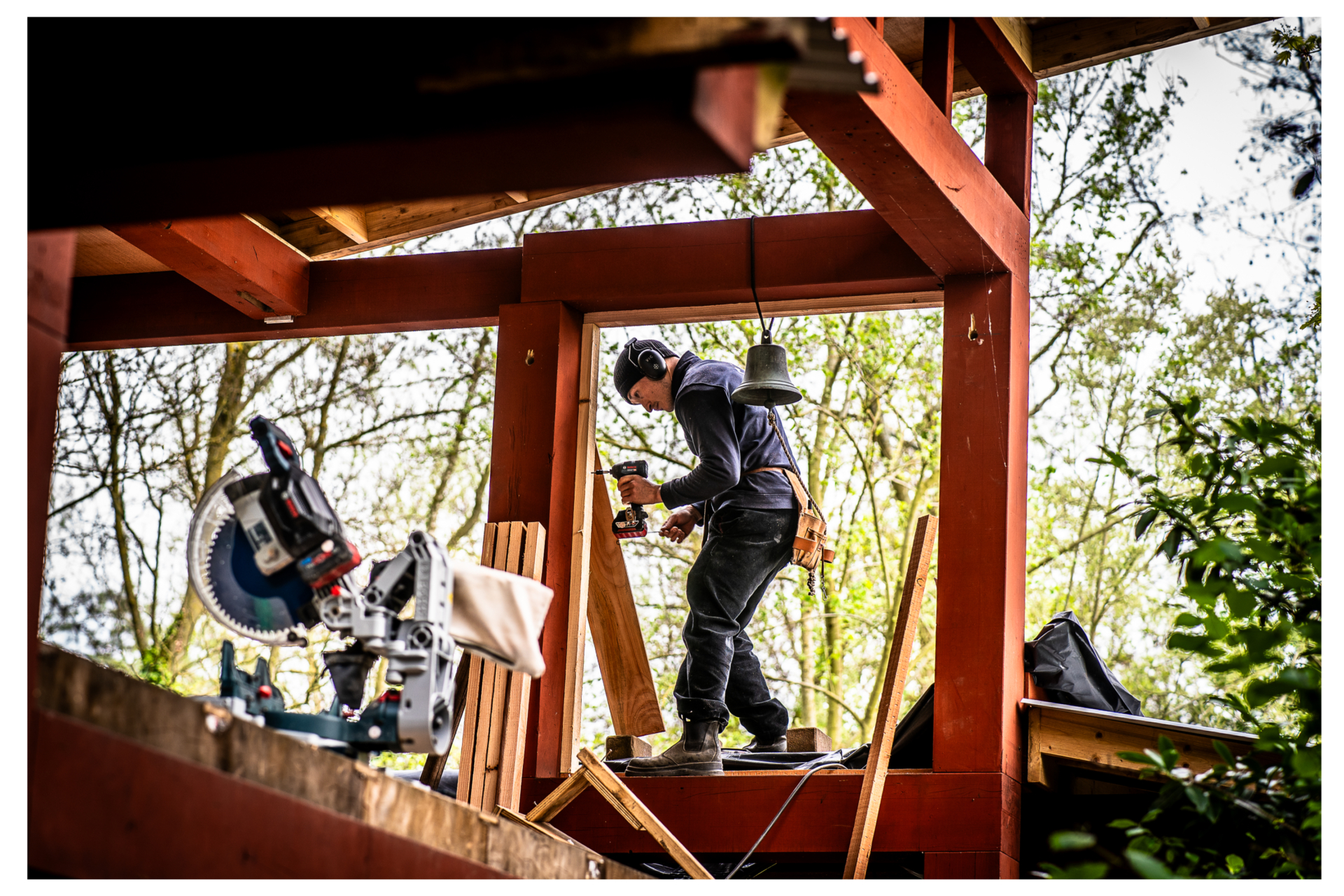
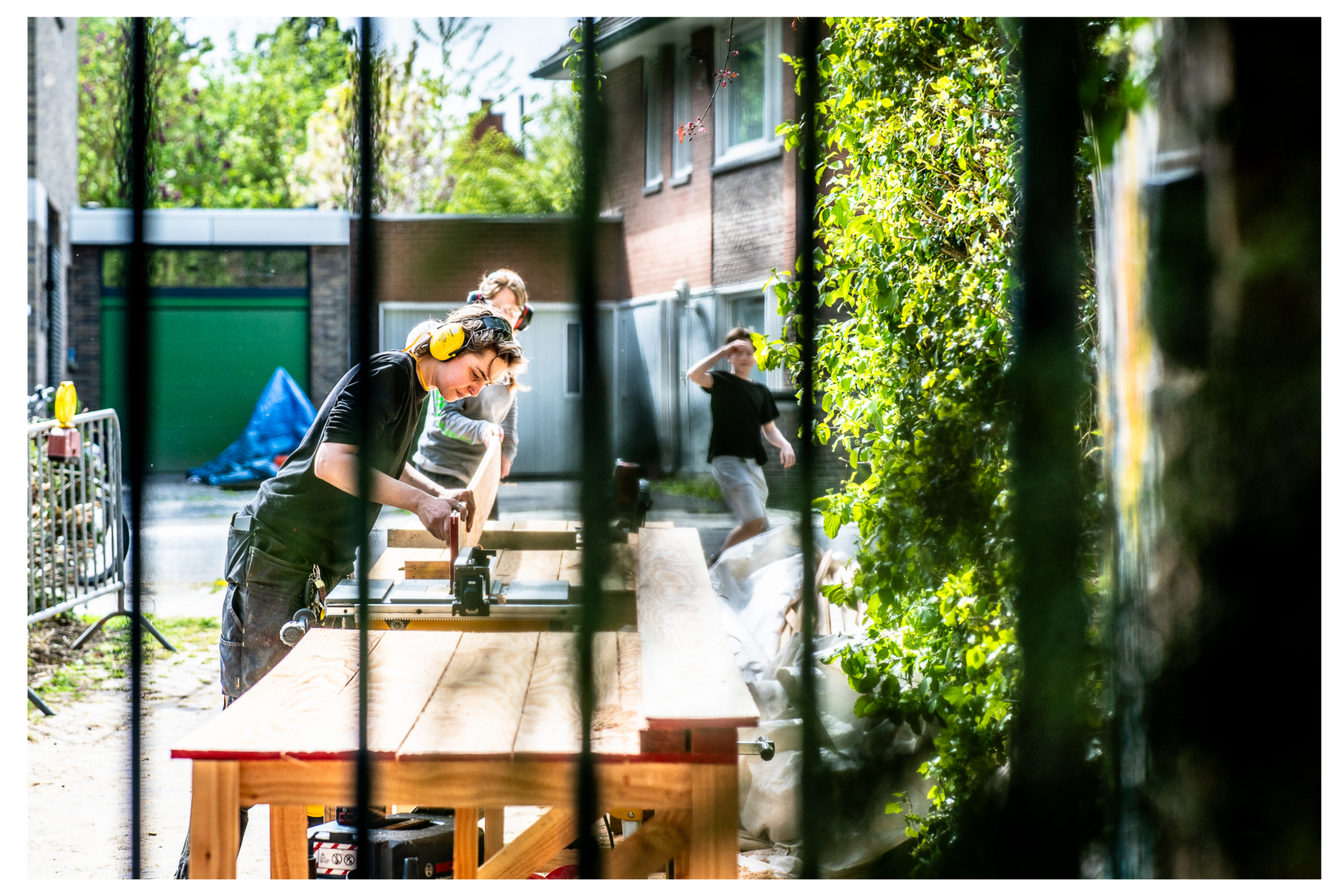
Another very time-consuming task was the preparation of the windows. As mentioned earlier, the glass had already arrived, so we built the window frames ourselves out of Douglas fir wood. For this, we were able to use the wood workshop of Group Intro — thank you again, this support was incredibly helpful!
Over time, the process evolved into a kind of efficient window production line: making different cuts on different saws, drilling, sanding, assembling. At some point it almost felt like being part of a large machine, each person taking over a specific step in the process.
Working so closely on the windows also gave us a deeper understanding of how they actually function. Small details — like the drip edge and the precise way water is guided around the frame — suddenly became essential. Following the path that water takes around a window made us realise how much careful thinking and craft is hidden within elements that often seem so ordinary.
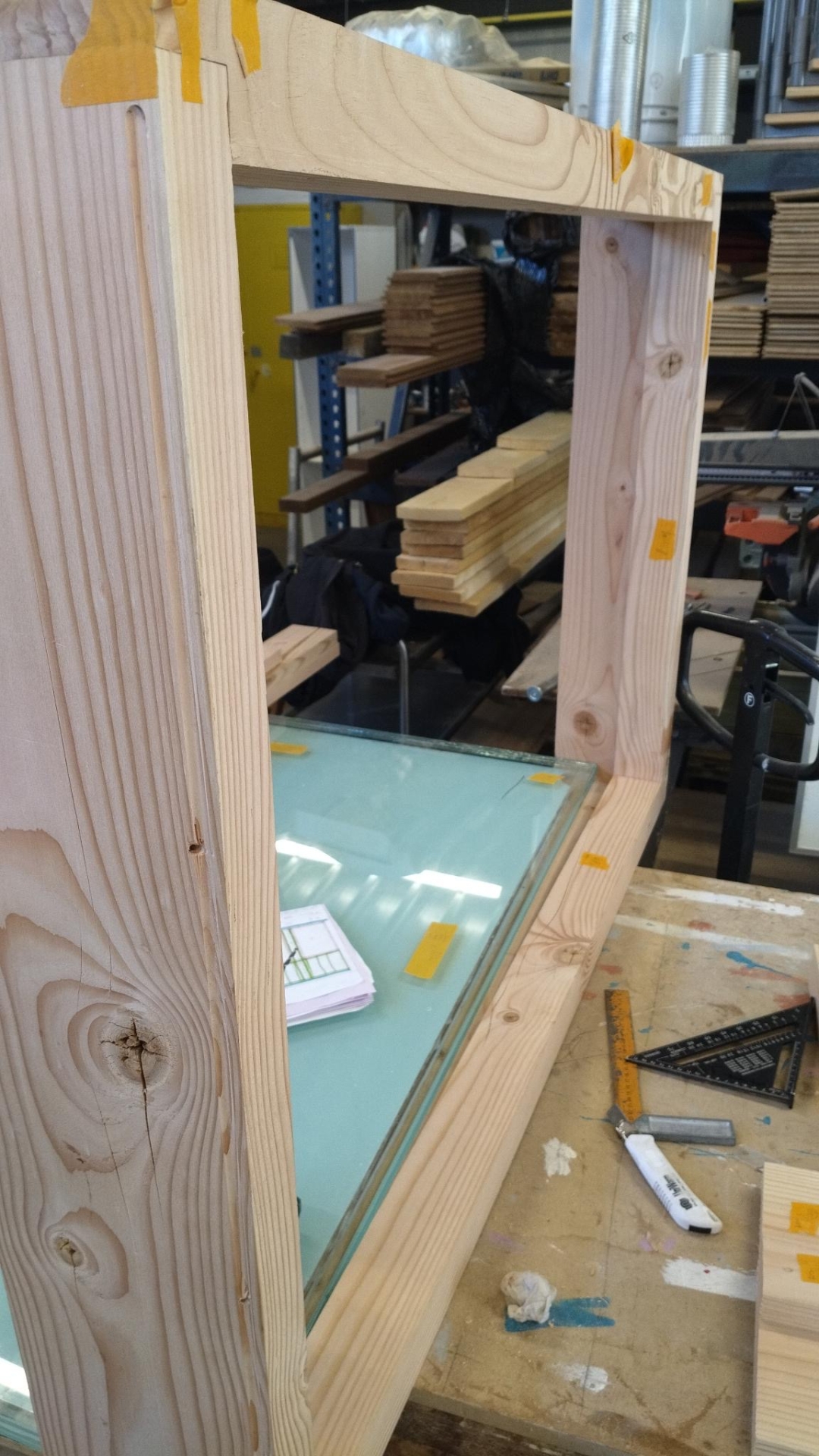
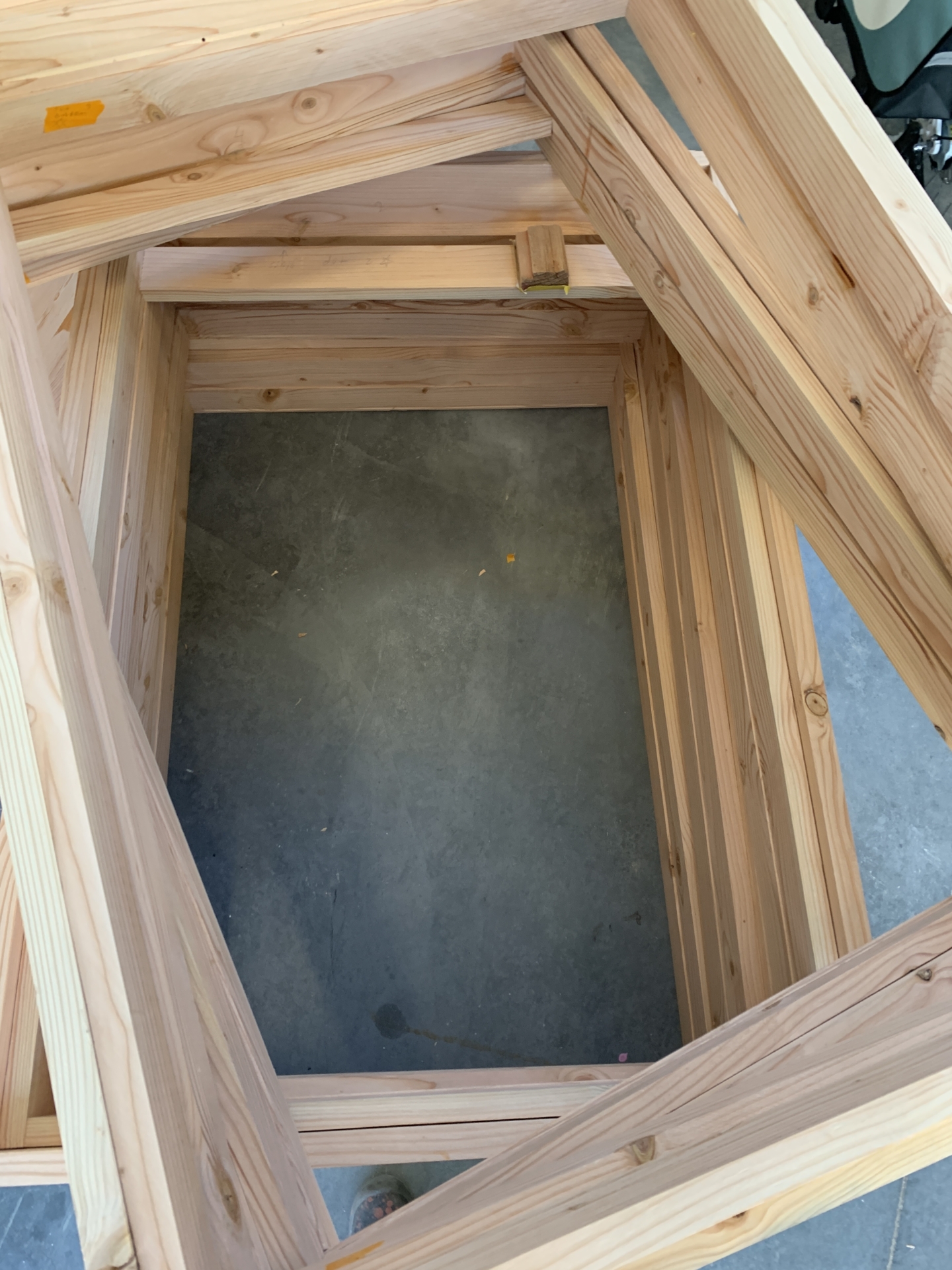
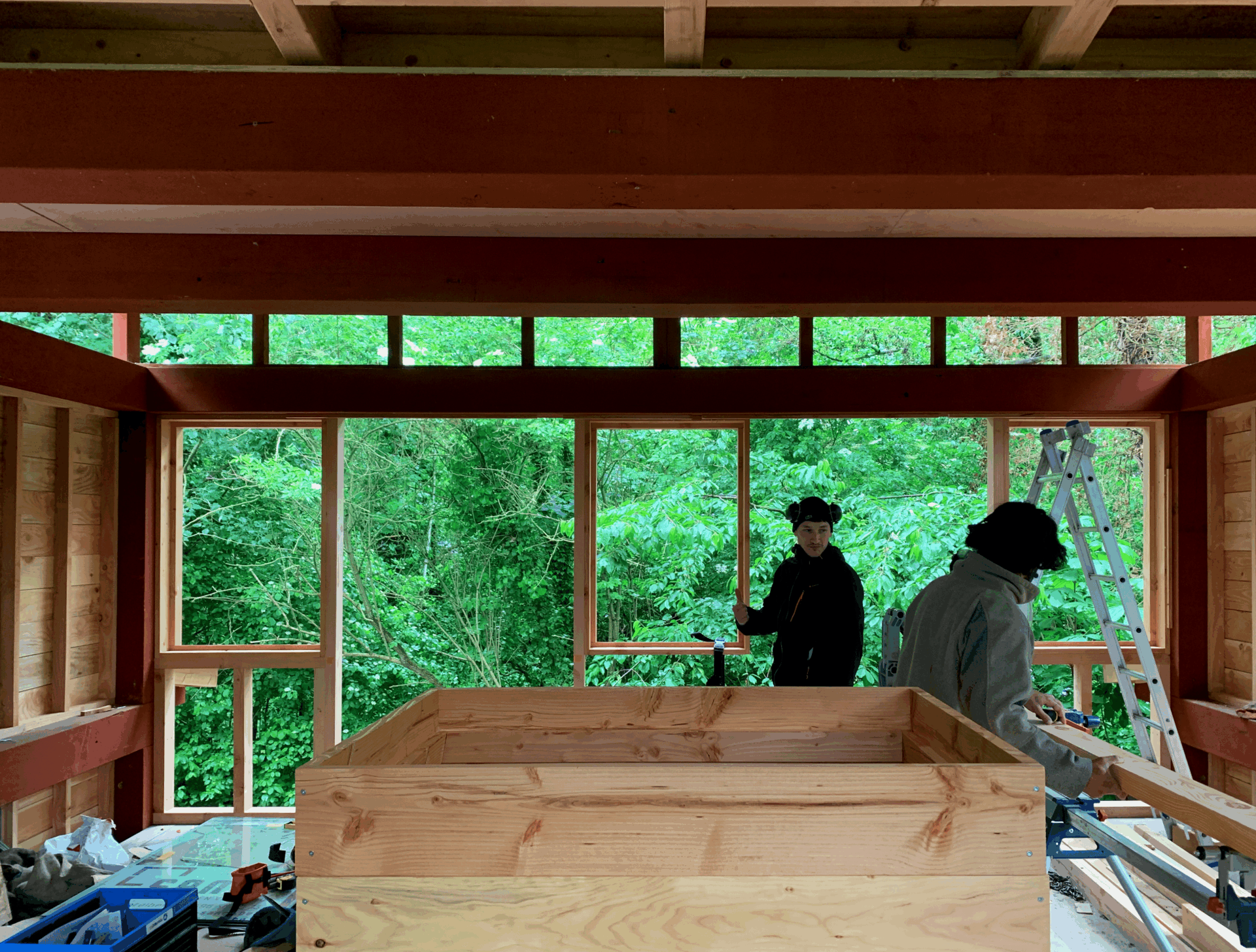
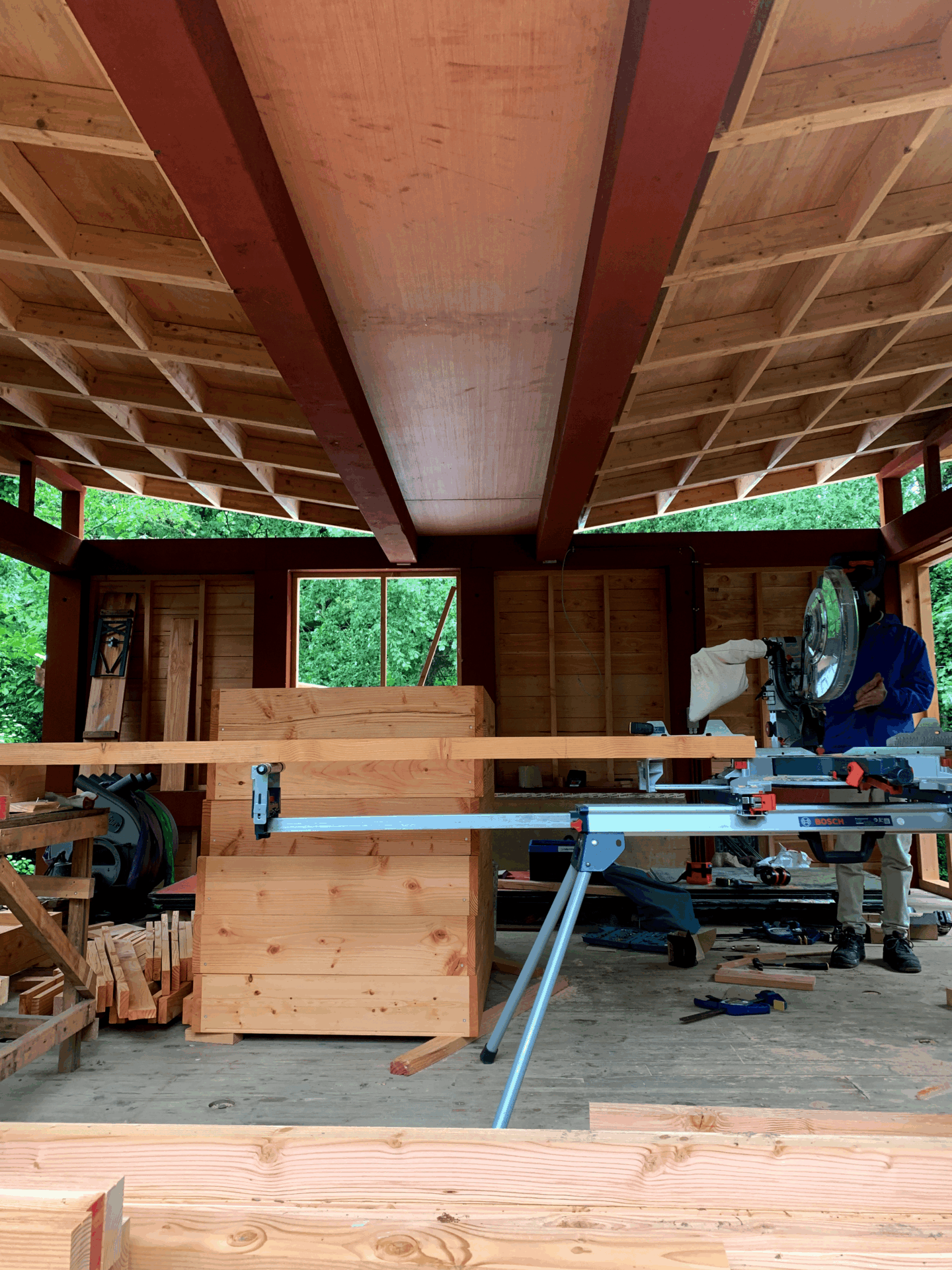
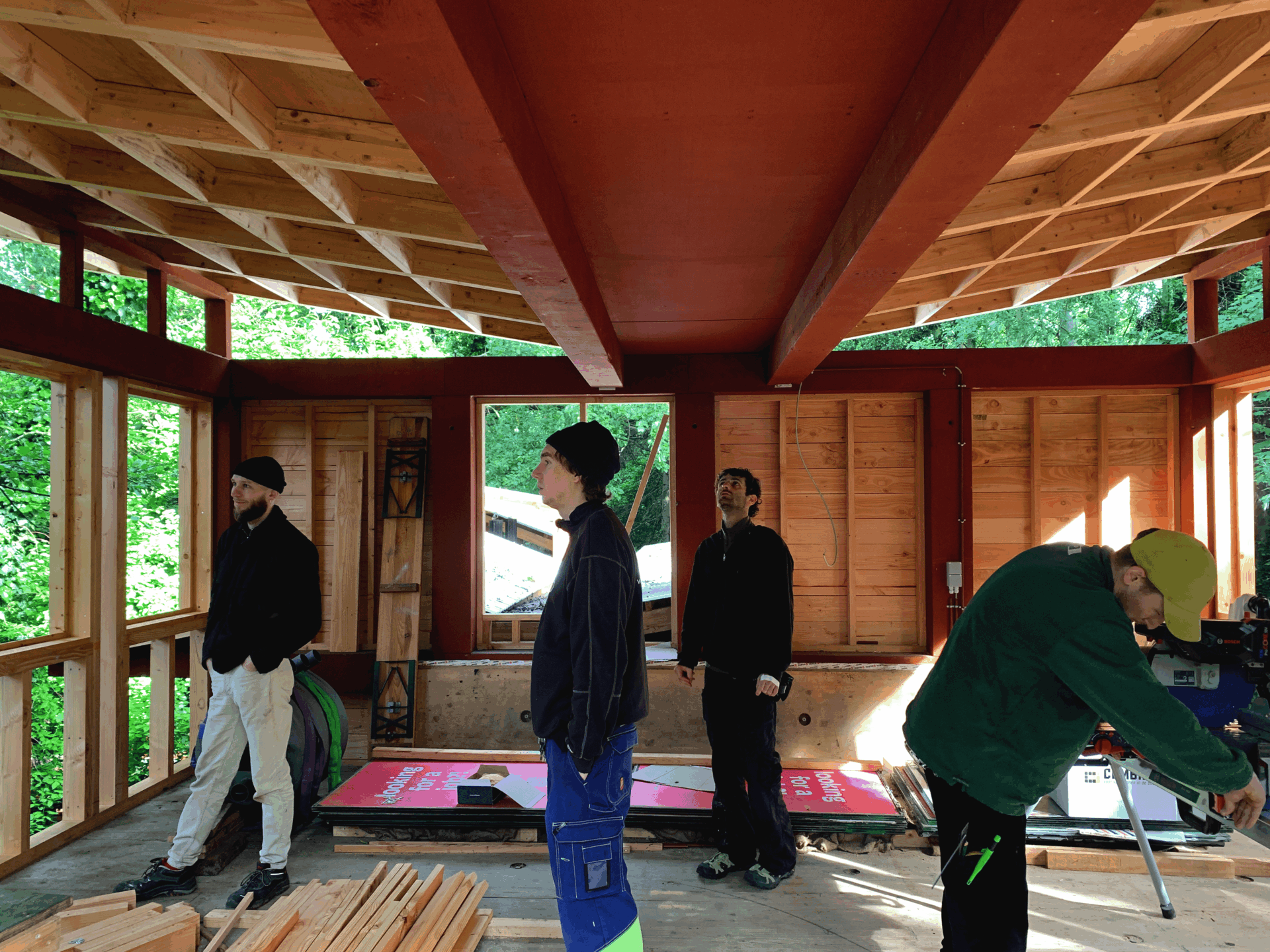
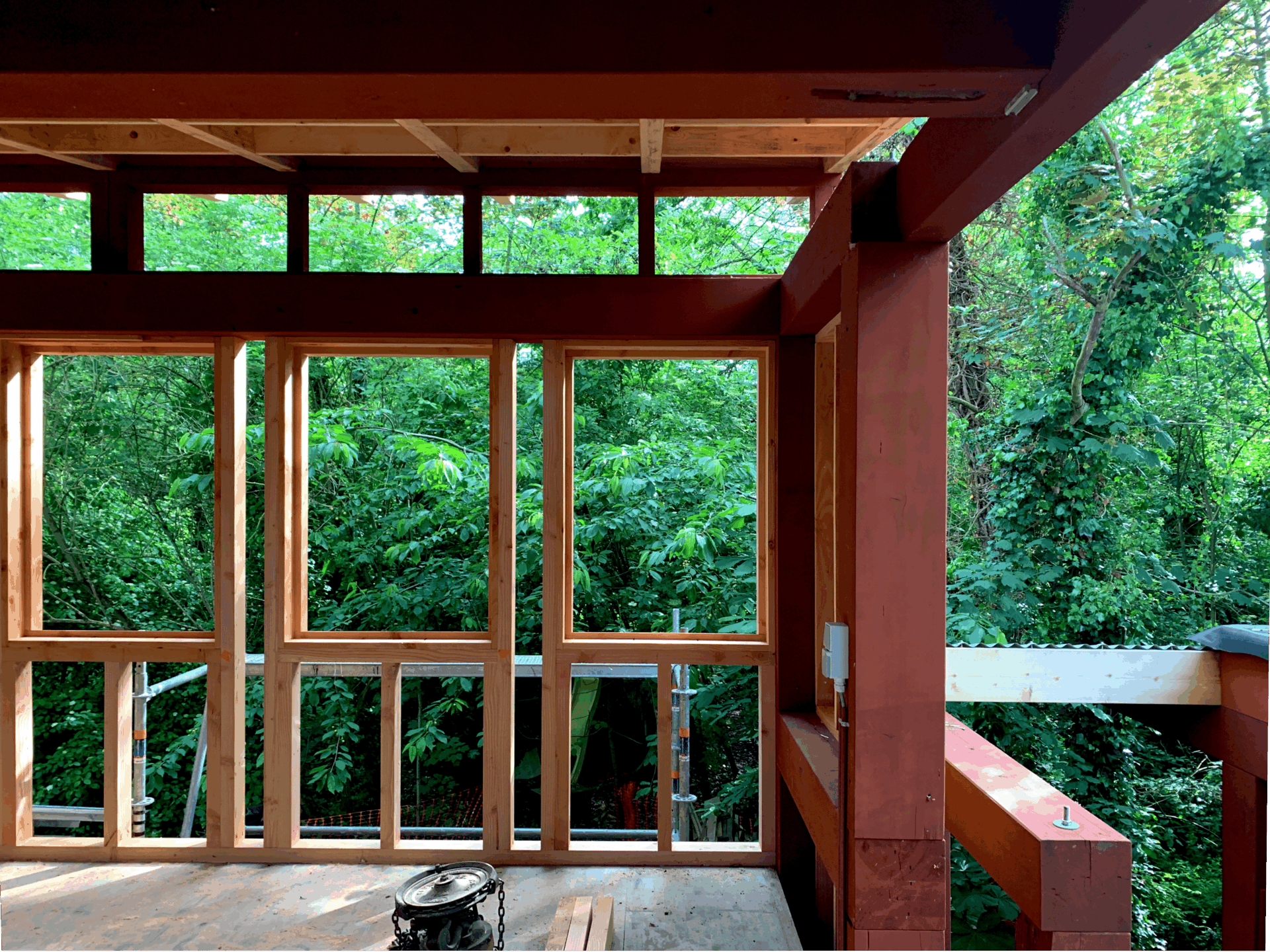
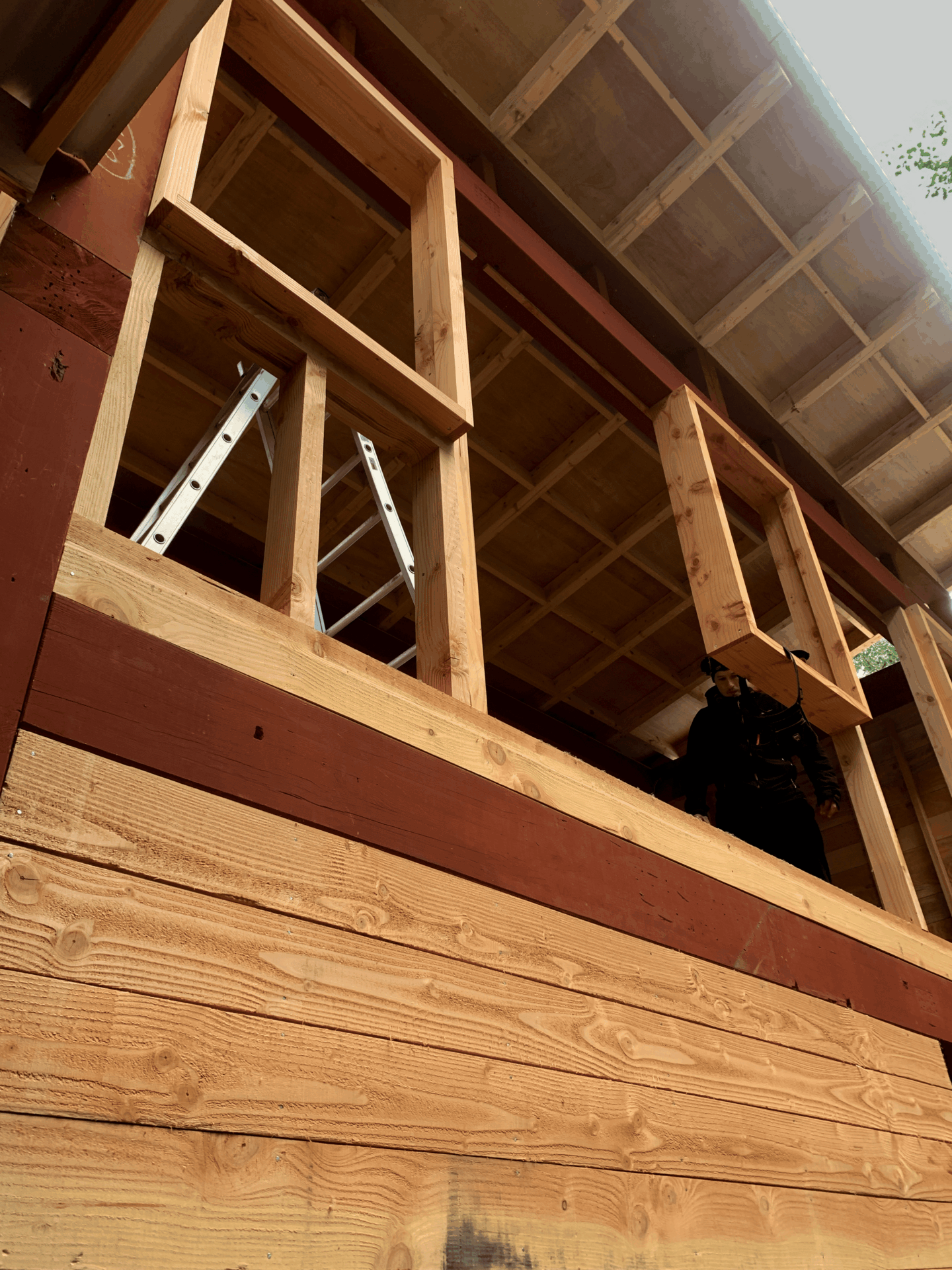
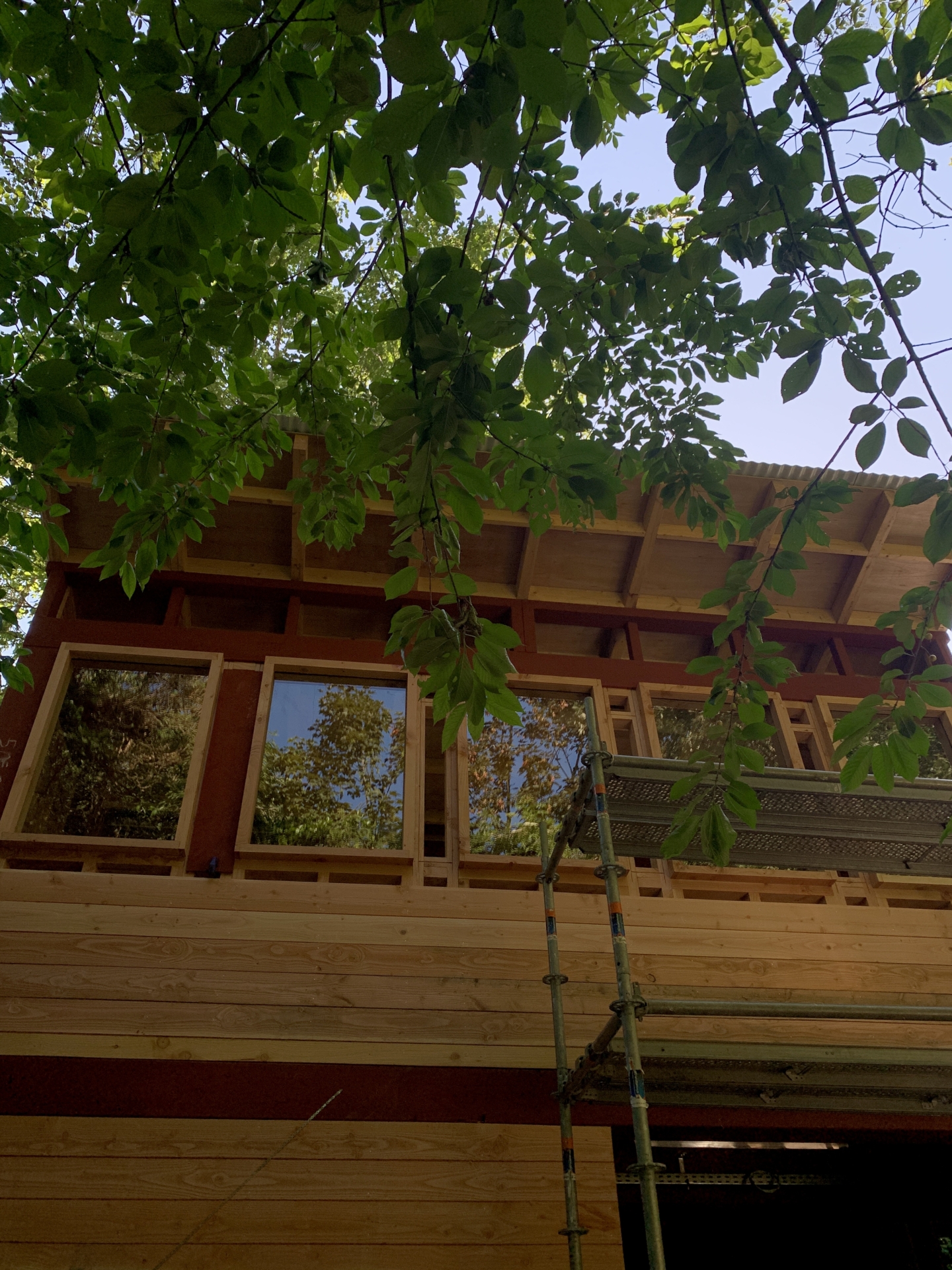
Image Credits:
Franka Fuchs, Simon Verschelde, Hannah Bohm, Elpída Gkógka, Juul Prinsen
![[de]constructlab](https://constructlab.net/wp-content/uploads/2025/03/deconstructlab-story_-cover-scaled.jpg)


